
How Well Does GS-441524 (NeoFipronis) Work
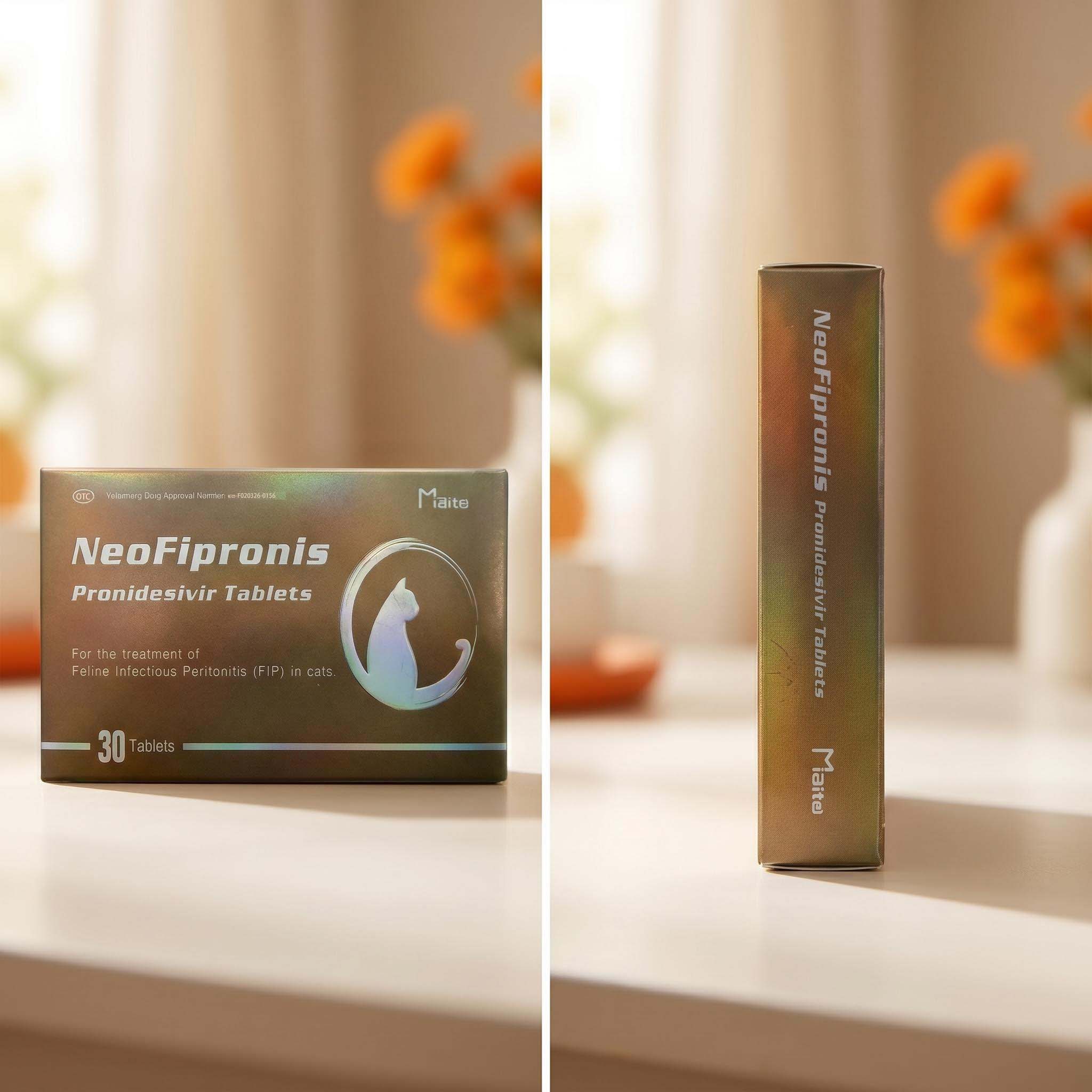
Feline Infectious Peritonitis (FIP) remains one of the most challenging diseases in feline medicine, caused by a mutated feline coronavirus. Traditional treatments have had limited success, often leaving pet owners desperate for effective options. Recently, the emergence of GS-441524, marketed as NeoFipronis (Pronidesivir), has revolutionized the approach to FIP therapy owing to its potent antiviral properties.
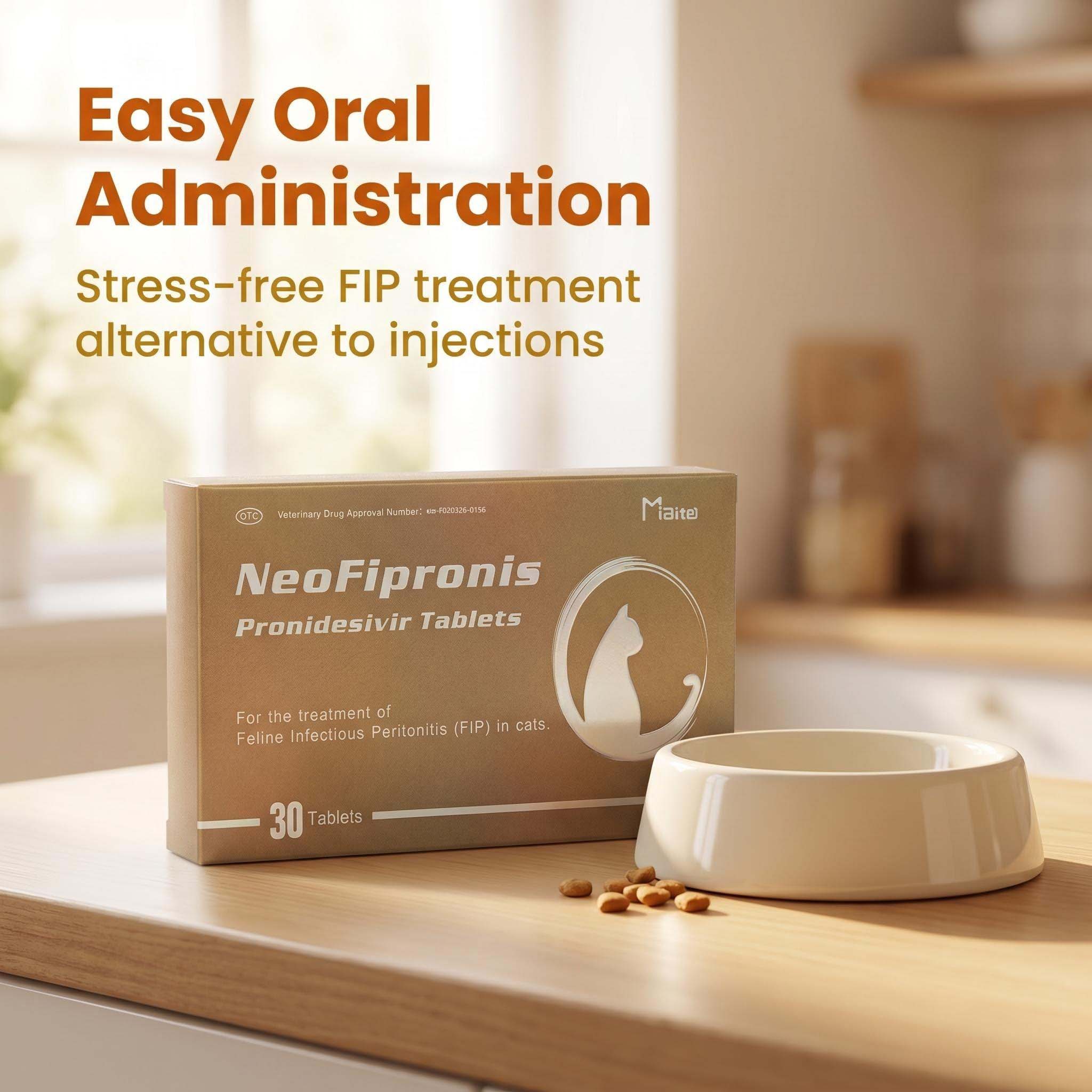
NeoFipronis, approved in March 2026 by the Lao Ministry of Agriculture and Forestry, is the world’s first officially registered oral medication dedicated to FIP treatment. Its active ingredient, GS-441524, is a nucleotide analog that inhibits the replication of the feline coronavirus, directly targeting the virus responsible for FIP. Reports from veterinary clinics worldwide suggest that NeoFipronis demonstrates remarkable efficacy against various FIP forms, including effusive (wet), non-effusive (dry), and mixed types.
The drug's effectiveness is supported by extensive studies and clinical applications. Cats treated with NeoFipronis show significant improvement in appetite, activity levels, and reduction of fever and effusions. Common symptoms such as weight loss, lethargy, ascites, pleural effusion, lymphadenopathy, granulomas, neurological deficits, and uveitis have been notably mitigated. Many cats experience symptom resolution within weeks of starting therapy, with some cases showing rapid clinical improvement within days.
NeoFipronis’s mode of action involves intracytoplasmic inhibition of viral RNA synthesis, effectively controlling the replication of the feline coronavirus. Its delivery as an oral medication offers high bioavailability, fast absorption, and ease of administration, making it accessible for pet owners. The drug is generally well tolerated, with minor side effects reported, such as mild gastrointestinal upset or transient changes in blood parameters. Importantly, adverse reactions are rare, and the medication’s safety profile has been extensively validated through clinical trials.
The recommended dosage is based on the cat’s weight, typically 15 mg per kilogram once daily—equivalent to half a tablet. For neurological or ocular forms of FIP, dosages can be adjusted upward to 30 mg/kg under veterinary supervision. To optimize treatment outcomes, continuous administration for a minimum of 12 weeks is advised, with strict adherence to dosing schedules. Interruptions or missed doses may reduce the therapy’s effectiveness and promote viral resistance.
Monitoring during treatment involves regular assessments of appetite, body temperature, behavior, and blood work to evaluate liver and kidney function. Owners should remain vigilant for any adverse effects and consult their veterinarian if concerns arise. Although NeoFipronis is available over the counter in some regions, its use is strongly recommended under veterinary guidance to ensure safety and proper management.
Precautions include avoiding human consumption, as the medication is formulated exclusively for cats. To ensure genuine, high-quality products, purchase from authorized sources such as the NeoFipronis official website. Veterinary oversight is essential, especially for cats with neurological or ocular involvement, as these cases may require dosage adjustments and closer monitoring.
In conclusion, NeoFipronis (Pronidesivir), containing GS-441524, offers a highly effective, safe, and non-invasive treatment option for cats with FIP. Its rapid action, excellent tolerability, and proven clinical success make it a promising solution for a disease once deemed nearly incurable. As ongoing research advances, NeoFipronis continues to bring hope to feline patients and their owners battling FIP worldwide.