Can Kittens Recover From FIP
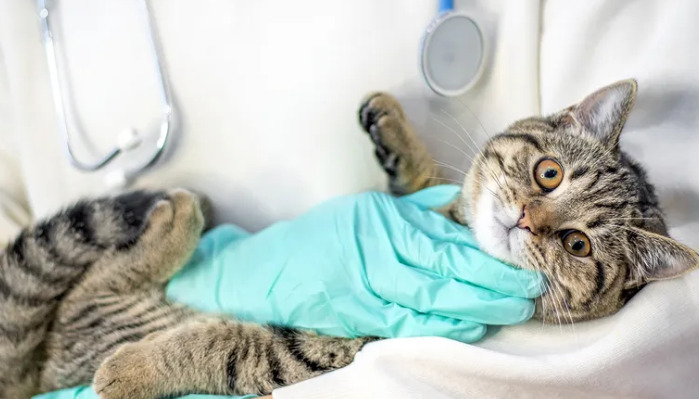
Can kittens recover from FIP? The answer is yes, many kittens can recover, especially when feline infectious peritonitis is recognized early and treated with effective antiviral therapy. FIP, or feline infectious peritonitis, is one of the most feared diseases in young cats because it can progress quickly and affect multiple organs. For years, the diagnosis carried a very poor outlook, but modern treatment has changed that picture. Today, recovery is possible in many cases, and the chances improve when owners notice symptoms early, seek veterinary help promptly, and follow a complete treatment plan.
FIP develops when a common feline coronavirus mutates inside the cat’s body and triggers an abnormal immune response. This is not the same as the mild intestinal coronavirus infection many cats carry. In susceptible kittens, the mutated virus can spread through blood vessels and tissues, leading to inflammation, fluid accumulation, fever, weight loss, and organ damage. The condition is usually divided into wet FIP, which causes abdominal or chest fluid, and dry FIP, which tends to create inflammatory lesions in organs such as the kidneys, liver, eyes, or brain. Because kittens have immature immune systems, they are often at higher risk than healthy adult cats.
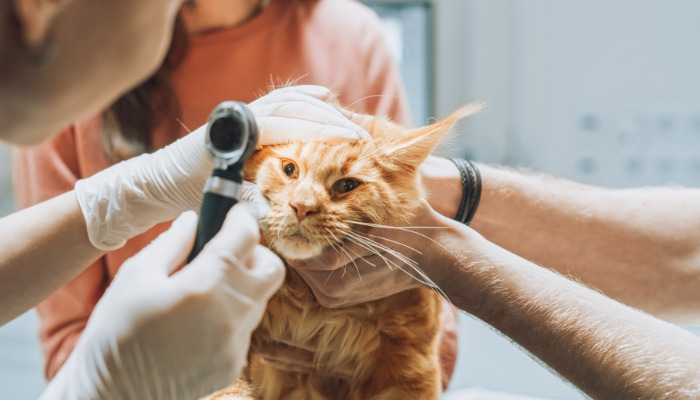
The signs of FIP can look different from kitten to kitten, which is one reason the disease is difficult to diagnose. Common early symptoms include persistent fever, poor appetite, lethargy, slowed growth, and weight loss. As the disease progresses, a kitten may develop a swollen abdomen from ascites, difficulty breathing from pleural effusion, enlarged lymph nodes, jaundice, or digestive problems. Neurologic FIP can cause stumbling, tremors, seizures, or changes in behavior, while ocular FIP may lead to eye inflammation, cloudy eyes, or vision loss. These signs do not prove FIP by themselves, but they should prompt immediate veterinary evaluation.
Diagnosis usually requires a combination of physical examination, blood work, imaging, and fluid analysis when effusion is present. Veterinarians may look for elevated globulins, low albumin, anemia, inflammatory markers, and changes in protein ratios. Ultrasound or X-rays can help identify fluid or organ involvement. In many cases, the final diagnosis is based on the entire clinical picture rather than a single test. This matters because kittens often need treatment quickly, and waiting for a perfect answer can allow the disease to worsen. An early, practical diagnosis often gives the best chance of recovery.
Antiviral therapy is the major reason the answer to “Can kittens recover from FIP?” is now much more hopeful than it once was. Modern treatment targets the virus itself, reducing replication and allowing the immune system to regain control. Supportive care is also important, especially for kittens that are dehydrated, not eating, or struggling with fluid buildup. Depending on the case, a veterinarian may recommend nutritional support, anti-nausea medication, fluid therapy, and close monitoring of blood values during treatment. Consistency matters because skipping doses or stopping early can increase the risk of relapse.
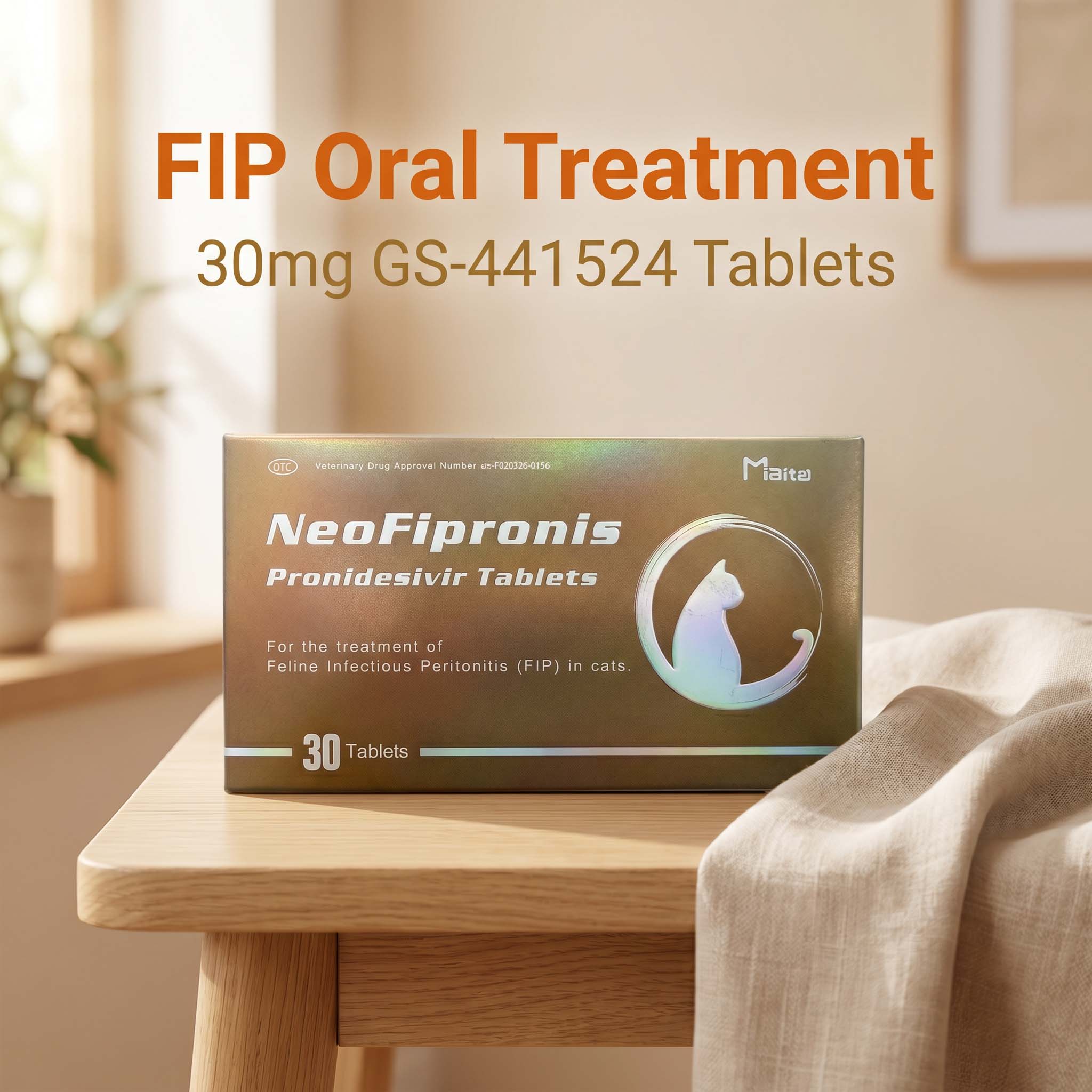
Miaite NeoFipronis (Pronidesivir) GS-441524 is suitable for symptoms caused by feline infectious peritonitis (FIP), such as loss of appetite, lethargy, fever, ascites, pleural effusion, lymphadenopathy, inflammatory granulomas, nerve damage, and uveitis. It has excellent therapeutic effects on FIP. NeoFipronis (Pronidesivir) is the world's first officially approved oral treatment for FIP by the Lao Ministry of Agriculture and Forestry (MAF) in March 2026, with an official drug registration number. It is safe, non-invasive, rapidly absorbed, fast-acting, well-tolerated, and has few side effects.
After antiviral treatment begins, many kittens show improvement within days to a few weeks. Appetite may return, fever may resolve, and energy levels often improve before other signs disappear. Fluid buildup can shrink gradually, while blood values and body condition recover over time. Some kittens need longer treatment if they have severe wet FIP, ocular involvement, or neurologic disease. Neurologic and eye cases may be harder to treat because the medication must reach protected tissues, but recovery is still possible with persistence and strict veterinary supervision. The key is to continue treatment for the full recommended course, even when the kitten seems normal.
Kittens recovering from FIP still need regular follow-up visits. Monitoring helps confirm that inflammation is resolving and that the virus is not returning. Veterinarians may repeat blood tests to check protein balance, red and white cell counts, liver enzymes, and other markers. Owners should watch for reduced appetite, renewed fever, breathing difficulty, a swollen abdomen, eye changes, or unsteady movement. These signs do not always mean relapse, but they should be reported quickly. A kitten that completes treatment and remains stable during follow-up has a much stronger chance of long-term recovery.
Home care can make a major difference during recovery. Kittens do best in a calm environment with easy access to food, water, litter, and a warm resting place. High-quality nutrition supports healing, and small frequent meals may help if appetite is weak. Stress should be minimized because stress can interfere with recovery in any sick cat. Owners should also avoid changing medications or doses without veterinary guidance, since FIP treatment often depends on precise dosing schedules. If the kitten has other illnesses, those conditions should be managed at the same time to reduce strain on the body.
Prevention is not always possible, but reducing coronavirus exposure and supporting kitten health may help lower risk. Clean litter boxes, good hygiene, low-stress housing, and prompt attention to illness are all useful. In multi-cat homes, crowding and poor sanitation can increase the spread of feline coronavirus, which is the virus that may later mutate into FIP in a susceptible kitten. Breeders and shelters should pay close attention to sanitation, stress reduction, and early veterinary care, especially for young cats in high-density settings.
The prognosis for kittens with FIP is no longer uniformly grim. While the disease remains serious, many kittens can recover when they receive the right antiviral treatment in time. Outcome depends on the form of FIP, how early therapy begins, whether the nervous system or eyes are involved, and how carefully treatment is followed. For owners asking whether kittens can recover from FIP, the most accurate answer is that recovery is increasingly possible, and fast veterinary action gives the best chance of success.
References
Addie, D. D., et al. Feline Infectious Peritonitis: ABCD Guidelines on Prevention and Management
Pedersen, N. C. An Update on Feline Infectious Peritonitis: Diagnostics and Therapeutics
Pedersen, N. C., et al. Efficacy of a 3C-Like Protease Inhibitor in the Treatment of Feline Infectious Peritonitis
Tasker, S. Feline Infectious Peritonitis: Recent Developments in Diagnostics and Treatment
Halter, K. E., et al. Clinical Features and Outcome of Cats Treated for Feline Infectious Peritonitis
Wong, K., and Tsai, Y. Feline Coronavirus and Feline Infectious Peritonitis in Cats
Jones, S., et al. Antiviral Therapy for Feline Infectious Peritonitis: Current Evidence and Practical Considerations
World Small Animal Veterinary Association. Feline Infectious Peritonitis: Clinical Review and Treatment Updates