
Pronidesivir (GS-441524) Indications, Precautions, and Contraindications
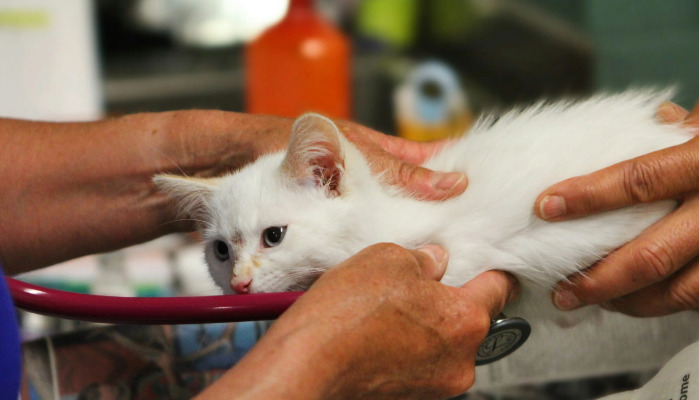
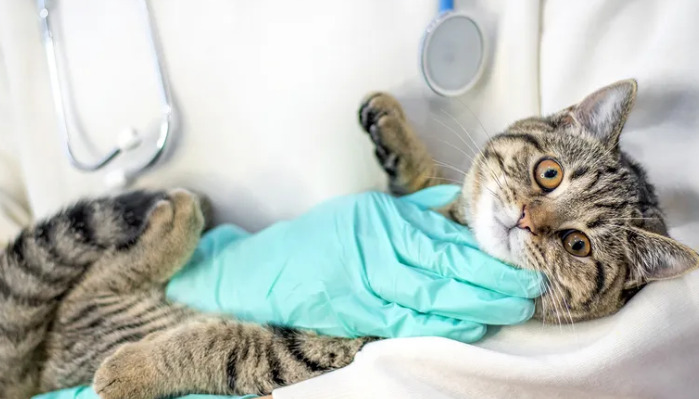
Pronidesivir (GS-441524) is a groundbreaking antiviral medication specifically designed for the treatment of Feline Infectious Peritonitis (FIP), a typically deadly disease caused by feline coronavirus. FIP presents with symptoms such as anorexia, lethargy, fever, ascites, pleural effusion, lymphadenopathy, granulomatous inflammation, neurological damage, and uveitis. With its proven efficacy, Pronidesivir offers hope for cats suffering from this challenging disease.
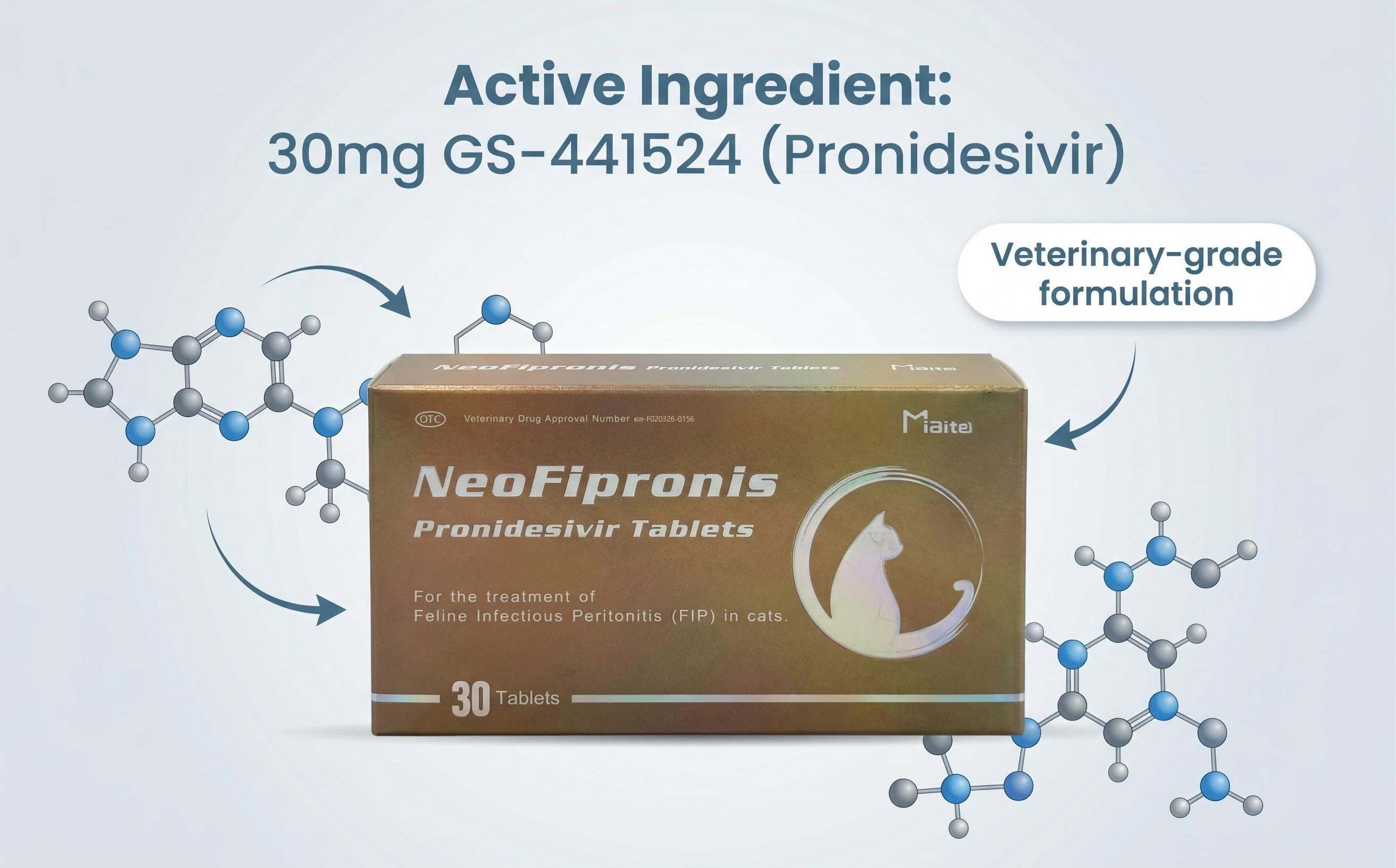
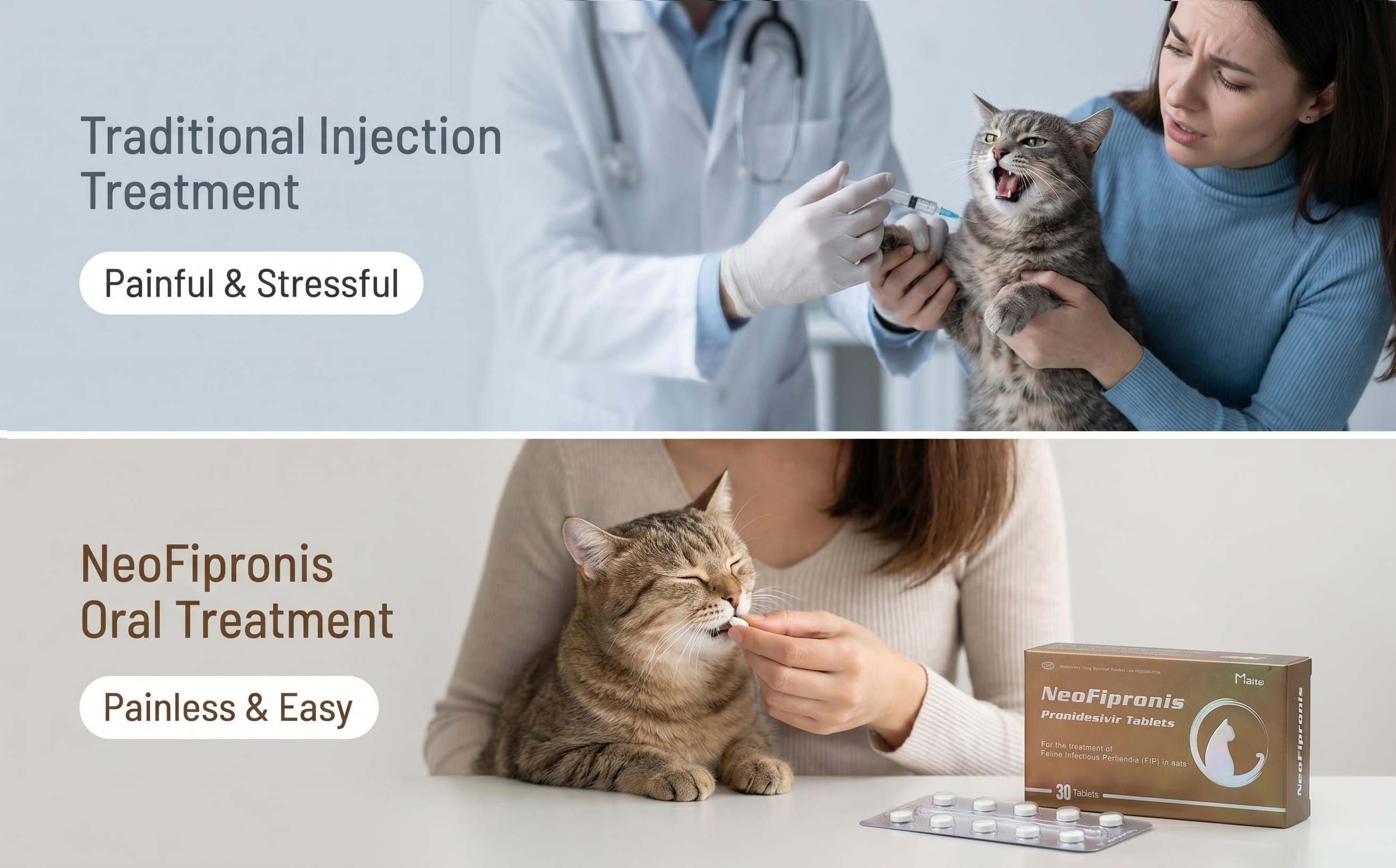
Pronidesivir, marketed as NeoFipronis, was officially approved in March 2026 by the Lao Department of Agriculture and Forestry (MAF), becoming the world's first FDA-registered oral treatment for FIP. The medication’s active ingredient, GS-441524, has undergone extensive research and clinical trials, demonstrating exceptional antiviral activities against feline coronavirus. Its rapid absorption, ease of administration, and favorable safety profile make it a preferred choice among veterinarians and pet owners alike.
Indications
NeoFipronis (Pronidesivir) is indicated for cats diagnosed with FIP, especially those exhibiting symptoms such as reduced appetite, fever, abdominal and thoracic effusion, enlarged lymph nodes, inflammatory granulomas, neurological impairments, or ocular inflammation like uveitis. It is suitable for both effusive and non-effusive forms of FIP, providing an effective antiviral response to curb viral replication and improve clinical outcomes.
Usage and Dosage
The recommended dosage is based on the cat's body weight, typically 15 mg per kilogram (half a tablet), taken once daily. For cats with neurological or ocular FIP, the dosage may be increased to 30 mg/kg under veterinarian supervision. It is safest to administer NeoFipronis on an empty stomach—either one hour before or two hours after feeding—to optimize absorption.
Treatment should continue for no less than 12 weeks without interruption to ensure complete viral clearance. Consistent dosing is critical; missed doses can compromise the therapy's effectiveness. During treatment, owners should monitor the cat’s appetite, temperature, and behavior closely, and regular blood tests should be conducted to assess liver and kidney functions.
Precautions
Although NeoFipronis is considered safe and well-tolerated, certain precautions should be observed. It is advisable to use the medication under veterinary guidance, especially for cats with pre-existing conditions or those receiving concurrent treatments. Owners should adhere strictly to the prescribed schedule and dosage to avoid resistance or adverse effects. It is also crucial to keep the medication out of reach of children and to purchase exclusively from the official NeoFipronis website to avoid counterfeit products.
Contraindications
NeoFipronis (Pronidesivir) is intended solely for feline use. It should not be administered to humans or other animals. Use is contraindicated in cats with known hypersensitivity to GS-441524 or any excipients in the formulation. Cats with severe hepatic or renal impairment should undergo thorough veterinary assessment before initiating therapy. Pregnant or lactating cats require veterinarian consultation prior to treatment.
Side Effects and Warnings
While most cats tolerate NeoFipronis well, mild side effects such as temporary lethargy, decreased appetite, or gastrointestinal upset might occur. Rarely, elevated liver enzymes or allergic reactions could be observed, emphasizing the importance of regular health monitoring. Discontinuing treatment prematurely can lead to viral rebound or resistant strains. Veterinary oversight is essential to ensure optimal treatment outcomes.
Final Note
Pronidesivir (GS-441524) — marketed as NeoFipronis — represents a major advancement in feline medicine, offering an effective, safe, and convenient option for combatting FIP. Pet owners should consult licensed veterinary professionals for diagnosis, dosage tailoring, and comprehensive care plans. Reliable sourcing from authorized platforms guarantees product quality and safety, supporting cats’ recovery and well-being.
Ensure responsible use of NeoFipronis (Pronidesivir) for your feline companions, and consult your veterinarian for personalized treatment plans.