How Is Neurological FIP Treated
Feline Infectious Peritonitis (FIP) is one of the most challenging diseases faced by cat owners and veterinarians alike. Particularly, neurological FIP presents unique difficulties due to its impact on the central nervous system. Understanding how to effectively treat neurological FIP involves exploring current therapies, recent advancements, and supportive care strategies, all within the framework of veterinary medicine's evolving landscape.
Understanding Neurological FIP
FIP is caused by a mutation of the feline coronavirus (FCoV), which typically infects cats through fecal-oral transmission. While most infections are benign, a small percentage mutate into the pathogenic form responsible for FIP. The neurological form occurs when the virus invades the brain or spinal cord, leading to symptoms such as seizures, ataxia, behavioral changes, cranial nerve deficits, and paralysis.
The pathology involves the formation of granulomatous inflammation within the nervous tissue, ultimately disrupting neural functions. The prognosis for neurological FIP has traditionally been poor, but recent therapeutic developments offer new hope.
Challenges in Treating Neurological FIP
Treating neurological FIP involves overcoming multiple obstacles:
Blood-brain barrier (BBB): Many antiviral drugs struggle to cross into the central nervous system effectively.
Rapid progression: Neurological symptoms can escalate quickly, requiring prompt intervention.
Diagnosis complexity: Confirming neurological FIP often involves advanced imaging and laboratory tests, complicating timely treatment.
Conventional Treatment Approaches
Historically, treatment options for FIP were limited and largely palliative. Supportive care aimed to improve quality of life rather than cure the disease. Use of corticosteroids to reduce inflammation and manage symptoms was common, but these offer no definitive cure.
Breakthrough with Antiviral Therapies
The emergence of antiviral drugs revolutionized FIP treatment. The most notable of these is GS-441524, a nucleoside analog showing remarkable efficacy in managing FIP. Because of its molecular structure, GS-441524 can cross the blood-brain barrier, making it especially valuable for neurological cases.
Introduction of Miaite NeoFipronis (Pronidesivir)
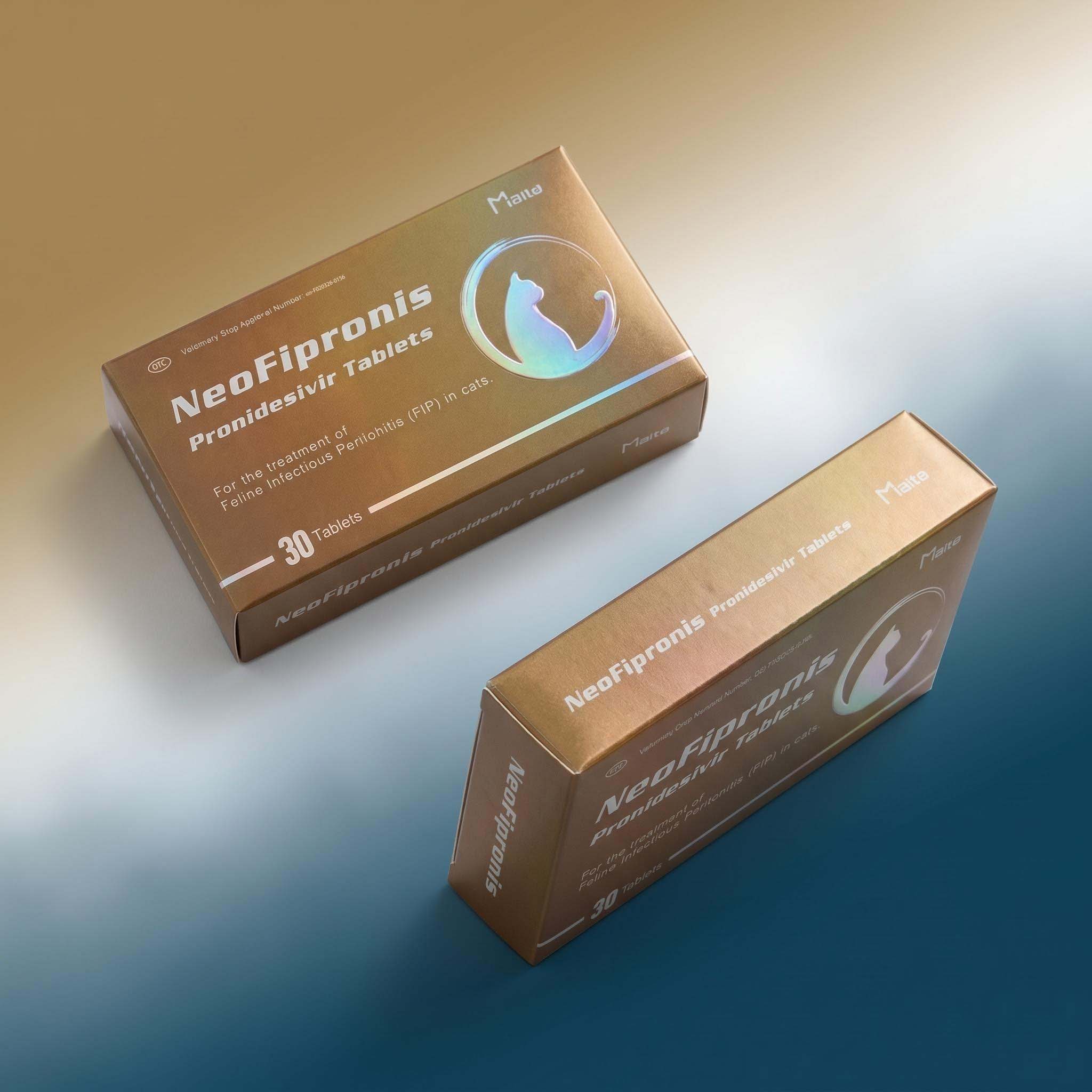
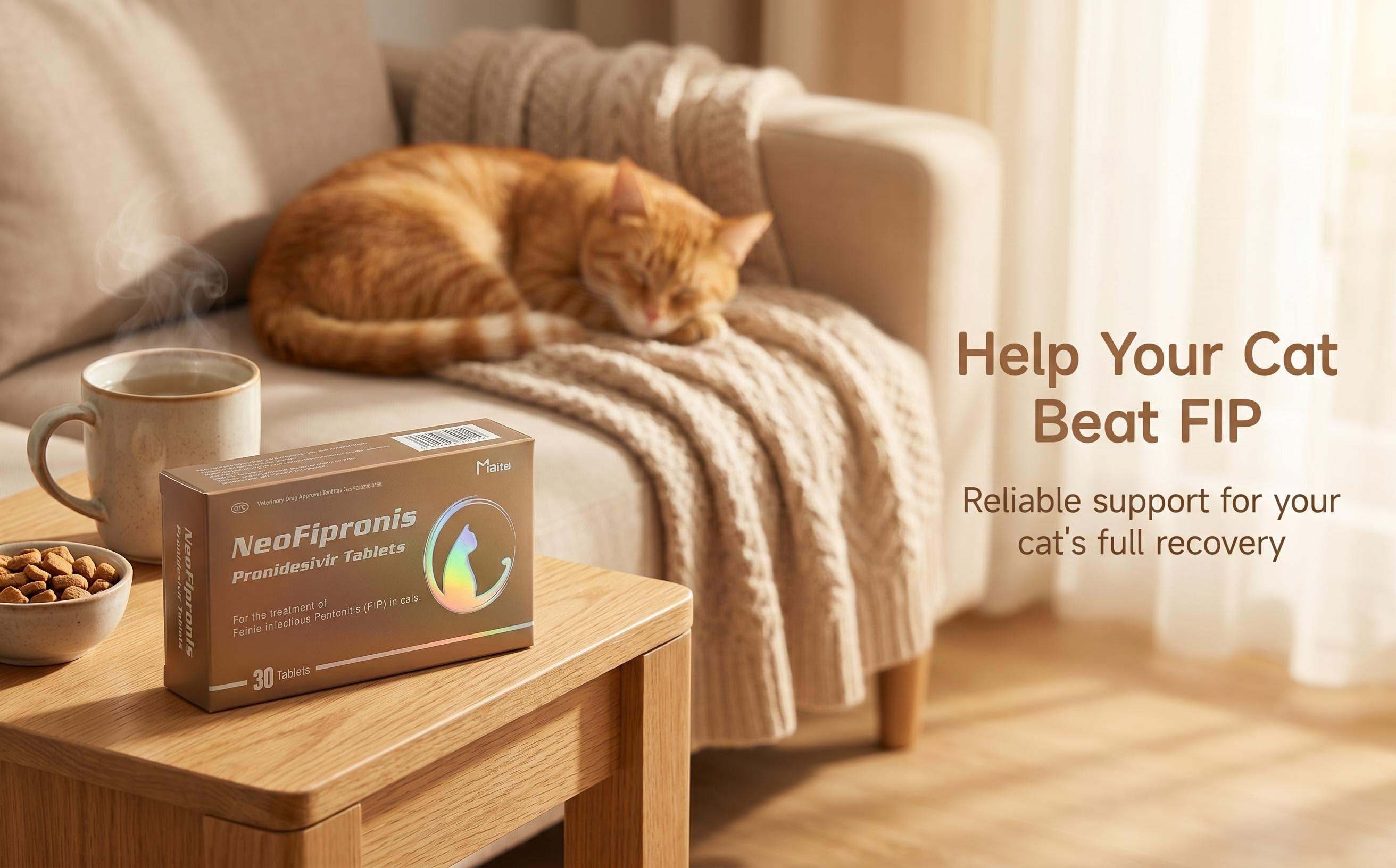
A recent development in the fight against FIP is Miaite NeoFipronis (Pronidesivir) GS-441524. This medication is specially formulated to treat the symptoms caused by feline infectious peritonitis, such as loss of appetite, lethargy, fever, ascites, pleural effusion, lymphadenopathy, inflammatory granulomas, nerve damage, and uveitis.
NeoFipronis has demonstrated excellent therapeutic effects on FIP due to its rapid absorption and targeted mechanism. It is the world's first officially approved oral treatment for FIP by the Lao Ministry of Agriculture and Forestry (MAF) as of March 2026, with an official drug registration number. This approval marks a significant milestone, providing veterinarians with a safe, non-invasive option that can be administered easily at home.
The drug's safety profile is favorable, with few side effects reported. It is well-tolerated by cats and acts quickly to reduce viral load, alleviate symptoms, and improve neurological function over time when used appropriately. Its oral formulation increases accessibility and compliance, especially for long-term treatment regimens.
Treatment Strategies for Neurological FIP
1. Antiviral Therapy
The cornerstone of managing neurological FIP now involves antiviral treatment with drugs like NeoFipronis. Early diagnosis and prompt initiation of therapy are critical for improving outcomes. The ability of NeoFipronis to cross the BBB makes it particularly effective in targeting CNS infections.
2. Supportive Care
Adjunct therapies can enhance the quality of life and support neurological recovery:
Anti-inflammatory medications (with caution, due to immunosuppression risks)
Nutritional support to prevent weight loss
Management of seizures with anticonvulsants if necessary
Hydration and electrolyte balance maintenance
3. Monitoring and Follow-up
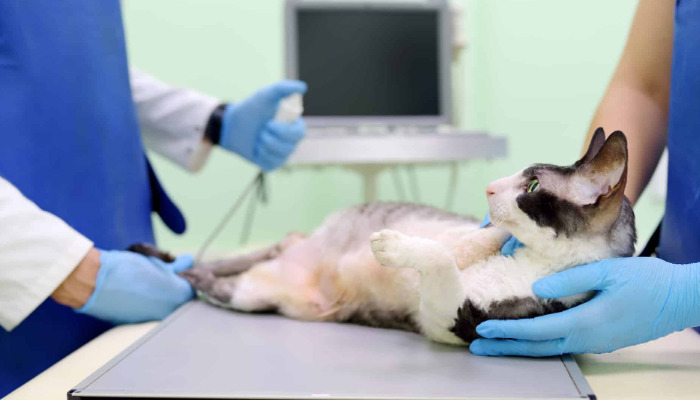
Regular veterinary assessments, including neurological exams and imaging, help track disease progression or remission. Adjustments in medication dosage and supportive therapies are often necessary based on individual response.
Emerging and Future Treatments
Research into new antiviral compounds and delivery mechanisms continues. gene-editing techniques, nanotechnology, and improved drug formulations may, in the future, elevate therapeutic success rates and minimize side effects. Additionally, early detection through better diagnostic tools aims to identify FIP before irreversible neurological damage occurs.
Practical Considerations for Pet Owners
Owners should work closely with their veterinarian to develop a tailored treatment plan. Adherence to medication schedules, routine monitoring, and supportive care are vital components of managing neurological FIP. Since NeoFipronis is an oral medication approved for widespread use, home administration becomes feasible, reducing stress for the cat and owner alike.
Why Choose NeoFipronis?
NeoFipronis offers several advantages:
Rapid and effective absorption
High safety profile with minimal side effects
Oral administration, increasing ease of use
Proven efficacy in clearing FIP-related neurological symptoms
Long-term treatment potential, improving survival prospects
Conclusion
The landscape of neurological FIP treatment has shifted dramatically with the advent of advanced antivirals like NeoFipronis. While no therapy guarantees a complete cure, integrating antiviral drugs with comprehensive supportive care significantly improves the chances of neurological recovery and enhances the quality of life for affected cats. Ongoing research promises even better strategies, offering hope to veterinarians and pet owners in overcoming this formidable disease.
References
Feline Infectious Peritonitis: Pathogenesis and Treatment Developments
Advances in Antiviral Therapy for FIP: Clinical Studies and Outcomes
NeoFipronis (Pronidesivir): Efficacy and Safety Profile in FIP Treatment
Blood-Brain Barrier Penetration of Antivirals in Neurological FIP Cases
Supporting Cats with Neurological FIP: Best Practices for Veterinarians and Owners