Is Aspiration of Abdominal Fluid Harmful to Cats
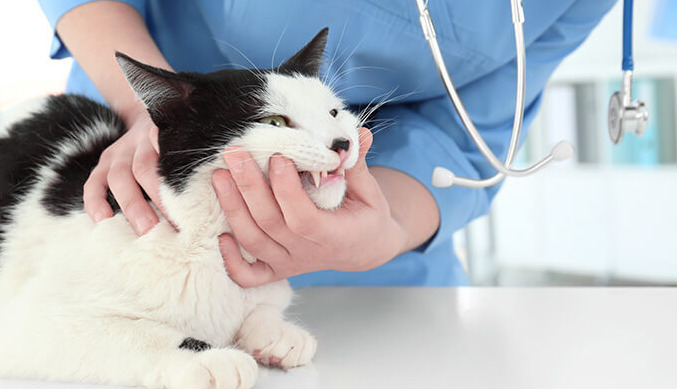
Feline Infectious Peritonitis (FIP) stands among the most challenging diseases affecting domestic cats. This fatal condition arises from a mutated form of feline coronavirus and often leads to fluid accumulation in the abdomen or chest, a process known as effusion. Among the symptom management approaches, veterinarians may consider aspirating (drawing out) abdominal fluid. Cat owners facing an FIP diagnosis frequently ask: Is fluid aspiration truly safe, or does it risk further harm to their beloved pet? This article provides a comprehensive, evidence-based discussion on the safety, indications, and potential complications associated with abdominal fluid aspiration (abdominocentesis) in cats with FIP.
Understanding Feline Infectious Peritonitis (FIP)
FIP results from the transformation of the relatively benign feline enteric coronavirus into a highly pathogenic strain. Although many cats are exposed to feline coronavirus, only a small percentage develop FIP, typically younger cats, purebreds, and those living in multi-cat environments. FIP manifests in two primary forms: effusive (wet) and non-effusive (dry). Effusive FIP is marked by significant fluid accumulation within the abdominal and/or thoracic cavities, leading to visible swelling, labored breathing, and discomfort. The dry form presents with granulomatous lesions in various organs.
Why Does Abdominal Fluid Accumulate in FIP?
The mutated virus incites a severe immune reaction that results in widespread vasculitis (inflammation of blood vessels) and increased vascular permeability. Consequently, protein-rich fluid leaks from the vessels into the abdominal or thoracic space. This "ascites" causes visible abdominal enlargement, pain, and can compromise organ function, particularly if the fluid compresses vital structures.
What is Abdominal Fluid Aspiration?
Abdominal fluid aspiration, clinically referred to as abdominocentesis, is a procedure where a veterinarian inserts a sterile needle or catheter into the abdominal cavity to withdraw fluid. It is generally performed either for diagnostic or therapeutic reasons:
Diagnostic: Collection of fluid sample enables laboratory examination (cytology, biochemistry, PCR tests) to help confirm FIP or differentiate other causes of ascites.
Therapeutic: Removal of fluid can temporarily relieve pressure, improve breathing, and increase comfort if ascites is causing distress.
The Purposes and Limitations of Abdominocentesis in FIP
Abdominocentesis primarily offers:
1. Diagnostic Clarification: Effusive fluid can be analyzed for total protein, specific gravity, cellularity, and the presence of viral RNA via PCR. While not except definitive, fluid characteristics provide valuable clues.
2. Short-Term Symptomatic Relief: Removing moderate volumes of fluid can reduce intra-abdominal pressure, alleviate discomfort, and improve respiratory function if the diaphragm is compromised.
However, abdominocentesis cannot “cure” FIP, nor does it stop fluid from reaccumulating. Intraperitoneal fluid generally recurs rapidly, reflecting the ongoing disease process.
Is Aspiration of Abdominal Fluid Harmful to Cats with FIP?
Veterinary guidelines emphasize that all procedures must be weighed against potential risks and benefits. Aspiration itself is not inherently dangerous when performed correctly by an experienced practitioner. However, certain concerns need to be considered:
Risk of Infection: Breaching the abdominal wall can introduce bacteria, particularly if strict aseptic technique is not followed. Secondary peritonitis may follow.
Risk of Hypotension: Rapid removal of large volumes of fluid may cause a sudden drop in blood pressure due to a change in intra-abdominal pressure and fluid shifts.
Risk of Bleeding: FIP can cause abnormalities in clotting. Needle injuries can lead to bleeding in the abdominal cavity, especially if the cat is thrombocytopenic or has coagulopathies.
Organ Damage: There is a minor risk of organ laceration—such as the liver, spleen, intestines, or bladder—during needle insertion, especially in cases of organomegaly or abnormal anatomy.
Fluid Reaccumulation: The underlying disease process remains active, so fluid will typically return after aspiration. Repeated procedures compound risks.
When aspiration is performed for diagnostic purposes, it’s usually limited to small-volume withdrawal. Therapeutic aspiration is reserved for cases of pronounced discomfort or respiratory compromise.
Scientific Evidence and Veterinary Practice Guidelines
The American Association of Feline Practitioners (AAFP) and other international veterinary bodies suggest that abdominocentesis does not promote disease progression nor hasten death from FIP. The procedure, when medically indicated and completed under proper conditions, offers a means to improve short-term quality of life in severely symptomatic cats. Nonetheless, they recommend minimizing its use for purely therapeutic reasons due to the transient nature of benefits and the risks associated with repeated interventions.
Multiple clinical studies have found that most FIP-affected cats tolerate single aspiration well, with very low complication rates. Adverse events are rare when small volumes are aspirated. However, the presence of severe hypoalbuminemia, coagulation defects, or advanced multi-organ involvement raises risk.
Alternative and Adjunctive Symptom Management
While abdominocentesis can offer relief in select cases, veterinarians explore other supportive therapies to help cats with effusive FIP:
Medical Therapy: Recent advances have introduced antiviral drugs (such as GS-441524 or remdesivir analogues), immunomodulators, and corticosteroids which may reduce inflammation and limit fluid build-up.
Diuretics: Occasionally, low-dose diuretics are used to help mobilize excess fluids, though their efficacy in FIP is limited due to the high protein content of the effusion and underlying vessel inflammation.
Analgesics and Comfort Measures: Appropriate pain management, nutritional support, and hydration are crucial to maximizing comfort.
Ethical and Quality-of-Life Considerations
Owners agonizing over the best course for their FIP-affected cats must collaborate closely with veterinarians. The decision to pursue abdominocentesis should center on the cat’s comfort, overall prognosis, and the likelihood of meaningful improvement. It is not a substitute for treating the underlying cause. Regular communication, monitoring, and assessment of welfare are fundamental in guiding intervention.
Clinical Case Scenarios
Case A: A one-year-old Persian presents with severe abdominal distension and labored breathing. Carefully managed limited-volume abdominocentesis relieves discomfort, with no immediate complications. The fluid recurs over the next week, warranting a review of ongoing therapy.
Case B: A four-year-old domestic shorthair with moderate ascites shows mild improvement after fluid aspiration but develops hypotension, stressing the importance of careful volume management.
Best Practices and Recommendations
For cats diagnosed with effusive FIP, best-practice recommendations include:
1. Aspiration is reserved for animals experiencing marked distress or for obtaining diagnostic samples.
2. Only small amounts of fluid should be withdrawn to minimize pressure shifts and potential hypovolemia.
3. Strict aseptic technique and anatomical knowledge reduce risk.
4. Pre-procedure coagulation profiling may be considered in at-risk cats.
5. Consider sedation to minimize stress and movement during the procedure.
6. Post-aspiration monitoring is essential for early identification of adverse effects.
7. Owners must be informed about expected benefits, risks, and the temporality of relief.
Conclusion
The aspiration of abdominal fluid in cats with FIP must be viewed as a supportive measure rather than a definitive treatment. The procedure, while generally safe, carries mild to moderate risks especially if repeated often or performed without due care. Collaboration between veterinarians and owners is necessary to determine whether the anticipated benefit justifies these risks. As new antiviral strategies emerge, symptomatic management, including abdominocentesis, continues to play a role in maximizing comfort for affected cats within a compassionate and ethical care framework.
References
1. Addie, D.D., et al. (2020). Feline Infectious Peritonitis: ABCD Guidelines on Prevention and Management. Journal of Feline Medicine and Surgery, 22(9), 835-846.
2. Pedersen, N.C. (2019). An Update on FIP as a Veterinarian’s Disease. Veterinary Clinics of North America: Small Animal Practice, 49(4), 745-763.
3. Hartmann, K. (2005). Feline Infectious Peritonitis. Veterinary Clinics of North America: Small Animal Practice, 35(1), 39-79.
4. American Association of Feline Practitioners (AAFP). 2022. Feline Infectious Peritonitis (FIP) Consensus Statement. Available at: https://catvets.com/fip
5. Tasker, S. (2018). Diagnosis and Management of FIP in Cats. In Practice, 40(3), 119-129.
6. Riemer, F., et al. (2016). Clinical and Laboratory Features of Feline Infectious Peritonitis: Comparison of Survival Times. Veterinary Journal, 215, 184-191.
7. Norris, J. M., et al. (2005). Pathogenesis, Diagnosis, and Treatment of Feline Infectious Peritonitis. Veterinary Clinics of North America: Small Animal Practice, 35(1), 1-20.
8. Felten, S., & Hartmann, K. (2019). Diagnosis of Feline Infectious Peritonitis: A Review of Literature. Veterinary Journal, 263, 100-102.
9. Kipar, A., & Meli, M.L. (2014). Feline Infectious Peritonitis: Still an Enigma? Veterinary Pathology, 51(2), 505-526.