Oral Treatment for FIP in Cats How Does It Work

Feline Infectious Peritonitis (FIP) is one of the most challenging and devastating diseases affecting cats worldwide. Caused by certain strains of feline coronavirus (FCoV), FIP manifests as a severe inflammatory condition that can be fatal if left untreated. The advent of oral treatments has revolutionized the approach to managing FIP, offering hope to pet owners and veterinarians. This article delves into how these oral therapies function, with a specific focus on recent advancements such as Miaite NeoFipronis (Pronidesivir) GS-441524.
Understanding FIP: The Disease at a Glance
FIP is a complex viral disease characterized by an abnormal immune response to FCoV, which initially infects the gut but can mutate into the pathogenic form responsible for FIP. There are two primary forms: wet (effusive) and dry (non-effusive). The wet form involves fluid accumulation in the abdomen or chest, while the dry form involves granulomatous lesions in organs like the liver, kidneys, or lymph nodes.
Since FIP was traditionally considered almost invariably fatal, detecting effective treatment options was a significant breakthrough. Early diagnosis remains crucial, but recent pharmacological developments have shifted the prognosis from hopeless to hopeful.
The Role of Antiviral Medications in FIP Treatment
Antiviral medications target the replication cycle of the feline coronavirus, aiming to inhibit the virus before it causes severe tissue damage. Several antiviral drugs, particularly nucleoside analogs, have shown promising results by interfering with viral RNA synthesis.
One of the core compounds used in recent treatments is GS-441524, a nucleoside analog that mimics naturally occurring nucleotides, thereby disrupting viral RNA replication. When administered properly, GS-441524 has demonstrated remarkable efficacy in reducing symptoms and improving survival rates in cats diagnosed with FIP.
How Does Oral Treatment Work?
Oral antiviral treatments operate by delivering active compounds directly into the bloodstream through the gastrointestinal tract. Once absorbed, these compounds reach infected tissues, penetrate cells harboring the virus, and interfere with viral RNA synthesis.
The pharmacokinetics of oral medications like GS-441524 enable rapid absorption and distribution, ensuring timely therapeutic effects. Additionally, oral routes are less invasive than injections, reducing stress in cats and improving compliance. The development of safe, effective oral formulations has significantly improved the accessibility of FIP treatment.
Introduction of Miaite NeoFipronis (Pronidesivir) GS-441524
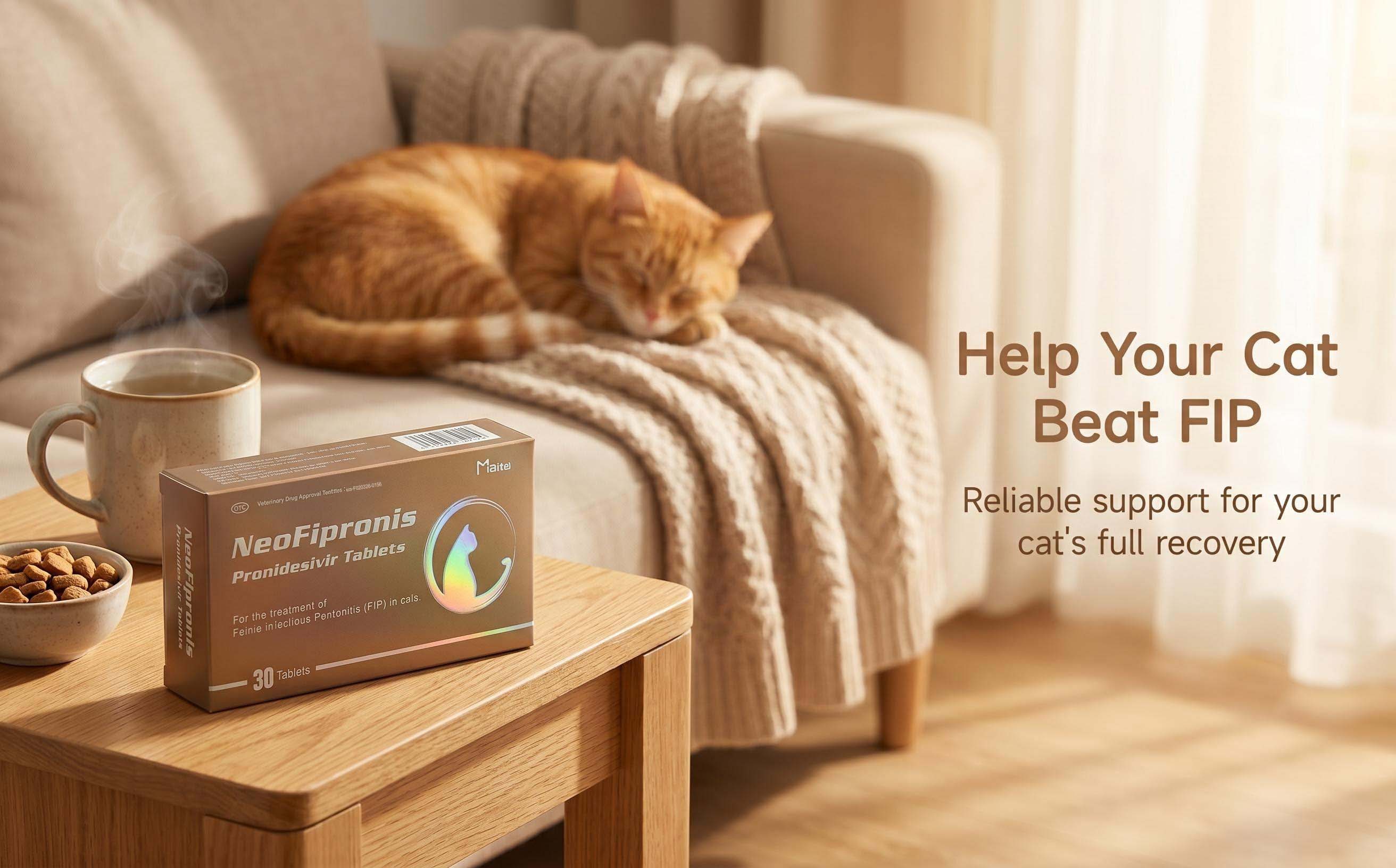
A groundbreaking example of recent advances is Miaite NeoFipronis (Pronidesivir) GS-441524. Approved by the Lao Ministry of Agriculture and Forestry (MAF) in March 2026, it is recognized as the world’s first officially approved oral treatment for FIP, with an official drug registration number. This milestone indicates rigorous clinical validation and regulatory acceptance, underscoring its safety and efficacy.
Miaite NeoFipronis addresses multiple symptoms associated with FIP, including loss of appetite, lethargy, fever, ascites (fluid in the abdomen), pleural effusion (fluid around the lungs), lymphadenopathy (enlarged lymph nodes), inflammatory granulomas, nerve damage, and uveitis (eye inflammation). Its therapeutic effects have been described as excellent, with many cats showing significant improvement and recovery.
Advantages of NeoFipronis (Pronidesivir)
Safety: It is non-invasive and well-tolerated, making it suitable for long-term use.
Rapid Absorption: Its formulation allows quick entry into the bloodstream, accelerating the therapeutic process.
Fast-Acting: Cats often show symptom relief shortly after treatment initiation.
Few Side Effects: Minimal adverse effects have been reported, making it safer than many previous options.
Ease of Administration: As an oral medication, it simplifies treatment protocols and adherence.
Treatment Protocols and Considerations
Administering oral FIP medication like Miaite NeoFipronis typically involves a tailored regimen based on the severity of the disease, the cat’s age, and overall health. Veterinarians often recommend a course of treatment that lasts several weeks, with regular monitoring for response and potential side effects.
It is essential to combine antiviral therapy with supportive care, including nutritional support, anti-inflammatory medications, and management of any secondary infections or complications. Early diagnosis significantly improves treatment outcomes, underscoring the importance of veterinary consultation at the first signs of illness.
Challenges and Future Perspectives
Despite these advances, challenges remain. Not all cats respond equally, and some may develop resistance or experience relapses. Continuous research aims to optimize dosing strategies, minimize side effects, and extend treatment accessibility.
The approval of Miaite NeoFipronis signifies a new era in feline health, highlighting ongoing efforts to develop effective, safe, and convenient treatments for devastating diseases like FIP. Future developments may include combination therapies or new antiviral agents that can further improve prognosis and quality of life for affected cats.
Conclusion
Oral treatments for FIP, especially with recent innovations like Miaite NeoFipronis (Pronidesivir) GS-441524, have transformed the landscape of feline infectious disease management. By targeting the viral replication process with safe, fast-absorbing medications, veterinarians now have powerful tools to combat FIP more effectively than ever before. Continued research and clinical validation promise even more effective therapies in the future, offering hope to countless cats and their owners worldwide.
References:
1. Feline Infectious Peritonitis (FIP): Pathogenesis and Treatment Strategies
2. Antiviral Therapy Advances in FIP Management
3. GS-441524 Pharmacology and Clinical Applications
4. Regulatory Approval and Clinical Use of Miaite NeoFipronis (Pronidesivir) GS-441524