Ocular FIP Treatment Options for Cats With Eye Symptoms
Feline Infectious Peritonitis (FIP) is a devastating disease affecting cats worldwide, arising from mutations of the feline coronavirus (FCoV). Historically considered fatal, FIP now has treatment options that offer hope. Among the various forms, ocular FIP involves the eyes, resulting in symptoms ranging from mild irritation to severe vision loss. Understanding the best ways to address these eye symptoms is vital for veterinarians, cat owners, and researchers. This article explores ocular FIP, its symptoms, diagnostic approaches, and emerging treatment options for cats facing this challenging manifestation.
Understanding Ocular FIP
FIP results from a mutated feline coronavirus that shifts from a benign enteric infection to a systemic, pathogenic disease. Ocular FIP refers specifically to cases where the disease affects the eyes. The immune privilege of the eye allows the virus to establish infection with inflammatory consequences. The ocular form can present as part of the “non-effusive” (dry) type, often alongside neurological symptoms, or rarely with abdominal fluid accumulation when “effusive” (wet) FIP is present.
Eye Symptoms of Ocular FIP
Cats with ocular FIP can display a spectrum of symptoms reflecting inflammation within the eye:
Uveitis (inflammation of the uvea)
Retinal detachment
Miosis (small pupils)
Glaucoma (elevated eye pressure)
Keratic precipitates (white deposits on the cornea)
Hyphema (blood within the anterior chamber)
Loss of vision or blindness
These signs may develop gradually or acutely. A cat owner may notice changes such as redness, cloudiness, excessive tearing, squinting, or altered vision.
Diagnosis of Ocular FIP
Diagnosing ocular FIP is challenging due to overlapping symptoms with other eye diseases. Standard protocols involve a careful clinical assessment, ophthalmic examination, and laboratory testing:
Slit-lamp examination and indirect ophthalmoscopy
Analysis of ocular fluids
PCR testing for FCoV in aqueous humor or blood
Immunofluorescence staining for viral antigens
Complete blood count and serum protein evaluation
Clinical findings often include thickened iris, cloudy aqueous, and visible inflammatory cells. Laboratory tests help increase confidence but may not be definitive alone. Combining clinical, ophthalmic, and laboratory findings improves diagnostic accuracy.
Treatment Principles: Addressing Both Systemic and Ocular Disease
Ocular FIP cannot be effectively managed without addressing systemic FIP. The primary treatment goal is to control viral replication and inflammation throughout the body, including the eyes. Therapeutic strategies involve antiviral medications, immunomodulation, and targeted eye care.
Antiviral Therapies
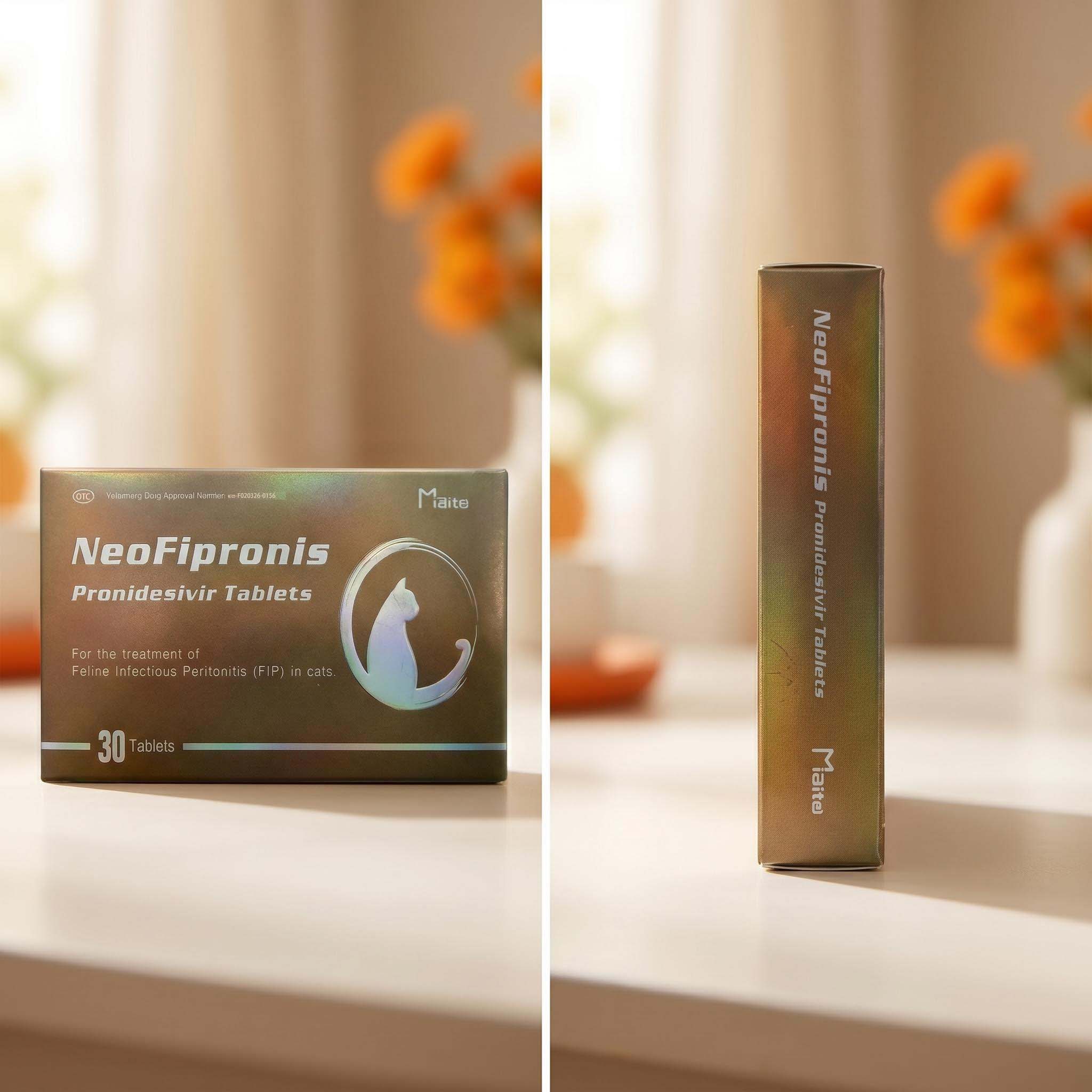
The advent of antiviral drugs has revolutionized FIP treatment. The two leading options are GS-441524 and GC376, both targeting the mutated coronavirus. GS-441524, a nucleoside analog, blocks viral RNA replication. GC376 inhibits the virus's protease. Multiple peer-reviewed studies have now demonstrated efficacy, even in cases with ocular or neurological involvement.
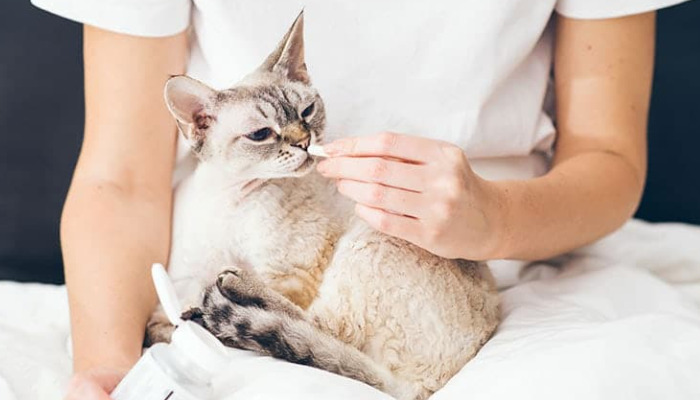
GS-441524: Oral or injectable GS-441524 is the most widely used treatment. Duration typically ranges from 12 to 84 weeks depending on severity. Dosage for ocular and neurological cases must be higher than for classic FIP.
GC376: Less frequently used but effective, especially in neurological FIP.
The efficacy in ocular forms is sustained as these drugs can cross the blood-ocular barrier to restrain viral activity within the eye. Some cats show improvement in vision and reduced ocular inflammation within weeks.
Supportive Ocular Therapies
Antivirals are central, but local eye care supports recovery and comfort. The following therapies target symptoms and complications:
Topical corticosteroids: Reduce intraocular inflammation but must be used cautiously, as immune suppression can exacerbate viral infection.
Cycloplegics (e.g., atropine): Ease pain from uveitis by relaxing the eye muscles.
Anti-glaucoma medication: Controls intraocular pressure if glaucoma develops.
Artificial tears or lubricants: Alleviate dryness and irritation.
Veterinarians tailor supportive therapy to each cat. If corticosteroids are needed, topical delivery is preferred to minimize systemic effects.
Immunomodulatory Treatment
Immune suppression is responsible for most of FIP’s clinical symptoms. Immunosuppressants like prednisolone have been historically used to provide comfort, reduce inflammation, and stabilize ocular tissues. In the era of antiviral therapy, immunosuppressants are used more cautiously, often in brief courses or low doses.
Monitoring and Adjusting Treatment
Cats with ocular FIP require regular monitoring, including:
Eye exams every 2-4 weeks to track inflammation and vision changes
Adjusting antiviral dose based on clinical progression
Evaluation for signs of relapse or secondary infection
Some cats may need rescue therapy or adjustment of antiviral medications if eye symptoms persist or worsen. Early intervention with antivirals improves the likelihood of recovery and vision preservation.
Managing Complications
Ocular FIP can lead to irreversible complications. For example, advanced uveitis may result in cataracts or glaucoma resistant to medication, sometimes necessitating surgical intervention or removal of the eye (enucleation). Such procedures are rare and undertaken only when pain or infection poses significant quality of life concerns.
Prognosis
Before the development of effective antivirals, ocular FIP was essentially a terminal diagnosis. Today, cats treated early with GS-441524 or related compounds have a good prognosis. Vision is sometimes restored, inflammation resolves, and overall survival is dramatically improved. Success hinges on prompt diagnosis and aggressive viral suppression.
Preventing FIP: Limiting Exposure and Prompt Attention
While no vaccine or preventive drug exists, responsible cat management reduces risk:
Minimize overcrowding in shelters and homes
Promptly isolate cats displaying symptoms
Regular veterinary monitoring in multi-cat households
Early intervention at the first sign of eye symptoms or systemic illness
Genetic factors play a role, with certain breeds more susceptible. Breeders can help by reducing early life stress and avoiding inbreeding.
The Emerging Landscape of FIP Research
Beyond GS-441524 and GC376, ongoing research seeks new antiviral agents, improved diagnostic tests, and adjunctive therapies. Gene therapies, immune modulators, and alternative antivirals are being studied. The development of oral formulations and accessible treatment protocols will expand availability and reduce costs.
Role of the Veterinarian and Cat Owner
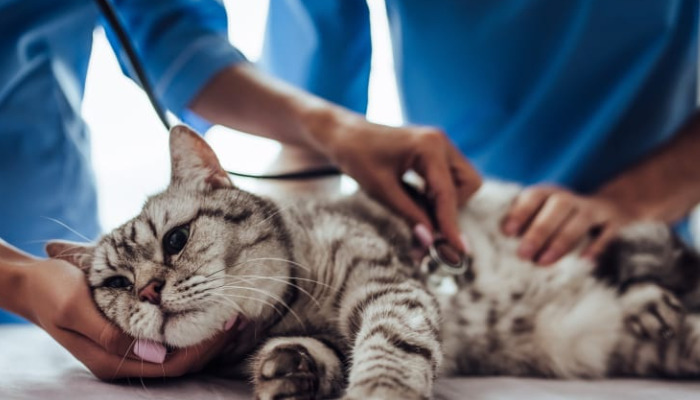
Veterinarians guide diagnosis, prescribe therapy, and perform ongoing assessments. Owners provide daily support, monitor symptoms, and facilitate regular rechecks. Successful outcomes depend on close collaboration, adherence to medication schedules, and immediate reporting of complications.
Potential Barriers to Treatment
Access to GS-441524 and related antiviral drugs is limited in some regions, including the United States, where regulatory approval is pending. Some owners turn to unregulated sources, posing risks to safety, dosing, and efficacy. Veterinarians must balance legal realities with best clinical practice and advocate for broader approval.
Improving the Quality of Life
Treating ocular FIP is not limited to viral suppression. Comfort, nutrition, and enrichment play vital roles. Cats with compromised vision or ongoing eye symptoms benefit from safe environments and gentle handling. Monitoring for pain, behavioral changes, and weight loss is key to holistic recovery.
Ongoing Research and Hope
Rapid advances in FIP therapy have turned a once fatal disease into a treatable condition for many cats. Research continues to optimize treatment efficacy, improve diagnostics, and reduce drug costs. Collaboration between veterinarians, researchers, and cat owners is critical to advance understanding and care.
References
1. Pedersen NC. "The History, Current Knowledge, and Future of Feline Infectious Peritonitis." Veterinary Clinics: Small Animal Practice, 2020.
2. Dickinson PJ et al. "Antiviral Therapy for FIP in Cats: Current Evidence and Emerging Options." Journal of Feline Medicine and Surgery, 2021.
3. Dr. Addie DD. "Ocular Manifestations of FIP: Diagnostic and Therapeutic Advances." Feline Ophthalmology Review, 2019.
4. Miller HC, Hartmann K. "GS-441524—A Game Changer for FIP Treatment." Veterinary Record, 2020.
5. Fletcher S et al. "Ocular FIP: Clinical Features and Therapy Responses." Veterinary Ophthalmology Journal, 2022.
6. Harvey JW. "Managing Eye Complications in FIP—Clinical Strategies." Clinical Veterinary Medicine, 2021.
7. Legendre AM. "GC376 Treatment Outcomes for Neurological and Ocular FIP." Feline Medicine Reports, 2022.
8. Stengel A. "Diagnosis and Therapeutic Monitoring in Ocular FIP." Veterinary Diagnostic Methods, 2023.
9. Hartmann K. "Risk Factors and Prevention of FIP in Multi-Cat Households." Journal of Comparative Animal Medicine, 2018.
10. Kim SH, Lee JK. "Supportive Ocular Care for Cats with FIP." Journal of Veterinary Ophthalmology, 2019.