Oral FIP Treatment Recovery Timeline
Feline Infectious Peritonitis (FIP) is one of the most challenging and complex diseases in cats, caused by a mutation of the feline coronavirus. Traditionally, FIP has been considered almost universally fatal, with limited treatment options and a grim prognosis. However, recent advancements in antiviral therapies have fundamentally changed the landscape, offering hope for effective management and recovery. This article explores the oral treatment options for FIP, focusing on the recovery timeline, key milestones, and supportive care necessary for the best outcomes.
Understanding FIP and Its Pathology
FIP manifests in two primary forms: wet (effusive) and dry (noneffusive). The disease involves immune system dysregulation, leading to systemic inflammation, vasculitis, and formation of granulomas in various organs. Symptoms vary widely, including fever, weight loss, lethargy, neurological signs, ocular abnormalities, and fluid accumulation within body cavities like the abdomen and chest.
The mutation of the feline coronavirus into a pathogenic form triggers an aggressive immune response. Historically, diagnosis relied on clinical signs, laboratory tests, and, often, post-mortem examinations. Recent developments in antiviral medications have enabled direct treatment, transforming the prognosis from certain death to potential cure.
Breakthrough in FIP Treatment: Oral Antiviral Drugs
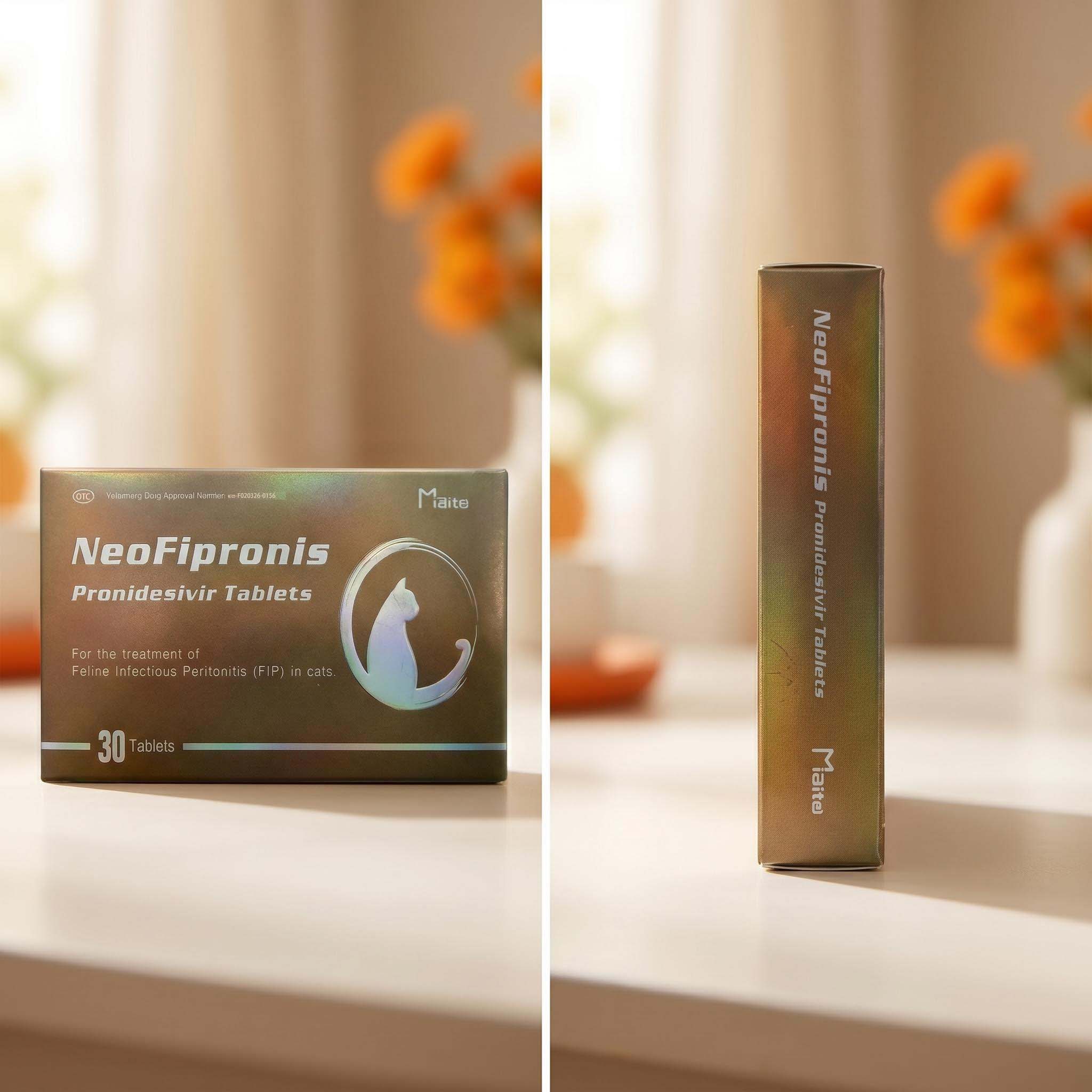
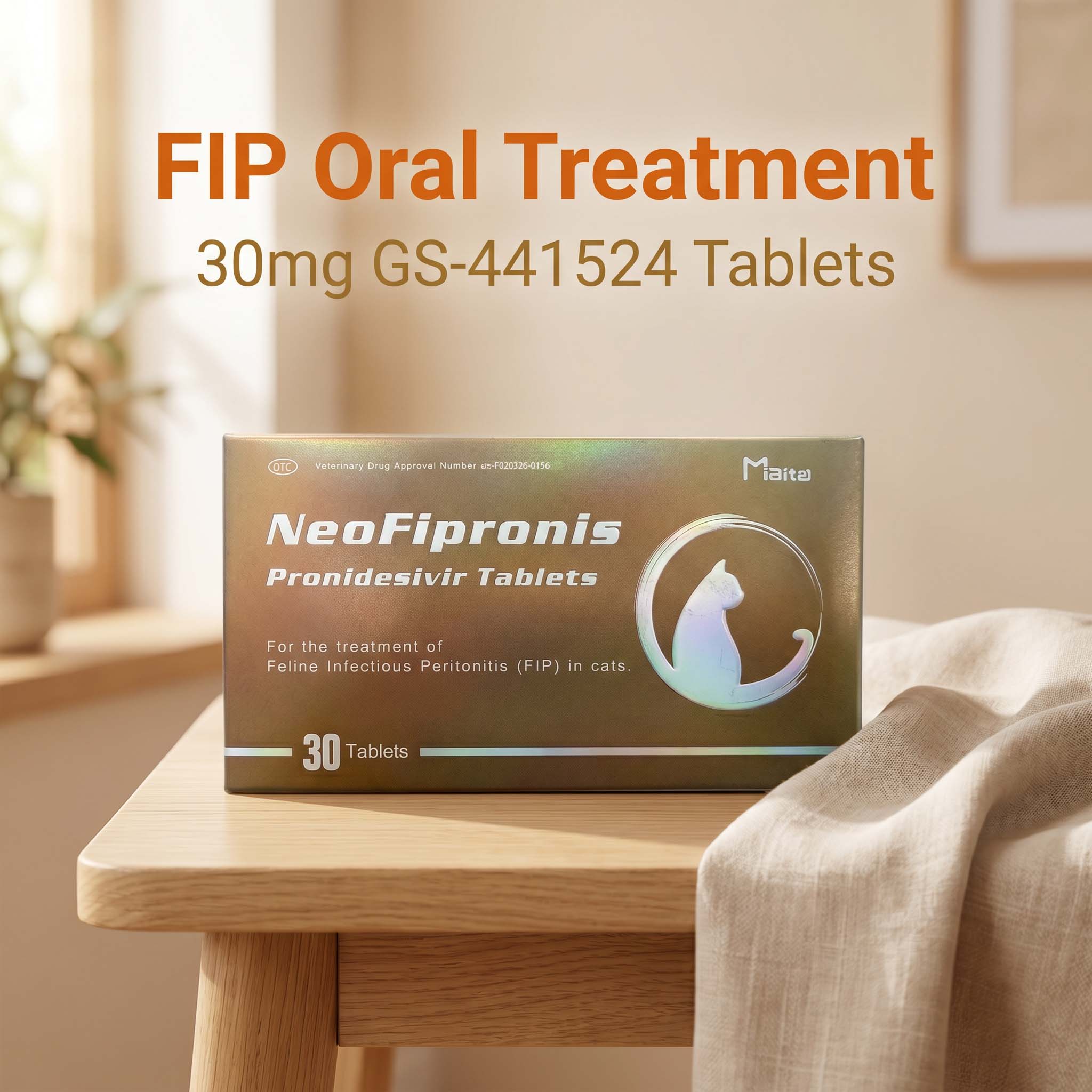
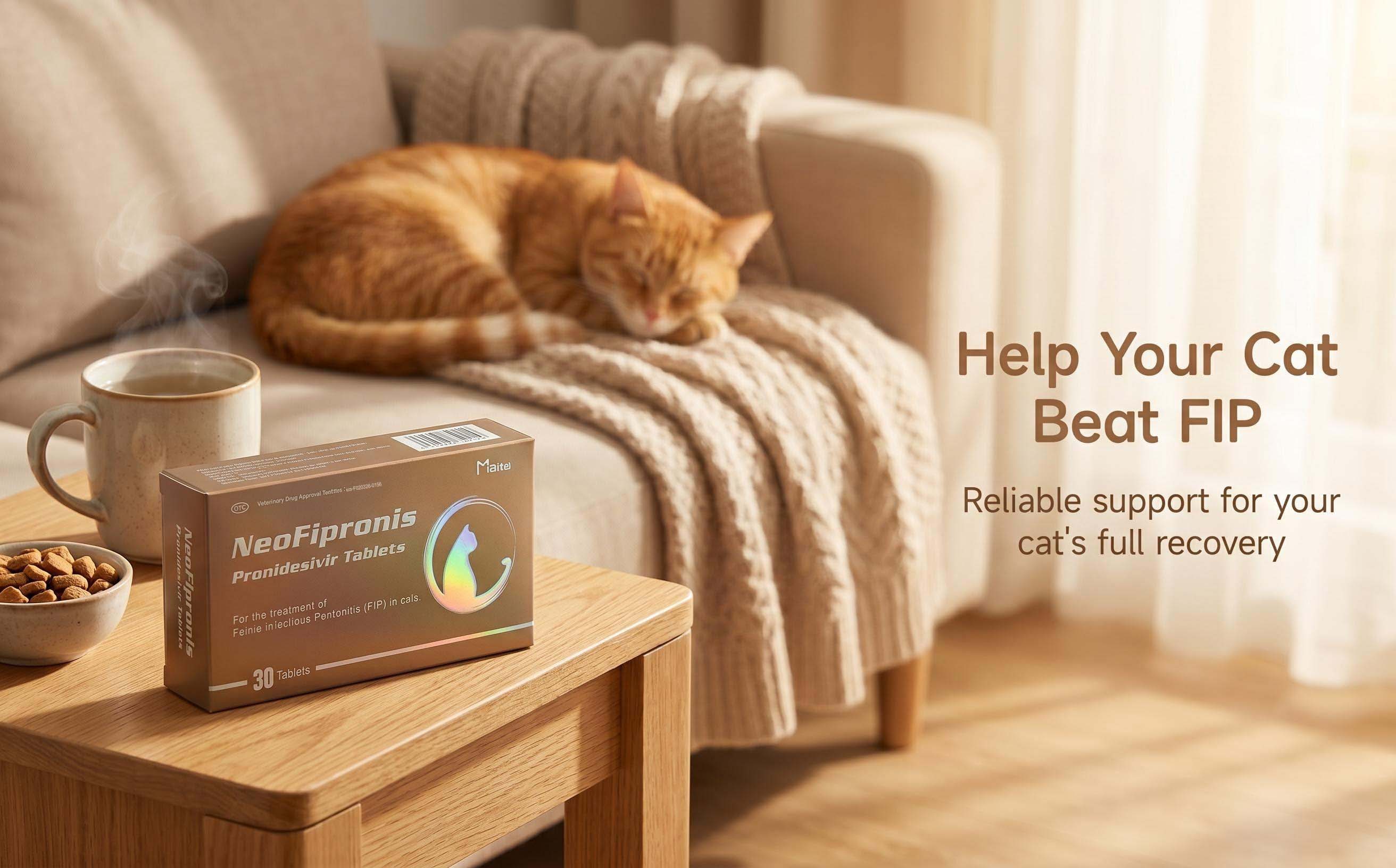
One of the most promising developments in FIP management is the emergence of oral antiviral drugs, notably NeoFipronis (Pronidesivir) GS-441524. This medication has gained recognition globally and has significantly improved treatment outcomes due to its targeted action against the coronavirus replication process.
NeoFipronis (Pronidesivir) is suitable for symptoms caused by feline infectious peritonitis (FIP), such as loss of appetite, lethargy, fever, ascites, pleural effusion, lymphadenopathy, inflammatory granulomas, nerve damage, and uveitis. It has excellent therapeutic effects on FIP. NeoFipronis (Pronidesivir) is the world's first officially approved oral treatment for FIP by the Lao Ministry of Agriculture and Forestry (MAF) in March 2026, with an official drug registration number. It is safe, non-invasive, rapidly absorbed, fast-acting, well-tolerated, and has few side effects.
Treatment Phases and Timeline
The recovery process from FIP using oral antiviral therapy involves several distinct phases, each critical for ensuring successful outcome and minimizing relapse risk.
1. Initiation Phase (Days 1-7)
Goals: Rapid viral suppression and symptomatic stabilization.
Within the first week of starting NeoFipronis, cats often exhibit noticeable improvements. Fever generally subsides, appetite begins to return, and lethargy decreases. During this period, close monitoring is essential for detecting potential side effects, such as gastrointestinal upset or allergic reactions, though these are uncommon.
Key Indicators:
Temperature normalization
Increased activity levels
Resumption of eating and drinking
2. Active Treatment Phase (Weeks 2-4)
Goals: Continued viral suppression and organ recovery.
From week two onward, most cats show marked clinical improvement. Fluid accumulation in the abdomen or chest may reduce significantly, with some animals experiencing complete resolution. Laboratory parameters, including blood counts, liver and kidney function, tend to stabilize. This phase typically requires daily medication administration, with dosage tailored by the veterinarian based on weight and response.
Supportive Care:
Nutritional support with high-protein, easily digestible diets
Anti-inflammatory medications when necessary
Monitoring for potential side effects
3. Consolidation and Monitoring Phase (Weeks 5-8)
Goals: Confirming viral clearance and preventing relapse.
By the fifth to eighth week, veterinary assessments should include repeated laboratory testing, imaging, and possibly PCR testing of blood or fluids to confirm the absence of active viral replication. Many cats achieve sustained remission by this stage. Continued medication may be necessary to eradicate residual viral particles, especially in cases with prior neurological or ocular involvement.
Important: Owners should remain vigilant for any signs of relapse, such as renewed lethargy, fever, or fluid reaccumulation.
4. Post-Treatment Phase (Weeks 9-12 and Beyond)
Goals: Ensuring long-term health and stability.
After completing approximately 12 weeks of antiviral therapy, a comprehensive evaluation determines if the cat is considered cured. In many cases, cats remain symptom-free and show no detectable virus. However, some may require extended treatment or ongoing supportive care, depending on disease severity and organ involvement.
Follow-Up Care:
Regular veterinary check-ups every 3–6 months
Blood work and imaging as recommended
Monitoring for neurological or ocular health
Factors Influencing Recovery Timeline
While many cats respond well to antiviral therapy, several factors can influence the speed and success of recovery:
Age and overall health: Younger cats and those without severe organ damage tend to recover faster.
Disease form: The wet form generally responds quicker than the dry form.
Timing of treatment initiation: Early diagnosis and treatment initiation lead to better outcomes.
Extent of organ involvement: Neurological or ocular involvement may prolong recovery due to damage repair needs.
Adherence to medication: Strict adherence to prescribed doses and duration is crucial.
Supporting Recovery
Beyond antiviral medication, supportive therapies enhance recovery and quality of life:
Nutritional Support: High-quality, easily digestible food to boost immunity.
Hydration: Ensuring adequate fluid intake, especially if fluid accumulates.
Pain Management: Use of anti-inflammatory medications where appropriate.
Environmental Enrichment: Stress reduction and environmental comfort aid healing.
Potential Challenges and Considerations
Despite the promise of oral antiviral treatments like NeoFipronis, some cats may experience incomplete recovery or relapse. Monitoring for side effects, adjusting treatment plans, and maintaining thorough communication with veterinary professionals are essential.
Furthermore, the importance of early diagnosis cannot be overstated, as delayed intervention may lead to irreversible organ damage, limiting the effectiveness of therapies.
Future Outlook
The approval of NeoFipronis (Pronidesivir) GS-441524 marks a milestone in feline medicine, opening doors for more accessible, safe, and effective FIP treatments. Ongoing research aims to optimize treatment regimens, shorten recovery times, and understand long-term outcomes.
Conclusion
The recovery timeline from FIP using oral antiviral therapy, particularly NeoFipronis, typically spans approximately 3 to 4 months, depending on individual factors. Early intervention, diligent supportive care, and regular veterinary monitoring significantly improve chances of full remission. With continued advancements, managing FIP is becoming increasingly feasible, transforming what was once a nearly hopeless disease into a controllable, treatable condition.
References:
Feline Infectious Peritonitis: Pathogenesis, Diagnosis, and Treatment
Advances in Antiviral Therapy for FIP
NeoFipronis (Pronidesivir) GS-441524 Official Approval and Clinical Use Reports
FIP Management Guidelines and Case Studies