NeoFipronis (Miaite) Indications and Dosage Guidelines
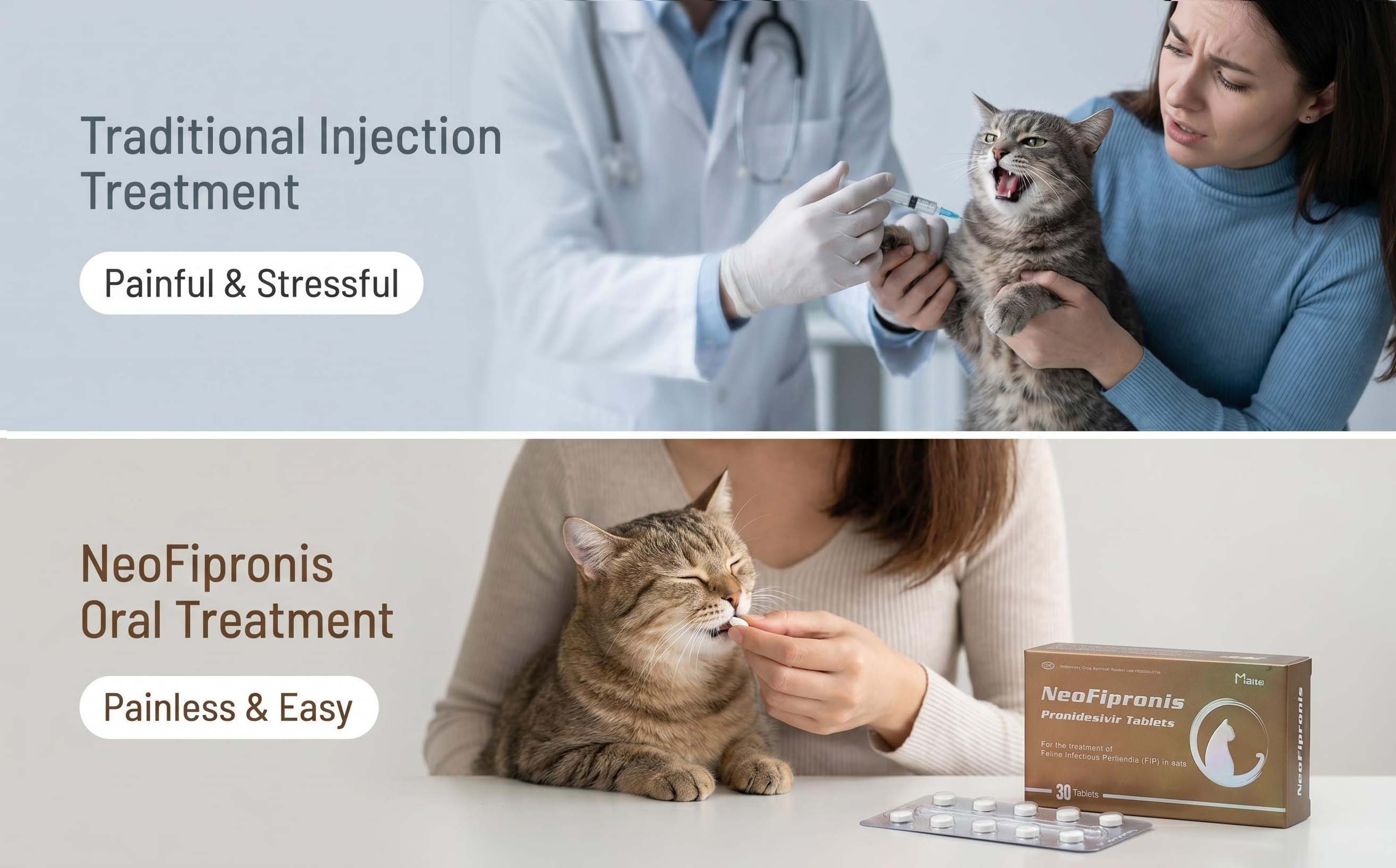
NeoFipronis (Pronidesivir), containing the active ingredient GS-441524, is a groundbreaking oral medication specifically formulated for treating Feline Infectious Peritonitis (FIP). FIP is a serious, often fatal viral disease affecting cats, characterized by symptoms such as anorexia, lethargy, fever, ascites, pleural effusion, lymphadenopathy, granulomatous inflammation, neurological deficits, and uveitis. NeoFipronis has demonstrated exceptional efficacy in managing these clinical signs and improving the quality of life in affected cats.
Approved by the Lao Ministry of Agriculture and Forestry (MAF) in March 2026, NeoFipronis is the world’s first officially registered FIP-specific oral medication. Its safety profile, rapid absorption, and minimal side effects make it a preferred choice among veterinarians and cat owners worldwide. The drug’s non-invasive oral administration ensures ease of use, ensuring consistent treatment adherence critical for successful outcomes.
Mechanism of Action
The active component, GS-441524, is a nucleoside analogue that inhibits viral replication by targeting the RNA-dependent RNA polymerase enzyme in FIP virus (FIPV). Extensive research and clinical trials have validated its potent antiviral effects, leading to significant clinical improvement in most cats with FIP. NeoFipronis’s high bioavailability results in quick onset of action, with many cats showing signs of recovery within a few days of initiating therapy.
Indications
NeoFipronis is indicated for cats diagnosed with FIP presenting with symptoms such as anorexia, lethargy, fever, effusions in abdominal or thoracic cavities, lymph node swelling, granulomatous lesions, neurological impairment, or ocular inflammation. It is effective across different forms of the disease, including effusive (wet) FIP and non-effusive (dry) FIP with neurological or ocular involvement.
Dosage Guidelines
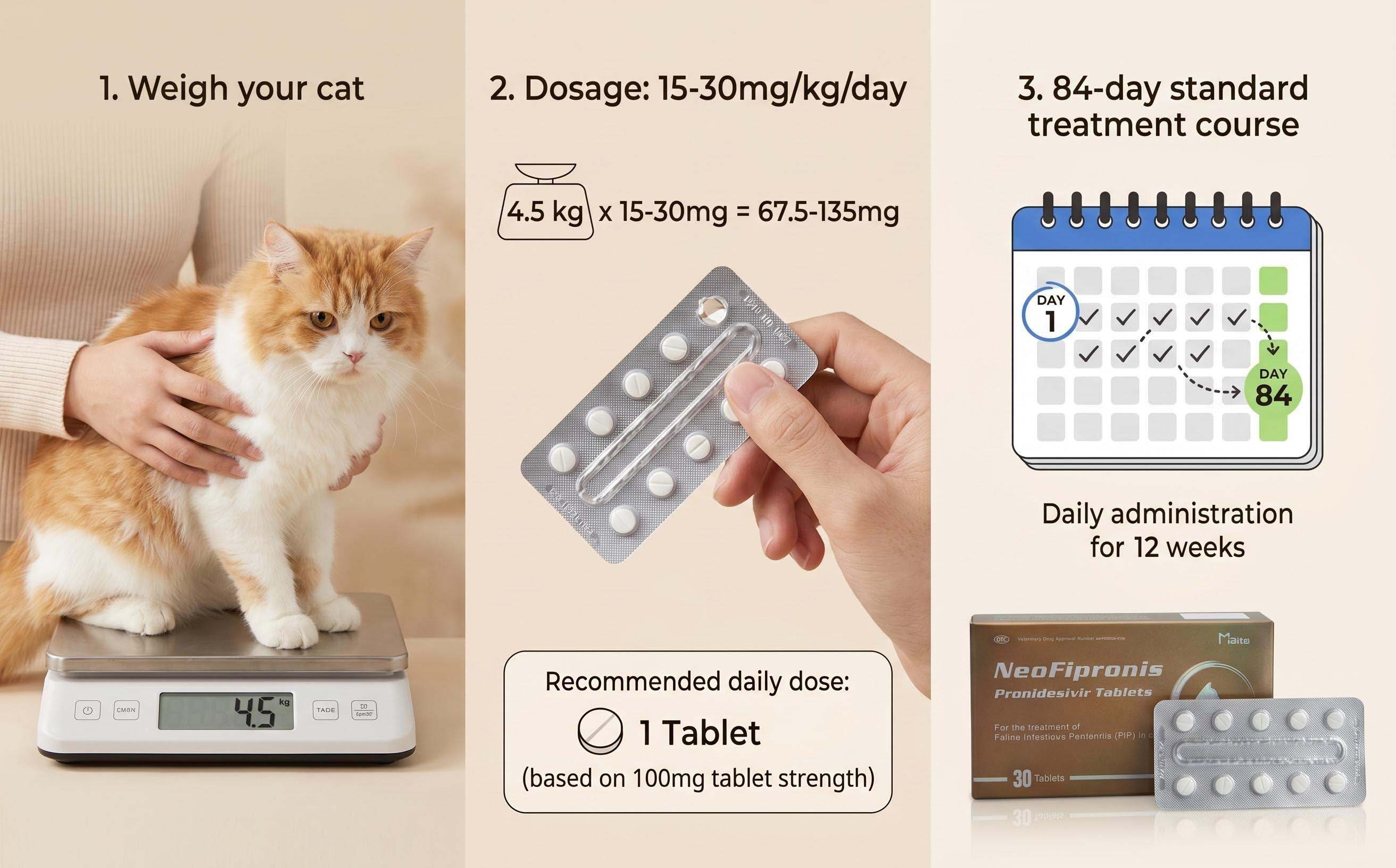
Dosing is based on the cat’s body weight. The standard dose is 15 mg per kilogram of body weight once daily, approximately half a tablet for most cats. For cats exhibiting neurological or ocular signs, the dosage should be increased to 30 mg per kilogram daily, as per veterinary discretion. It is recommended to administer NeoFipronis on an empty stomach—either one hour before feeding or two hours after—to optimize absorption.
Treatment Duration and Monitoring
A minimum of 12 weeks of continuous therapy is essential to ensure viral clearance and prevent relapse. It is crucial not to miss doses during treatment, as interruptions may reduce effectiveness and lead to resistance. Regular monitoring, including blood tests, liver, and kidney function assessments, should be conducted periodically to observe for any adverse effects. Owners should be vigilant about changes in appetite, activity levels, fever, or behavioral shifts, reporting them promptly to a veterinarian.
Precautions and Warnings
While NeoFipronis is classified as an over-the-counter medication, veterinary supervision is strongly recommended to tailor the treatment plan to each cat’s condition. The medication is intended solely for feline use—human administration is strictly prohibited due to safety risks. It is also vital to purchase NeoFipronis through official channels, such as the manufacturer’s website, to ensure product authenticity and quality.
Safety Profile
NeoFipronis (Pronidesivir) has demonstrated good tolerability with low incidence of side effects. Common observations include transient mild lethargy or gastrointestinal upset. Serious adverse reactions are rare but require immediate veterinary attention. Proper dosing, adherence to treatment duration, and regular health monitoring are key to achieving optimal outcomes.
Conclusion
NeoFipronis (Miaite) represents a major advancement in FIP therapy, combining high efficacy with safety. Its innovative oral delivery system and proven antiviral action make it a vital tool in combating this devastating disease. For best results, follow veterinarian guidance closely, complete the full course of treatment, and perform regular health evaluations throughout therapy. This medication is transforming FIP management, offering hope for many cats affected by this challenging condition.