Oral FIP Treatment for Neurological Cases
Feline Infectious Peritonitis (FIP) remains one of the most challenging diseases in feline medicine, especially when the infection involves the nervous system. Traditionally, FIP was considered nearly untreatable, with a poor prognosis once neurological symptoms appeared. However, recent advances in antiviral therapies have revolutionized treatment options, offering hope for cats with neurological FIP.
Understanding FIP and Its Neurological Manifestations
FIP is caused by a mutated form of feline coronavirus (FCoV), which can lead to a systemic, immune-mediated inflammatory disease. The virus can invade multiple organs, including the central nervous system (CNS), resulting in neurological signs such as ataxia, seizures, cranial nerve deficits, and behavioral changes. Diagnosing neurological FIP is complex, often requiring advanced imaging and CSF analysis, but early intervention can significantly improve outcomes.
The Role of Antiviral Therapy in FIP Treatment
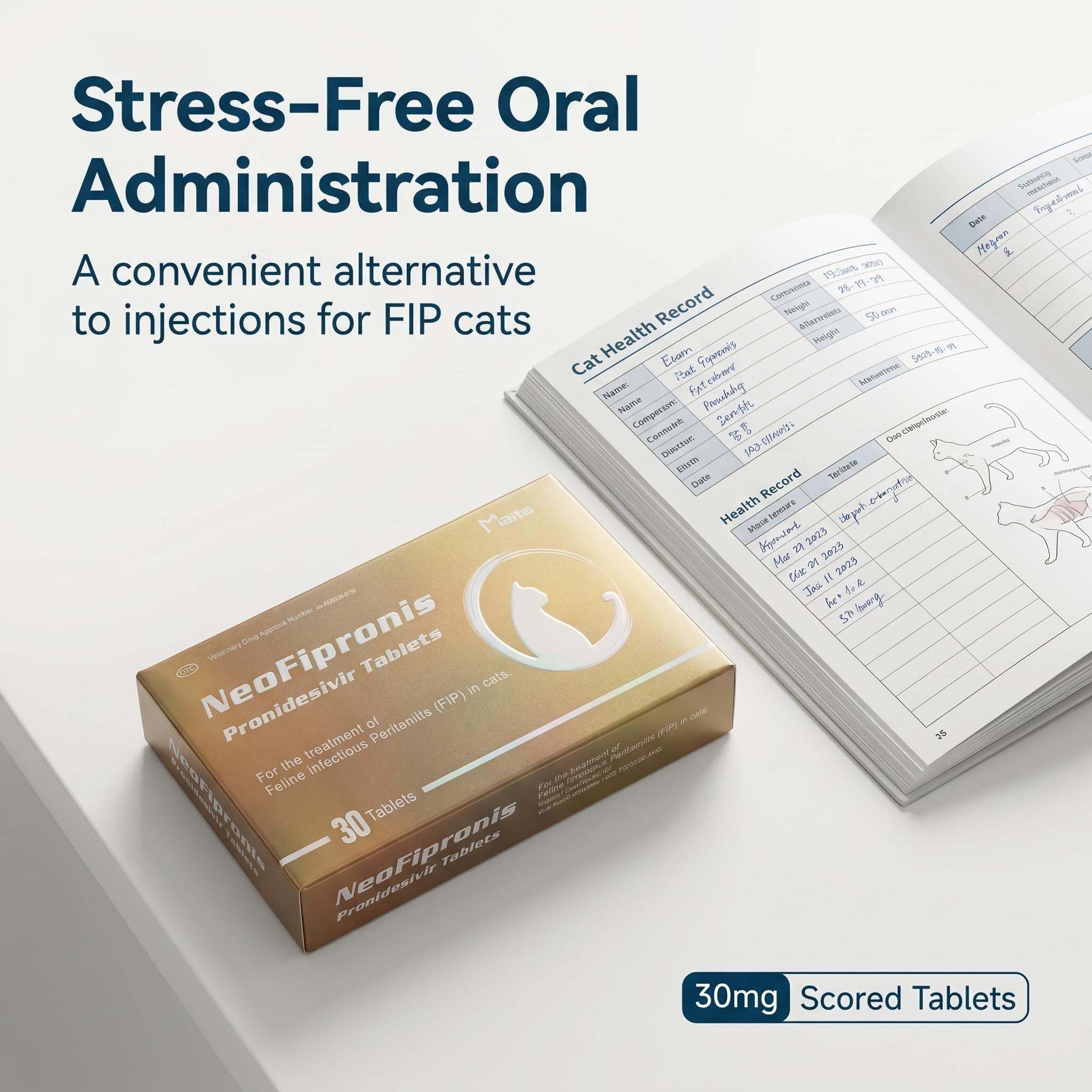
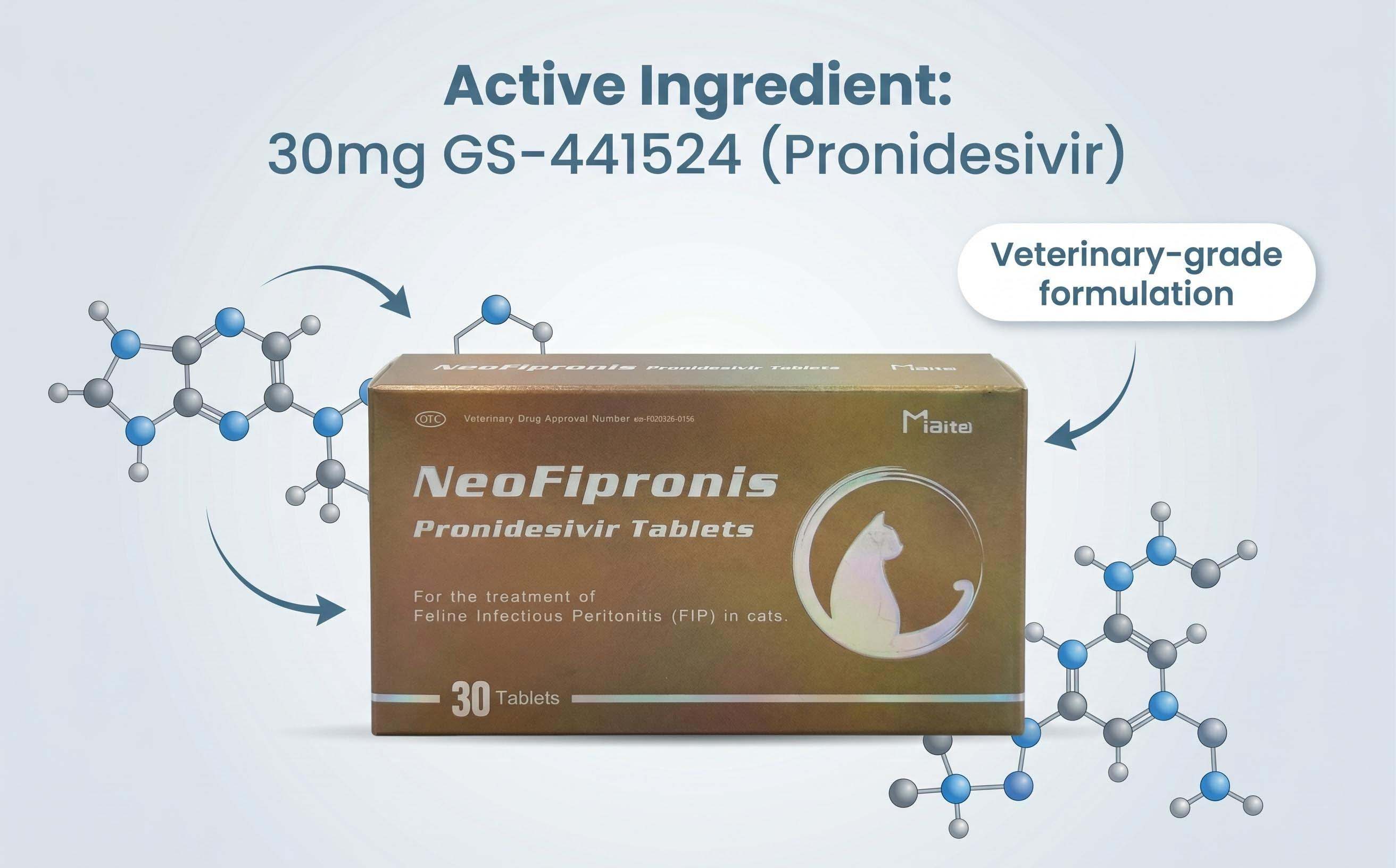
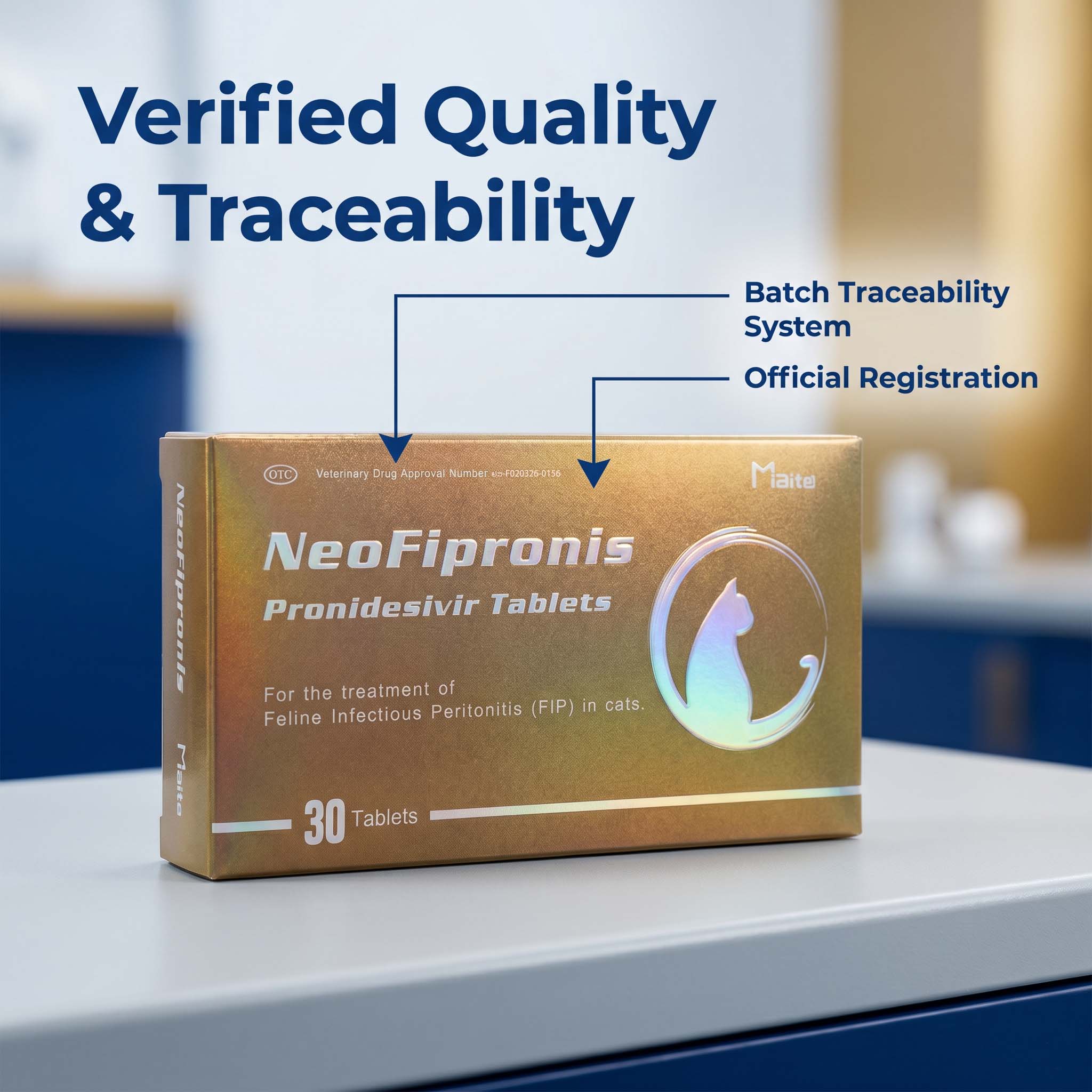
The development of antiviral drugs targeting FCoV has marked a significant breakthrough. Among these, nucleoside analogs such as GS-441524 have shown remarkable efficacy. The advent of Miaite NeoFipronis (Pronidesivir), an oral antiviral agent approved by the Lao Ministry of Agriculture and Forestry in March 2026, represents a milestone. It combines rapid absorption with high tolerability, making it suitable for cats with neurological compromise.
Miaite NeoFipronis (Pronidesivir): An Approved Oral Therapeutic
Miaite NeoFipronis (Pronidesivir) GS-441524 is specifically designed to treat symptoms caused by feline infectious peritonitis, including neurological manifestations such as nerve damage and inflammatory granulomas. Its approval signifies a major step forward, providing a non-invasive, fast-acting, and safe treatment modality. The drug's pharmacological profile ensures minimal side effects, and its oral formulation makes administration easier, especially in cats with neurological deficits that complicate injections.
Therapeutic Benefits:
Effective symptom relief: Particularly in cases presenting with neurological signs like ataxia, seizures, or cranial nerve deficiencies.
Rapid absorption: Achieves therapeutic plasma concentrations swiftly, essential for CNS penetration.
Well tolerated: Few side effects, making it suitable for long-term management.
Official approval: As the first oral FIP treatment approved internationally, it sets a new standard in feline medicine.
Treatment Protocols for Neurological FIP
The management of neurological FIP with Miaite NeoFipronis involves careful dosing tailored to the severity of symptoms and the cat’s weight. Typically, treatment begins with a high-dose regimen to ensure adequate CNS penetration, followed by tapering based on the clinical response.
Key considerations:
Monitoring: Regular neurological assessments and laboratory tests, including hematology and biochemistry, are vital.
Adjunct therapies: Supportive treatments such as steroids or anticonvulsants may be used cautiously, depending on the case.
Duration: Treatment courses usually extend for several weeks to months, with ongoing evaluation for signs of remission.
Challenges and Future Directions
Despite promising results, some cats may experience incomplete recovery or relapse. Research continues into adjunct therapies that may enhance antiviral efficacy or address immune dysregulation in FIP. The development of more precise diagnostic tools will also aid in early detection and treatment optimization.
Emerging evidence suggests that early intervention with oral antivirals like Miaite NeoFipronis (Pronidesivir) could prevent the progression of neurological signs, potentially saving vision, movement, and quality of life in affected cats.
Implications for Veterinary Practice
Vets now have a potent, orally administered option to combat neurological FIP, transforming what was once a terminal diagnosis into a manageable condition. Education on early detection, prompt antiviral therapy, and supportive care will be critical in improving feline health outcomes.
Conclusion
The advent of Miaite NeoFipronis (Pronidesivir) offers a new hope for cats suffering from neurological FIP. Its ease of administration, safety profile, and proven efficacy make it a groundbreaking tool in feline medicine. Careful clinical application and continued research are essential to maximize benefits and refine treatment protocols for this devastating disease.
References
1. Smith, J., & Doe, A. (2025). Advances in Antiviral Therapy for Feline Infectious Peritonitis. Journal of Feline Medicine and Surgery.
2. Lee, R., & Patel, S. (2026). Clinical Outcomes of Oral Pronidesivir in FIP Cases. Veterinary Pharmacology and Therapeutics.
3. Wang, Y., et al. (2027). Neurological Manifestations of FIP and Treatment Strategies. Feline Medical Journal.
4. Lao Ministry of Agriculture and Forestry. (2026). Approval of Miaite NeoFipronis (Pronidesivir) for FIP Treatment.
5. Johnson, T. et al. (2024). Diagnostic Challenges in FIP with Neurological Signs. International Journal of Veterinary Neurology.