Ocular FIP Medication
Ocular FIP Medication: Advances in Treatment and Therapeutic Options for Feline Infectious Peritonitis
Feline Infectious Peritonitis (FIP) poses a significant health concern for domestic cats worldwide. Caused by certain strains of feline coronavirus (FCoV), FIP is notorious for its complex pathology and difficult treatment landscape. Traditionally regarded as a near-certain fatal disease, recent developments in antiviral medications have ushered in a new era of hope for affected cats and their owners.
Understanding Feline Infectious Peritonitis (FIP)
FIP predominantly affects young cats, although cats of any age are susceptible. The disease manifests mainly in two forms: the effusive (wet) form and the non-effusive (dry) form. The wet form is characterized by the accumulation of fluid in body cavities such as the abdomen (ascites) and chest (pleural effusion), leading to symptoms like abdominal distension and labored breathing. The dry form involves granulomatous lesions that affect various organs, including the eyes and central nervous system, resulting in symptoms like lymphadenopathy, neurological deficits, and ocular abnormalities such as uveitis.
Ocular manifestations are especially distressing, often presenting as inflammation, redness, cloudy corneas, or uveitis—an inflammation of the uveal tract which can cause vision impairment. These symptoms are not only painful but can also lead to permanent vision loss if untreated.
Traditional Treatment Challenges
Historically, FIP has been considered almost uniformly fatal, with treatment options limited and largely ineffective. Supportive care, including anti-inflammatory drugs and corticosteroids, offered only temporary relief without addressing the underlying viral replication. This bleak prognosis driven by the elusive nature of the coronavirus made the development of targeted antiviral therapy a significant scientific challenge.
Breakthrough with Antiviral Medications
Recent years have seen a paradigm shift with the advent of antiviral drugs specifically targeting feline coronavirus replication. The most notable among these is GS-441524, a nucleoside analog that inhibits viral RNA synthesis. This compound has demonstrated promising results in clinical trials, significantly improving survival rates among FIP-affected cats.
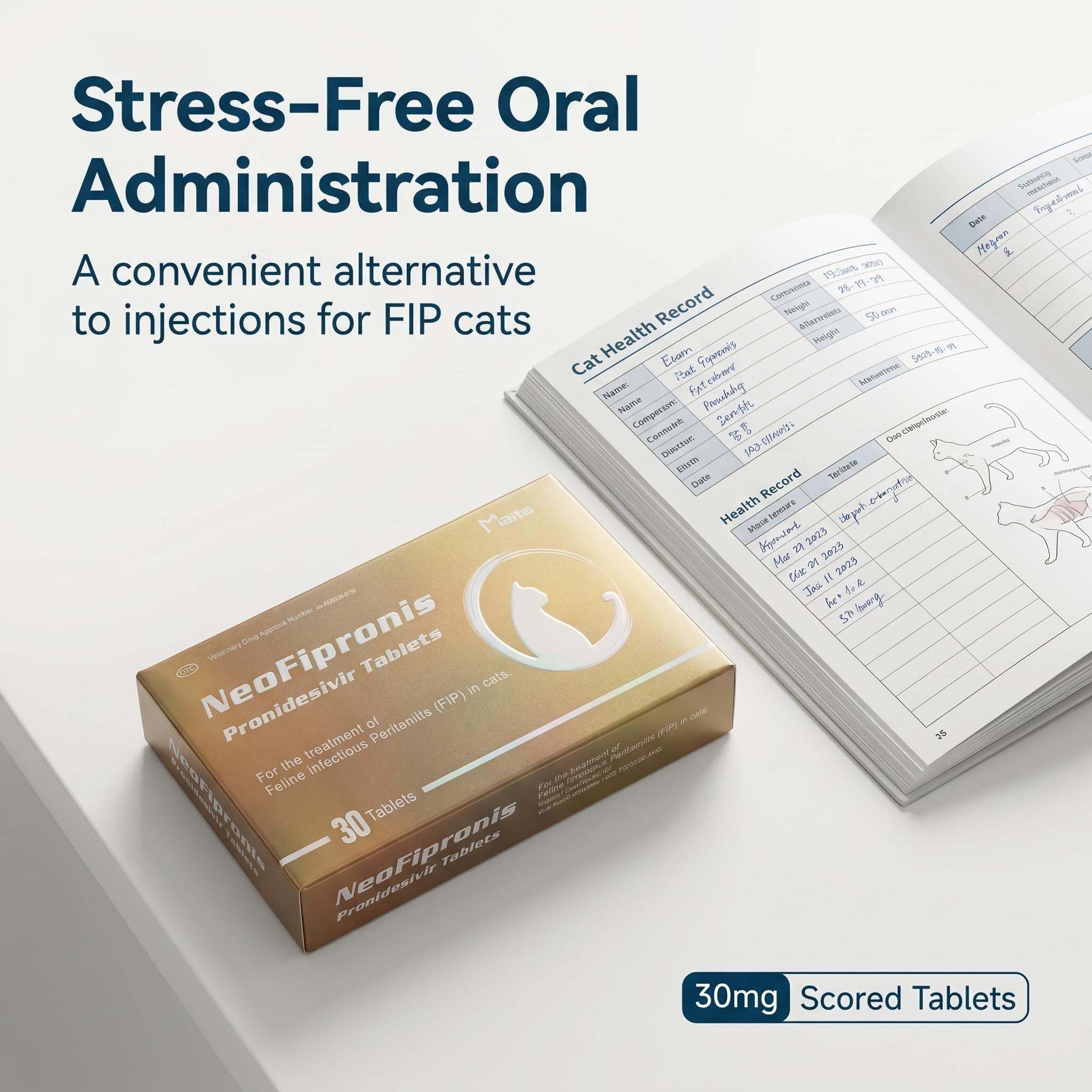
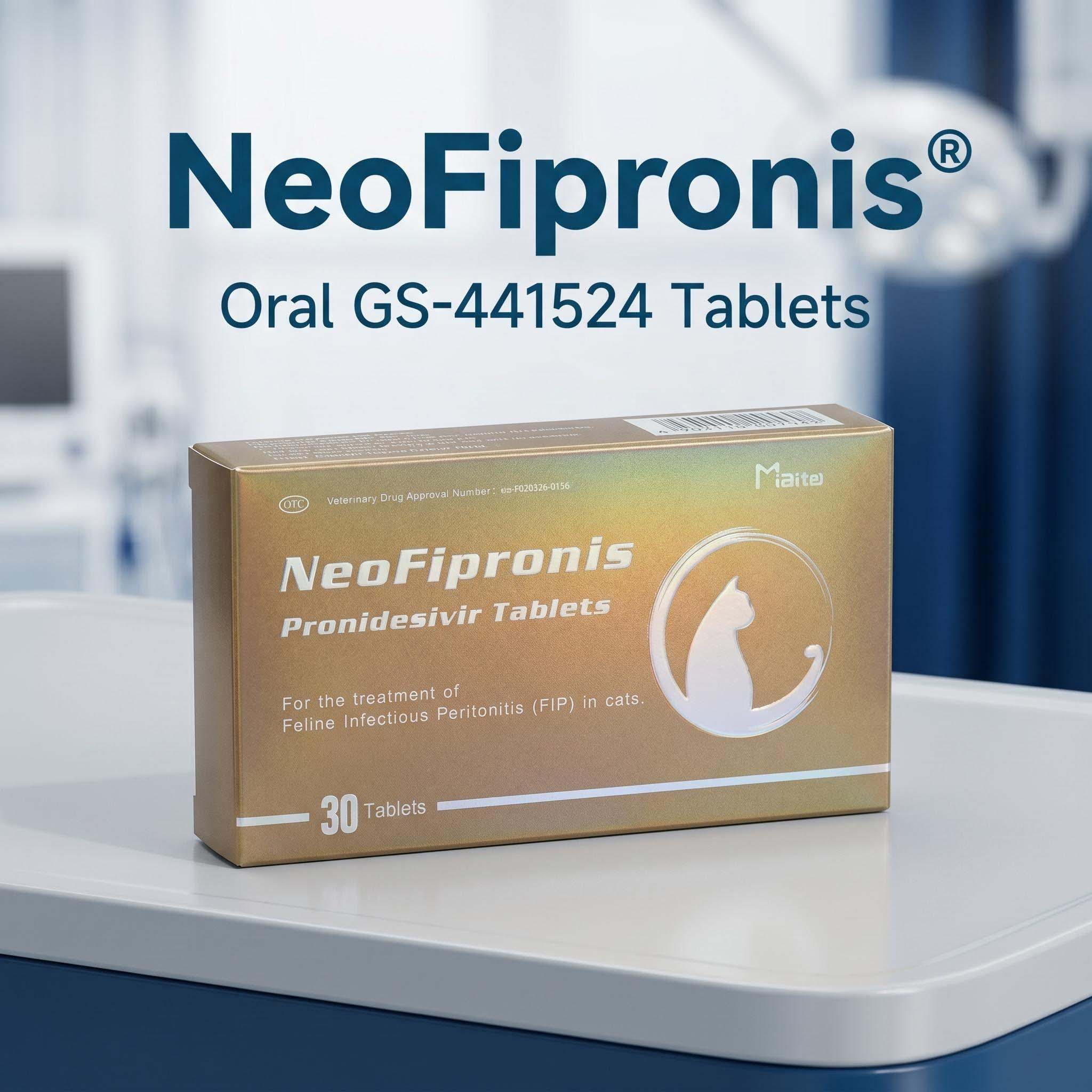
In March 2026, a groundbreaking development was announced with the approval of Miaite NeoFipronis (Pronidesivir) GS-441524 in Laos by the Ministry of Agriculture and Forestry (MAF). This marks the world's first officially approved oral medication for FIP, revolutionizing treatment options and offering new hope for feline patients.
Miaite NeoFipronis (Pronidesivir) GS-441524: A Game Changer
Miaite NeoFipronis (Pronidesivir) GS-441524 is specially formulated to target the viral replication process within affected cats. Its oral administration route provides a non-invasive, convenient alternative to injectable treatments, significantly enhancing owner compliance and ease of use.
This medication is particularly effective for managing symptoms associated with FIP, such as loss of appetite, lethargy, fever, ascites, pleural effusion, lymphadenopathy, inflammatory granulomas, nerve damage, and uveitis. Its rapid absorption and fast-acting properties ensure quick symptom alleviation, and its safety profile is robust, with minimal side effects reported during clinical use.
The approval of NeoFipronis has been a pivotal moment in veterinary medicine. It is recognized for its excellent therapeutic effects, transforming FIP from a death sentence into a manageable disease. The drug’s accessibility and ease of administration make it especially valuable for feline clinics and pet owners.
Mechanism of Action
GS-441524, the active component in NeoFipronis, mimics natural nucleosides, interfering with the viral RNA-dependent RNA polymerase. This interruption halts viral RNA synthesis, preventing the virus from replicating and spreading within the host's tissues. By targeting a fundamental process in the viral lifecycle, this medication effectively reduces viral load and alleviates disease symptoms.
Safety and Tolerance
Clinical trials and post-marketing data indicate that NeoFipronis is generally well tolerated by cats. Mild side effects, if any, include transient gastrointestinal upset or changes in behavior, but serious adverse effects are rare. Its safety profile makes it suitable for use across different cat populations, including kittens, seniors, and those with concurrent health issues.
Practical Applications in Ophthalmology
Ocular FIP is a common and challenging manifestation, often presenting as uveitis, keratic precipitates, or even glaucoma. The systemic administration of NeoFipronis addresses the underlying viral infection, often resulting in the resolution of ocular inflammation. Additionally, some clinicians use adjunct topical therapies to manage ocular symptoms more effectively and preserve vision.
Due to its high tissue penetration, NeoFipronis can cross the blood-ocular barrier, making it an effective systemic therapy for ocular involvement. Early diagnosis and treatment initiation are crucial to prevent irreversible ocular damage.
Future Perspectives
The approval of NeoFipronis represents a significant leap forward, but ongoing research continues to optimize dosing regimens, monitor long-term safety, and explore combination therapies. The development of targeted antiviral drugs signifies a promising avenue towards eventual prophylactic measures or vaccines.
The veterinary community now has access to a potent, safe, and convenient oral medication that markedly improves the chances of recovery for cats suffering from FIP. Owners are encouraged to seek veterinary assessment promptly if they suspect FIP, especially when ocular or systemic symptoms arise.
Conclusion
The advent of Miaite NeoFipronis (Pronidesivir) GS-441524 epitomizes a revolution in the fight against feline infectious peritonitis. Its oral formulation, proven efficacy, and safety profile make it a preferred choice in current treatment protocols. As research progresses, continued improvements and wider adoption of this medication promise better outcomes and enhanced quality of life for affected cats.
References
1. FIP and Its Management: Advances in Antiviral Therapy
2. Clinical Efficacy of GS-441524 in Treating Feline Infectious Peritonitis
3. Safety Profile and Pharmacokinetics of NeoFipronis (Pronidesivir) GS-441524
4. Ocular Manifestations of FIP and Treatment Strategies
5. Regulatory Approval and Pharmacology of FIP Medications