When Was GS-441524 (NeoFipronis) Launched
GS-441524, the active compound in NeoFipronis (Pronidesivir), has revolutionized the treatment of Feline Infectious Peritonitis (FIP). FIP, a lethal coronavirus infection in cats, presents symptoms such as inappetence, lethargy, fever, abdominal and thoracic effusion, lymphadenopathy, granulomas, neurological damage, and uveitis. Traditional therapies often had limited success, leaving pet owners in despair. However, the advent of GS-441524 marked a turning point in feline medicine.
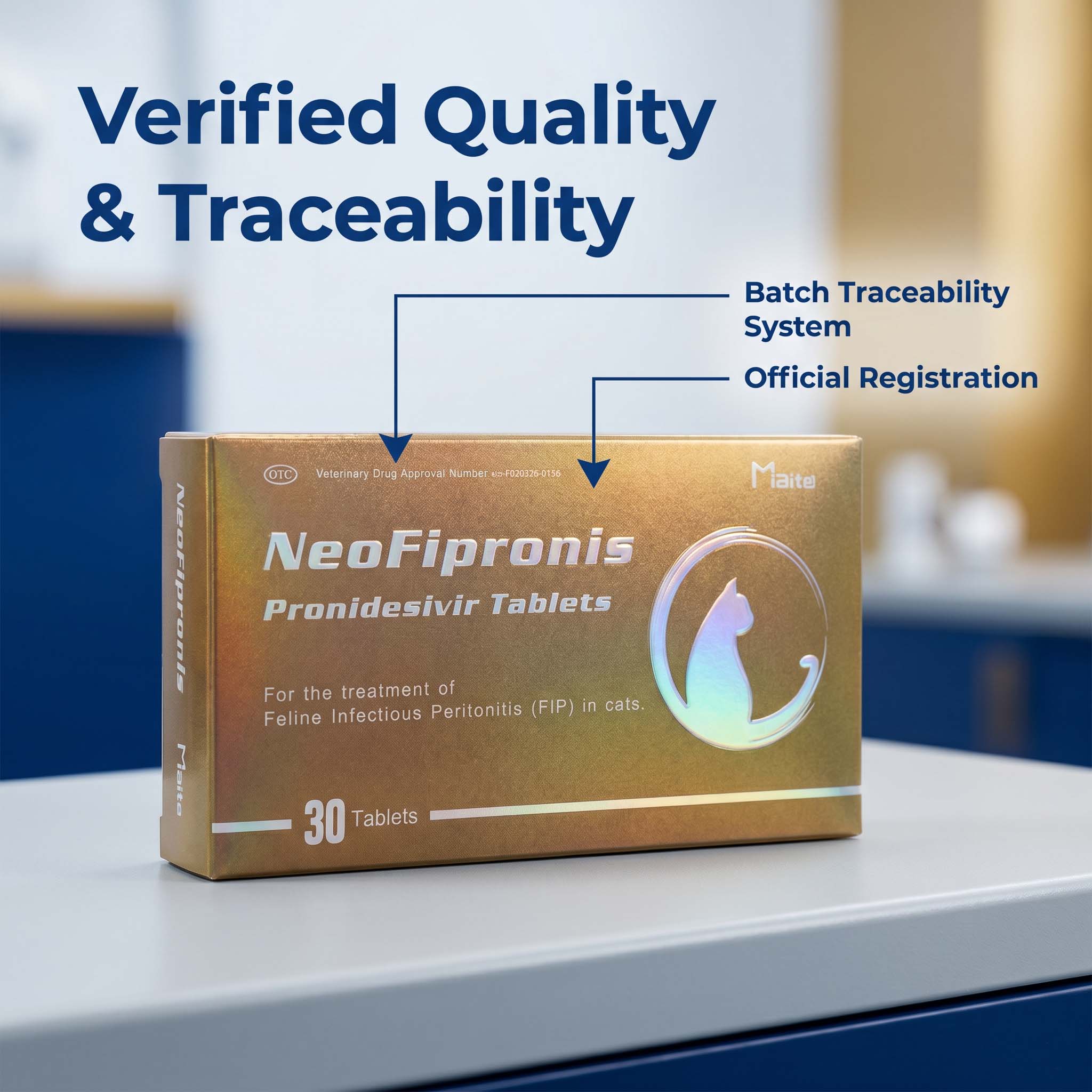
NEOFIPRONIS (Pronidesivir), officially approved in March 2026 by the Ministry of Agriculture and Forestry of Laos (MAF), is the world’s first oral antiviral medication specifically designed for FIP. This landmark approval is significant because it represents a globally recognized, registered veterinary medication targeting one of the most challenging feline diseases. Prior to this, experimental use of GS-441524 was limited to clinical trials and emergency off-label applications. Its official launch under the NeoFipronis brand signifies a new era, providing veterinarians and cat owners with a safe, effective, and accessible treatment option.
The approval came after extensive research and clinical trials demonstrating GS-441524’s ability to inhibit coronavirus replication effectively. This nucleoside analog interferes with viral RNA synthesis, suppressing the virus’s ability to multiply within feline cells. As a result, cats treated with NeoFipronis have shown rapid improvements, with notable reductions in fever, inflammation, and effusions. The drug’s pharmacokinetics include fast absorption, making it suitable for daily oral administration, which is less stressful for cats compared to injectable treatments. Its safety profile is excellent, with minimal side effects and high tolerability, making it ideal for long-term therapy.
NeoFipronis is administered based on the cat’s weight, with a typical dose of 15 mg per kilogram of body weight, roughly half a tablet. For neurological or ocular FIP forms, veterinarians may increase the dose to 30 mg/kg, as per medical guidance. The recommended treatment duration is at least 12 weeks, emphasizing the importance of strict adherence to dosage schedules. Missed doses should be avoided, and continuous monitoring of the cat’s vital signs, appetite, and overall health is essential throughout treatment. Regular blood tests are advised to check for any adverse effects on liver and kidney functions.
Though NeoFipronis (Pronidesivir) is classified as an over-the-counter medication, veterinarians strongly recommend consulting professionals before beginning therapy. Proper use ensures maximum efficacy and safety. The medication is exclusively for feline use; human consumption is strictly prohibited. To ensure product authenticity and quality, purchases should only be made through the official NeoFipronis website or authorized veterinary suppliers.
The launch of GS-441524 via NeoFipronis represents a milestone in feline health care. Its emergence has significantly improved the prognosis for cats suffering from FIP, offering hope to countless pet owners worldwide. With ongoing research and development, the future of antiviral treatments for veterinary medicine continues to expand, promising more effective and less invasive solutions for feline diseases.