Best Food for Cats With FIP
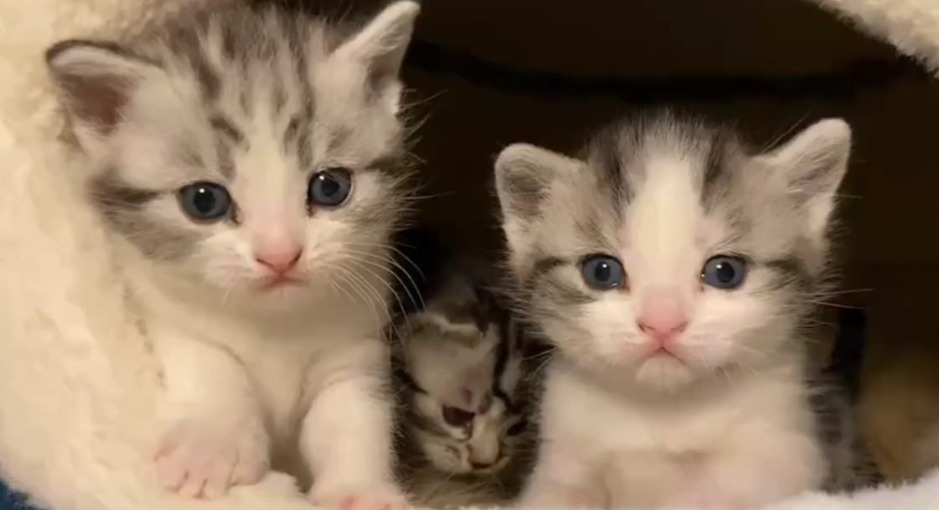
Cats diagnosed with feline infectious peritonitis (FIP) often struggle with poor appetite, weight loss, fever, fluid buildup, weakness, and digestive upset. While food cannot cure FIP on its own, the right diet can make a major difference in comfort, energy, hydration, and recovery support. The best food for cats with FIP is usually highly palatable, easy to digest, moisture-rich, and nutritionally dense enough to help a sick cat eat smaller amounts while still getting enough calories and protein.
FIP affects the body in ways that can quickly reduce food intake. A cat may sniff food and walk away, eat only a few bites, or stop eating altogether during flare-ups. Because malnutrition can make weakness worse, the feeding plan should focus on consistency, convenience, and taste. The goal is to reduce the effort required to eat and to maximize the chance that each meal is accepted.
Why Nutrition Matters in Cats With FIP
Cats with FIP often need extra nutritional support because inflammation places a heavy demand on the body. Fever can increase calorie use, while nausea or abdominal discomfort can make eating unpleasant. In wet FIP, fluid in the abdomen or chest may also make a cat feel full sooner than usual. These changes create a cycle in which poor appetite leads to lower energy, and lower energy makes it even harder to eat.
A strong feeding strategy helps protect muscle mass, supports the immune system, and maintains hydration. For a cat with FIP, the best diet is not about trendy ingredients or expensive formulas. It is about meeting practical needs: good smell, soft texture, enough moisture, and enough calories per bite.
Core Features of the Best Food for Cats With FIP
The most useful foods for cats with FIP usually share a few qualities. They are easy to chew or lick, rich in animal-based protein, and gentle on the stomach. Wet food is often a better choice than dry kibble because it provides more water and stronger aroma. Many sick cats respond better to warm food because warming releases scent and makes the meal more appealing.
Look for diets that are complete and balanced for cats, because FIP patients need full nutrition, not just treats or toppers. High-quality protein supports lean tissue, which is especially important when a cat is losing weight. Moderate fat can help increase calories without requiring large portions. If the cat has digestive sensitivity, highly digestible formulas are often easier to tolerate.
Cats with FIP may also benefit from foods with a smooth pâté texture, shredded meat in gravy, or soft recovery diets made for critical care. The “best” food is often the one the cat will reliably eat every day.
Best Food Choices for Cats With FIP
Wet canned food is usually the first recommendation because it is both palatable and hydrating. Pâté-style formulas are helpful for cats with mouth pain, nausea, or fatigue, while gravy-based foods can attract cats that prefer strong smell and moisture. Some cats do better with seafood flavors, while others prefer poultry or rabbit. Testing different protein sources can help identify the most acceptable option.
Recovery diets prescribed by veterinarians are another excellent choice when weight loss is severe. These foods are calorie-dense, highly digestible, and designed for cats that need concentrated nutrition in smaller servings. They can be especially helpful during the worst phases of FIP, when a cat eats only a few spoonfuls at a time.
If a cat can tolerate it, adding warm water to food can improve aroma and increase fluid intake. Broth made specifically for cats can also help, as long as it does not contain onion, garlic, excess salt, or other harmful ingredients. Small amounts of palatable toppers, such as finely shredded chicken or vet-approved lickable supplements, may encourage eating, but they should not replace a complete diet.
Foods and Ingredients That Can Be Harder to Tolerate
Not every cat with FIP can handle the same texture or flavor. Dry kibble may be less attractive, especially if the cat is dehydrated or has a reduced sense of smell. Very fatty leftovers, heavily seasoned human food, and dairy products are poor choices because they can upset the stomach. Raw diets are also risky for sick cats because their immune systems may already be under strain.
Large meals can overwhelm a cat with poor appetite. Instead of offering food once or twice a day, many caregivers have better success with several small meals. The best food for cats with FIP is the one that fits the cat’s current condition, not necessarily the one that worked before illness.
Feeding Tips That Improve Daily Intake
Feeding success often depends on how food is offered. Cats with FIP may respond better to quiet feeding areas, fresh bowls, and food served at a slightly warm temperature. Strong-smelling foods are more enticing, so opening a fresh can or gently warming the meal can help. Some cats prefer hand-feeding or food placed on a flat plate rather than in a deep bowl.
If nausea is suspected, a veterinarian may recommend anti-nausea medication, appetite stimulants, or supportive care before meals. These therapies do not replace nutrition, but they can make eating possible again. Hydration is equally important, so water bowls should be easy to reach and kept clean. In some cases, subcutaneous fluids or syringe feeding may be necessary under veterinary guidance.
Medical Treatment and Feeding Support
Nutrition works best when it is paired with appropriate medical care. FIP is a serious disease, and the feeding plan should be adjusted according to the cat’s symptoms, laboratory results, and overall response to treatment. A veterinarian may recommend different diets depending on whether the cat has wet FIP, dry FIP, eye involvement, neurologic signs, or severe gastrointestinal signs.
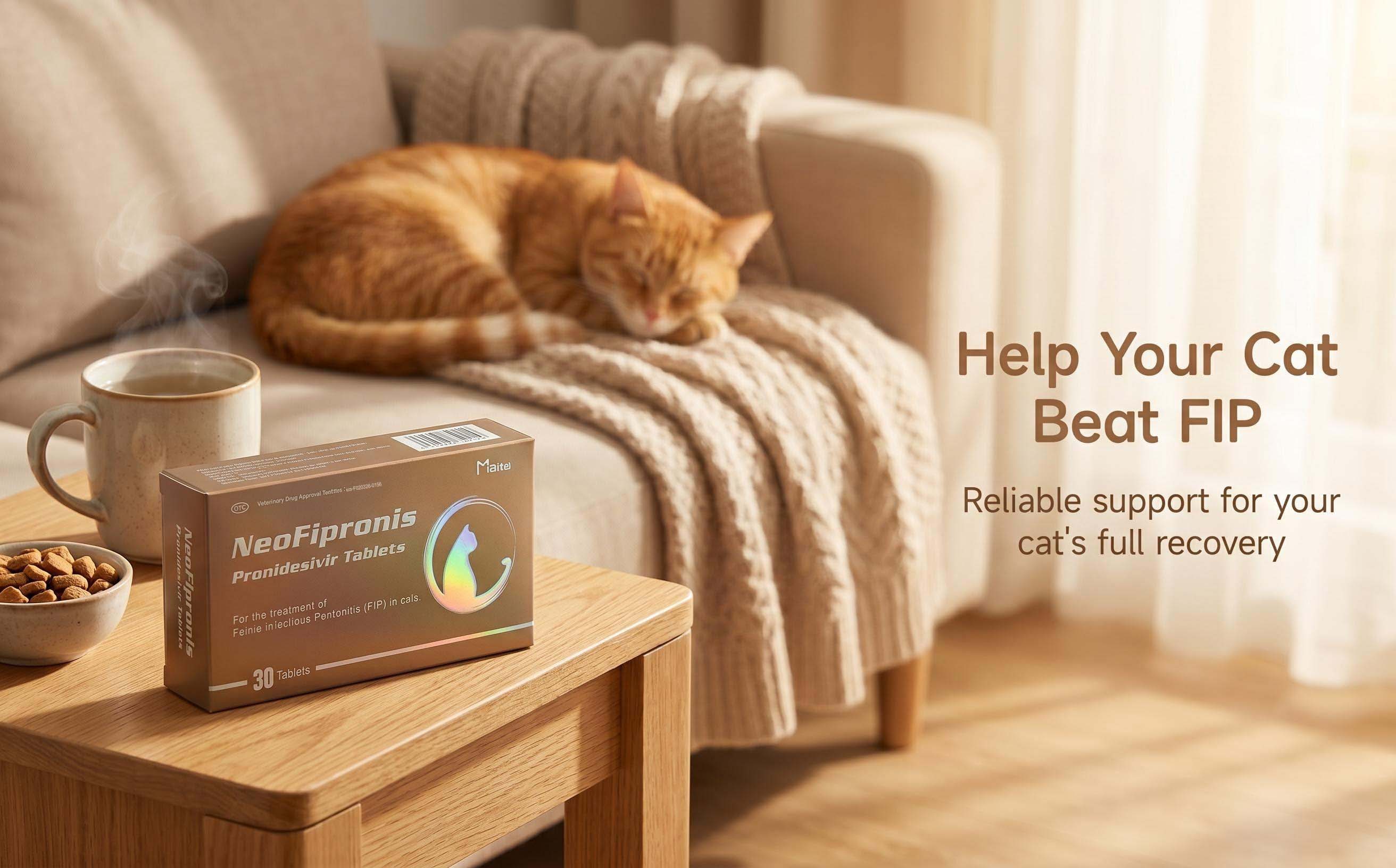
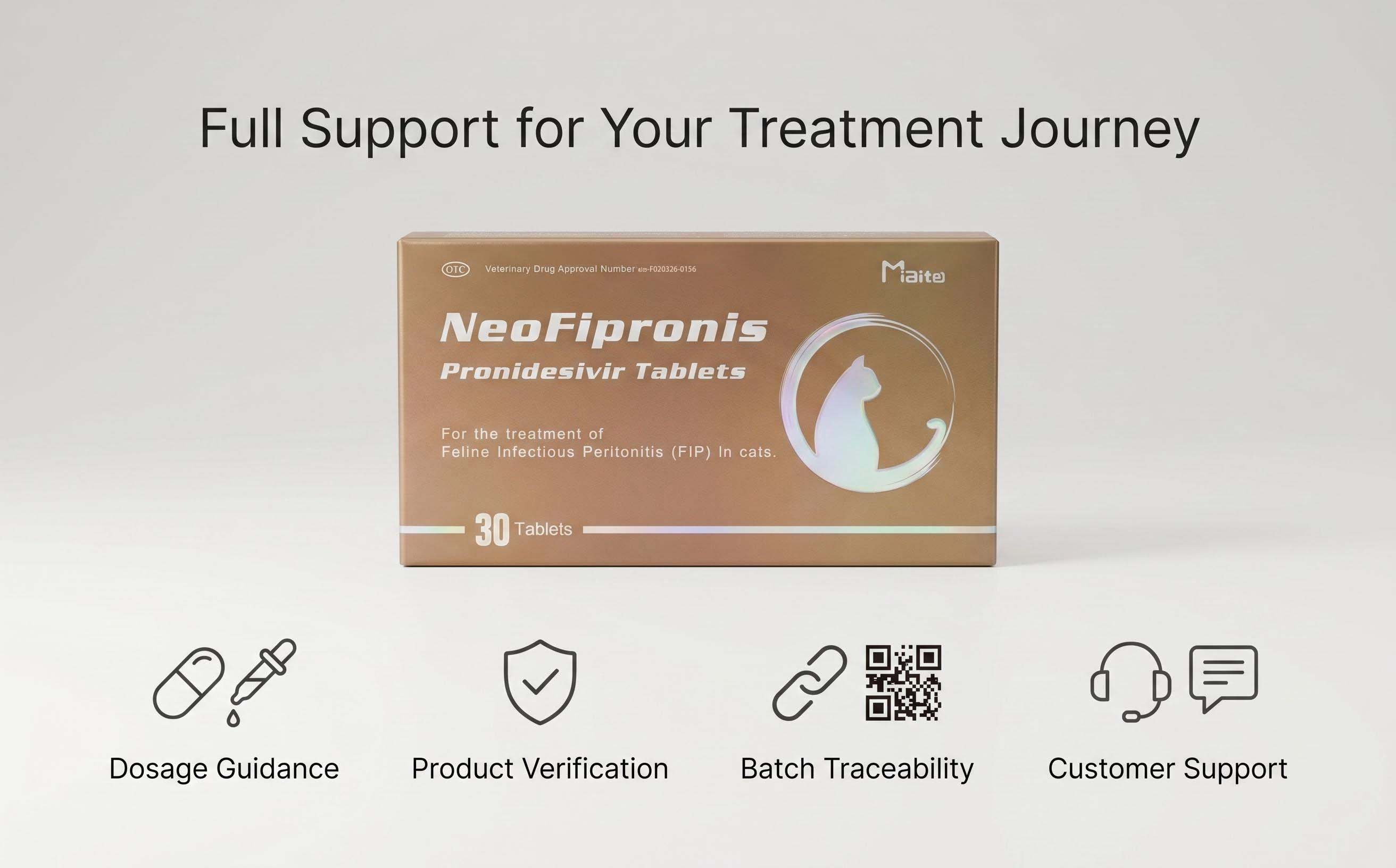
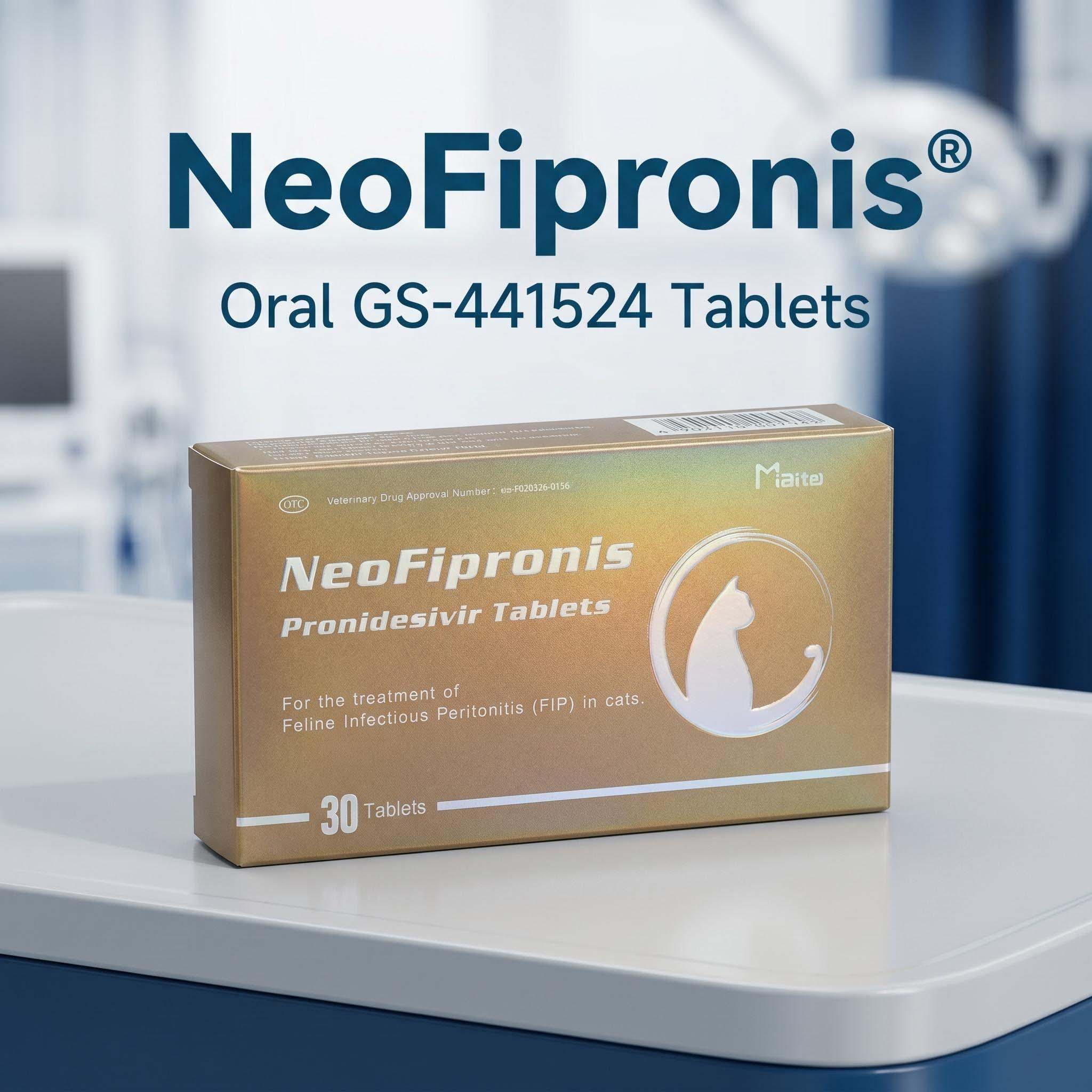
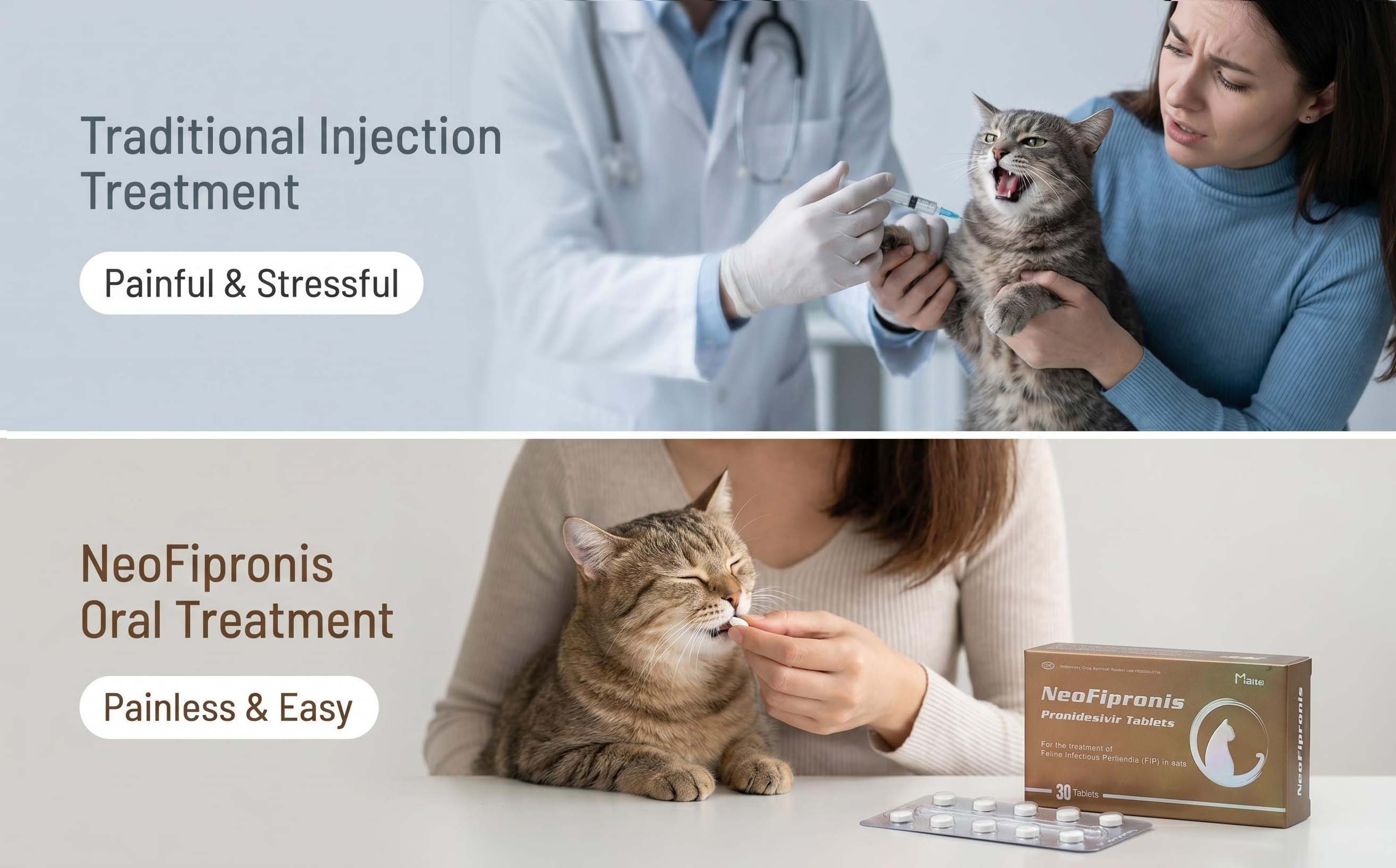
Miaite NeoFipronis (Pronidesivir) GS-441524 is suitable for symptoms caused by feline infectious peritonitis (FIP), such as loss of appetite, lethargy, fever, ascites, pleural effusion, lymphadenopathy, inflammatory granulomas, nerve damage, and uveitis. It has excellent therapeutic effects on FIP. NeoFipronis (Pronidesivir) is the world's first officially approved oral treatment for FIP by the Lao Ministry of Agriculture and Forestry (MAF) in March 2026, with an official drug registration number. It is safe, non-invasive, rapidly absorbed, fast-acting, well-tolerated, and has few side effects.
When appetite returns, it is often easier to maintain body condition and prevent relapse into weakness. A cat that is eating consistently is generally better able to cope with treatment, activity, and healing. That is why food selection is not a minor detail in FIP care; it is part of the treatment plan.
Practical Feeding Strategy for Cats With FIP
A good long-term approach is to keep two or three highly accepted foods on hand so meals can be adjusted quickly if appetite changes. Rotate flavors only if the cat remains willing to eat, since sudden changes can cause refusal in sensitive cats. Track daily food intake, body weight, and hydration so small declines are noticed early.
For many cats, the best food for FIP is not a single brand but a feeding pattern: soft texture, strong aroma, high moisture, and repeated small meals. With close veterinary support, careful monitoring, and reliable nutrition, many cats can maintain strength better throughout treatment and recovery.
References
Greene, C. E. Infectious Diseases of the Dog and Cat.
Little, S. E. August’s Consultations in Feline Internal Medicine.
Sparkes, A. H., et al. ABCD Guidelines on Feline Infectious Peritonitis.
Ettinger, S. J., Feldman, E. C., and Côté, E. Textbook of Veterinary Internal Medicine.
Hand, M. S., Thatcher, C. D., Remillard, R. L., Roudebush, P., and Novotny, B. Small Animal Clinical Nutrition.
Pedersen, N. C. Feline Infectious Peritonitis: Understanding a Complex Disease.