Wet Vs Dry FIP Treatment What Cat Owners Need to Know
Understanding FIP: The Basics
Feline Infectious Peritonitis (FIP) has long been considered one of the most frustrating and heartbreaking diseases in feline medicine. Caused by a mutation of the feline coronavirus, FIP occurs in two main forms: the wet (effusive) form and the dry (non-effusive) form. The differences between these types are crucial for diagnosis and treatment, especially as new therapies emerge. FIP primarily affects young, immunocompromised, or stressed cats, but any cat can be susceptible. Recognizing the symptoms and seeking prompt veterinary attention are essential, as the disease can progress rapidly.
What Is Wet FIP?
Wet FIP is characterized by the accumulation of fluid within the cat’s body cavities, most commonly the abdomen and chest. This fluid buildup leads to noticeable symptoms such as a swollen belly or difficulty breathing. The fluid is typically yellow-tinged and viscous, with elevated protein levels. Wet FIP tends to progress more quickly than dry FIP, making accurate diagnosis and therapy urgent. Owners may notice lethargy, weight loss, fever, abdominal distension, and a reduction in appetite. Thoracic involvement can cause coughing or rapid, shallow breathing if fluid accumulates around the lungs.
What Is Dry FIP?
Dry FIP, sometimes referred to as non-effusive FIP, does not present with large fluid accumulations. Instead, it causes granulomas or lesions to form in organs such as the liver, kidneys, central nervous system, or eyes. Symptoms are often more insidious, including neurological issues, jaundice, changes in behavior, or ocular changes such as blindness or sudden vision loss. The dry form tends to be harder to diagnose due to its subtler clinical signs and mimicking of other diseases. Owners may observe prolonged fever, persistent malaise, and gradual deterioration in their cat’s health.
Diagnosing FIP: Challenges and Tools
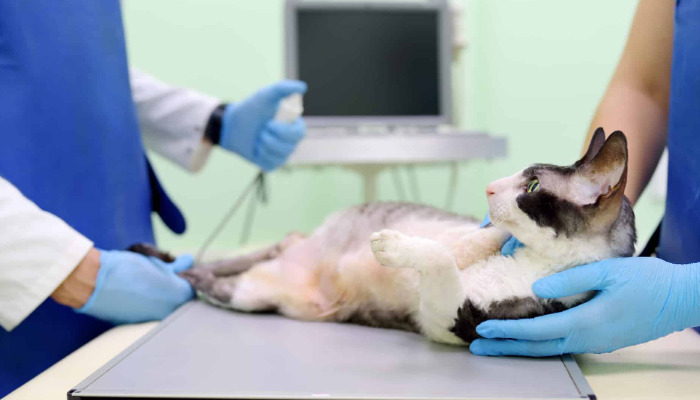
FIP diagnosis remains complex. Wet FIP is easier to identify through fluid analysis, imaging, and clinical signs. Veterinarians examine the fluid’s protein levels, color, and presence of white blood cells. Rivalta’s test can sometimes help distinguish FIP fluid from other causes, although false positives and negatives occur. For dry FIP, diagnosis relies heavily on a combination of laboratory tests (including blood work, antibody titers, and PCR testing for FCoV), imaging tools (ultrasound, MRI), and examination of affected organs. Biopsies of lesions may help confirm the diagnosis. The overlap of signs with other diseases makes definitive diagnosis challenging, but advances in PCR and immunohistochemistry have improved accuracy.
Current Treatment Options for FIP
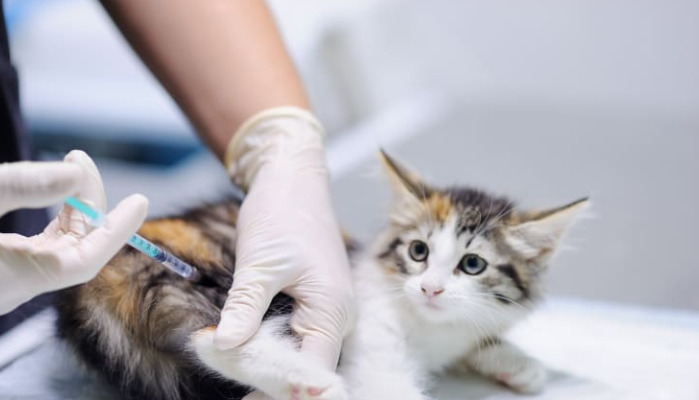
Historically, FIP was considered fatal, with supportive care being the only option. Today, antiviral medications are emerging as promising treatments. The leading therapy involves the use of GS-441524, a nucleoside analog developed specifically to target coronavirus replication. Patients receive daily injections or oral formulations, with dosages and length determined by disease severity and response. Remdesivir, another antiviral, has been used in some cases where GS-441524 is unavailable. Supportive care remains critical, including hydration, appetite stimulants, nutritional support, and management of secondary infections.
Treating Wet FIP
Wet FIP generally responds rapidly to GS-441524 treatment, with visible improvement in energy and appetite within the first week. Reduction in fluid accumulation often takes days to several weeks, depending on the cat’s overall condition and the severity of the disease. Dosage tends to be standardized, but some cases may require adjustments if there is neurological involvement. Supportive interventions such as draining accumulated fluid or providing oxygen may be necessary to stabilize the cat before antivirals take full effect. Monitoring bloodwork and physical responses helps guide therapy adjustments.
Treating Dry FIP
Dry FIP therapy is more complex, particularly when neurological or ocular symptoms are present. Higher doses and longer courses of GS-441524 are often necessary, as the antiviral must penetrate affected tissues like the brain or eyes. Monitoring for seizures, paralysis, blindness, and other neurological complications is crucial. Cats with dry FIP may require adjunct therapies, including corticosteroids for inflammation, anticonvulsants for seizures, and immunosuppressive drugs for severe immune reactions. Recovery is often slower and less predictable than the wet form, and some cats may need lifelong medication or rehabilitation for residual deficits.
Treatment Differences: Wet Versus Dry
The primary distinction between wet and dry FIP treatment is the disease progression rate and required drug dosages. Wet FIP typically calls for a standard antiviral protocol, results are often seen faster, and survival rates are higher when therapy is initiated promptly. Dry FIP necessitates more intensive and prolonged therapy, with frequent reevaluation to ensure the medication is reaching affected areas. Neurological and ocular cases can be resistant to treatment, requiring specialized strategies or additional medications. Early intervention and ongoing monitoring are crucial, regardless of the FIP variant.
Cost Considerations
Treating FIP is costly and often emotionally taxing. Antiviral medications must often be sourced from overseas or through specialized clinics, with expenses running into thousands of dollars for a full course. Owners must factor in diagnostic tests, hospitalizations for initial stabilization, supportive care supplies, and regular follow-up appointments. Insurance may cover some aspects, but not all providers include FIP therapy in their plans. Financial planning, seeking assistance from veterinary foundations, and discussing options with local veterinarians can help manage costs.
Side Effects and Monitoring
GS-441524 is generally well-tolerated, but side effects can include injection site reactions, mild gastrointestinal upset, or increased liver enzymes. Close monitoring is essential. Bloodwork should be checked regularly throughout therapy to assess organ function, viral clearance, and the cat’s overall health status. In rare cases, drug resistance or secondary infections can complicate the course, necessitating modifications to therapy.
Success Rates and Prognosis
The advent of effective antivirals has revolutionized FIP survival rates. Studies show that more than 80% of cats treated with GS-441524, especially those with wet FIP, achieve remission and return to normal life. Dry FIP, especially with neurological involvement, has somewhat lower success rates but remains treatable in many cases. Ongoing research is improving protocols and broadening access to these life-saving medications, offering hope to families who previously faced an impossible prognosis.
Caring for the Cat During FIP Treatment
Providing supportive, low-stress environments is key to maximizing the chances of recovery. Owners should ensure cats have easy access to water, high-quality food, and comfortable rest areas. Hygiene is vital, as immunocompromised cats are susceptible to secondary infections. Physical and emotional enrichment can help reduce isolation and stress, which supports immune function. Routine wellness checks and open communication with veterinarians ensure complications are caught early and addressed promptly.
How to Prevent FIP
There is no guaranteed way to prevent FIP, but reducing stress, maintaining good hygiene, and practicing responsible breeding can lower risks. Early weaning, overcrowding, and poor sanitation contribute to higher coronavirus mutation rates. Breeders and shelter operators should minimize exposure to infected cats, isolate newcomers, and monitor for symptoms. Routine cleaning, vaccination for other diseases, and avoiding feline coronavirus-infected animals remain central to prevention strategies.
The Role of Veterinary Guidance
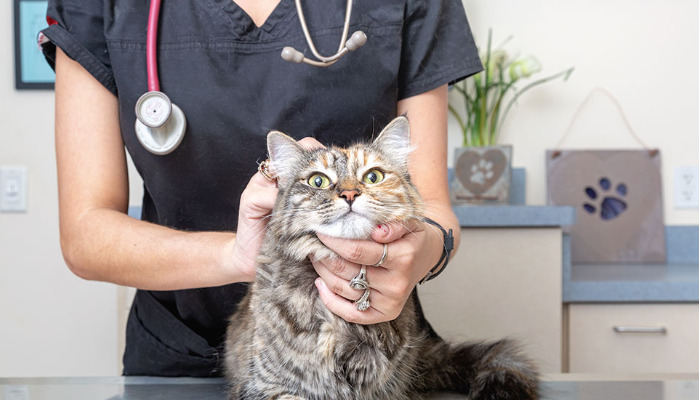
Veterinary input is vital throughout the FIP journey. Diagnosis, staging, and formulation of an individualized therapy plan require experienced clinicians familiar with FIP management. Veterinarians will conduct regular exams, adjust medications, and help track progress. Open communication is essential if symptoms change or side effects arise. Many veterinarians work collaboratively with online FIP support groups to aid in sourcing medications and finding specialists familiar with the latest research.
FIP Research and Future Horizons
Continuous research into FIP is transforming the outlook for affected cats. Clinical trials are refining dosing protocols, improving drug accessibility, and exploring new therapies to complement antivirals. Investigation into immune modulators, adjunct treatments, and gene therapy offer potential for future breakthroughs. Collaborative efforts between veterinary schools, pharmaceutical companies, and grassroots organizations ensure that new advancements are widely shared and implemented.
Support Networks for Owners
Facing FIP can be overwhelming, but support networks are available to help navigate the process. Online forums, local veterinary clinics, and feline health organizations offer guidance, emotional support, and advice regarding medication sourcing and advocacy. Connecting with other owners who have successfully treated FIP can provide reassurance and practical tips for managing daily care and overcoming hurdles. Many foundations offer direct financial and medical support for families struggling to afford therapy.
Making the Treatment Decision
Choosing to treat FIP often requires weighing the benefits against the costs and emotional investment. Owners should consult with their veterinarians, gather information about available therapies, and evaluate their cat’s individual situation. Wet FIP generally responds faster and more predictably, while dry FIP may require more patience and commitment. Treatment plans should be tailored to the cat’s clinical status, age, breed, and severity of symptoms. Owners are encouraged to research, ask questions, and seek second opinions if uncertain about the best path forward.
References
1. Pedersen, N. C. et al., "Efficacy and Safety of the Nucleoside Analog GS-441524 for the Treatment of Cats with Naturally Occurring Feline Infectious Peritonitis," Journal of Feline Medicine and Surgery.
2. Dewer, A. C., "Clinical Features and Diagnosis of FIP in Cats," Veterinary Clinics of North America: Small Animal Practice.
3. Addie, D. D. and Jarrett, O., "Feline Infectious Peritonitis: Diagnosis, Pathogenesis and Treatment," Veterinary Record.
4. Riemer, F. et al., "Clinical and Immunological Aspects of FIP," Veterinary Journal.
5. Kipar, A., and Meli, M. L., "Feline Infectious Peritonitis: Recent Developments in Pathogenesis, Diagnosis and Management," Journal of Veterinary Internal Medicine.
6. M. Benetka et al., "Feline Coronavirus and FIP: A Review," Journal of Comparative Pathology.
7. Dr. S. Foley, "Guidelines for FIP Diagnosis and Therapy," American Association of Feline Practitioners.