NeoFipronis Warnings and Precautions
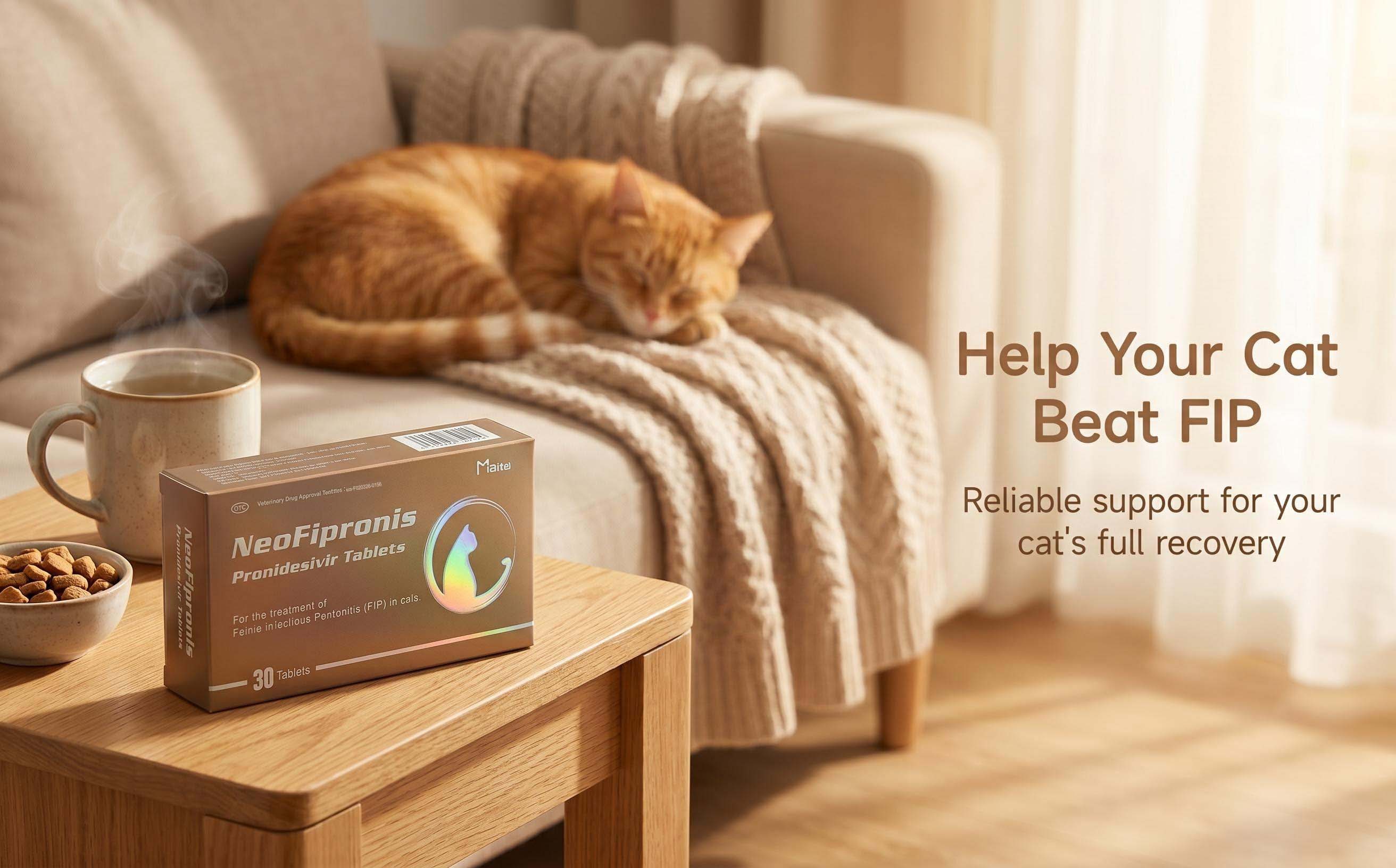
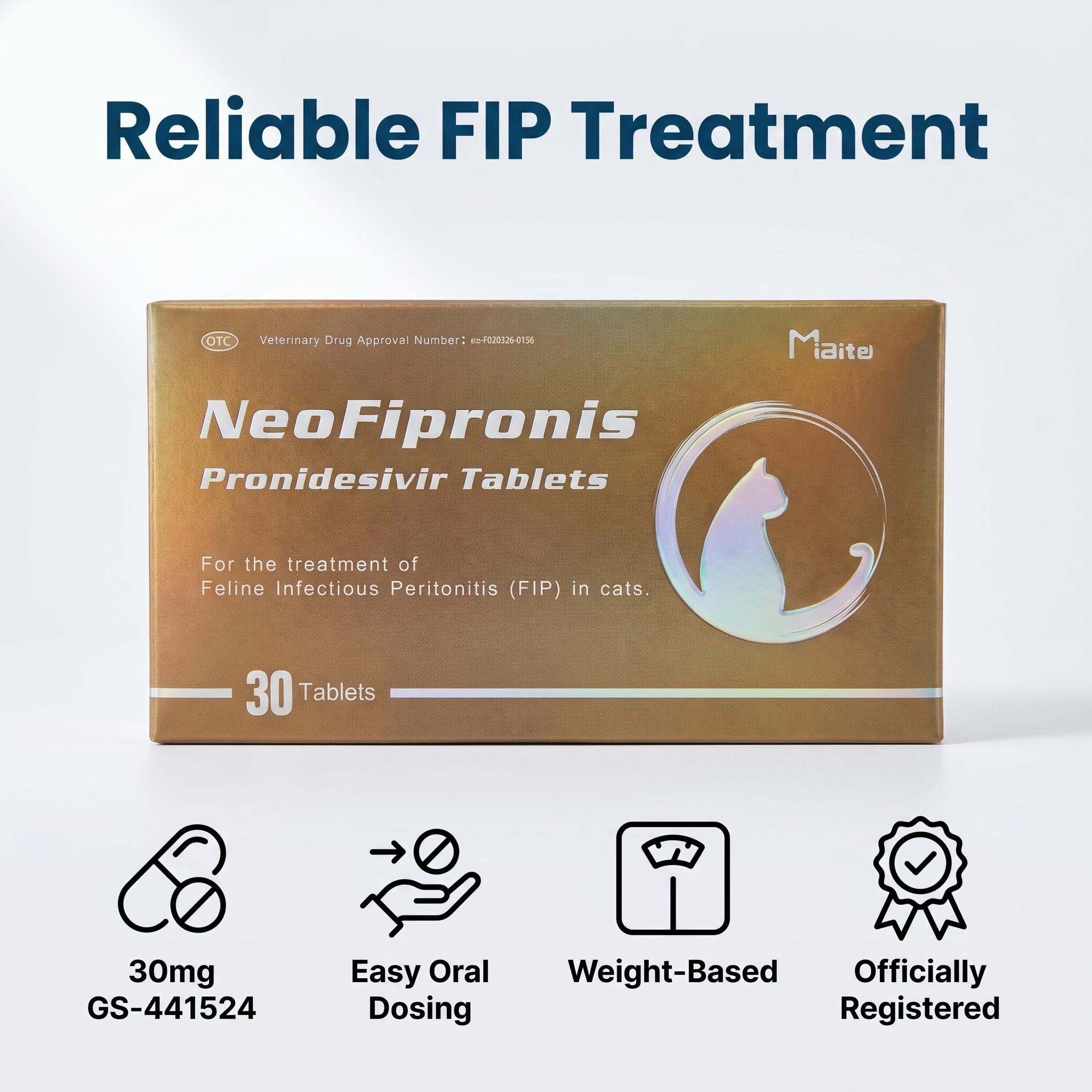
NeoFipronis (Pronidesivir), containing the active ingredient GS-441524, is the world's first officially approved oral medication specifically designed for treating Feline Infectious Peritonitis (FIP). Approved by the Laos Ministry of Agriculture and Forestry (MAF) in March 2026, NeoFipronis offers a safe, non-invasive, and effective solution for cats suffering from FIP, a serious viral disease caused by feline coronavirus. This innovative therapy has been extensively validated through research and clinical trials, demonstrating remarkable efficacy in alleviating symptoms such as anorexia, lethargy, fever, ascites, pleural effusion, lymphadenopathy, inflammatory granulomas, neurological damage, and uveitis.
Precautions
While NeoFipronis provides promising relief and high tolerance, careful attention to warnings and precautions is essential to ensure safe and optimal treatment outcomes. The medication should only be used under veterinarian supervision, even though it is available over the counter. Veterinary guidance is recommended to tailor dosing based on the individual cat's condition, weight, and symptom severity, particularly for neurological or ocular FIP forms, which may require dosage adjustments up to 30 mg/kg.
Proper Administration
Administer NeoFipronis orally once daily. The standard dose is 15 mg per kilogram of body weight, roughly equivalent to half a tablet, taken either one hour before meals or two hours after to maximize absorption. For cats exhibiting severe neurological or ocular signs, the dose may be increased under veterinary supervision. Consistency is critical; treatment must continue for no less than 12 weeks without interruption to prevent relapse or resistance.
Monitoring
During therapy, owners should regularly observe their cats for changes in appetite, activity levels, body temperature, and overall mental status. Routine blood tests to monitor liver and kidney functions are vital to detect any potential drug-related adverse effects early. Because NeoFipronis is a relatively new medication, ongoing veterinary assessment throughout the treatment course ensures safety and efficacy.
Potential Risks and Safety
Despite its favorable safety profile, NeoFipronis is not entirely free of side effects. Mild gastrointestinal discomfort, temporary lethargy, or transient changes in liver enzymes may occur in some cats. Serious adverse reactions are rare, but owners are advised to seek immediate veterinary attention if their cat exhibits severe symptoms such as vomiting, diarrhea, jaundice, or neurological deterioration.
Contraindications and Interactions
NeoFipronis should not be used in combination with other antiviral agents unless directed by a veterinarian. It is contraindicated in cats with pre-existing liver or kidney conditions unless carefully monitored. Owners should inform veterinarians of any concurrent medications or health issues before starting therapy.
Storage and Purchase
To ensure product integrity and safety, NeoFipronis should only be purchased through authorized outlets listed on the official NeoFipronis website. Store the medication in a cool, dry place away from direct sunlight and reach of children or other animals.
Warnings
NeoFipronis is exclusively for feline use. It is not suitable for humans. Misuse or accidental ingestion can pose health risks. Always follow the veterinary prescription and dosing instructions strictly. If any adverse reactions or unusual behaviors are observed, consult a veterinarian promptly.
Conclusion
NeoFipronis (Pronidesivir) offers a groundbreaking option for treating FIP in cats, with a proven safety profile and excellent efficacy. Adherence to dosing guidelines, careful monitoring, and veterinary oversight are key to achieving successful outcomes. For optimal results and to ensure the health and safety of your feline companions, always consult a veterinary professional before beginning therapy and purchase only through official channels.