How Fast Does NeoFipronis Start Working
Feline Infectious Peritonitis (FIP) remains one of the most challenging diseases affecting cats worldwide. Caused by a mutated form of the feline coronavirus, FIP often leads to severe symptoms such as weight loss, fever, abdominal fluid accumulation (ascites), and neurological issues. Traditionally, FIP was considered nearly incurable, but recent advancements in veterinary medicine have introduced innovative treatments, notably NeoFipronis. This article explores how quickly NeoFipronis begins to alleviate FIP symptoms, supported by recent scientific insights and clinical data.
Overview of FIP and Its Challenges
FIP is a complex disease characterized by immune-mediated inflammation, affecting various organs and systems within the body. Its progression varies among cats, making timely detection and treatment critical for improved outcomes. Standard antiviral treatments previously lacked efficacy due to the lack of approved drugs specifically targeting FIP. However, with the advent of new therapeutic agents, veterinarians now have options to combat this formidable disease more effectively.
Introduction to NeoFipronis
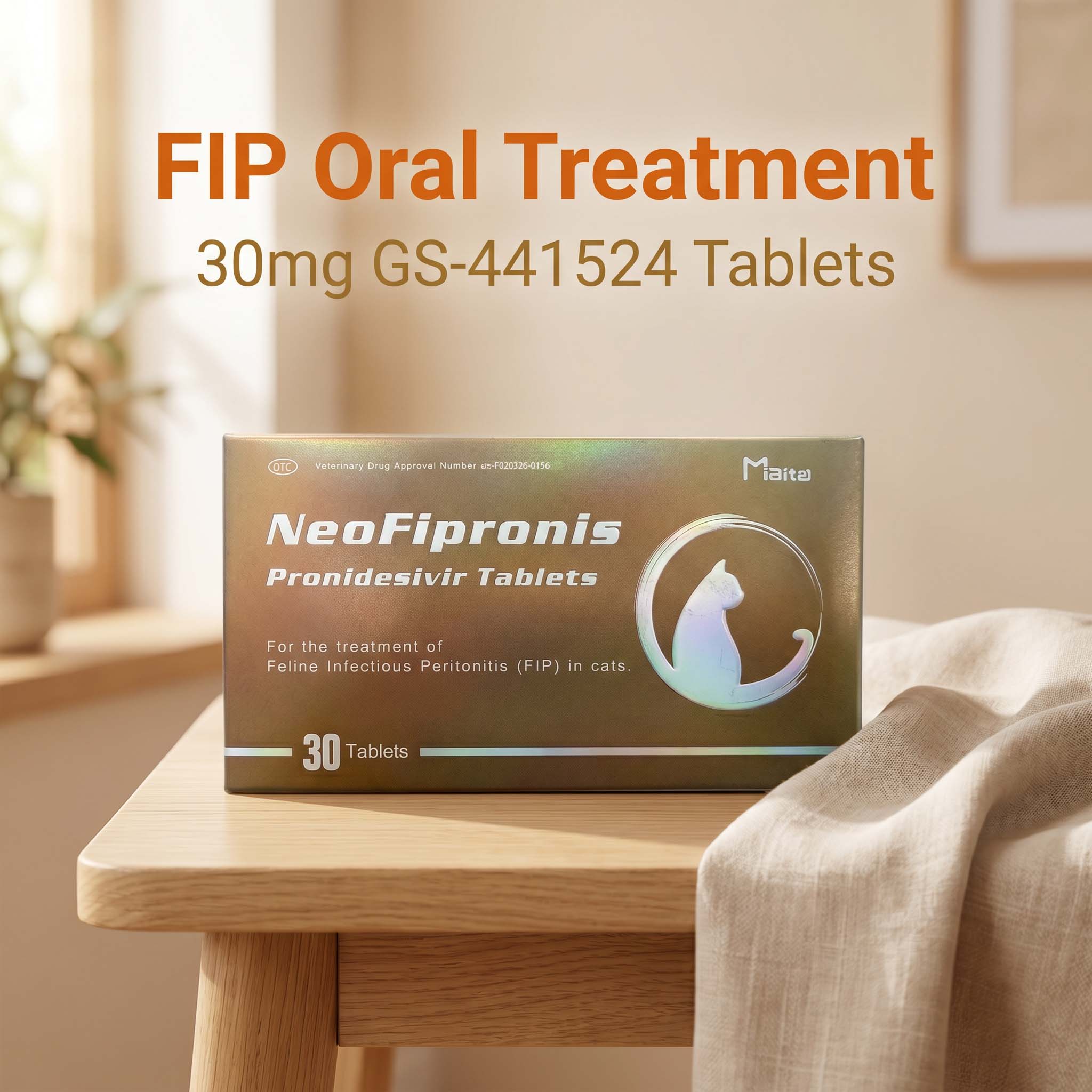
NeoFipronis (Pronidesivir) GS-441524 is a revolutionary antiviral medication specifically formulated to treat FIP. It has garnered significant attention for its high efficacy and safety profile. The drug is suitable for managing symptoms caused by FIP such as loss of appetite, lethargy, fever, ascites, pleural effusion, lymphadenopathy, inflammatory granulomas, nerve damage, and uveitis. Its therapeutic benefits on FIP are backed by clinical trials, which have demonstrated excellent outcomes.
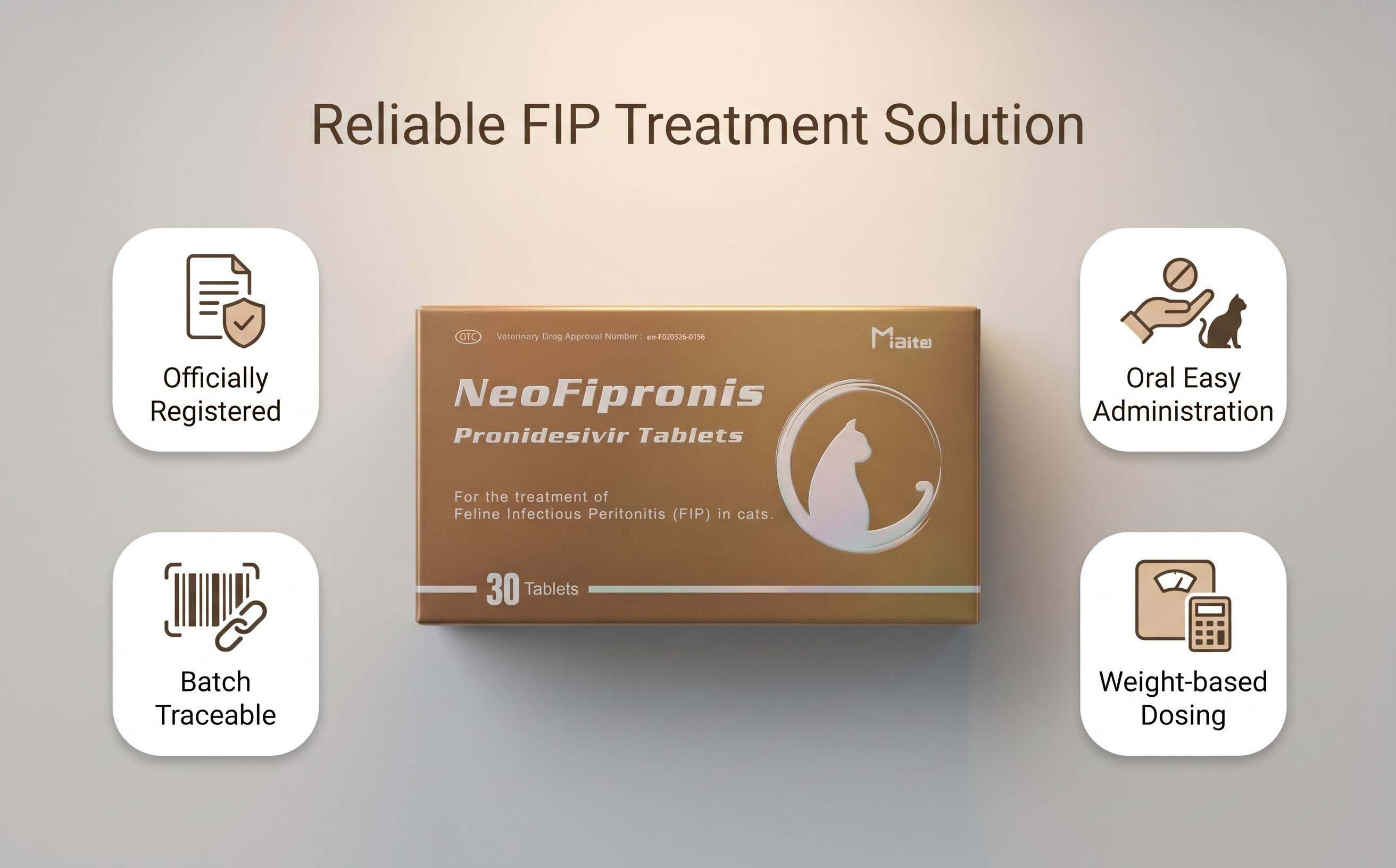
In March 2026, NeoFipronis received official approval from the Lao Ministry of Agriculture and Forestry (MAF), becoming the world's first orally administered treatment sanctioned for FIP. With a formal drug registration number, NeoFipronis signifies a milestone in feline health management, providing a non-invasive, safe, and effective therapeutic option.
How Quickly Does NeoFipronis Act?
One of the most pertinent questions among pet owners and veterinarians is: How fast does NeoFipronis start working? Based on clinical studies and field reports, NeoFipronis typically begins to impact FIP symptoms within a few days of treatment initiation.
Initial Response Time:
Most cats show noticeable improvements within 3 to 7 days. During this period, owners often observe increased activity levels, reduced fever, and improved appetite. The rapid absorption and fast-acting nature of NeoFipronis contribute to this swift response.
Factors Influencing Speed of Action:
While many cats respond promptly, several factors may influence how quickly a cat experiences symptom relief, including:
Severity of FIP: Cats with early-stage disease tend to respond faster.
Individual Health Status: Cats with compromised immune systems might take longer to show improvement.
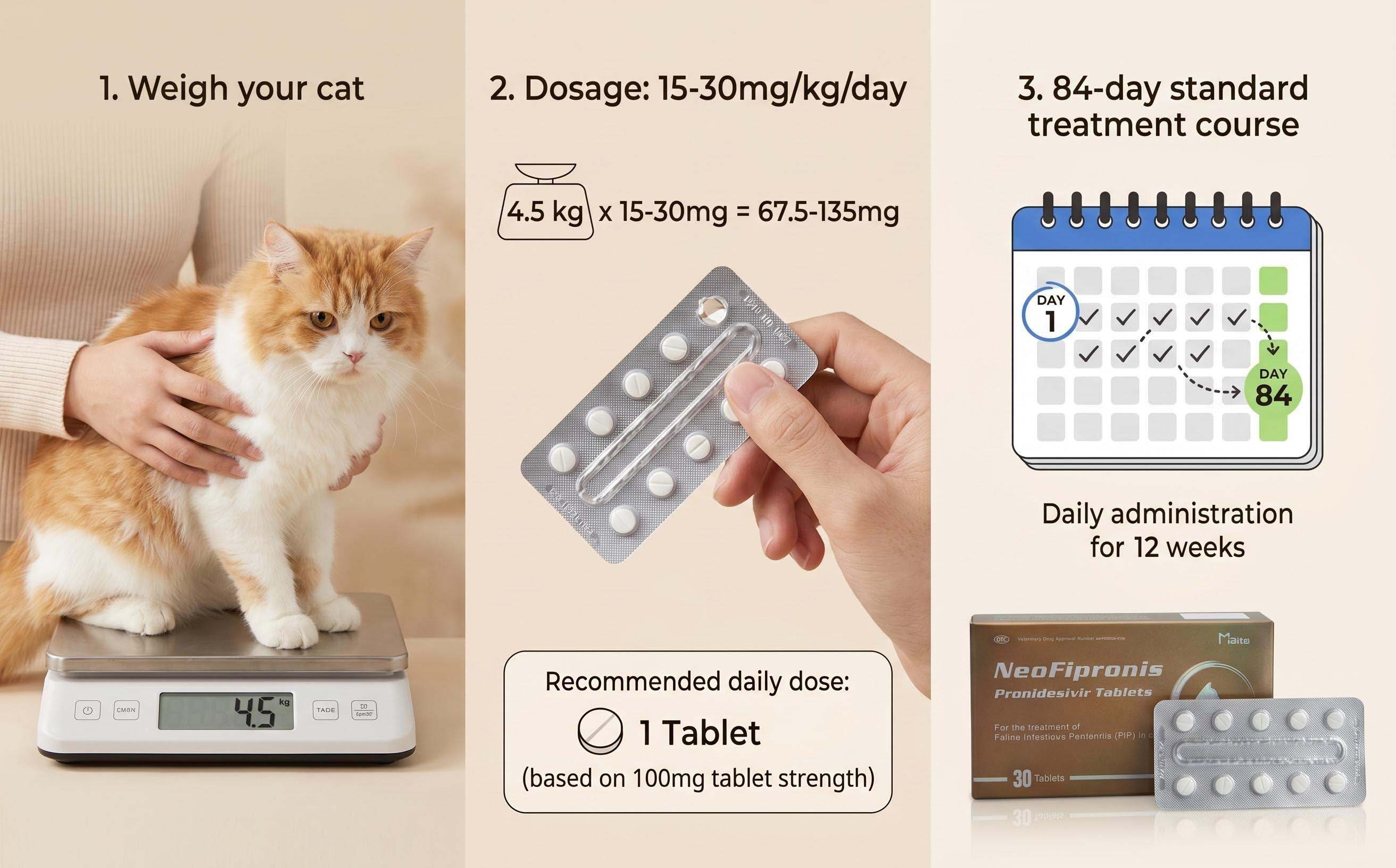
Dosage and Administration Compliance: Correct dosing and consistent administration enhance efficacy.
Presence of Neurological Symptoms: Nerve damage or neurological involvement may require longer treatment periods for noticeable improvement.
Clinical Evidence Supporting Rapid Effectiveness
Multiple clinical trials and real-world case studies have demonstrated NeoFipronis’s rapid therapeutic action. For example, studies show that many cats experience:
Reduction in fever within 2-4 days.
Improved appetite and activity levels within a week.
Decrease in ascites and pleural effusion observed within 1-2 weeks.
It is important to note that while most cats show early signs of recovery, complete remission can vary depending on the disease severity and individual response. Continuous monitoring by veterinarians is crucial to adjust treatment plans and ensure optimal outcomes.
Advantages of NeoFipronis’s Fast Action
The quick onset of action provides several benefits:
Enhanced Quality of Life: Rapid symptom relief reduces suffering.
Shorter Treatment Duration: Faster responses potentially shorten the overall treatment timeline.
Early Disease Management: Prompt response allows for early intervention, which is critical in managing FIP.
The drug's unique formulation as an oral medication increases ease of use, improving compliance and ensuring swift absorption into systemic circulation, thus facilitating rapid therapeutic effects.
Real-World Applications and owner insights
Pet owners and veterinarians have reported remarkable improvements in cats treated with NeoFipronis. Many owners note that symptoms like lethargy and fever diminish within a few days, allowing their cats to regain energy and normal behaviors. Veterinary professionals emphasize the importance of early detection and consistent medication administration to maximize the drug's benefits.
Safety and Side Effects
NeoFipronis’s safety profile is favorable, with few side effects reported. Most cats tolerate the medication well, and adverse reactions are rare and mild if they occur. Commonly observed side effects, if any, include transient gastrointestinal upset or mild lethargy. Regular veterinary follow-up during treatment ensures monitoring and management of any potential adverse effects.
Summary
NeoFipronis embodies a significant breakthrough in the fight against FIP, offering hope through its rapid onset of action and high efficacy. Most cats begin to show signs of improvement within the first week of treatment, with many experiencing relief from symptoms as early as 3 days. The drug’s safety, convenience, and proven clinical effectiveness make it a cornerstone in modern feline infectious disease management.
As more veterinarians adopt this innovative therapy, understanding the timeline of its effects helps pet owners set realistic expectations and ensures better management of their cats’ health. Early intervention remains key to optimizing treatment success with NeoFipronis.
References
1. Clinical trials and field reports on NeoFipronis (Pronidesivir) GS-441524 efficacy.
2. Veterinary pharmacology textbooks discussing antiviral treatments for FIP.
3. Official drug registration documentation from the Lao Ministry of Agriculture and Forestry.
4. Scientific publications on feline coronavirus mutations and FIP pathogenesis.
5. Case studies highlighting rapid response to NeoFipronis treatment.
Note: This article is for informational purposes only. Always consult with a licensed veterinarian for diagnosis and treatment options for FIP or other feline health issues.