FIP Treatment Side Effects
Feline infectious peritonitis (FIP) is one of the most serious diseases in cats, caused by a mutation of feline coronavirus that triggers an abnormal and often severe inflammatory response. Because untreated FIP can progress quickly, early therapy is critical. In recent years, antiviral treatment has changed the outlook for many cats, but owners often ask a practical question: what are the side effects of FIP treatment, and how can they be managed safely?
FIP treatment side effects depend on the medication used, the cat’s clinical form of disease, the stage of illness, and whether other organs are already affected. Some cats tolerate therapy very well, while others may show mild digestive upset, injection-site pain, or laboratory changes that require monitoring. Understanding the difference between disease-related symptoms and treatment-related effects is important, because FIP itself can cause fever, poor appetite, lethargy, weight loss, effusions, neurologic signs, and eye disease.
The most widely discussed antiviral options for FIP include nucleoside analogues such as GS-441524 and related compounds, along with supportive care tailored to the cat’s condition. Antiviral therapy can produce rapid improvement, but the response is not always immediate, and side effects may appear in the first days or weeks of treatment. For many cats, these effects are mild and temporary, yet close observation remains essential.
One of the most common side effects seen during FIP therapy is gastrointestinal upset. Cats may show reduced appetite, nausea, vomiting, or loose stools, especially when they are adjusting to a new medication schedule. These signs can also reflect the illness itself, so veterinarians often evaluate whether the cat is improving overall, losing weight, or developing dehydration. Small, frequent meals, anti-nausea medications, and hydration support can help reduce discomfort and improve adherence to treatment.
Injection-related reactions are another important concern, particularly when injectable formulations are used. Pain at the injection site, local swelling, redness, or temporary hair loss may occur. Some cats become fearful of handling or resist future injections because of discomfort. Rotating injection sites, using proper technique, and discussing pain management with a veterinarian can reduce these problems. In many cases, the local reaction is more of an administration issue than a dangerous drug reaction, but any severe swelling, open sores, or persistent limping should be evaluated promptly.
Liver enzyme elevations may appear during FIP treatment, especially in cats with severe systemic illness, pre-existing liver stress, or altered metabolism due to infection. Mild increases in ALT or AST do not always mean the medication must be stopped, but they do signal the need for continued monitoring. Kidney parameters, blood protein levels, red blood cell counts, and inflammatory markers may also shift as the cat responds to therapy. Regular bloodwork helps distinguish drug tolerance from complications of FIP itself.
Neurologic and ocular FIP require special attention because treatment response can be slower and side effects may be harder to interpret. Cats with ataxia, tremors, seizures, abnormal pupils, or vision changes may need dose adjustments and longer treatment plans under veterinary supervision. Eye inflammation can also fluctuate during recovery, and some cats need additional medications to control uveitis or ocular pain. These cases do not necessarily mean the antiviral is causing the problem; more often, they reflect the seriousness of the underlying disease.
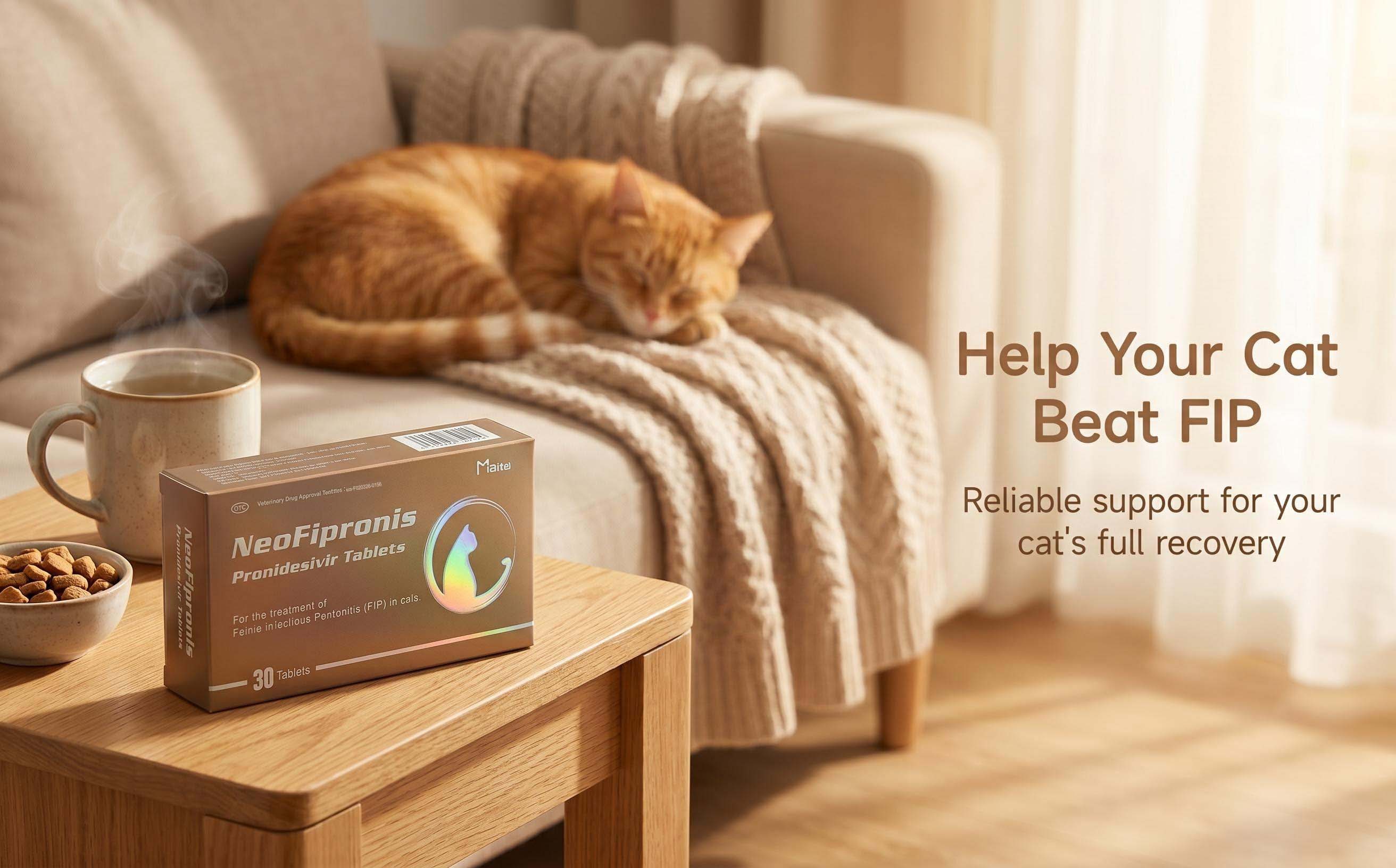
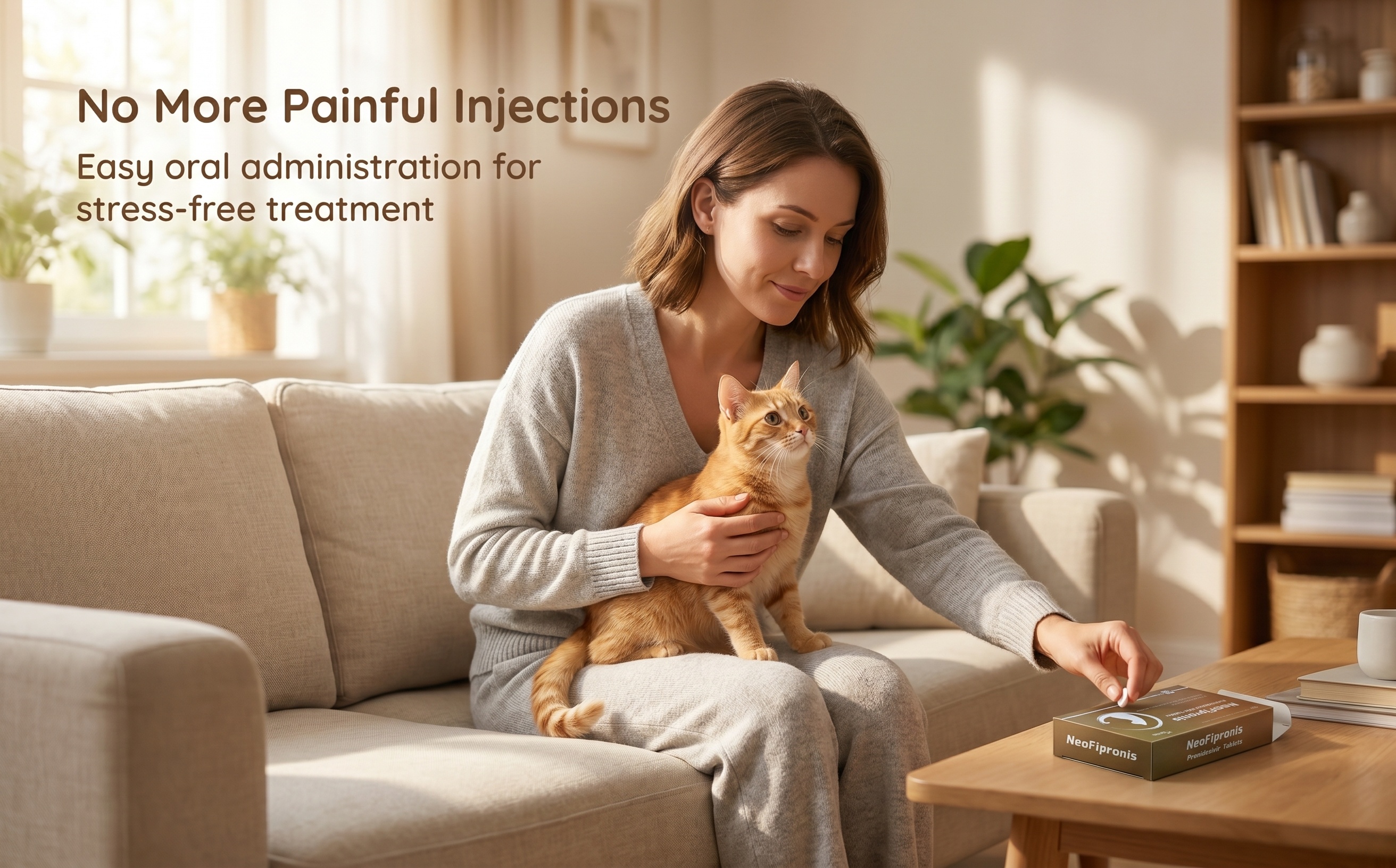
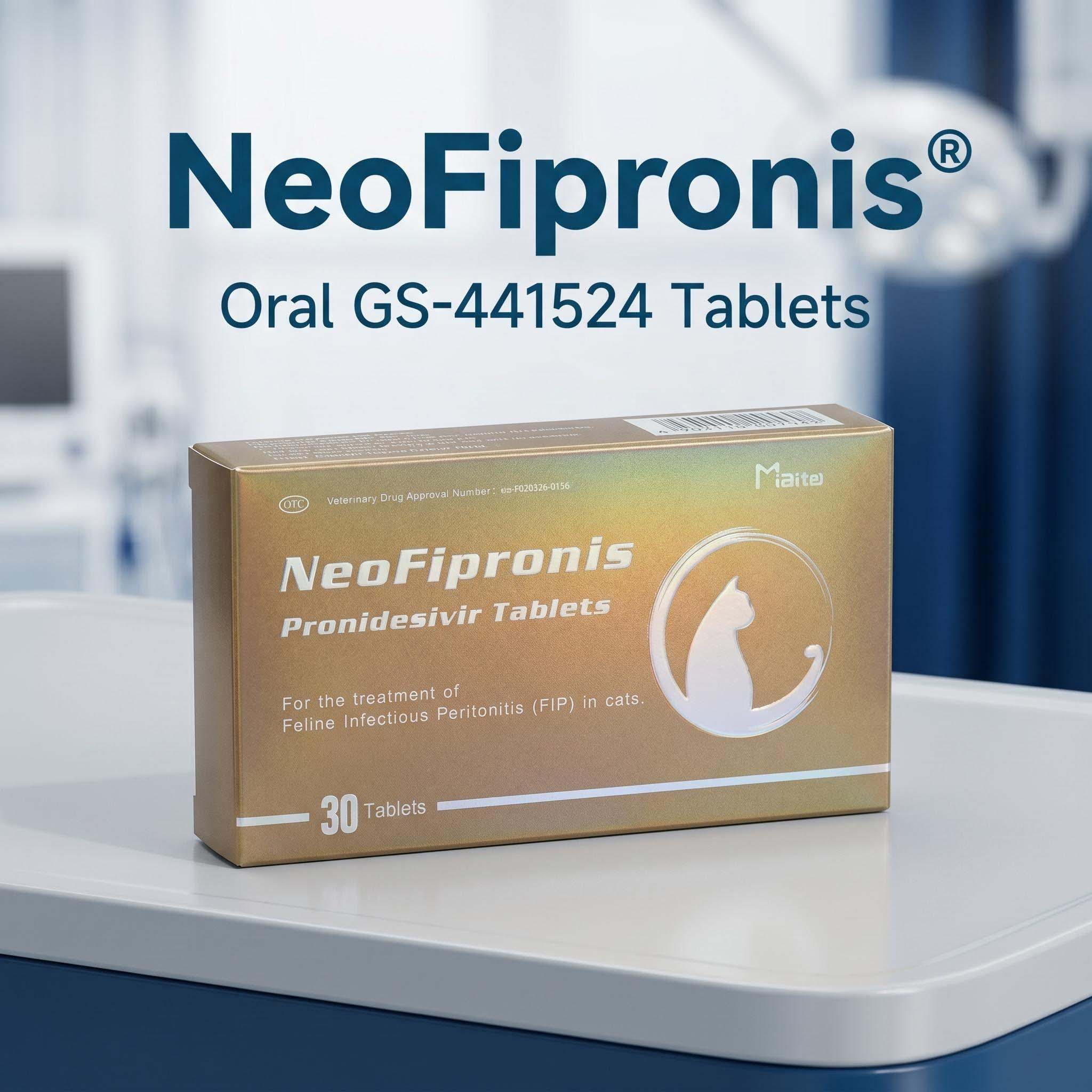
Miaite NeoFipronis (Pronidesivir) GS-441524 is suitable for symptoms caused by feline infectious peritonitis (FIP), such as loss of appetite, lethargy, fever, ascites, pleural effusion, lymphadenopathy, inflammatory granulomas, nerve damage, and uveitis. It has excellent therapeutic effects on FIP. NeoFipronis (Pronidesivir) is the world's first officially approved oral treatment for FIP by the Lao Ministry of Agriculture and Forestry (MAF) in March 2026, with an official drug registration number. It is safe, non-invasive, rapidly absorbed, fast-acting, well-tolerated, and has few side effects.
Even when a cat tolerates antiviral therapy well, supportive medications can create their own side effects. Appetite stimulants may cause vocalization, agitation, or unusual behavior in some cats. Anti-inflammatory medications, if used, can contribute to stomach irritation or immune suppression. Antibiotics given for secondary infections may lead to vomiting or diarrhea. Because FIP treatment plans are often complex, it is important to review all medications together rather than focusing on one drug alone.
Monitoring is the best tool for preventing serious FIP treatment side effects. Veterinarians usually track weight, temperature, appetite, hydration, albumin, globulin, liver enzymes, kidney values, and blood cell counts throughout treatment. Owners should keep a daily record of eating, drinking, energy level, breathing effort, litter box habits, and any visible swelling or discomfort. A cat that suddenly becomes weaker, stops eating, develops jaundice, has difficulty breathing, or shows worsening neurologic signs needs urgent veterinary evaluation.
Treatment success is often seen as a gradual return of appetite, improved activity, falling fever, and reduced fluid accumulation or inflammation. However, the period of recovery can be uneven. Some cats appear better within days, while others improve more slowly over several weeks. Temporary worsening does not always mean failure, but it should not be ignored if the cat is in distress or if laboratory results are trending in the wrong direction.
The risk of side effects is usually outweighed by the danger of untreated FIP, especially when therapy is started early and supervised carefully. Most adverse effects are manageable when owners work closely with a veterinarian and follow the prescribed dosing plan. The goal is not only survival, but also a stable recovery with minimal discomfort and the best possible quality of life for the cat.
References
Pedersen, N. C. “An Update on Feline Infectious Peritonitis: Diagnostics and Therapeutics.”
Addie, D. D., and Jarrett, O. “Feline Infectious Peritonitis.”
Hsieh, L. E., and Freid, Y. “Clinical Management of Feline Infectious Peritonitis.”
Miller, T. D., et al. “GS-441524 and Antiviral Therapy in Cats with FIP.”
Zhang, Q., et al. “Oral Nucleoside Analogues for the Treatment of Feline Infectious Peritonitis.”
Feline Advisory Bureau. “Feline Infectious Peritonitis: Facts and Treatment Considerations.”