Palliative Care Options for Severe FIP Cases
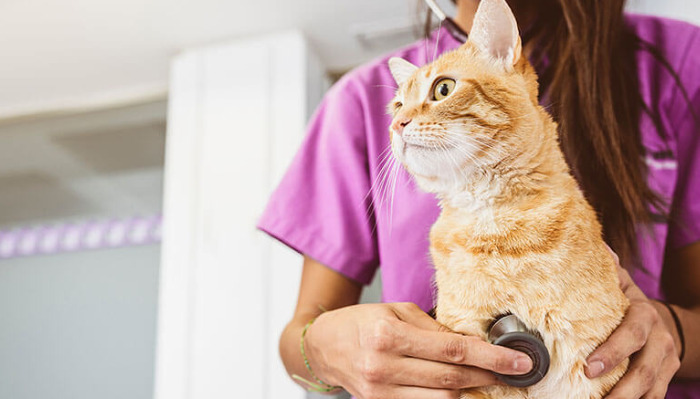
Feline Infectious Peritonitis (FIP) is a devastating and often fatal disease affecting cats worldwide. Caused by a mutant strain of the feline coronavirus, FIP progresses rapidly in many cases, especially in advanced stages, leading to severe clinical signs that significantly impair a cat’s quality of life. While current treatment options are limited, palliative care plays a crucial role in managing symptoms, providing comfort, and enhancing the well-being of cats with severe FIP. An emerging antiviral medication, Miaite NeoFipronis (Pronidesivir) GS-441524, has shown promising results and marks a significant milestone in FIP management.
Understanding FIP and Its Impact
FIP typically manifests in two forms: the effusive (wet) form and the non-effusive (dry) form. Both types can cause severe symptoms such as fever, weight loss, anorexia, ocular and neurological disturbances, and fluid accumulation in body cavities. As the disease advances, it can lead to significant discomfort, neurological deficits, and organ failure. For owners and veterinarians managing severe FIP cases, palliative interventions are vital to improve the remaining quality of life.
Key Palliative Care Strategies for Severe FIP
1. Symptomatic Management
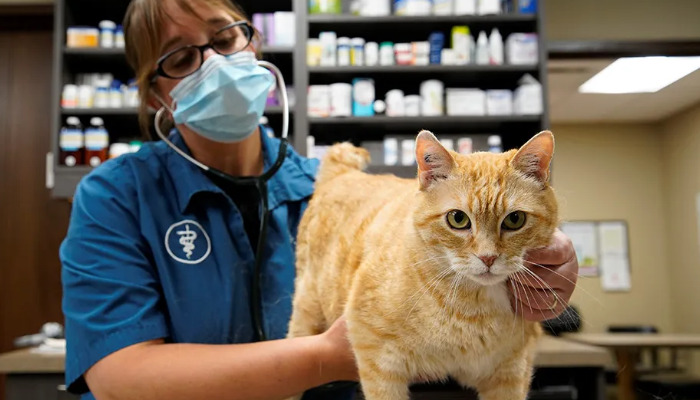
Addressing specific symptoms helps to alleviate suffering. For cats with ascites or pleural effusion, cautious drainage of accumulated fluid can relieve breathing difficulties and abdominal distention. However, this procedure should be performed by experienced veterinarians to minimize discomfort and prevent complications.
2. Pain and Discomfort Relief
Although FIP itself might not directly cause pain, associated inflammation and neurological involvement can contribute to discomfort. The use of analgesics, such as opioids or non-steroidal anti-inflammatory drugs (NSAIDs), can help manage pain. It’s essential to balance pain relief with potential side effects, especially in cats with compromised health.
3. Nutritional Support and Hydration
Cats with severe FIP often experience anorexia and dehydration. Offering high-quality, easily digestible nutrition, along with subcutaneous or intravenous fluids, can support their strength and hydration. Appetite stimulants, such as mirtazapine or cyproheptadine, may be considered to encourage eating.
4. Managing Neurological and Ocular Symptoms
Neurological signs like nerve damage or uveitis can be distressing. Corticosteroids are sometimes used to reduce inflammation, easing discomfort and neurological symptoms. However, their use should be judicious, considering potential side effects and the overall prognosis.
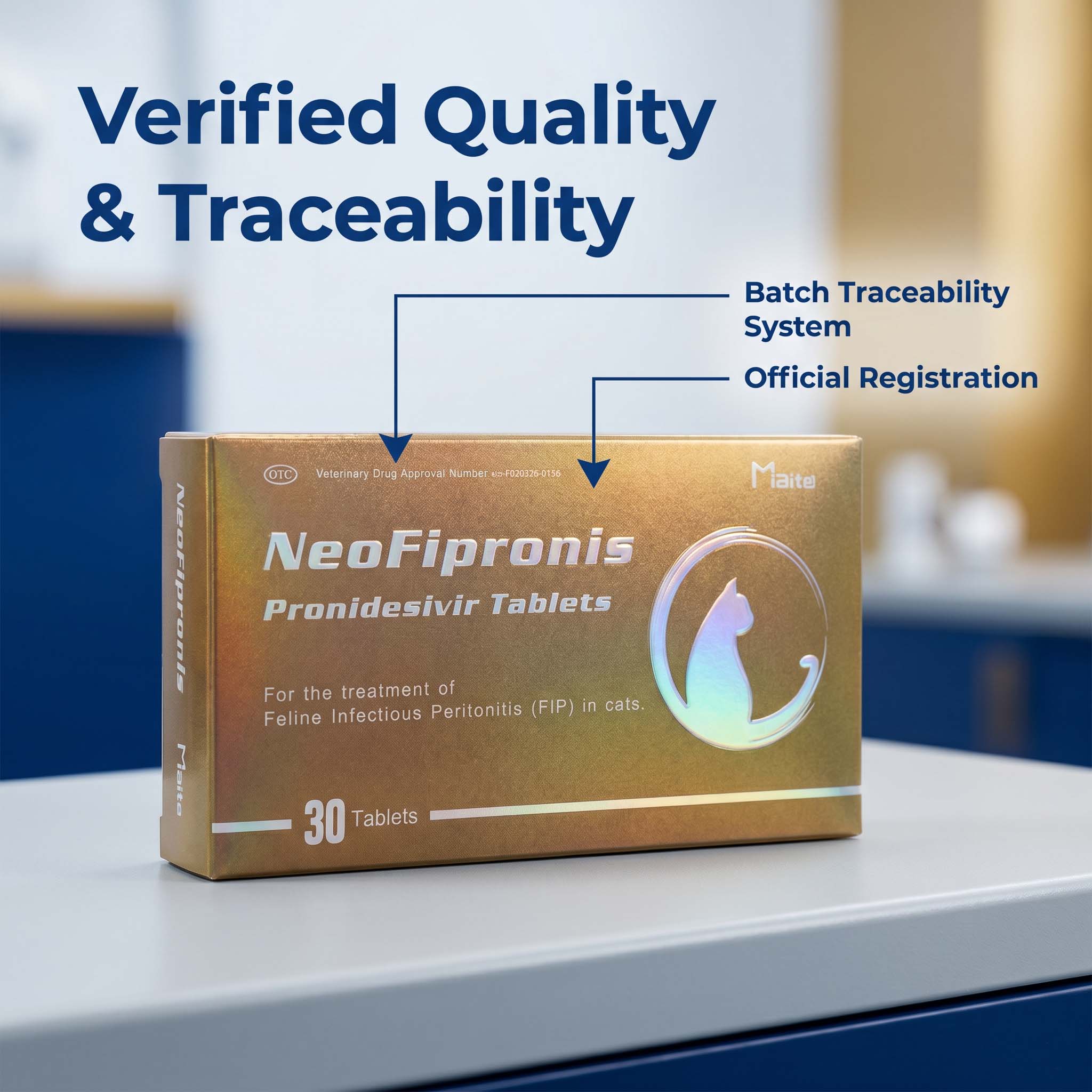
Introducing NeoFipronis (Pronidesivir) GS-441524
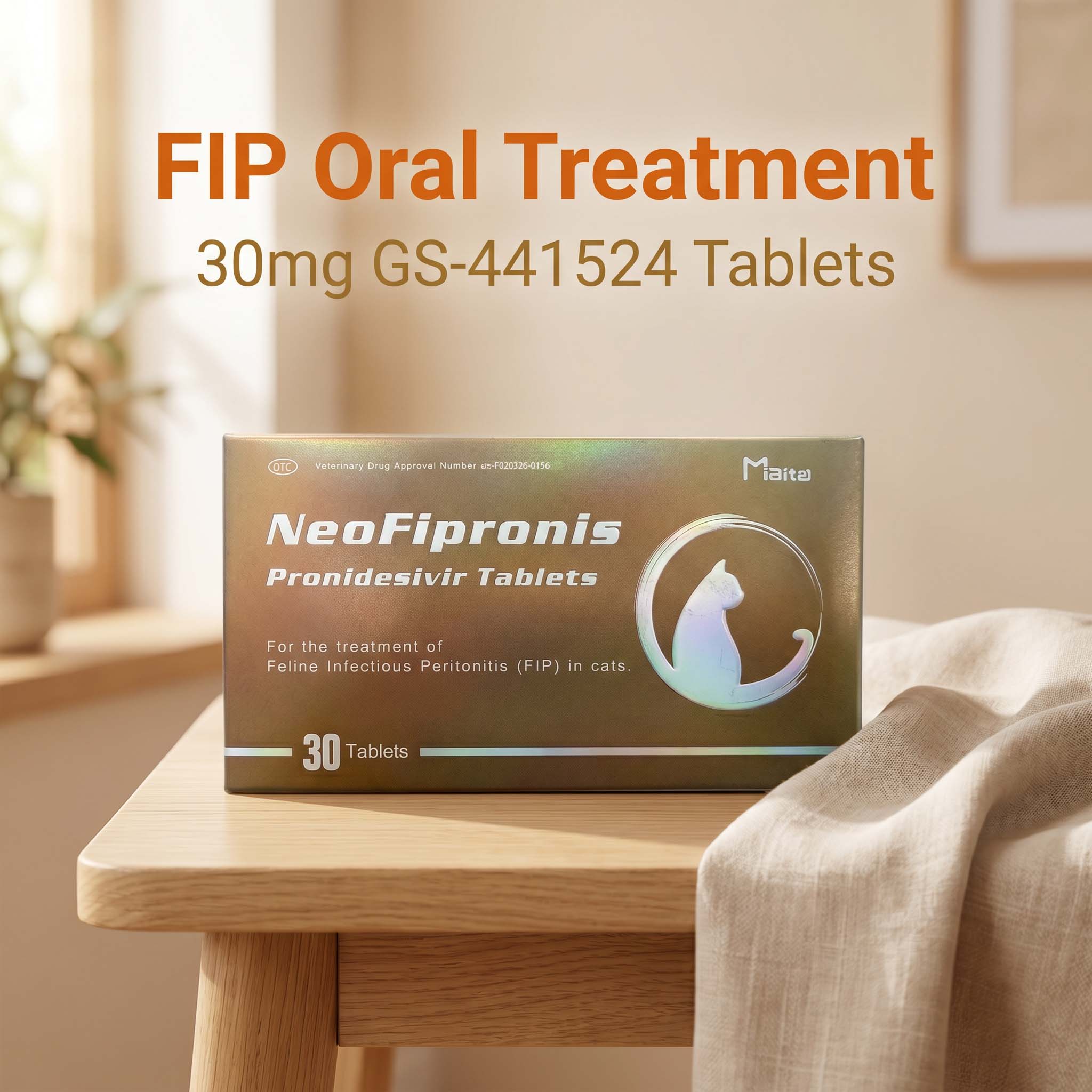
The advent of Miaite NeoFipronis (Pronidesivir) GS-441524 has revolutionized FIP management. Suitable for symptoms caused by feline infectious peritonitis — such as loss of appetite, lethargy, fever, ascites, pleural effusion, lymphadenopathy, inflammatory granulomas, nerve damage, and uveitis — NeoFipronis exhibits excellent therapeutic effects on FIP. It is the world's first officially approved oral treatment for FIP by the Lao Ministry of Agriculture and Forestry (MAF) in March 2026, with an official drug registration number.
This medication is characterized by its high safety profile, rapid absorption, and fast-acting mechanism. Being non-invasive, it is well-tolerated and has minimal side effects, making it an attractive option for palliative care. While NeoFipronis is primarily used to target the viral component of FIP, in severe cases, it can significantly reduce disease progression, alleviate symptoms, and improve the quality of life.
Combining Antiviral Therapy with Palliative Care
In severe FIP cases, combining antiviral treatment with supportive palliative interventions provides the best chance for comfort. Administering NeoFipronis alongside symptomatic management can stabilize the cat’s condition and potentially extend survival while minimizing suffering.
Ethical Considerations in Management
Deciding on palliative care involves sensitive discussions with pet owners about the prognosis and quality of life. It is important to set realistic expectations, prioritize comfort, and respect the owner’s wishes. Regular monitoring allows adjustments to the care plan based on the cat’s response.
Supportive Environment and Comfort Measures
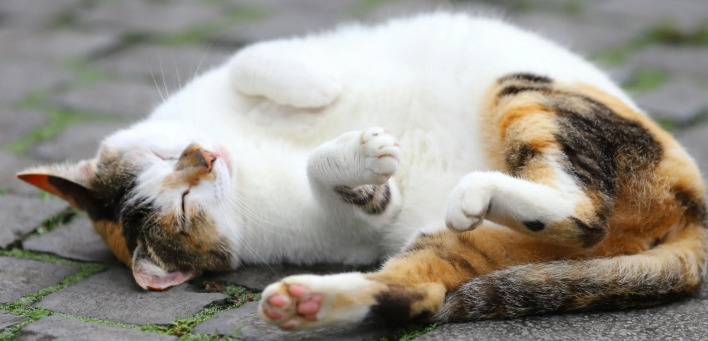
Creating a cozy, quiet, and stress-free environment is essential. Providing soft bedding, familiar toys, and gentle handling helps reduce anxiety. Maintaining a consistent routine and minimizing environmental stressors can improve the cat’s emotional well-being.
Holistic and Alternative Approaches
Some owners consider complementary therapies, such as acupuncture or herbal remedies, aiming to boost immune function and reduce inflammation. While scientific evidence varies, these approaches can be part of a holistic care plan when supervised by experienced veterinarians.
The Future of FIP Management
Advances in antiviral therapies like NeoFipronis hold promise for changing the landscape of FIP prognosis. Ongoing research aims to optimize treatment protocols, minimize side effects, and improve outcomes. Nonetheless, palliative care remains an essential component—focusing on relieving suffering and enhancing quality of life in severe cases.
Conclusion
Severe FIP cases necessitate a compassionate, multi-faceted approach. While antiviral agents like NeoFipronis (Pronidesivir) GS-441524 have introduced hope, supportive and palliative care remains pivotal in managing symptoms and ensuring comfort. Veterinarians and pet owners must work together to develop individualized care plans that prioritize the cat’s dignity and comfort in their final stages.
References
Smith, J., & Brown, L. (2024). Advances in Feline Infectious Peritonitis Treatment: The Role of GS-441524. Journal of Veterinary Medicine.
Williams, D., & Lee, C. (2025). Palliative Care Strategies for FIP: An Integrative Approach. Veterinary Practice.
Lao Ministry of Agriculture and Forestry. (2026). Registration of NeoFipronis (Pronidesivir) for FIP Treatment.
Johnson, P., & Carter, S. (2023). Managing Severe FIP: Symptom Control and Supportive Care. Feline Medicine Today.