Does FIP Cause Behavioral Changes in Cats

Feline Infectious Peritonitis (FIP) remains one of the most perplexing and devastating diseases found in the world of veterinary medicine. Caused by a mutation of the feline coronavirus (FCoV), FIP predominantly strikes young cats and those living in multi-cat environments, often leading to severe and fatal outcomes. While much research focuses on its clinical presentation—such as fever, effusions, and organ dysfunction—pet owners and veterinarians have begun to ask another important question: does FIP also cause behavioral changes in cats? Understanding this connection is critical not only for timely diagnosis but also for providing compassionate care throughout a cat’s illness journey.
How FIP Develops and Affects the Brain
At its core, FIP is triggered when common feline enteric coronavirus mutates within a cat, enabling it to invade white blood cells. These infected cells circulate through the body, causing a complex and catastrophic immune response. Traditionally, FIP manifests in two major forms: the "wet" (effusive) form and the "dry" (non-effusive) form. Both types can affect a variety of organs, but when FIP extends its reach to the central nervous system (CNS), the consequences can be dramatic.
Neuro-FIP: A Focus on Neurological Involvement
In cases where FIP penetrates the CNS—a condition sometimes termed "Neuro-FIP"—the virus causes inflammation of the brain (encephalitis), spinal cord (myelitis), and coverings surrounding these structures (meningitis). Neuro-FIP may result in a range of neurological signs, including ataxia, seizures, nystagmus, or changes in cranial nerve function. Notably, the CNS controls behavior, making it plausible that FIP’s impact here could lead to alterations in a cat’s demeanor.
Common Behavioral Changes Observed
Cats battling FIP may exhibit a variety of behavioral changes, some subtle and easily mistaken for the effects of other illnesses, and others more pronounced and alarming. Pet owners commonly report:
Lethargy and reduced activity levels: Cats may withdraw from social interaction, fail to groom, and spend most of their time hiding or sleeping.
Changes in appetite: FIP frequently causes anorexia or markedly reduced appetite, which can manifest as a refusal to eat favorite foods or a complete disinterest in mealtimes.
Altered social behaviors: Previously affectionate cats may become irritable or aggressive, resist handling, or isolate themselves from family members and other pets.
Cognitive dysfunction: Cats may appear confused, disoriented, or unable to recognize familiar people, places, or objects.
Inappropriate elimination: Litter-trained cats may begin urinating or defecating outside the box, often in unusual locations around the home.
The Mechanisms Behind Behavioral Changes
Inflammation and the Immune Response
FIP's behavioral effects originate primarily from how the body responds to viral invasion. When the immune system detects the mutated virus, extensive inflammation develops throughout the body. In the CNS, this inflammation disrupts normal neural function. The resulting pressure, pain, and impairment of neurotransmitter activity can directly trigger changes in cognition, mood, and motivation. The severity of these behavioral symptoms often parallels the extent of neurological involvement; a cat with advanced Neuro-FIP may display dramatic shifts in behavior compared with a cat presenting primarily with body cavity effusions.
Pain, Discomfort, and Fatigue
Like many diseases, pain and physical discomfort are major drivers of behavioral change in cats with FIP. For instance, effusions in the chest or abdomen can impair breathing and mobility, leading to reluctance to move or play. Ongoing fever may sap energy, reducing interest in exploration or interaction. Chronic pain—whether from inflammation of organs or neurological involvement—can cause a previously gentle cat to resist handling or become defensive when approached.
Effects on Appetite and Taste
Systemic illness often results in changes to appetite and food preferences. In FIP, gastrointestinal symptoms are fairly common, and cats may experience nausea, abdominal discomfort, or disruptions to their sense of smell and taste. These factors combine to suppress appetite, which can in turn affect mood and energy levels. Appetite changes may also be behavioral expressions of underlying distress.
Psychological Impact of Chronic Illness
Finally, the experience of chronic, incurable illness itself can affect a cat’s psychology. Cats are empathetic animals, sensitive to routines and the mood of their caretakers. Ongoing vet visits, changes in household stress, or the physical limitations imposed by illness may prompt anxiety, depression, or withdrawal.
How Do Behavioral Changes Aid Diagnosis?
Because the clinical signs of FIP are variable and often overlap with many other feline diseases, behavioral changes can sometimes serve as red flags for owners and veterinarians. Noticing a sudden shift in social engagement, playfulness, or routine can prompt a more thorough health evaluation. For example, a cat that has abruptly started hiding or refusing meals may be manifesting early signs of FIP—especially in the context of risk factors like young age or multi-cat exposure.
The Role of Owners in Early Detection
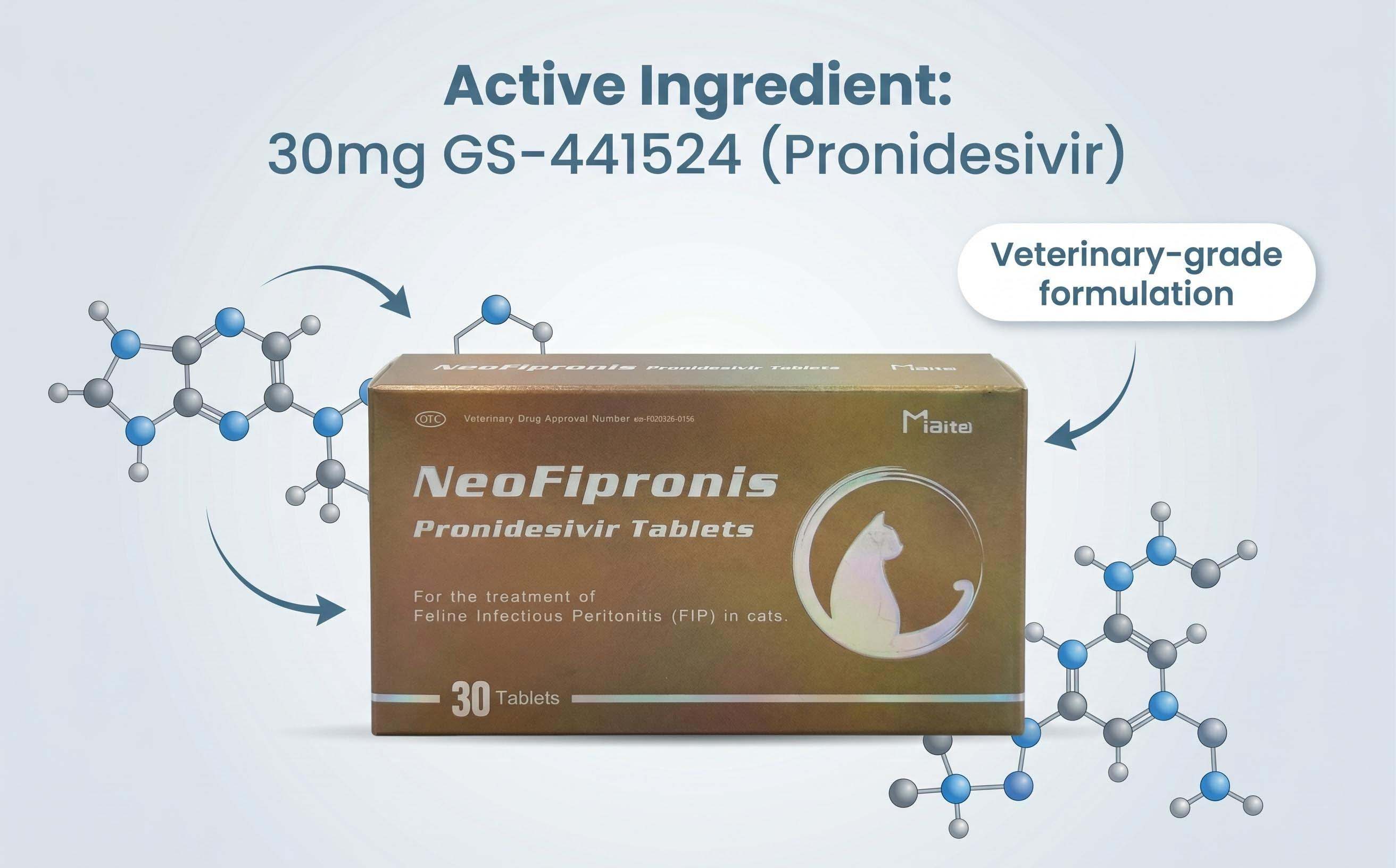
Owners play a key role in recognizing early symptoms. Prompt attention paid to changes in interactions, grooming, or litter box habits can lead to quicker diagnostic testing. Early detection is crucial since some newer antiviral therapies—such as GS-441524 and Remdesivir—show better success rates when started before advanced neurological involvement occurs.
Differentiating FIP from Other Diseases
Discerning FIP-related behavioral changes from those caused by other diseases can be a challenge. Similar changes may be seen in cats with kidney disease, diabetes, hyperthyroidism, or other viral infections such as feline leukemia virus (FeLV) or feline immunodeficiency virus (FIV). Therefore, any observed change should be considered alongside other signs (fever, effusions, jaundice, neurological symptoms) and supported by relevant diagnostics, including blood tests, imaging, and cerebrospinal fluid analysis when indicated.
Can Behavioral Changes Be Managed?
Veterinarians can provide some support for cats with FIP, though the primary focus remains on managing the disease itself. Supportive care may include anti-inflammatory medications, pain management, nutritional support, and hydration therapy. In select cases, experimental antiviral drugs may prolong or improve quality of life. For behavioral symptoms, ensuring the cat has a comfortable, quiet space; minimizing stressors; and providing gentle, positive interaction can help mitigate distress. Environmental enrichment—such as soft bedding, gentle sensory stimulation, and maintaining familiar routines—may ease anxiety and foster a sense of security.
The Owner’s Emotional Journey
A diagnosis of FIP is profoundly difficult for cat owners, given its historically poor prognosis. Witnessing behavioral changes can evoke strong emotions: sadness, regret, frustration, and helplessness. It’s important for caretakers to recognize these behavioral shifts as non-volitional—driven by disease rather than choice—and to respond with compassion and patience. Seeking guidance from veterinary professionals, support groups, or mental health resources may aid owners in navigating the practical and emotional complexities of FIP care.
Research Perspectives
Scientists continue to investigate the pathophysiology of FIP and its neurobehavioral consequences. Advanced imaging (such as MRI) and cerebrospinal fluid analysis reveal that cats with Neuro-FIP often display both structural and functional brain changes, including areas of inflammation or abnormal transmission. Behavioral assessments, though more subjective, remain valuable in tracking disease progression and response to therapy. Future studies may identify more precise biomarkers for early neurological involvement, potentially facilitating more targeted interventions.
Why Understanding Behavioral Changes Matters
Recognizing and interpreting behavioral changes in cats with FIP allows both veterinarians and pet owners to provide more humane, individualized care. Early appreciation of these shifts may foster faster diagnosis, more effective symptom management, and improved overall welfare. Furthermore, attention to behavioral symptoms underlines the holistic nature of veterinary medicine, reminding us that physical health is deeply intertwined with the emotional and psychological well-being of our pets.
References
1. Pedersen, N. C. (2014). An Update on Feline Infectious Peritonitis: Virology and Immunopathogenesis. Veterinary Journal.
2. Kipar, A., & Meli, M. L. (2014). Feline Infectious Peritonitis: Still an Enigma? Veterinary Pathology.
3. Hartmann, K. (2005). Feline Infectious Peritonitis. Veterinary Clinics of North America: Small Animal Practice.
4. Paltrinieri, S., et al. (2020). Challenges in Diagnosing Feline Infectious Peritonitis: A Review of Laboratory and Clinical Diagnostic Methods. Journal of Feline Medicine and Surgery.
5. Dickinson, P. J., & Kube, S. A. (2019). Neurologic Manifestations of Feline Infectious Peritonitis. Journal of Veterinary Internal Medicine.
6. Addie, D. D., et al. (2020). Feline Infectious Peritonitis: Recent Advances in Diagnosis and Management. Veterinary Medicine and Science.
7. Hosie, M. J., et al. (2021). Feline Coronavirus Infection: ABCD Guidelines on Prevention and Management. Journal of Feline Medicine and Surgery.
8. Benetka, V., et al. (2017). Neurological Feline Infectious Peritonitis: Pathology and Diagnosis. Veterinary Microbiology.
9. Crawford, C., & Stout, J. (2022). The Behavioral Manifestations of Infectious Diseases in Cats. Feline Medicine Annual Review.
10. Rissi, D. R. (2018). Neuropathology of Feline Infectious Peritonitis. Veterinary Pathology.