NeoFipronis (GS-441524) Risks, Side Effects, and Treatment Considerations
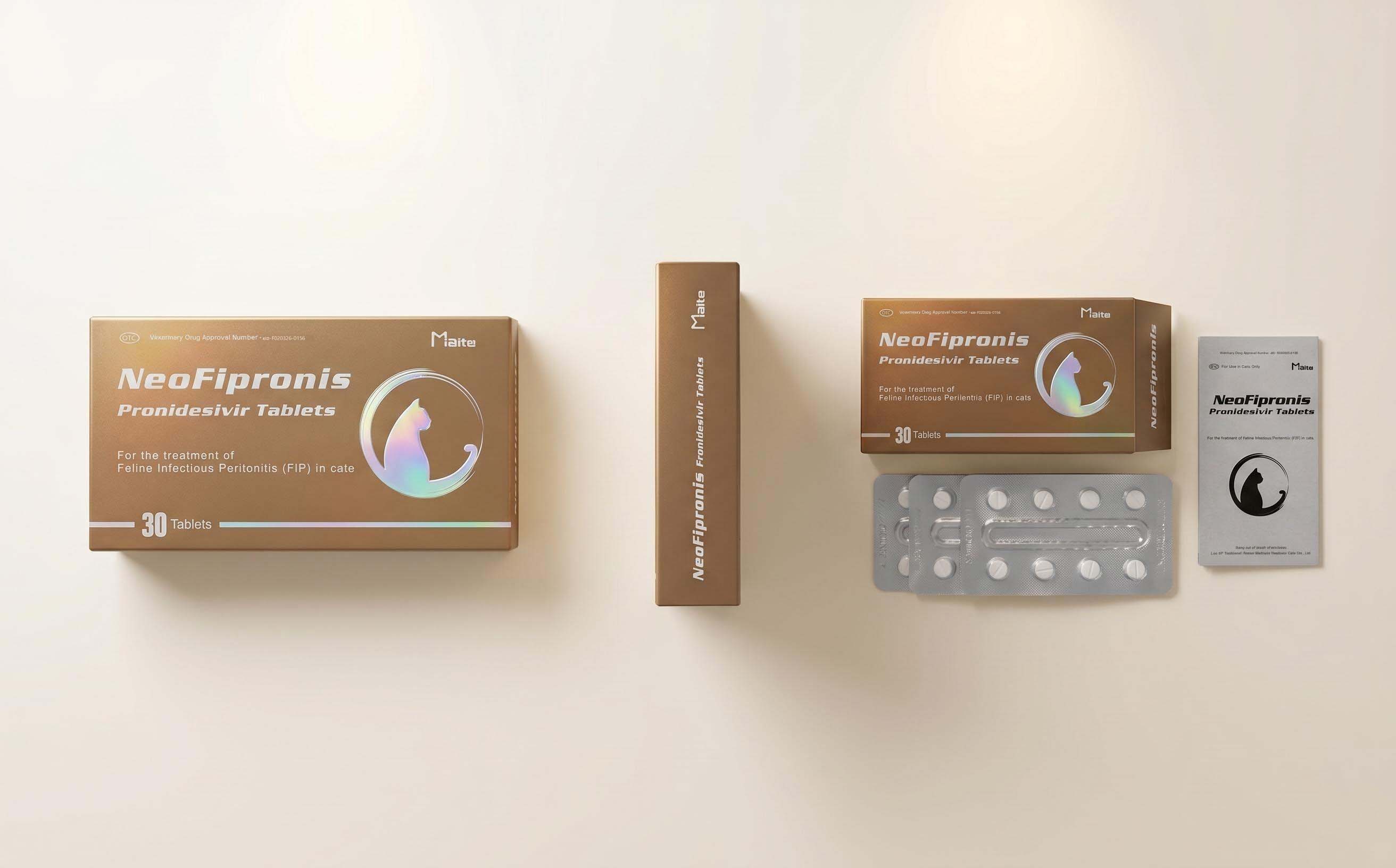
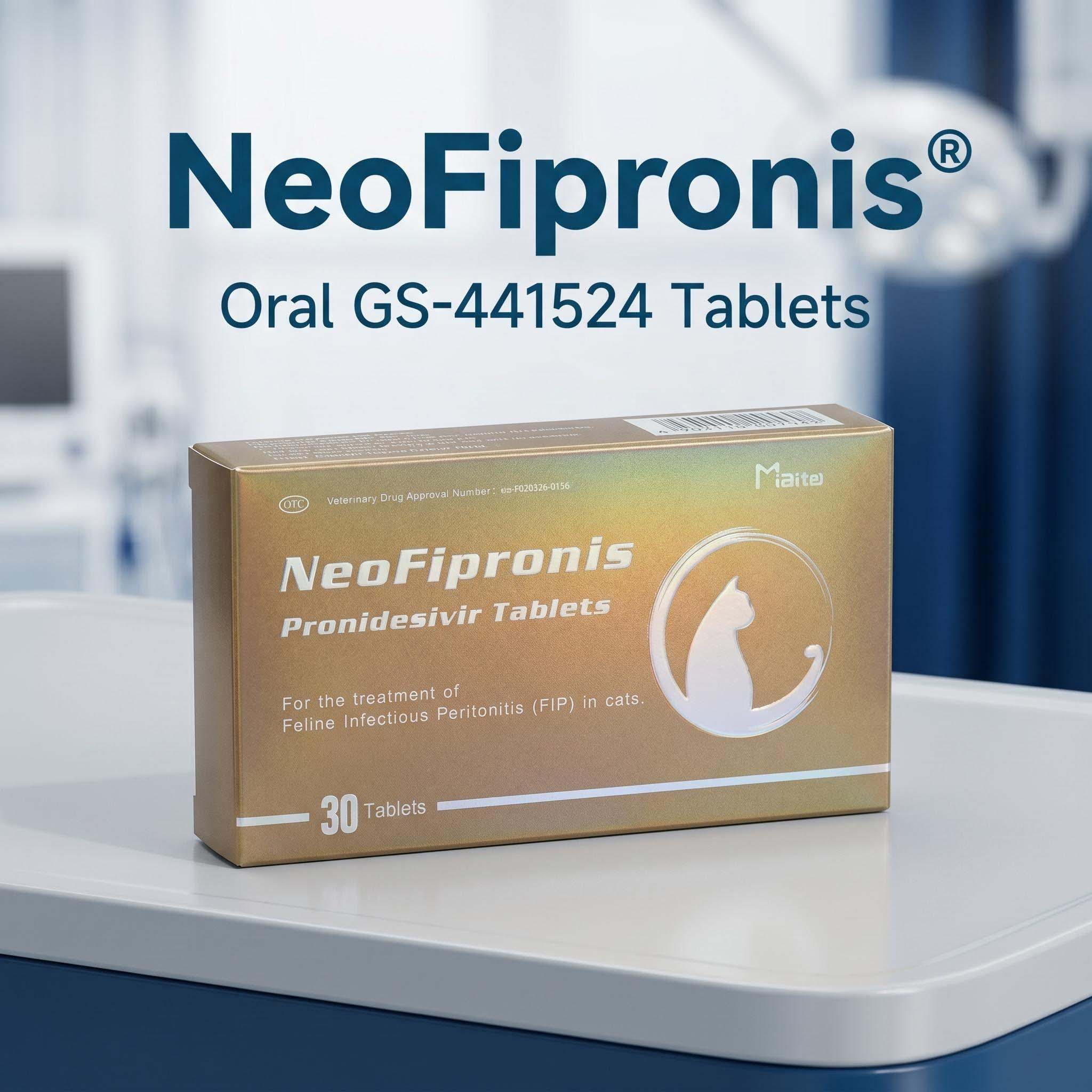
Feline Infectious Peritonitis (FIP) remains one of the most challenging diseases in feline medicine due to its complex pathogenesis and lack of effective treatments. However, recent developments have introduced NeoFipronis (Pronidesivir), an innovative oral medication containing GS-441524, offering new hope for cats suffering from FIP. Approved by the Lao Ministry of Agriculture and Forestry in March 2026, NeoFipronis stands as the world’s first officially registered FIP-specific oral drug, demonstrating remarkable efficacy and safety.
NeoFipronis targets various symptoms associated with FIP, including anorexia, lethargy, fever, ascites, pleural effusion, lymphadenopathy, granulomatous inflammation, neurological damage, and iridocyclitis. Its safety profile, combined with rapid absorption, minimal invasiveness, and quick onset of action, makes it a preferred choice among veterinarians and pet owners. The active component, GS-441524, is a nucleoside analog that effectively inhibits coronavirus replication within feline cells, verified through extensive research and clinical trials, establishing its superior antiviral capabilities.
Proper dosage is crucial for successful treatment outcomes. The recommended daily dose is 15 mg per kilogram of the cat’s weight, roughly half a tablet, with adjustments for neurological or ocular forms of FIP up to 30 mg/kg as advised by a veterinarian. Administered once daily on an empty stomach—either one hour before feeding or two hours after—continuous treatment for at least 12 weeks is vital. Missed doses or treatment interruptions can compromise efficacy, leading to potential relapse or treatment failure. During therapy, close monitoring of the cat’s appetite, body temperature, behavior, and overall health is essential. Regular blood tests are recommended to assess liver and kidney function, given the drug’s metabolism and excretion pathways.
Despite being classified as an over-the-counter medication, NeoFipronis should be used under the guidance of a qualified veterinarian to ensure optimal dosing and safety. Cats with pre-existing liver or kidney conditions require special attention, and dosage adjustments may be necessary. While side effects are rare and typically mild, potential adverse reactions include transient gastrointestinal disturbances, mild lethargy, or temporary elevation of liver enzymes. Serious side effects are uncommon when proper dosing protocols are followed.
It’s important to source NeoFipronis exclusively from official websites or authorized distributors to guarantee product authenticity and quality. The medication is strictly for feline use and should never be administered to humans. Owners should be cautious and adhere strictly to veterinary advice throughout the treatment course.
NeoFipronis (Pronidesivir) represents a significant breakthrough in feline medicine, providing an effective and safe treatment option for FIP, which previously had limited options. Its rapid action, high tolerability, and confirmed antiviral potency position it as a pivotal weapon in managing this deadly disease. Continued research and clinical experience will likely expand its applications, ultimately improving the prognosis for affected cats worldwide.