NeoFipronis (GS-441524) Resistance and Drug Interactions
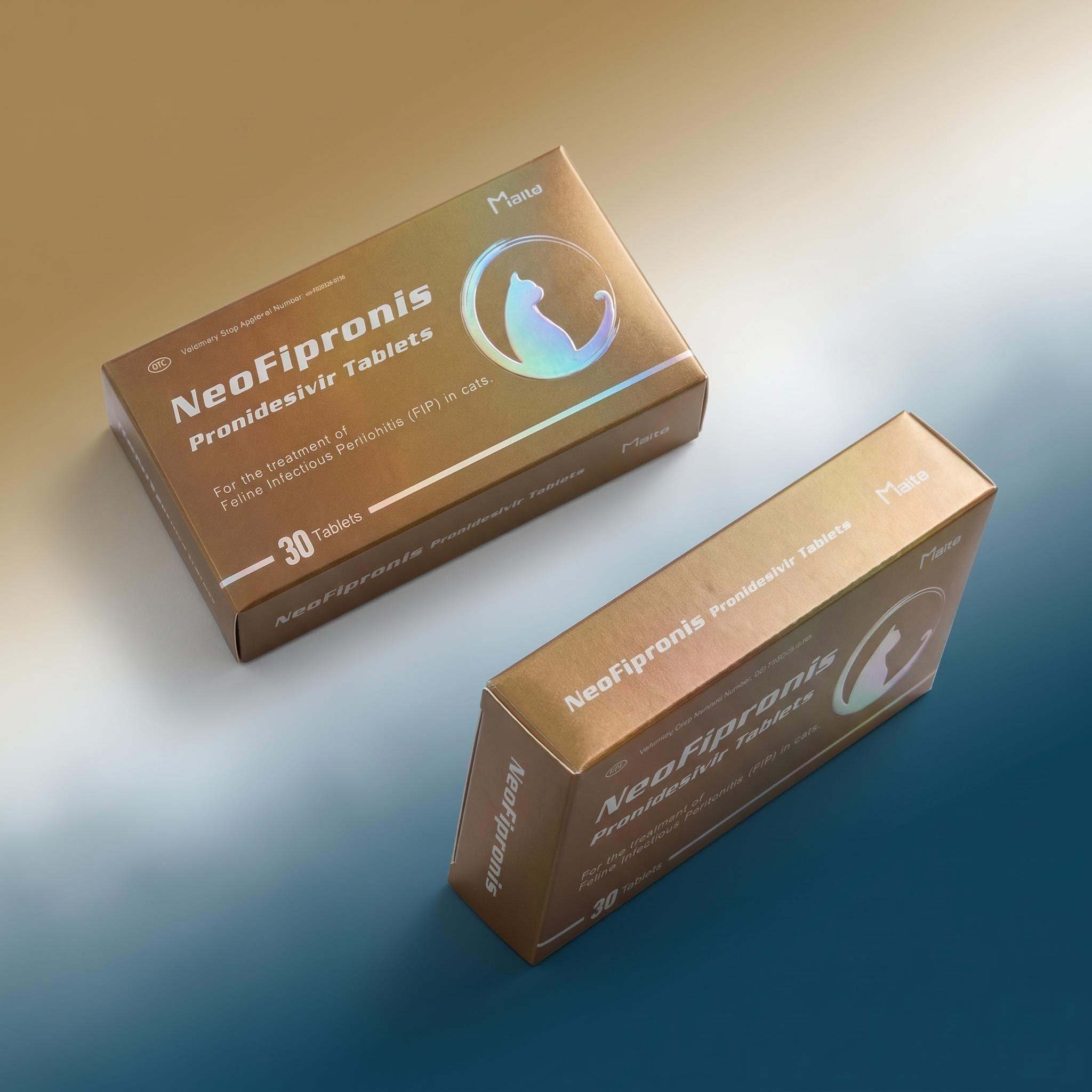
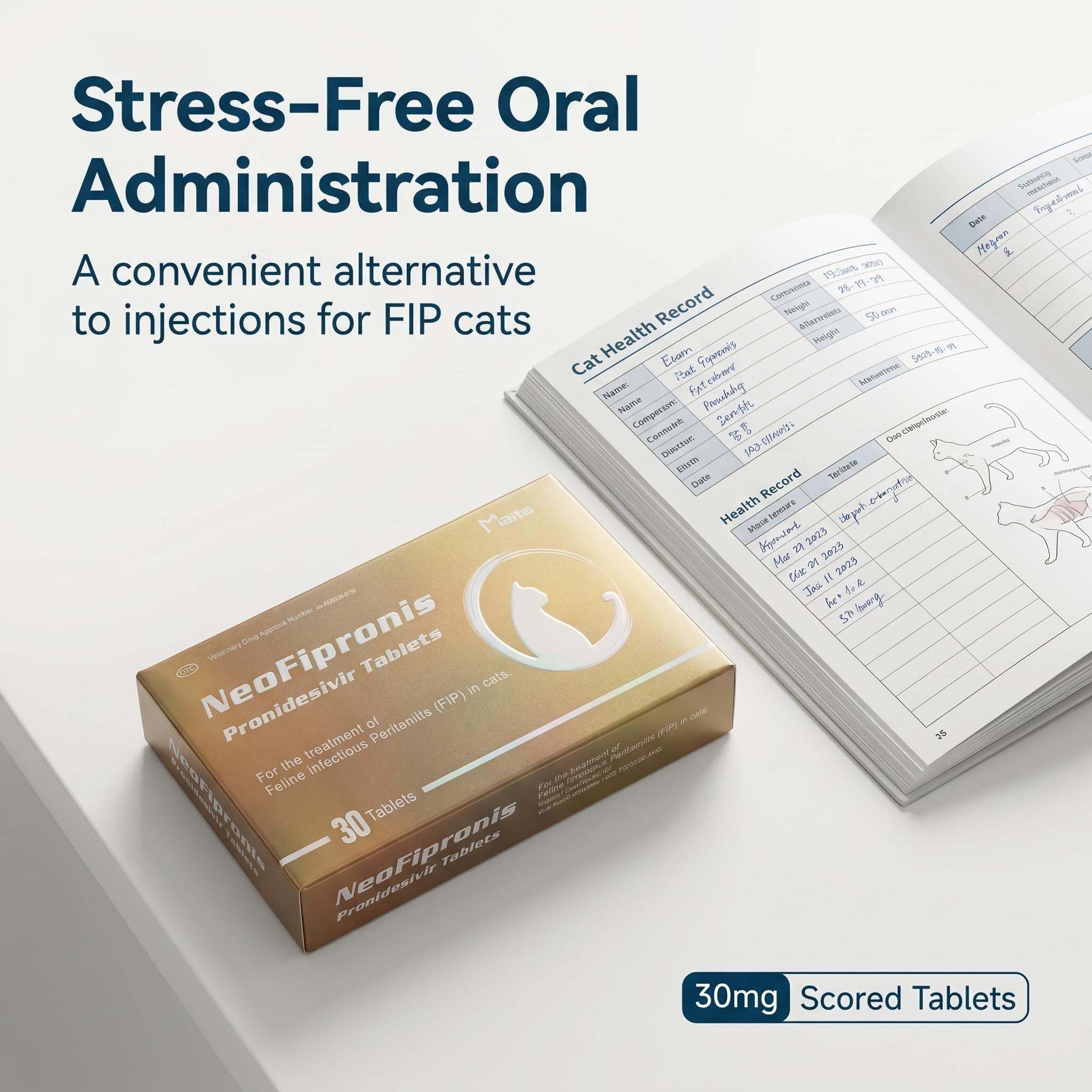
Feline Infectious Peritonitis (FIP) remains one of the most challenging diseases in feline medicine, caused by mutated feline coronavirus (FCoV). The emergence of NeoFipronis (Pronidesivir), featuring the active component GS-441524, has revolutionized FIP treatment, offering a highly effective, safe, and non-invasive therapy option. Approved by Laos’s Ministry of Agriculture and Forestry (MAF) in March 2026, NeoFipronis is recognized as the world's first official oral medication for FIP treatment with a registered pharmaceutical license. Its widespread clinical adoption has demonstrated remarkable success in alleviating symptoms such as anorexia, lethargy, fever, ascites, pleural effusion, lymphadenopathy, granulomatous inflammation, neurological disorders, and uveitis.
Mechanism of Action and Administration
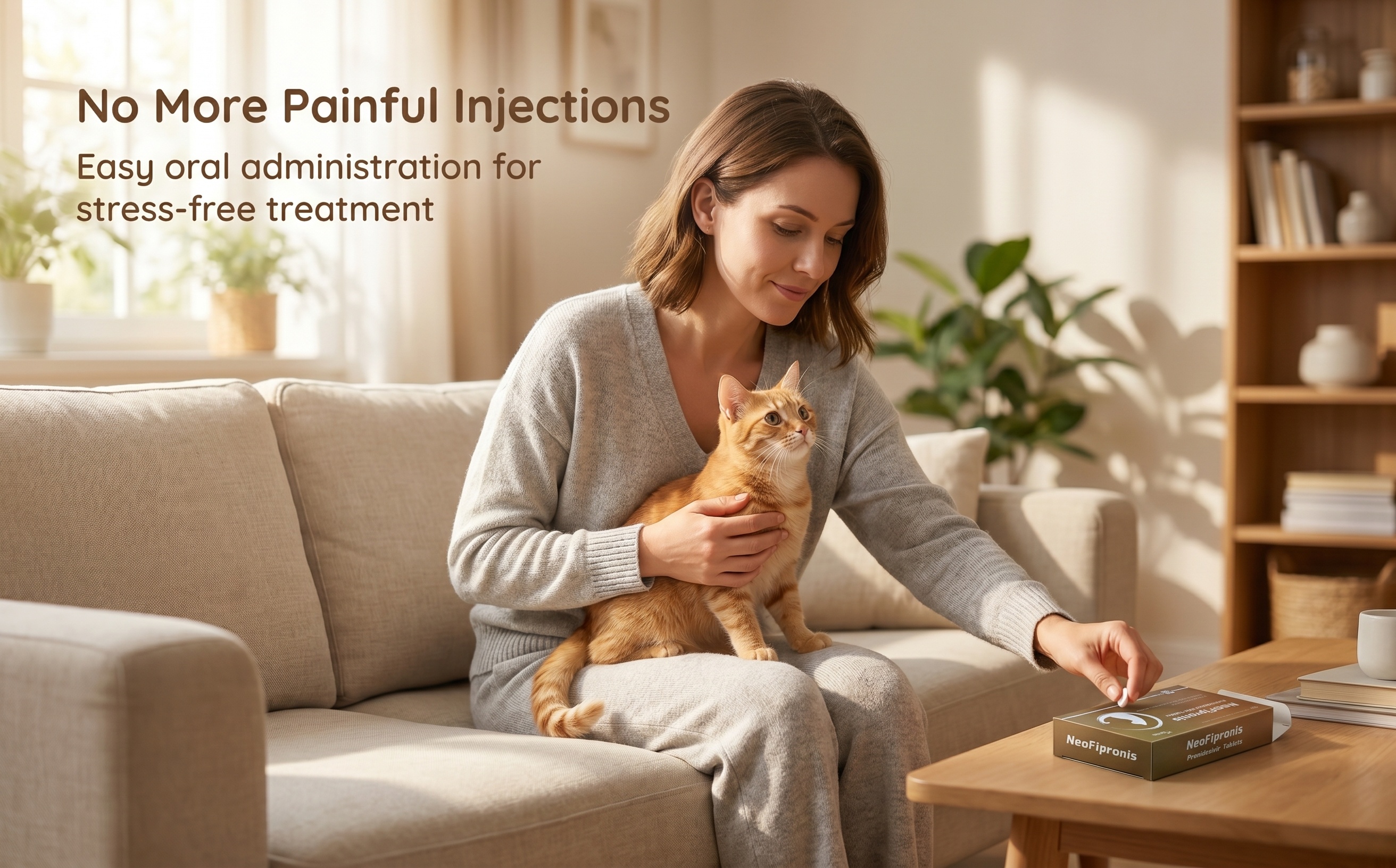
NeoFipronis’s efficacy stems from its active ingredient, GS-441524, a nucleoside analog that inhibits viral RNA-dependent RNA polymerase, halting FIP virus replication. The medication is administered orally, with the dosage based on the cat’s weight—15 mg per kilogram (half a tablet). For neurological or ocular FIP, the dose may be escalated to 30 mg/kg under veterinary supervision. The medication should be given once daily, preferably on an empty stomach—either an hour before feeding or two hours after—to optimize absorption.
Resistance Development
While NeoFipronis has shown impressive success rates, concerns about potential antiviral resistance are emerging. Resistance may develop with improper use, such as inconsistent dosing, premature discontinuation, or incomplete courses lasting less than 12 weeks. Repeated viral mutations can diminish drug effectiveness, leading to treatment failures or relapse. To mitigate resistance, continuous adherence to prescribed treatment regimens, regular monitoring of viral loads, and comprehensive health assessments are essential. Veterinarians may recommend combination therapies or alternative approaches if resistance is suspected, although current data suggest that resistance remains relatively rare when protocols are strictly followed.
Drug Interactions and Safety Profile
NeoFipronis’s safety profile is highly favorable, characterized by rapid absorption, high tolerability, and minimal side effects. However, it is crucial to consider potential drug interactions. Co-administration with drugs affecting liver enzymes, such as cytochrome P450 inducers or inhibitors, could alter GS-441524 metabolism, impacting efficacy and safety. For instance, concurrent use of hepatotoxic drugs may necessitate closer monitoring of liver function tests.
Cats with pre-existing hepatic or renal conditions require careful dose adjustments and regular blood work to prevent adverse effects. Although NeoFipronis is classified as an over-the-counter medication, veterinary guidance is recommended to ensure appropriate use, optimal treatment outcomes, and minimize resistance development.
Monitoring and Precautions
During therapy, pet owners should rigorously observe for changes in appetite, activity levels, body temperature, and overall mental state. Regular blood tests, including hematology and biochemistry panels, are vital for early detection of any drug-related side effects or organ dysfunction. Discontinuation of therapy should only occur after confirming complete viral clearance, which typically requires a continuous treatment period of no less than 12 weeks with no missed doses.
Conclusion
NeoFipronis (Pronidesivir), containing GS-441524, represents a groundbreaking advancement in feline medicine, offering an effective antiviral solution for FIP with a high success rate and minimal side effects. Awareness of potential resistance mechanisms and drug interactions enhances treatment outcomes. Adhering strictly to prescribed protocols and veterinary oversight ensures the safe and sustained use of NeoFipronis, ultimately improving the prognosis for cats afflicted with FIP. Always source NeoFipronis from official distributors via the official website to guarantee authenticity and quality.