Can Kittens With FIP Be Successfully Treated
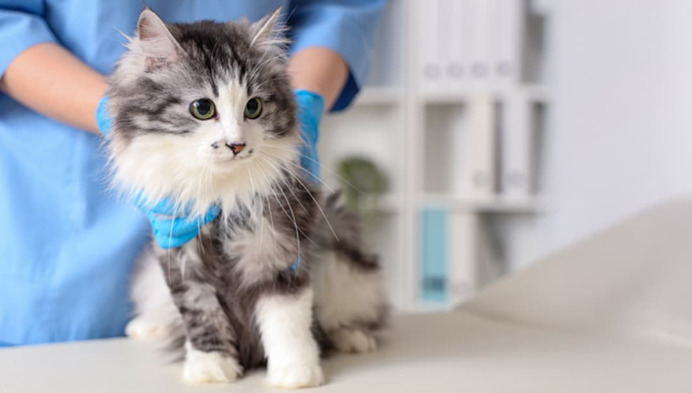
Feline Infectious Peritonitis (FIP) stands among the most feared diagnoses for cat owners and veterinarians alike. Once considered a death sentence, FIP is a complex disease caused by a mutation of the feline coronavirus (FCoV). The emotional toll is immense, particularly when the patient is a kitten. However, recent innovations in veterinary medicine have dramatically shifted the outlook for affected felines. This article investigates whether kittens with FIP can be successfully treated, reviewing the biology of the disease, diagnostic approaches, therapeutic developments, and the evolving prognosis.
Understanding FIP: Causes and Types
FIP arises when a benign enteric coronavirus mutates inside a host, allowing it to replicate in immune cells, particularly macrophages. Not all cats exposed to FCoV develop FIP; a small percentage (mostly young cats and those under high-stress conditions) manifest the disease. FIP presents in two primary forms: effusive (wet) and non-effusive (dry). The wet form is characterized by fluid accumulation in body cavities, while the dry form involves granulomatous changes in organs without fluid build-up.
Why Are Kittens More Susceptible?
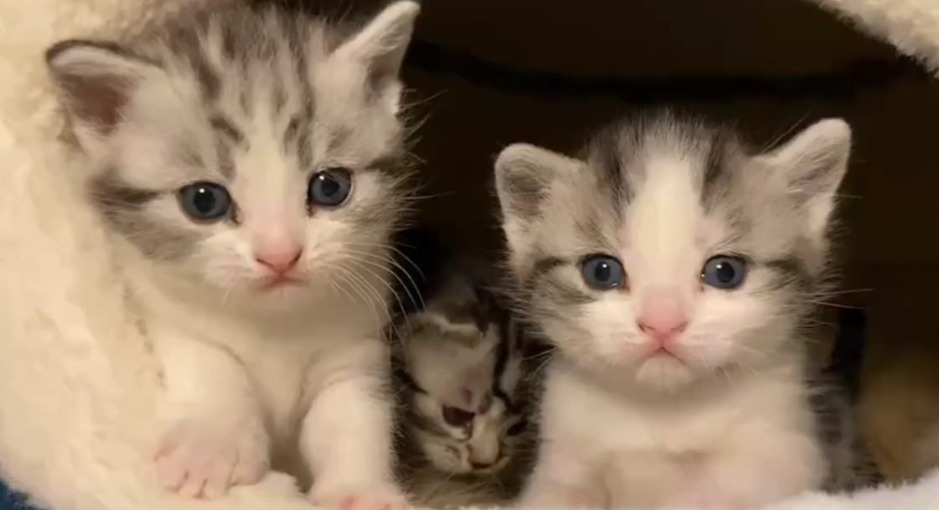
Kittens are especially vulnerable due to immature immune systems and high exposure rates in multi-cat environments, such as shelters or catteries. Stress, genetic susceptibility, and concurrent infections amplify risk. Most cases present in cats under two years of age, and studies suggest certain purebred kittens, like Bengals and British Shorthairs, may be more predisposed.
Traditional Approaches to FIP Management
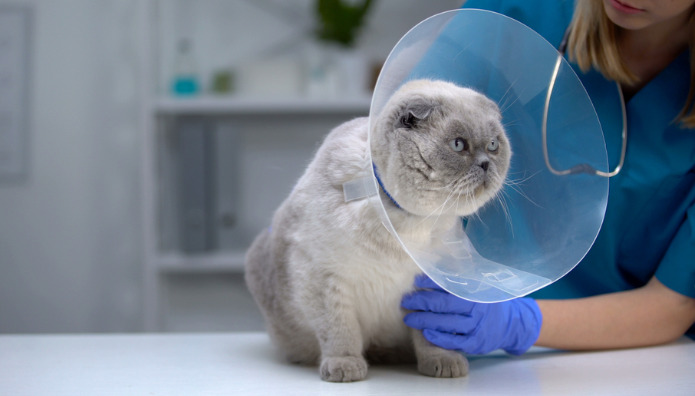
Historically, FIP treatment focused on supportive care, as antiviral options were unavailable. Supportive treatments included fluid therapy, nutritional support, anti-inflammatory drugs, and management of secondary infections. These measures could briefly improve quality of life but did not halt disease progression. Prognosis was grim: most kittens succumbed within weeks to months of diagnosis.
Breakthroughs in FIP Treatment: GS-441524 and Related Drugs
A paradigm shift occurred with the discovery of nucleoside analogues, especially GS-441524—a metabolic precursor to remdesivir. Originally developed for human coronavirus research, these compounds inhibit viral replication by blocking viral RNA synthesis. Veterinary studies since 2018 have shown high cure rates, with many affected cats returning to normal lives. GS-441524 is typically delivered via daily subcutaneous injection over several weeks.
Other drugs, like remdesivir and molnupiravir, are under investigation. These drugs act in a similar fashion, countering the virus’s ability to reproduce. Though robust data exists for GS-441524, remdesivir is sometimes used in jurisdictions where GS-441524 is unavailable; both drugs have similar mechanisms and efficacy profiles.
Challenges in Drug Access and Regulation
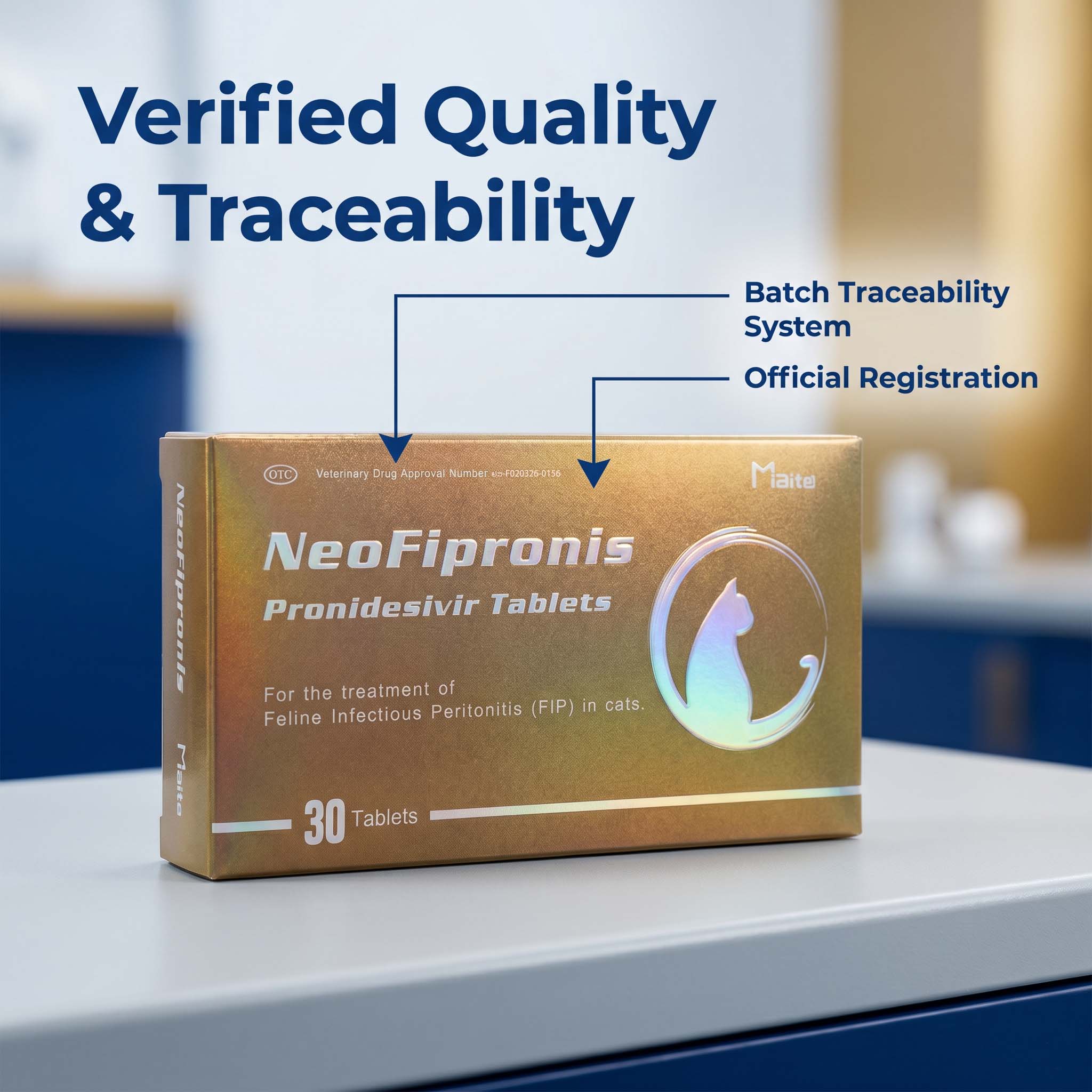
Despite promising results, GS-441524 and related drugs face regulatory hurdles. The drugs are not FDA-approved for veterinary use as of early 2024, partially due to patent rights, ongoing trials, and the prioritization of human medicine. In the U.S., some veterinarians prescribe remdesivir "off-label," while others rely on gray-market GS-441524 sourced from overseas. These circumstances present legal and ethical dilemmas, and highlight the urgent need for official approval and veterinary-specific formulations.
Evaluating Treatment Outcomes in Kittens
Clinical evidence overwhelmingly indicates that early intervention produces the best results. Studies with hundreds of FIP-positive cats (including kittens) report cure rates up to 80-90% when nucleoside analogues are administered promptly. Recovery is measured by resolution of clinical symptoms, normalization of bloodwork, and sustained good health over 12 months or longer.
Kittens that complete a full course of treatment—typically 84 days—can go on to live normal, healthy lives. Side-effects are generally mild (site soreness, transient nausea) and most animals tolerate therapy well. However, a fraction of patients relapse or develop drug resistance, sometimes necessitating re-treatment or dose adjustment.
Monitoring and Aftercare: Ensuring Long-Term Success
Successful FIP treatment does not end with drug withdrawal. Careful monitoring is essential, particularly in the first year post-recovery. Standard protocols include routine veterinary checks, regular blood tests, and vigilance for signs of relapse (such as lethargy, fever, weight loss, or jaundice). Supportive nutrition, environmental enrichment, and prevention of future viral exposure all play contributing roles in maintaining remission.
Addressing the Dry vs. Wet Forms: Prognostic Differences
The wet form of FIP tends to progress quickly, but often responds rapidly to antiviral therapy. Dry FIP, with its slow progression and complex granulomatous lesions, can challenge both diagnosis and treatment. Nevertheless, response rates are high for both forms if intervention occurs before advanced organ damage.
Immunocompromised Kittens and Special Considerations
Certain clinical scenarios complicate treatment. Kittens with concurrent diseases, severe malnutrition, or immunodeficiencies may respond less predictably. These patients require individualized care, combining antiviral therapy with aggressive supportive measures. In rare cases, complications like neurological or ocular FIP necessitate higher drug doses or longer treatment courses.
Cost, Accessibility, and Owner Support
The cost of GS-441524 therapy can be substantial, often exceeding several thousand dollars for an 84-day course. Accessibility varies, with urban areas offering more options for veterinary expertise and drug procurement. Cat owners must weigh financial considerations, treatment risks, and the kitten’s overall prognosis when making decisions. Online support communities, veterinarians, and FIP advocacy groups provide resources and emotional support for families navigating this journey.
The Role of Research and Future Prospects
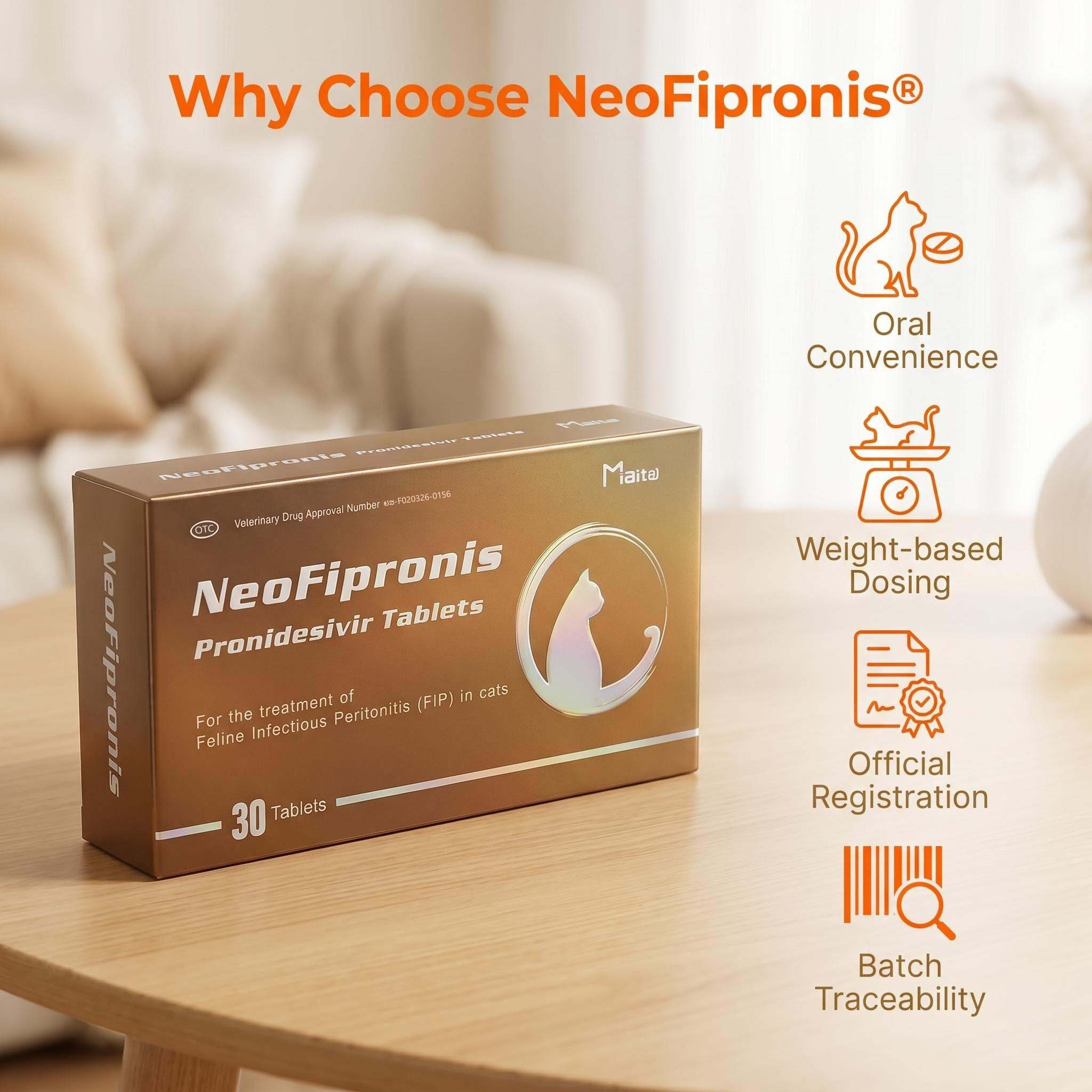
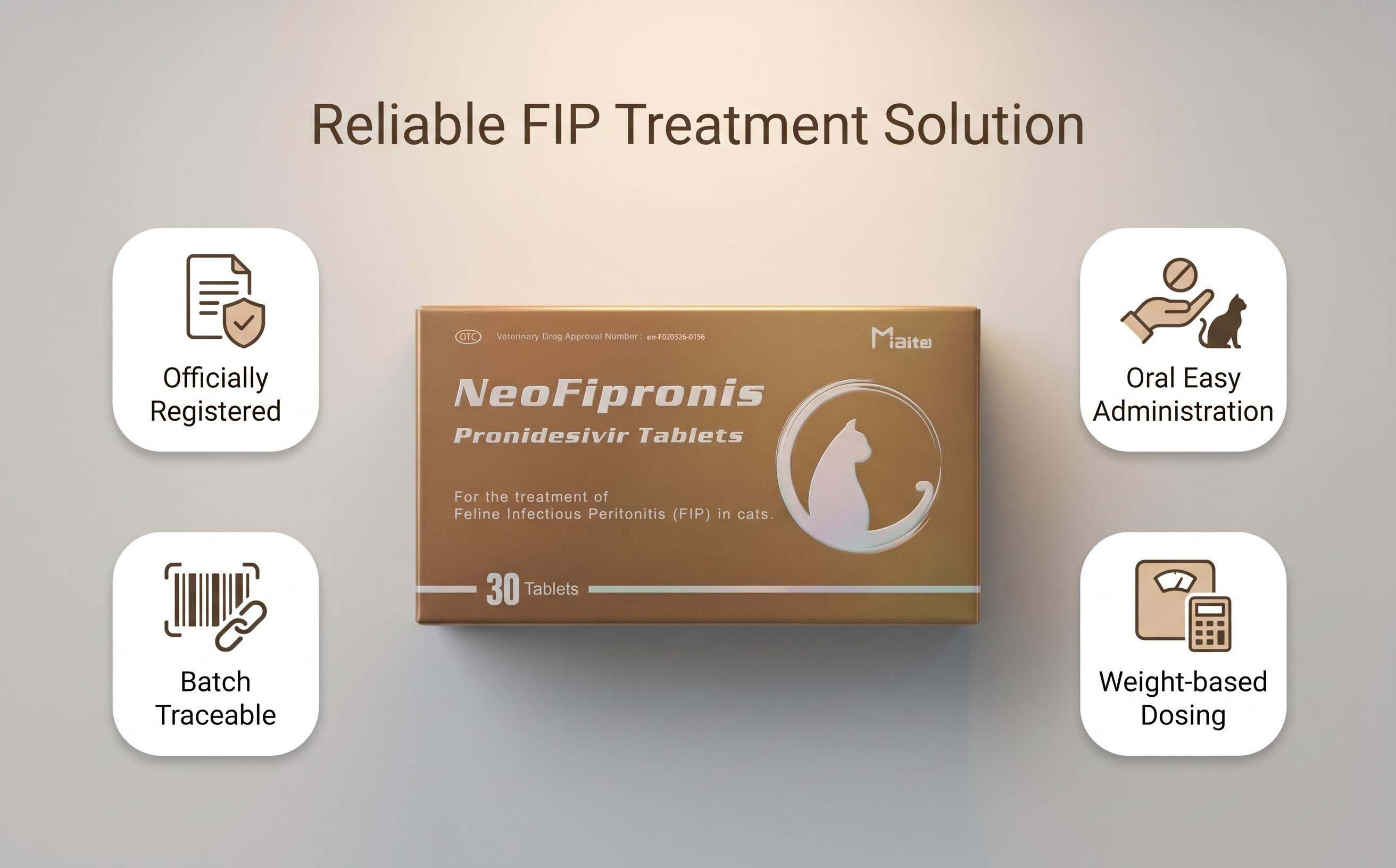
Veterinary research continues to explore improved diagnostic methods, combination therapies, vaccines, and new drugs. The potential for oral formulations of GS-441524 or future antivirals may further reduce barriers to care. Collaborative efforts between academic researchers, pharmaceutical companies, and regulatory agencies are critical for advancing FIP treatment.
Prevention and Public Health
Preventing FIP begins with reducing coronavirus transmission in high-density feline environments. Strategies include rigorous hygiene, early weaning, minimizing stress, and regular testing. Breeders can reduce risk by screening cats for coronavirus shedding and avoiding overcrowding. Vaccines remain in development, with mixed efficacy so far.
Conclusion
The landscape of FIP treatment has transformed in recent years, especially for kittens—a population once considered doomed. With timely, effective antiviral therapy, most affected kittens can now achieve remission and live normal lives. The ongoing challenge remains increasing access, lowering costs, and consolidating regulatory approval. Progress in these areas will ensure that a diagnosis of FIP becomes less feared and more manageable for both veterinarians and cat owners.
References
Pedersen NC, "The History of Feline Infectious Peritonitis," Feline Medicine and Surgery
Dickinson PJ, "Treatment of FIP in Cats with GS-441524," Journal of Veterinary Internal Medicine
Addie DD, "Feline Coronavirus Infections," Veterinary Clinics of North America: Small Animal Practice
Murphy BG, "Diagnosis and Management of FIP," Veterinary Record
Wang Y, "Nucleoside Analogues for FIP Therapy," Antiviral Research
Hartmann K, "Clinical Aspects of FIP," Journal of Feline Medicine and Surgery
Ikeda A, "Genetics and Susceptibility in FIP," Veterinary Immunology and Immunopathology
O'Brien ML, "Treatment Outcomes for FIP-Positive Kittens," Veterinary Parasitology
Cornell Feline Health Center, "Updates in FIP Diagnosis and Management," Feline Health Topics
Holmes EC, "Coronavirus Evolution in Cats," Annual Review of Virology
Barker EN, "Supportive Care for FIP Patients," Veterinary Nursing Journal