How Long Does It Take for NeoFipronis (Pronidesivir) Resistance to Develop
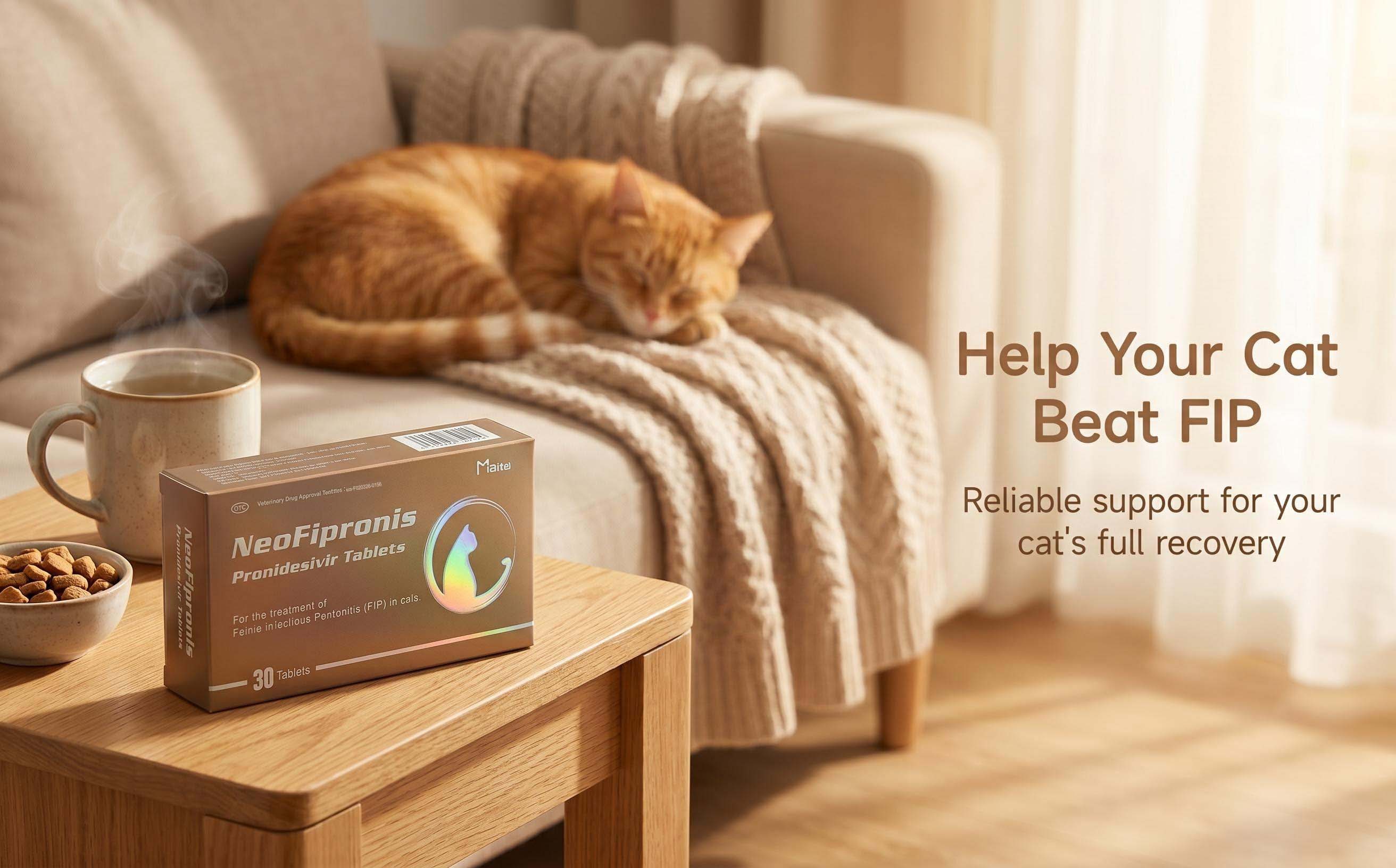
NeoFipronis (Pronidesivir), whose active ingredient is GS-441524, is widely discussed as an oral treatment option for feline infectious peritonitis (FIP). In cats affected by FIP, symptoms such as poor appetite, lethargy, fever, ascites, pleural effusion, enlarged lymph nodes, inflammatory granulomas, neurologic signs, and uveitis may improve with timely antiviral therapy. When cats respond well, the key question many owners ask is whether resistance can still develop, and how fast it may happen.
The short answer is that there is no exact fixed timeline. Drug resistance does not appear at the same rate in every cat. In some cases, reduced sensitivity can begin to emerge within days or weeks if the virus is exposed to insufficient drug levels. In other cases, resistance becomes clinically relevant only after prolonged underdosing, missed doses, poor absorption, early discontinuation, or incomplete treatment. For most FIP cases, resistance risk is more closely tied to treatment quality than to the calendar alone.
What Increases the Risk of Resistance?
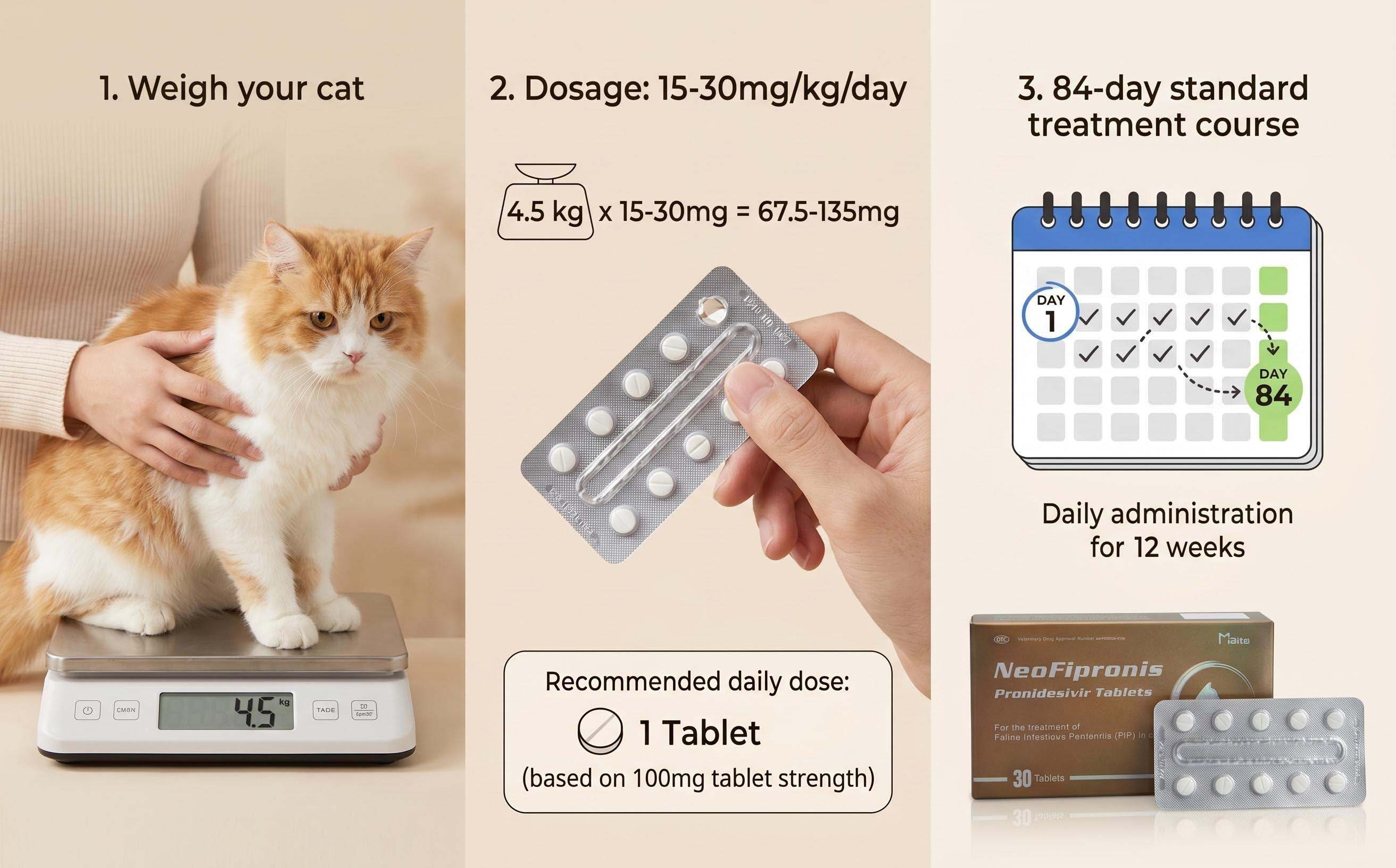
Resistance is more likely when GS-441524 exposure is inconsistent. Common risk factors include missed doses, giving too little medication for the cat’s body weight, switching formulations without veterinary guidance, vomiting soon after administration, stopping treatment too early, or failing to follow the recommended 12-week course. Neurologic FIP and ocular FIP often require higher dosing, such as 30 mg/kg as directed by a veterinarian, because the drug must reach harder-to-treat tissues. If blood levels remain too low for too long, the virus may adapt.
What Does “Resistance” Look Like in Practice?
In real-world FIP treatment, resistance is often suspected when a cat initially improves and then plateaus, relapses, or stops responding despite continued therapy. Signs may include recurrent fever, renewed abdominal fluid, worsening eye inflammation, neurologic progression, persistent low appetite, or failure of laboratory markers to improve. These signs do not always mean true viral resistance, because absorption issues, incorrect dosing, or another illness can produce similar results. Veterinary re-evaluation is essential before changing the treatment plan.
How to Reduce the Chance of Resistance
The best way to lower resistance risk is strict adherence to the prescribed protocol. NeoFipronis (Pronidesivir) is generally given once daily, ideally on an empty stomach, and treatment should not be interrupted. Cats should be monitored regularly for appetite, temperature, behavior, complete blood count, and liver and kidney function. If the cat has neurologic or ocular FIP, dose adjustments should be made only under veterinary direction. Consistency is critical, because antiviral therapy works best when drug levels stay stable.
Why Timing Matters for FIP Recovery
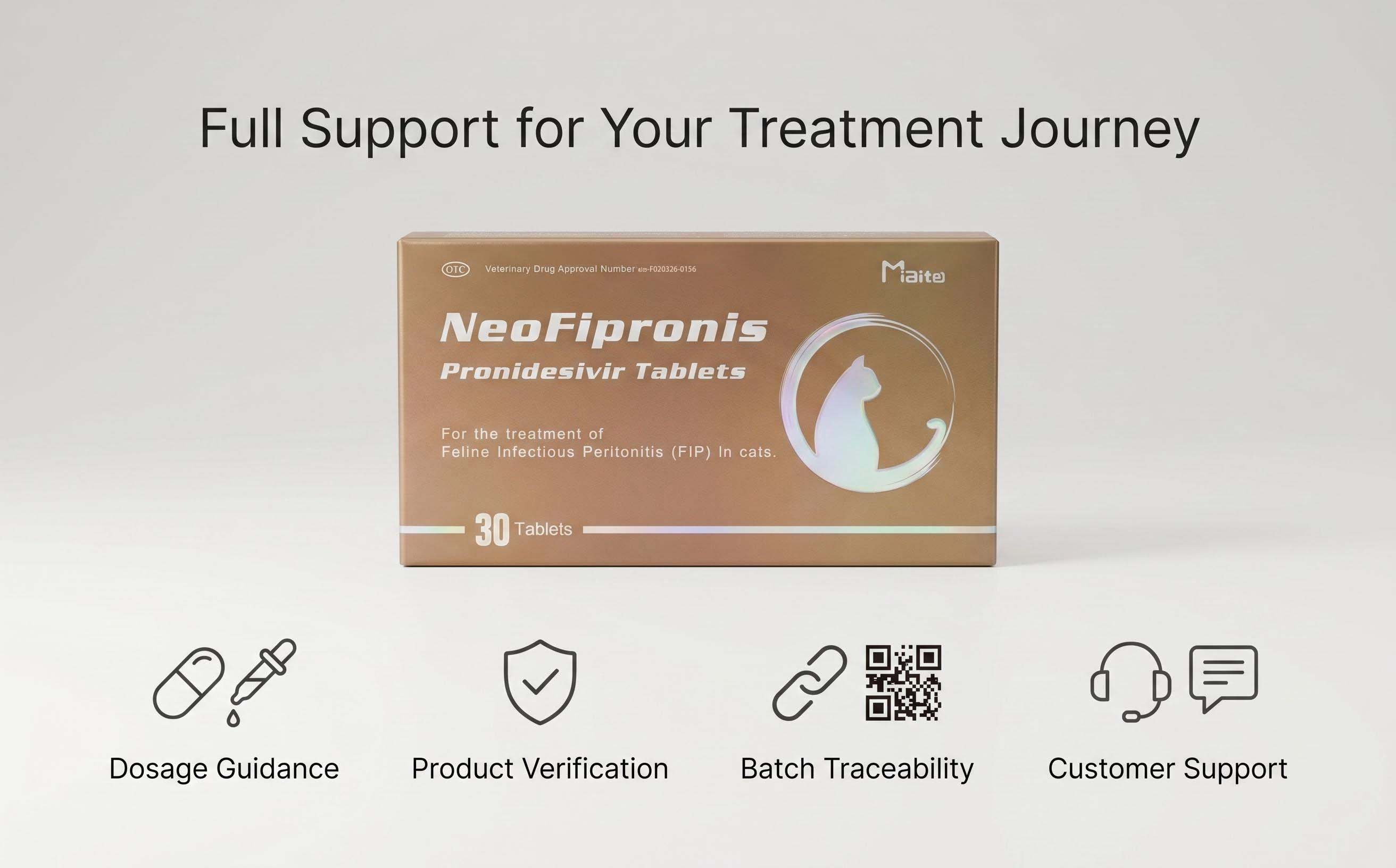
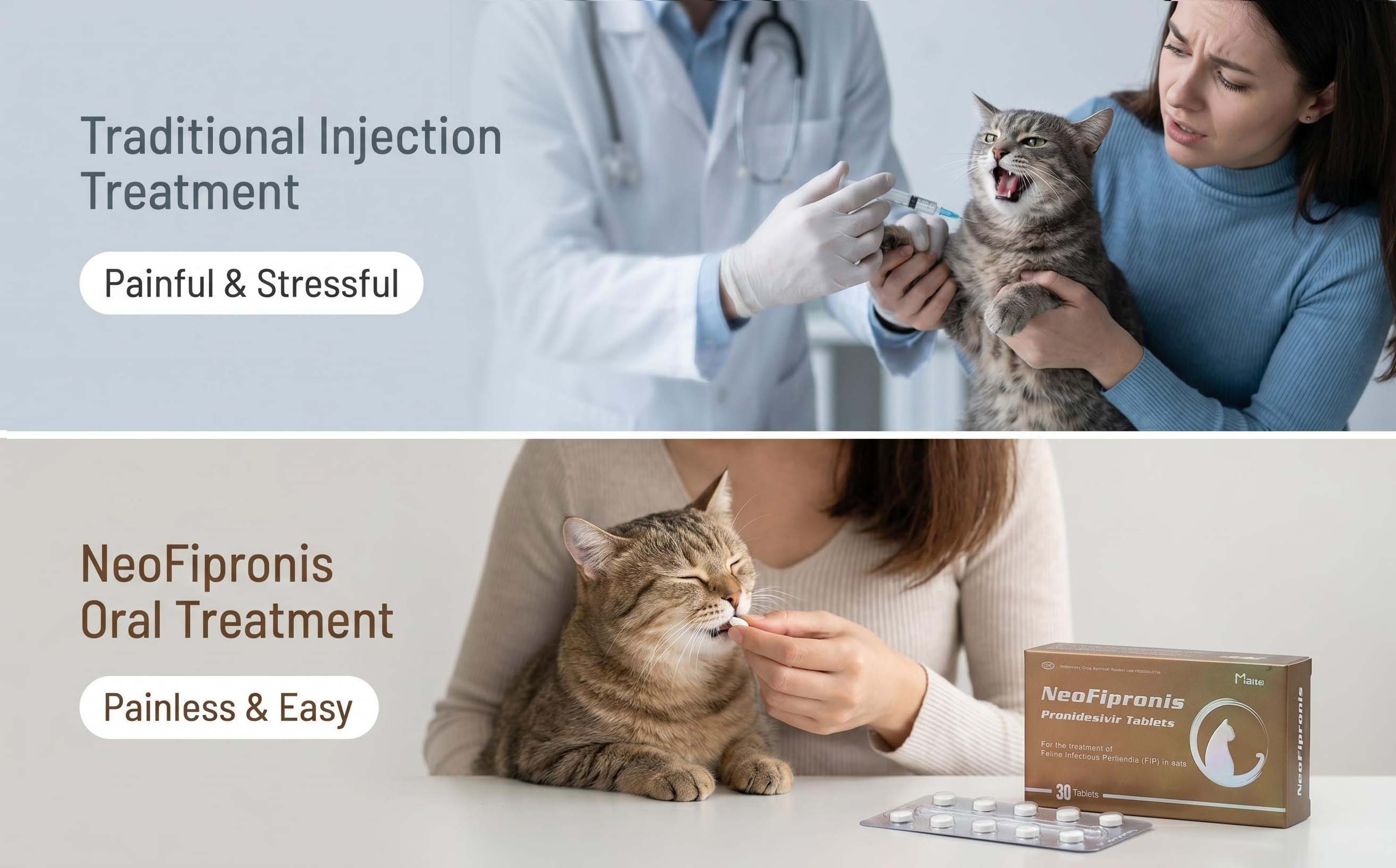
FIP is a fast-moving disease, so early and correct treatment can make a major difference. NeoFipronis (Pronidesivir) is designed for feline use and is described as a safe, oral, fast-absorbing option with good tolerance. Even so, “non-prescription” does not mean “no supervision needed.” Cats still need professional monitoring to make sure the dosage is sufficient and the response remains strong. For purchase and product verification, always use the official NeoFipronis website to help ensure product quality and authenticity.
If you want, I can also turn this into a more sales-oriented SEO page, a veterinary-style educational article, or a shorter Google-friendly version with meta title and meta description.