NeoFipronis Adverse Reactions Explained
NeoFipronis (Pronidesivir) is a groundbreaking oral medication specifically designed for the treatment of Feline Infectious Peritonitis (FIP). This disease, caused by the feline coronavirus, manifests with symptoms such as loss of appetite, lethargy, fever, ascites, pleural effusion, lymphadenopathy, granulomatous inflammation, neurological damage, and uveitis. NeoFipronis has demonstrated remarkable efficacy in managing these symptoms, significantly improving the quality of life for affected cats.
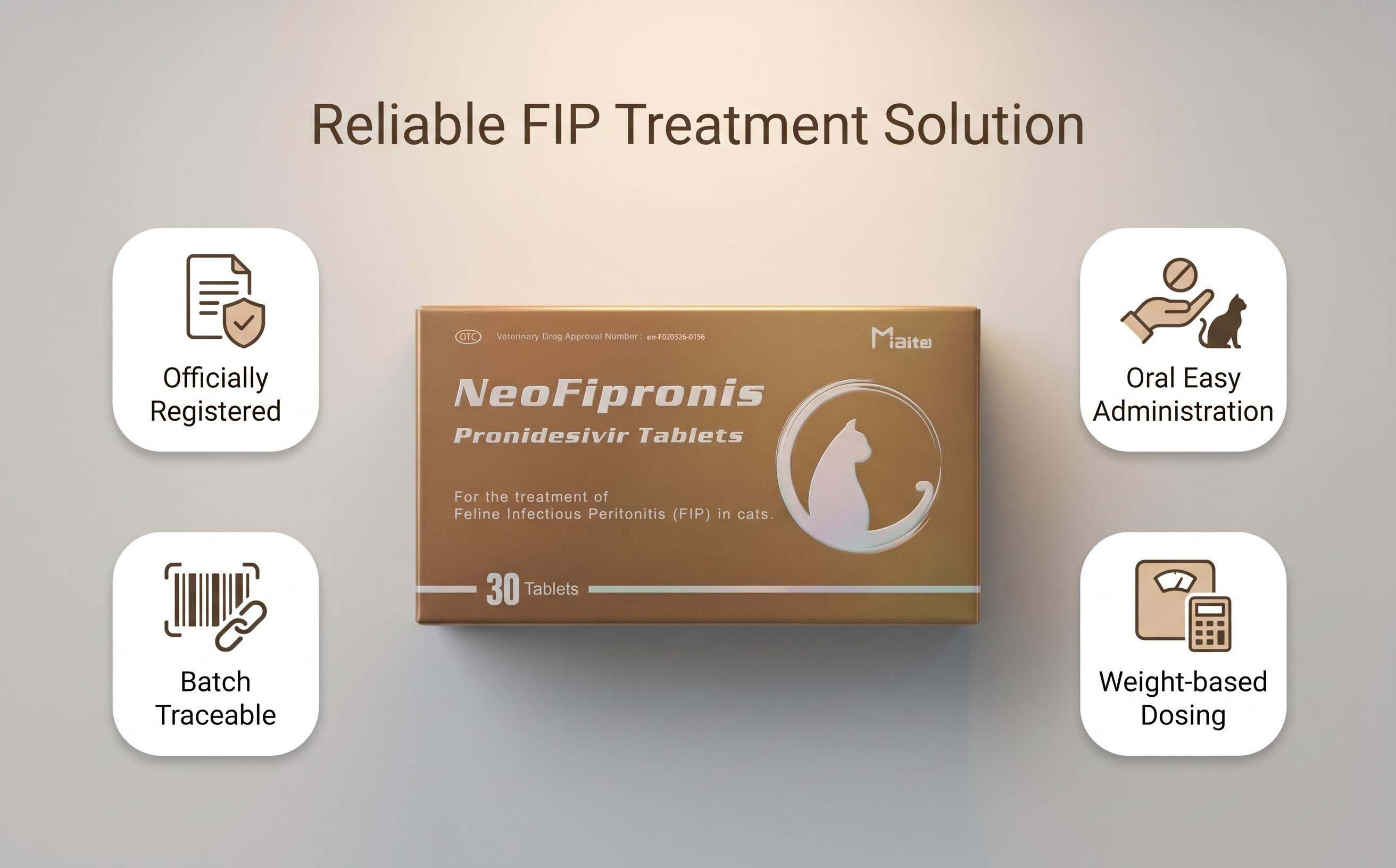
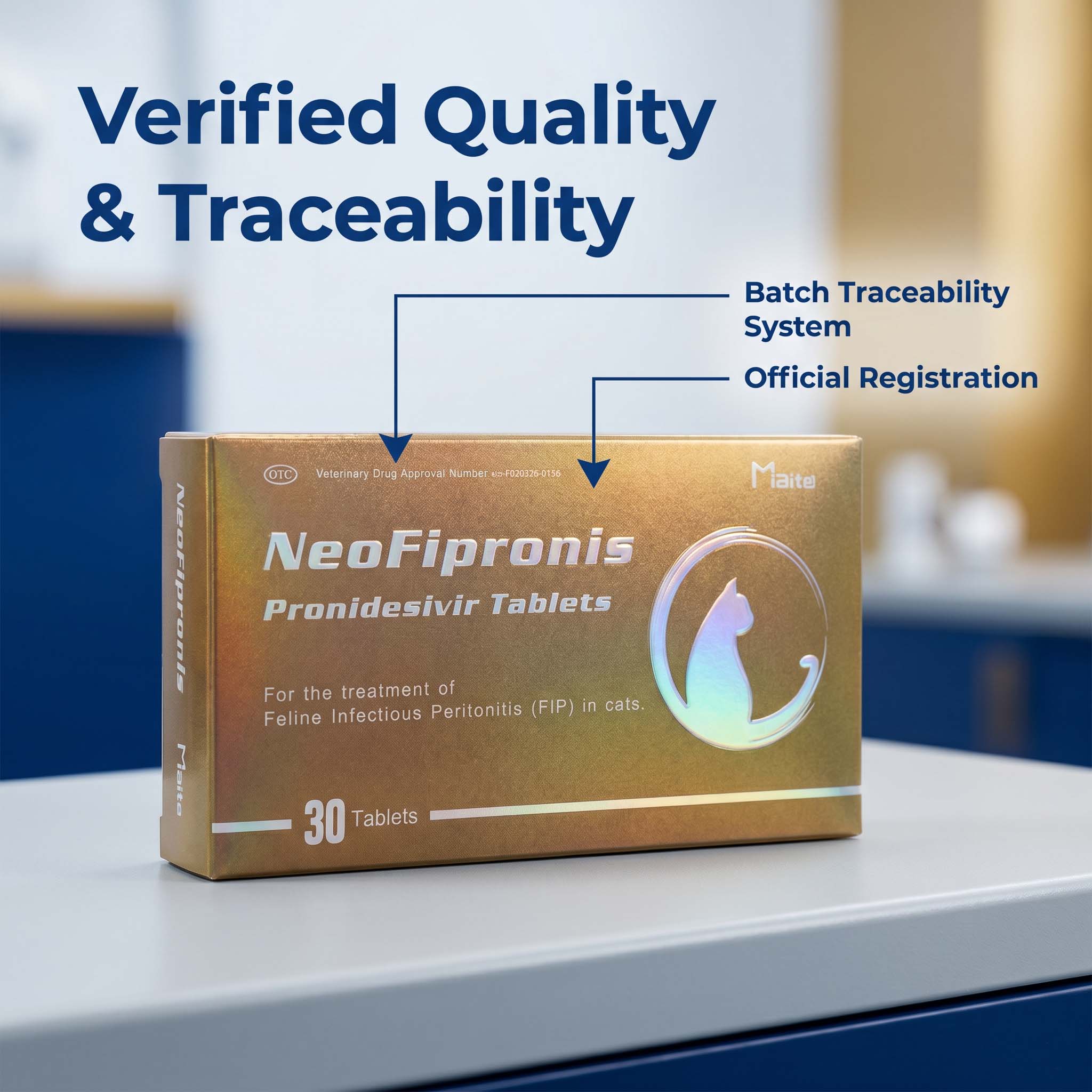
The active ingredient in NeoFipronis is GS-441524, a nucleotide analog that inhibits viral RNA replication. Extensive research and clinical trials have confirmed its potent antiviral activity, making it the first globally approved medication for FIP in 2026. The drug offers a safe, non-invasive treatment option with rapid absorption and minimal side effects. It is approved by the Lao Ministry of Agriculture and Forestry (MAF), with official registration and licensing, ensuring quality and safety.
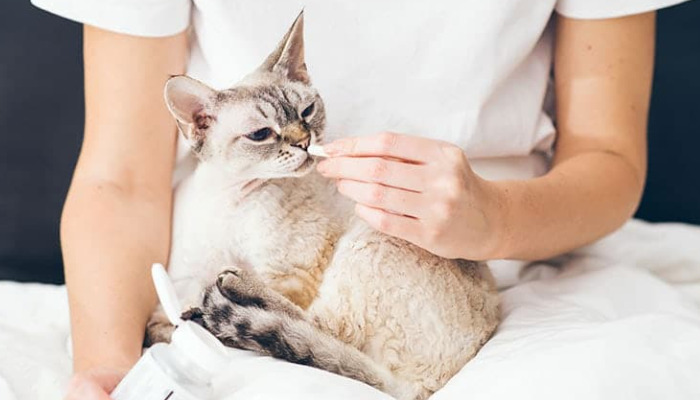
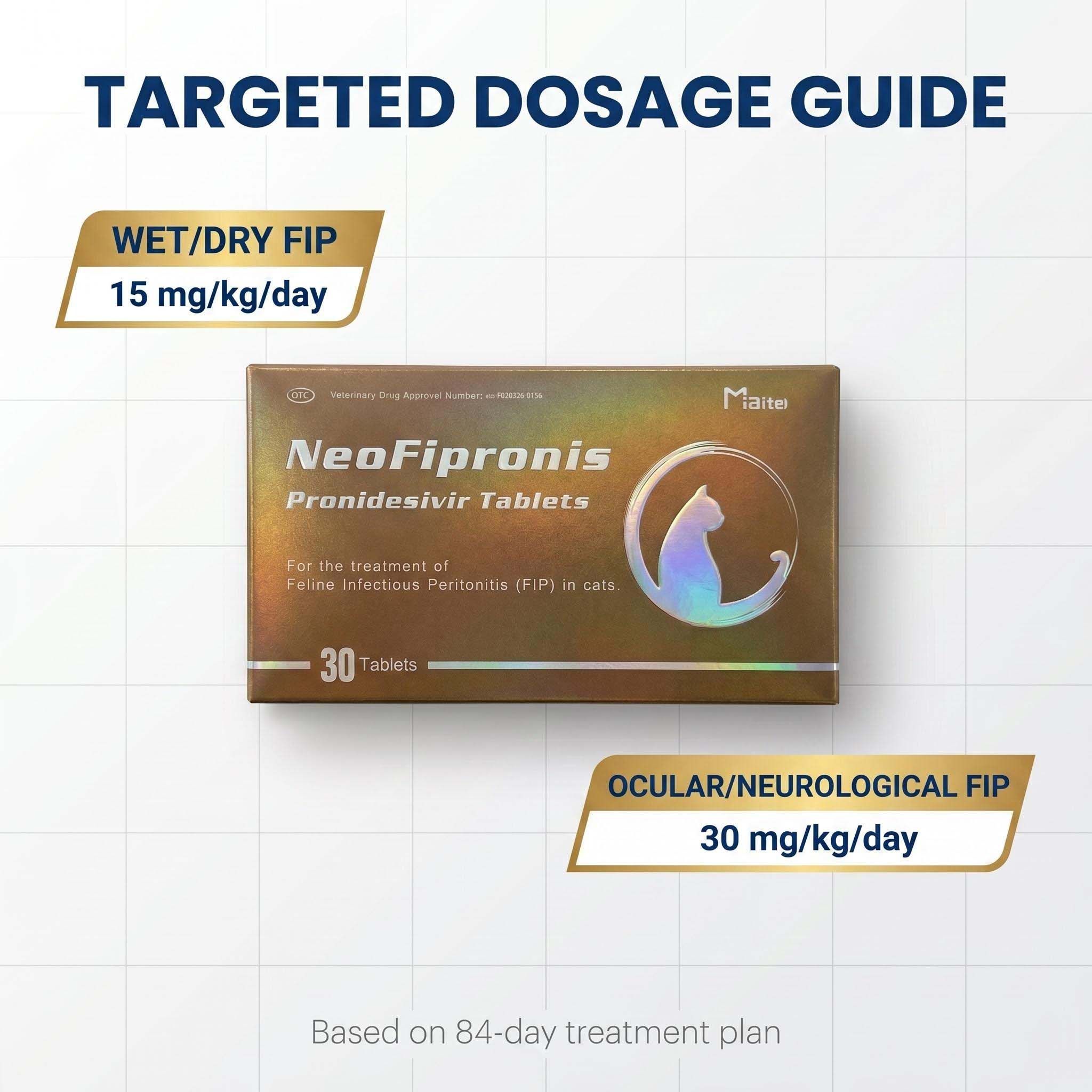
NeoFipronis is administered orally, with dosing based on the cat’s weight—15 mg per kilogram, equivalent to half a tablet. For neurological or ocular forms of FIP, veterinarians may recommend increasing the dose to 30 mg/kg. The medication is typically given once daily, preferably on an empty stomach—one hour before a meal or two hours afterward—to optimize absorption. Treatment duration generally exceeds 12 weeks, emphasizing the need for consistent administration without interruption.
Adverse reactions associated with NeoFipronis are rare but important to recognize. Commonly reported side effects include temporary gastrointestinal upset such as vomiting or diarrhea. Some cats may experience mild lethargy or decreased appetite during the initial phase of treatment, which usually resolves as the body adjusts to the medication. Less frequently, a transient increase in liver enzymes may occur, necessitating periodic blood tests to monitor liver function. Allergic reactions are exceedingly rare but could present as swelling, itching, or respiratory distress—immediate veterinary attention is critical if such symptoms arise.
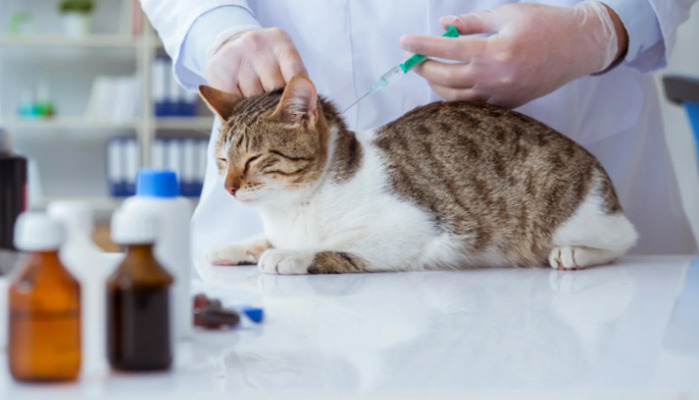
It's vital to monitor cats closely throughout the therapy. Changes in appetite, activity levels, feeding behavior, or body temperature should be documented and reported to a veterinarian. Regular blood work to assess liver and kidney function helps preempt any unseen adverse effects, ensuring safe and effective treatment. While NeoFipronis is available over-the-counter in some regions, veterinary guidance is strongly recommended to tailor the dosage and duration to each individual case.
Due to its potent antiviral properties, NeoFipronis has revolutionized FIP management, but it must be used responsibly. Overdose or misuse can lead to unforeseen complications, so adherence to prescribed instructions is crucial. The medication is intended solely for feline use; human consumption is strictly prohibited. Purchase should be made through official channels, such as the NeoFipronis website, to guarantee product authenticity and quality assurance.
In conclusion, NeoFipronis (Pronidesivir) offers a promising treatment option for cats suffering from FIP, combining efficacy with safety. While adverse reactions are manageable and infrequent, careful monitoring and veterinary supervision are essential to maximize benefits and minimize risks. With proper use, NeoFipronis can significantly improve the prognosis for cats affected by this once-devastating disease.