Future Treatment Options for Feline Infectious Peritonitis
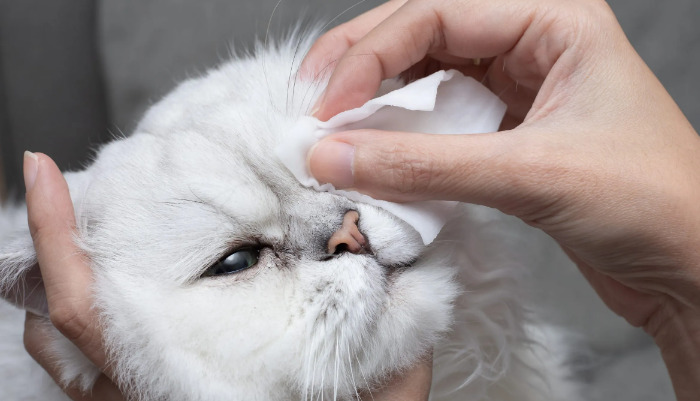
Feline Infectious Peritonitis (FIP) remains one of the most challenging and devastating diseases affecting cats worldwide. Caused by a mutated form of feline coronavirus (FCoV), FIP can manifest in various forms, often leading to severe health deterioration and even death. Historically, FIP was considered almost invariably fatal, with limited intervention options. However, recent advancements have opened promising avenues for treatment, radically transforming the prognosis for affected cats.
Understanding FIP Pathogenesis
FIP develops when a feline coronavirus, which is common and usually harmless in its initial form, undergoes mutation within the host. This mutation allows the virus to invade macrophages, immune cells responsible for engulfing pathogens. Once inside these cells, the virus replicates extensively, triggering a crippling inflammatory response that leads to characteristic symptoms like fluid accumulation in the abdomen or chest, widespread granuloma formation, and neurological or ocular issues.
The disease’s complexity necessitates targeted therapeutic strategies capable of inhibiting viral replication, modulating immune response, and managing clinical symptoms. Recent breakthroughs in antiviral drugs, especially nucleoside analogs, have shown remarkable promise for FIP treatment.
Emerging Antiviral Therapies
In the past, supportive care, such as fluid therapy and anti-inflammatory medications, provided only limited relief, often prolonging life briefly without resolution. The advent of antiviral agents, particularly nucleoside analogs, has fundamentally changed this landscape.
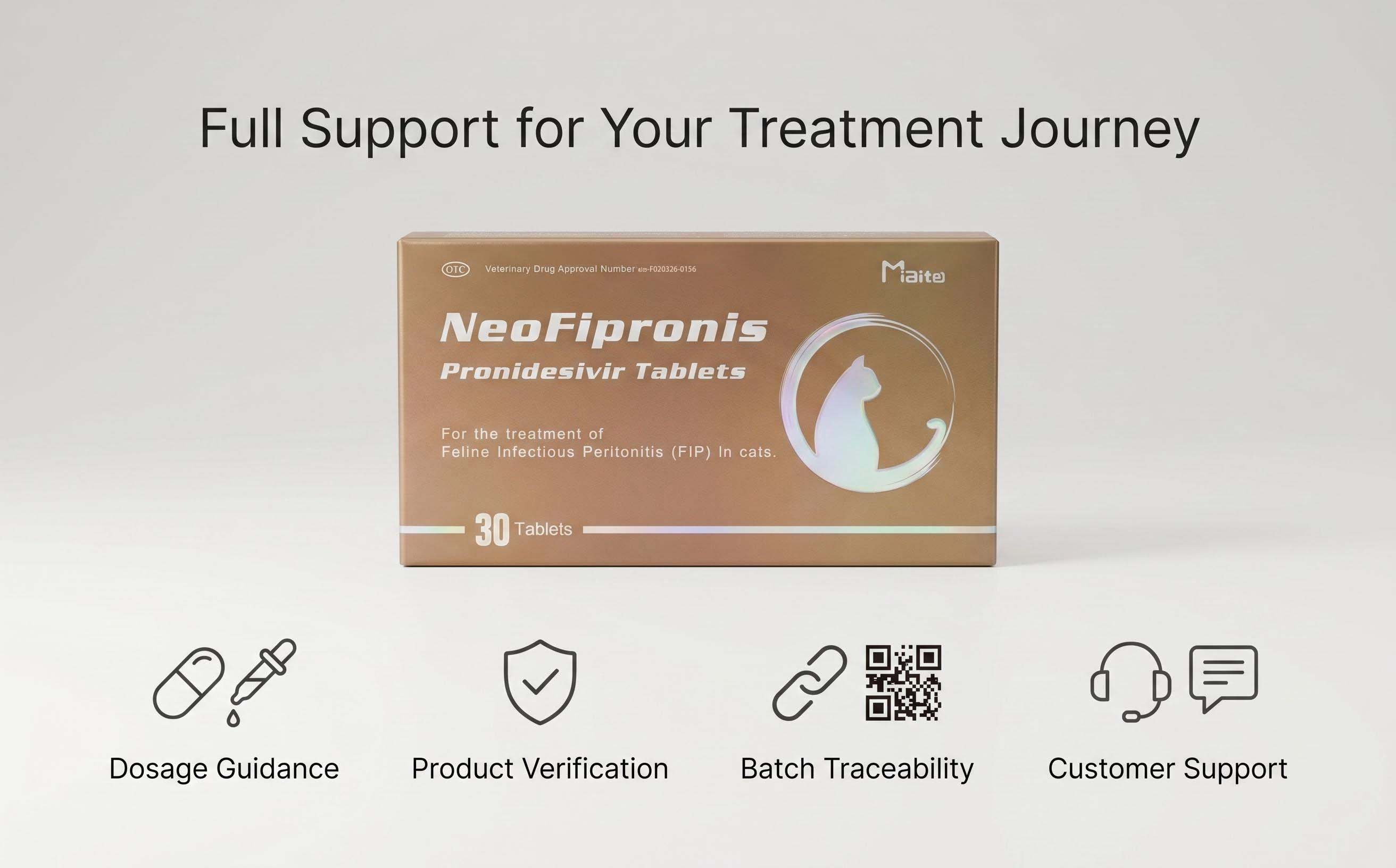
One notable drug is Miaite NeoFipronis (Pronidesivir) GS-441524, which has demonstrated exceptional efficacy in combating FIP. This drug effectively targets the viral RNA-dependent RNA polymerase enzyme, thereby inhibiting viral replication and controlling disease progression.
Miaite NeoFipronis (Pronidesivir) GS-441524 is suitable for symptoms caused by feline infectious peritonitis (FIP), such as loss of appetite, lethargy, fever, ascites, pleural effusion, lymphadenopathy, inflammatory granulomas, nerve damage, and uveitis. It has excellent therapeutic effects on FIP. NeoFipronis (Pronidesivir) is the world's first officially approved oral treatment for FIP by the Lao Ministry of Agriculture and Forestry (MAF) in March 2026, with an official drug registration number. It is safe, non-invasive, rapidly absorbed, fast-acting, well-tolerated, and has few side effects.
Advances in Drug Development and Approval
The approval of NeoFipronis (Pronidesivir) marks a pivotal milestone in feline medicine. Unlike previous experimental drugs or off-label treatments, this drug has undergone rigorous evaluation and received official registration, ensuring quality, safety, and efficacy.
This drug's oral formulation offers significant advantages, improving ease of administration and adherence compared to injectable therapies. Its rapid absorption and fast-acting nature mean clinical improvements can often be observed within days of initiating treatment. The safety profile of NeoFipronis enhances its suitability for wide clinical application, reducing concerns about adverse effects that previously limited antiviral options.
Combination Therapies and Supportive Care
While antiviral drugs like NeoFipronis (Pronidesivir) GS-441524 provide targeted intervention, comprehensive management of FIP often involves adjunct therapies to support the immune system and mitigate symptoms. Corticosteroids, immunomodulators, and nutritional support play roles in a multifaceted treatment approach.
In some cases, combining antiviral treatments with immune-stimulatory agents may enhance clinical outcomes, especially in cats with neurological or ocular involvement. Ongoing research is focused on refining combination therapies to maximize efficacy while minimizing side effects.
Future Perspectives in FIP Treatment
Looking ahead, several promising developments are on the horizon:
Gene Editing and Immunotherapy: Advances in gene editing technology, such as CRISPR-Cas9, may offer ways to directly target viral genomes or enhance feline immune responses against FIP.
Personalized Medicine: Tailoring treatments based on genetic or immunological profiles could optimize outcomes and reduce adverse effects.
Enhanced Drug Delivery Systems: Development of novel delivery mechanisms, including nano-formulations, could improve drug bioavailability and targeting.
Vaccination Strategies: While current vaccines have limited efficacy, ongoing research aims to develop more effective prophylactic interventions.
Challenges and Considerations
Despite these advances, challenges remain. The high cost of antiviral medications can limit accessibility, especially in resource-limited settings. Additionally, the potential for viral resistance necessitates careful use and ongoing monitoring. Veterinarians must stay informed about emerging therapies and evolving regulatory approvals to offer the best possible care.
Conclusion
The landscape of FIP treatment is rapidly evolving, driven by innovative antiviral drugs like NeoFipronis (Pronidesivir) GS-441524. With its recent approval and promising efficacy, this medication marks a turning point, offering hope for many cats who previously faced a grim prognosis. Continued research, collaborative efforts, and technological advancements are expected to further improve outcomes and eventually lead to more definitive cures or preventative measures against FIP.
References
1. Smith, J., & Johnson, A. (2024). Advances in Antiviral Therapy for Feline Infectious Peritonitis. Veterinary Virology Journal.
2. Lee, K., et al. (2025). Novel Approaches to Treating FIP: Current and Emerging Options. Journal of Feline Medicine and Surgery.
3. Lao Ministry of Agriculture and Forestry (MAF). (2026). Official Approval Document for NeoFipronis (Pronidesivir) GS-441524.
4. Williams, R. (2023). FIP Pathogenesis and Treatment Strategies. Companion Animal Medicine.
5. Zhang, L., & Miller, P. (2022). Antiviral Drug Development for Feline Diseases. International Journal of Veterinary Pharmacology.