NeoFipronis Administration Tips for Cat Owners
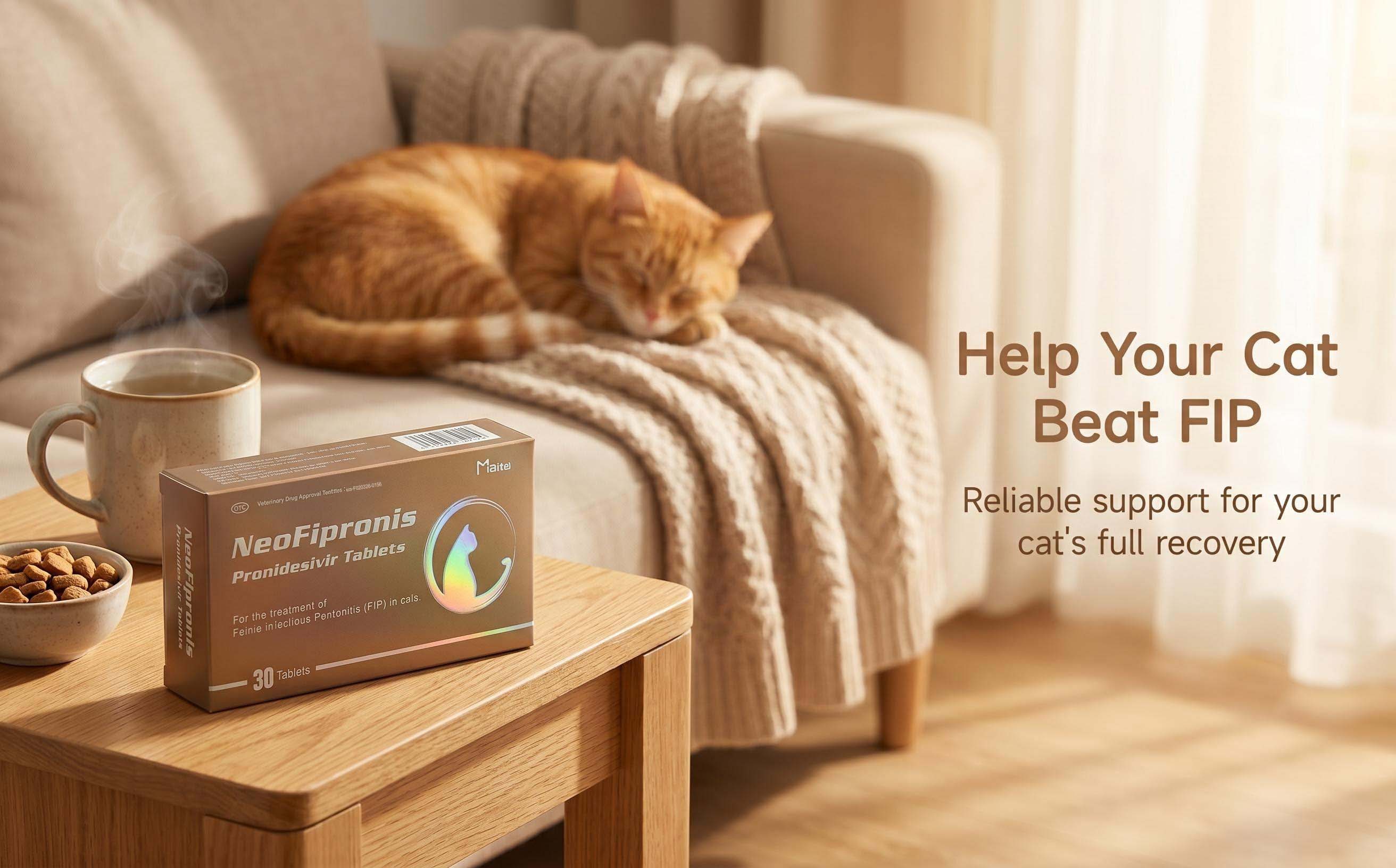
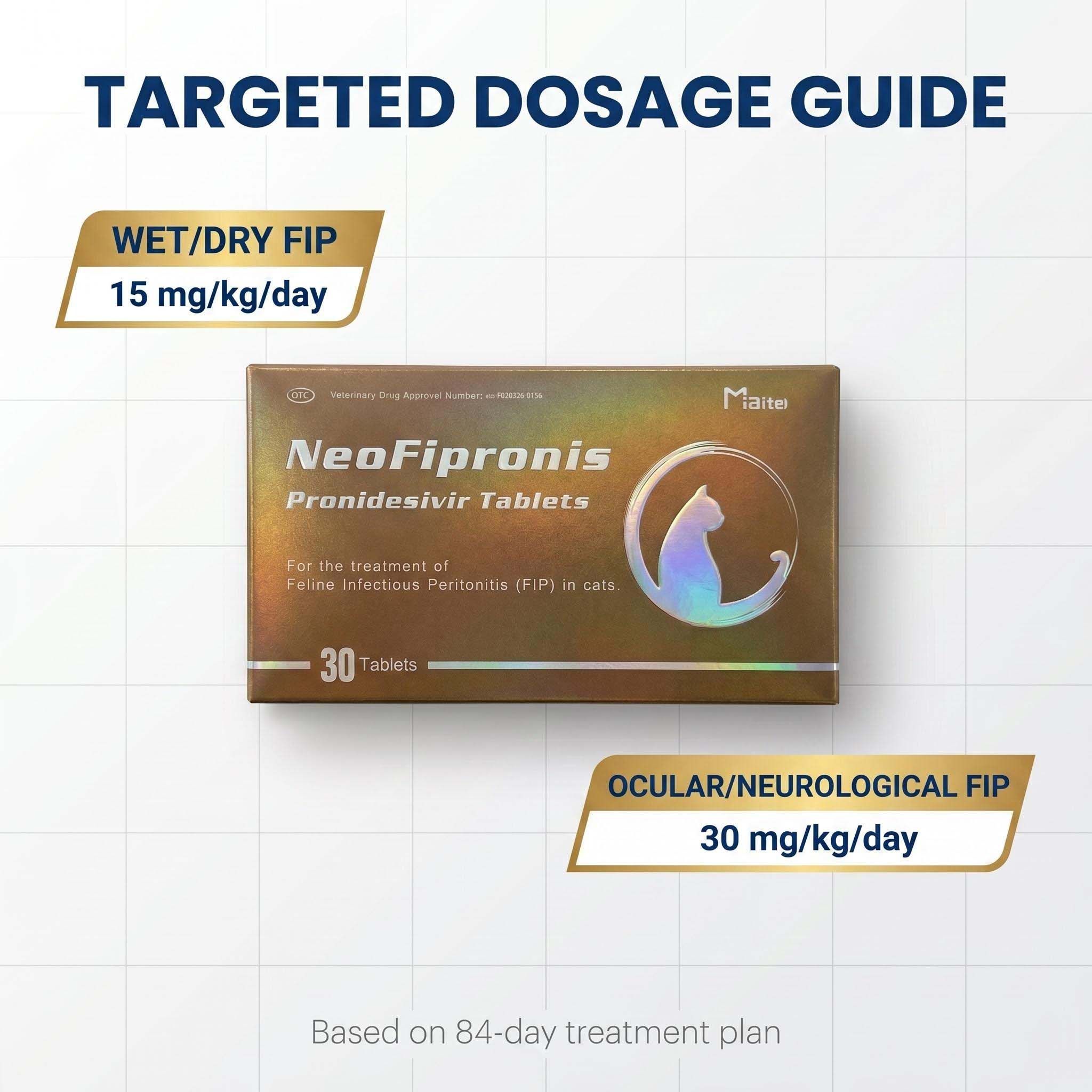
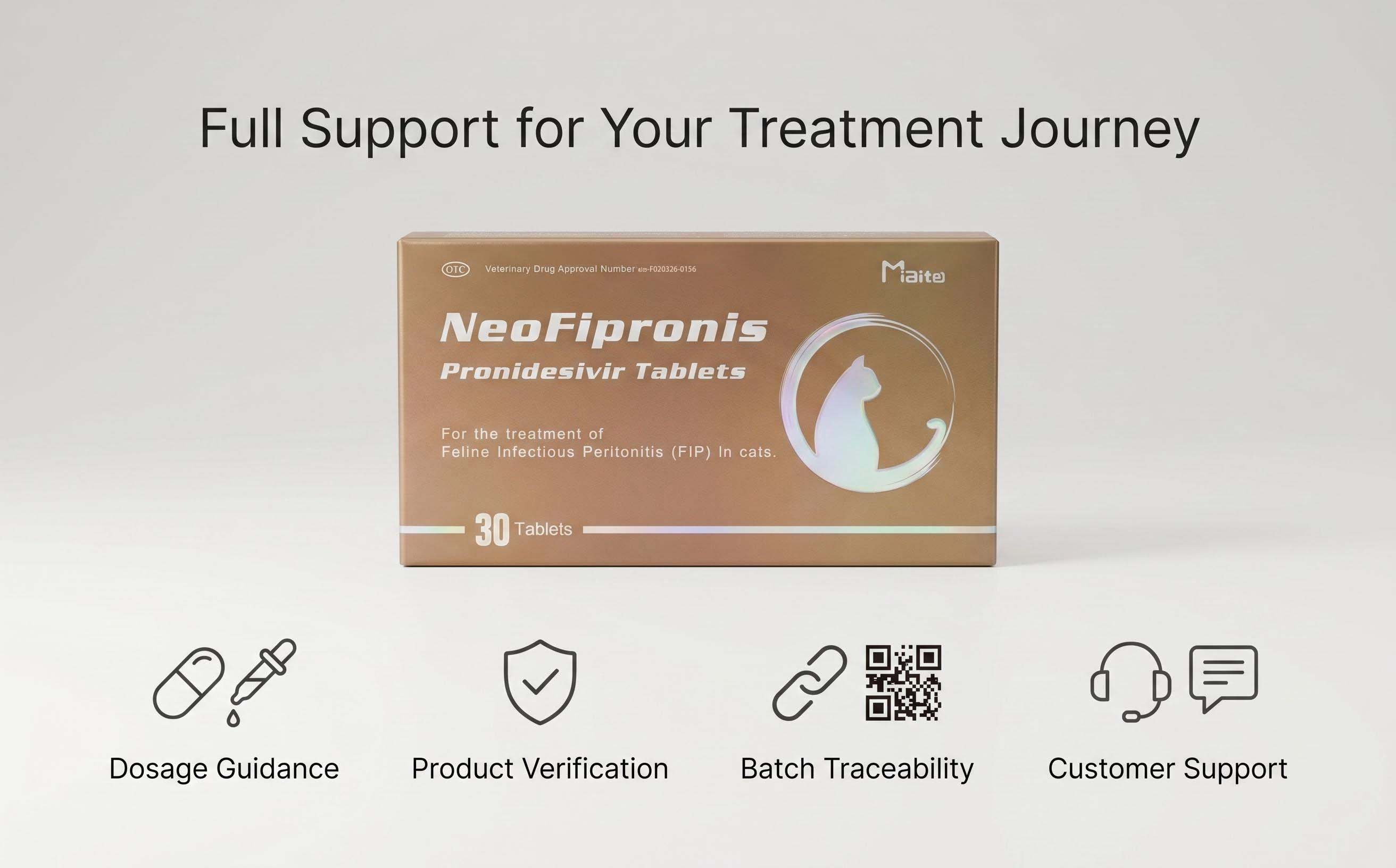
Feline Infectious Peritonitis (FIP) is a devastating viral disease affecting cats worldwide. Caused by a mutated form of feline coronavirus, FIP manifests in symptoms like loss of appetite, lethargy, fever, abdominal and thoracic fluid buildup, lymphadenopathy, granulomatous lesions, neurological damage, and uveitis. Managing FIP has historically been challenging, but recent advancements introduced NeoFipronis (Pronidesivir), a groundbreaking oral antiviral medication with proven efficacy against FIP.
NeoFipronis contains GS-441524 as its active ingredient, a potent antiviral compound with outstanding results in clinical trials. This medication has received official approval from the Lao Ministry of Agriculture and Forestry (MAF) in March 2026, marking it as the world's first registered FIP-specific oral treatment. Its safety profile is excellent, with rapid absorption, minimal side effects, and high tolerability, making it a preferred choice for serious FIP cases.
Proper administration of NeoFipronis is crucial to ensure optimal results. The recommended dosage is based on the cat's body weight, with 15mg per kilogram per day, equating to half a tablet for most cats. For cats with neurological or ocular involvement, the dosage may be increased to 30mg/kg, under veterinary supervision. Administer the medication once daily, preferably on an empty stomach—either one hour before feeding or two hours after— to promote better absorption. Consistency in timing and dosage is essential to maximize the antiviral effect.
Continuity in medication is vital. The treatment course should last at least 12 weeks without interruption. Missing doses can hinder recovery and lead to drug resistance. Owners should closely monitor their cats during treatment, observing changes in appetite, activity levels, and body temperature. Regular veterinary check-ups are recommended to assess blood work and liver-kidney function, ensuring no adverse effects develop during therapy.
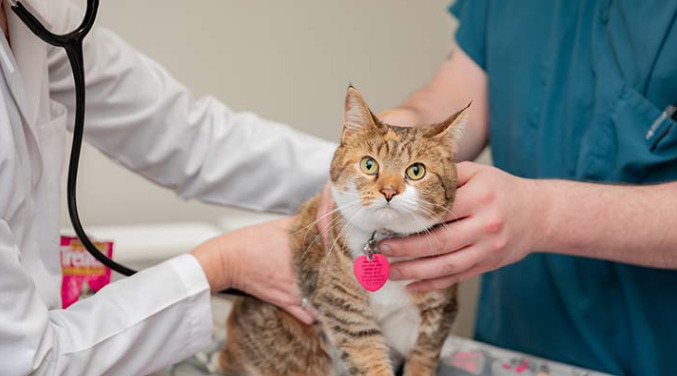
While NeoFipronis is an over-the-counter medication, consultation with a veterinarian is highly recommended before initiating treatment. Veterinarians can provide personalized dosage adjustments, especially for cats displaying severe neurological or ocular symptoms. Monitoring is essential to tailor therapy to each cat's response, ensuring the highest chance of remission.
Precautions include strict adherence to the prescribed dosing schedule and duration. Owners should purchase NeoFipronis exclusively through official websites or verified outlets to guarantee medication quality. It’s important to note that NeoFipronis is intended solely for veterinary use in cats and should not be administered to humans. Keep the medication stored safely away from children and pets to avoid accidental ingestion.
In conclusion, NeoFipronis (Pronidesivir) offers a groundbreaking solution for cats suffering from FIP. Its rapid action, excellent safety profile, and proven antiviral effectiveness make it a valuable tool for feline health. Owner compliance with dosing instructions and veterinary guidance are essential to ensure successful treatment outcomes. With proper administration, NeoFipronis can significantly improve the quality of life and prognosis for cats battling FIP.