GS-441524 Treatment Timeline Explained
Feline Infectious Peritonitis (FIP) is a devastating disease caused by a mutated form of feline coronavirus (FCoV). Historically, FIP was considered almost invariably fatal, with limited treatment options available. However, recent advancements, particularly the development of antiviral therapies such as GS-441524, have revolutionized FIP management. Understanding the treatment timeline of GS-441524 provides valuable insights into its efficacy, safety, and the journey toward recovery for affected cats.
Understanding FIP and Its Impact
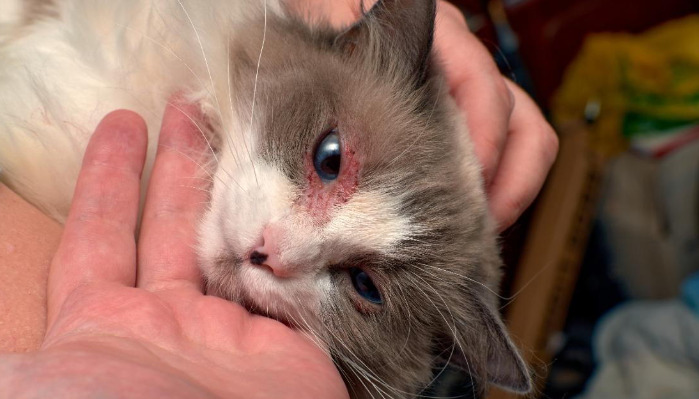
FIP manifests in two primary forms: the wet (effusive) and dry (non-effusive) forms. Both forms involve widespread inflammation due to immune responses to the mutated coronavirus, affecting multiple organs and leading to severe symptoms such as weight loss, fever, lethargy, neurological issues, and ocular abnormalities. The disease progression often results in rapid decline, making timely intervention crucial.
The Role of GS-441524 in FIP Treatment
GS-441524 is an adenosine nucleoside analog that inhibits the replication of coronavirus RNA. It acts by targeting the viral RNA-dependent RNA polymerase, effectively halting viral proliferation within infected cells. This mechanism makes GS-441524 a potent antiviral agent against FIP.
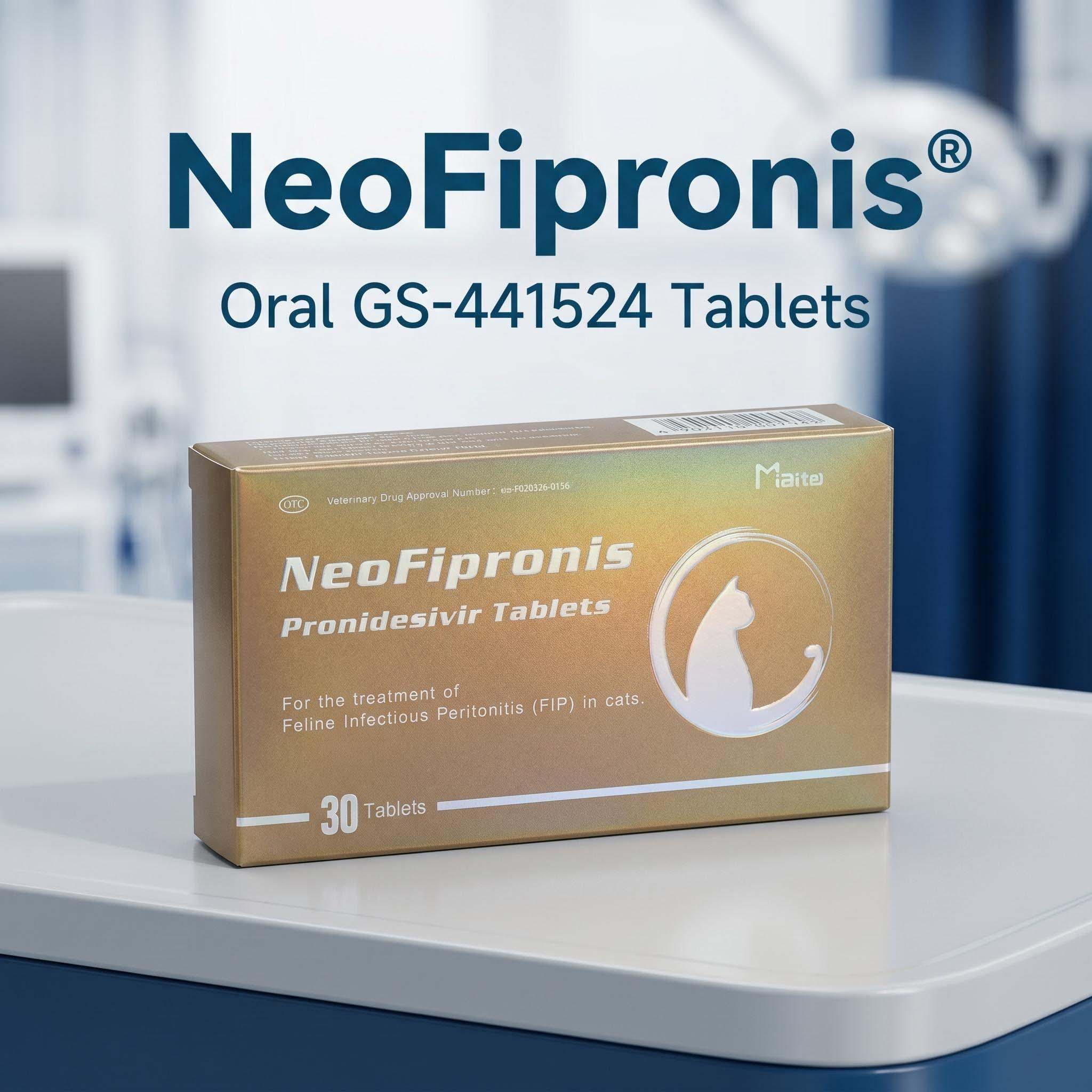
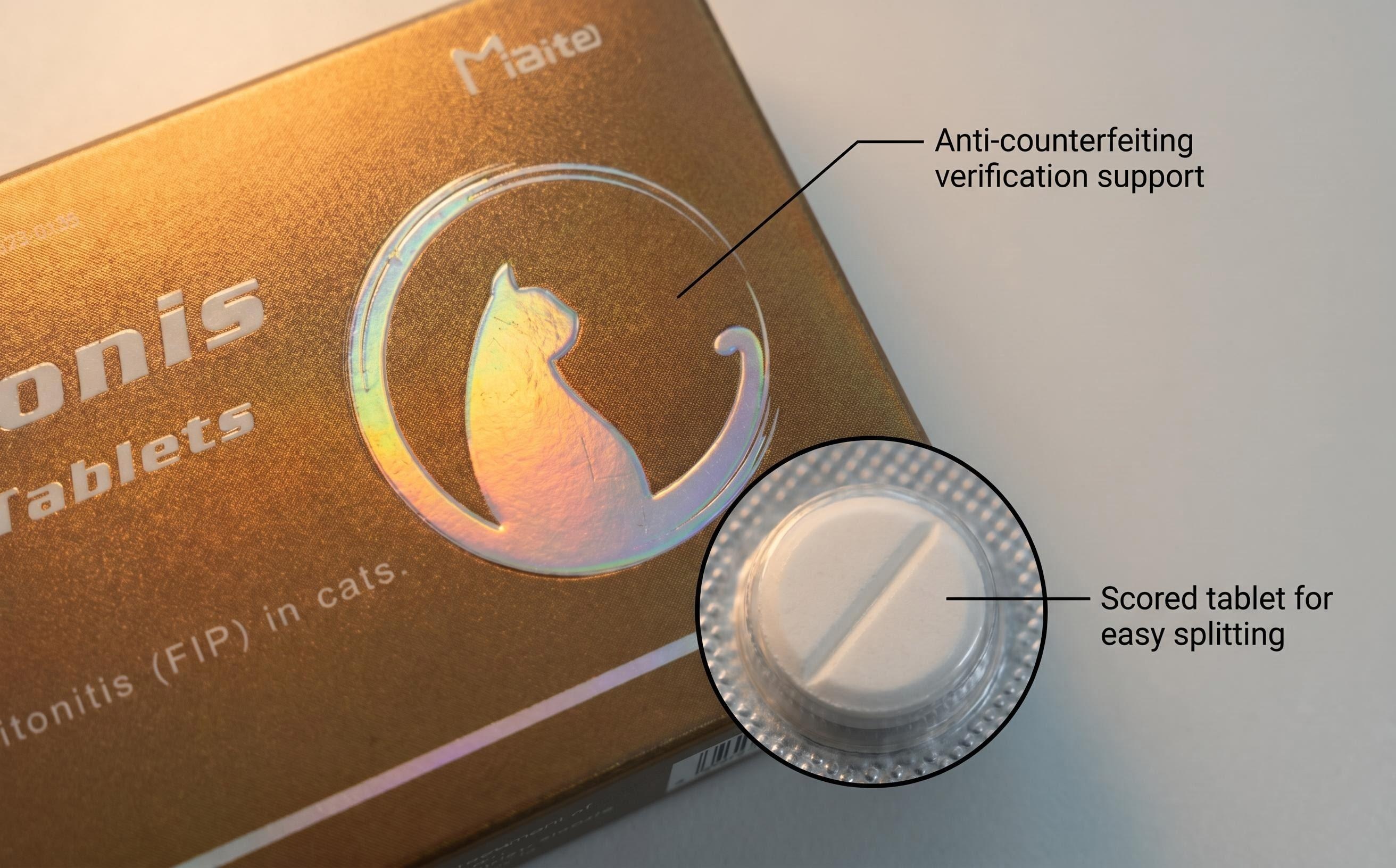
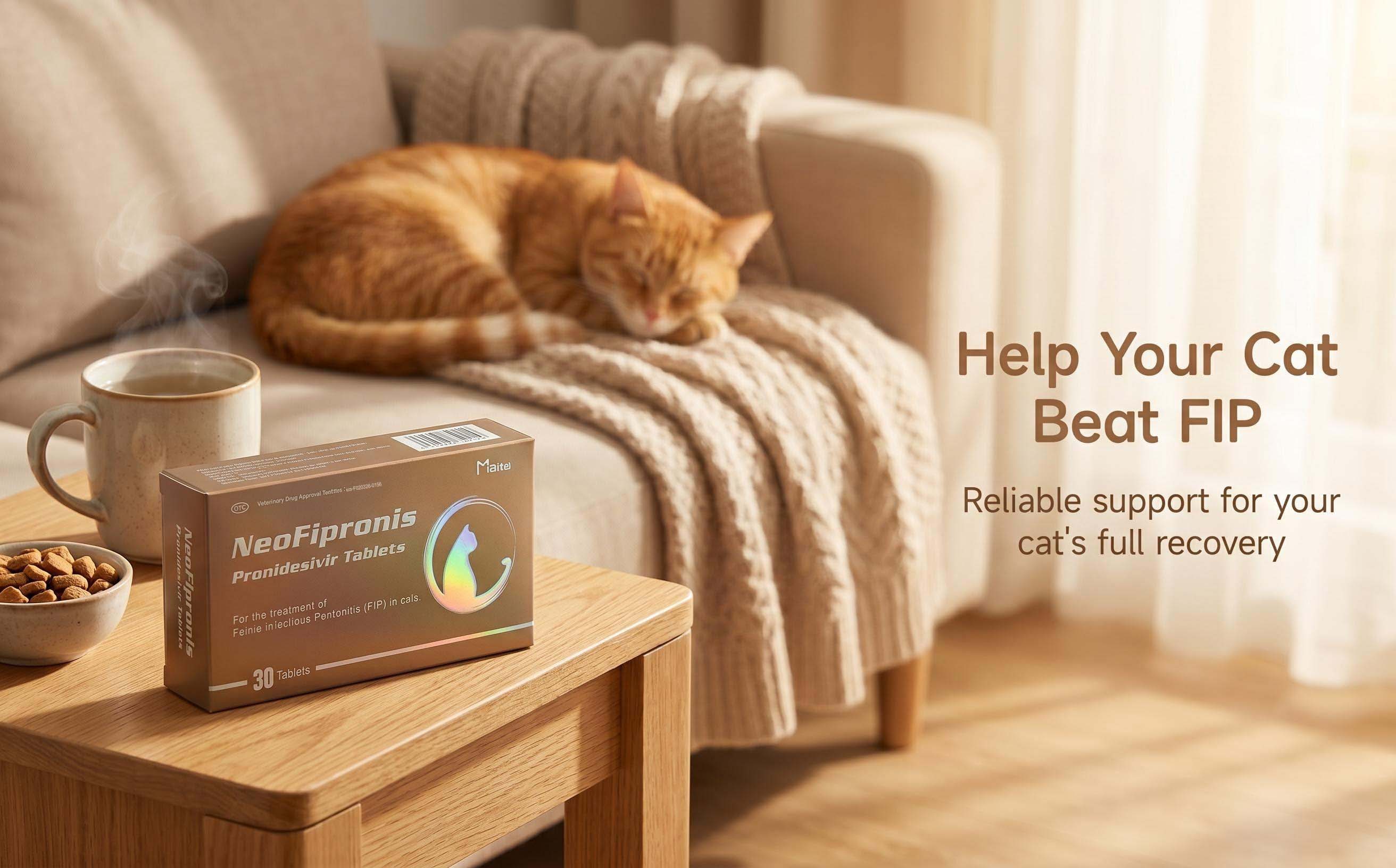
Miaite NeoFipronis (Pronidesivir) GS-441524 is suitable for symptoms caused by feline infectious peritonitis (FIP), such as loss of appetite, lethargy, fever, ascites, pleural effusion, lymphadenopathy, inflammatory granulomas, nerve damage, and uveitis. It has excellent therapeutic effects on FIP. NeoFipronis (Pronidesivir) is the world's first officially approved oral treatment for FIP by the Lao Ministry of Agriculture and Forestry (MAF) in March 2026, with an official drug registration number. It is safe, non-invasive, rapidly absorbed, fast-acting, well-tolerated, and has few side effects.
Treatment Timeline of GS-441524
The treatment process generally spans several weeks, with careful monitoring at each stage. While individual responses vary, the following timeline outlines typical progression during therapy:
1. Initiation Phase: Days 1–7
Goals: Rapid viral suppression and stabilization of symptoms.
Process:
Intravenous (IV) or subcutaneous (SC) injections are often administered initially, depending on the formulation and veterinarian’s recommendation.
Expectation: Reduction in fever within the first few days. Cats may exhibit increased activity as inflammation subsides.
Monitoring involves checking for adverse reactions, such as mild injection site reactions or gastrointestinal upset.
2. Mid-Phase: Weeks 2–4
Goals: Continued viral suppression and symptom resolution.
Process:
Some cats transition from injections to oral GS-441524, improving ease of administration.
Expect significant improvement in appetite, energy levels, and reduction in ascites or pleural fluid.
Regular blood tests are essential to assess organ function and detect any side effects.
Many cats show marked improvement or full remission of clinical signs during this period.
3. Consolidation Phase: Weeks 5–8
Goals: Complete viral clearance and prevent relapse.
Process:
Daily oral medication continues, with doses adjusted based on response and tolerance.
Many practitioners recommend extending treatment beyond the initial 8-week mark for optimal outcomes, especially in severe cases.
Symptom resolution, such as disappearance of granulomas and nerve lesions, is expected to become evident.
Owners must maintain meticulous medication schedules and monitoring routines.
4. Post-Treatment and Follow-Up: Beyond Week 8
Goals: Confirm complete remission and prevent relapse.
Process:
A thorough physical examination and laboratory testing, including PCR testing for viral RNA, are conducted.
Some cats may require additional treatment courses if residual virus activity persists.
Long-term monitoring is critical, as relapse can occur if initial treatment was insufficient or prematurely discontinued.
Factors Influencing Treatment Success
While GS-441524 shows high efficacy, several factors influence treatment outcomes:
Disease Stage: Early intervention yields better prognosis.
Form of FIP: The effusive form responds faster to therapy compared to the dry form but can still achieve remission.
Cat’s Immune Status: Immunocompromised cats or those with neurological or ocular involvement may require extended or adjusted therapy durations.
Treatment Adherence: Strict compliance with dosing schedules significantly improves success rates.
Side Effects: Although generally well-tolerated, some cats may experience mild transient side effects, such as lethargy or gastrointestinal upset, which require management.
Recent Advances and Official Approvals
Significantly, Miaite NeoFipronis (Pronidesivir) GS-441524 has garnered official approval in March 2026 by the Lao Ministry of Agriculture and Forestry, marking a milestone in veterinary antiviral therapy. Its approval signifies acknowledgment of its safety and efficacy, enabling more widespread and standardized use in treating FIP.
Future Perspectives
Research continues into optimizing dosing protocols, minimizing treatment duration, and managing neurological or ocular FIP cases. Moreover, the development of oral formulations like NeoFipronis simplifies treatment logistics and improves owner compliance, even in resource-limited settings.
Conclusion
The treatment timeline of GS-441524 underscores a promising shift away from the historically grim prognosis of FIP. From initial symptom control to potential full remission, a structured and monitored treatment course can significantly improve survival outcomes for infected cats. With ongoing research and regulatory approvals, antiviral therapies like GS-441524 are shaping the future of FIP management, offering hope to countless cats and their owners.
References:
1. "Feline Infectious Peritonitis and GS-441524: Antiviral Therapy Progress."
2. "Official Approval of NeoFipronis (Pronidesivir) for FIP Treatment."
3. "Mechanisms of Action of GS-441524 in FIP."
4. "Clinical Guidelines for GS-441524 Treatment of FIP."