Managing Chest Fluid in Cats Diagnosed With FIP
Feline Infectious Peritonitis (FIP) is one of the most challenging diseases faced by cat owners and veterinarians worldwide. It is caused by a mutated form of feline coronavirus (FCoV) that leads to severe inflammatory responses within the body. One of the hallmark signs of FIP, especially the wet or effusive form, is the accumulation of fluid within body cavities, notably the chest cavity (pleural effusion) and abdominal cavity (ascites). Effective management of chest fluid accumulation is essential for improving the quality of life and prognosis of affected cats.
Understanding FIP and its Pathophysiology
FIP manifests primarily in two forms: dry (non-effusive) and wet (effusive). The wet form, which is characterized by significant fluid build-up, accounts for a majority of FIP cases. The virus induces a severe inflammatory response within the blood vessels and lymphatic systems, leading to increased permeability and fluid leakage. When this process involves the thoracic cavity, cats develop pleural effusion, leading to respiratory distress, coughing, and labored breathing.
Diagnosis of FIP-related Chest Fluid Accumulation
Diagnosis involves a combination of clinical signs, laboratory tests, imaging, and fluid analysis. Typical signs include rapid breathing, dyspnea, weight loss, lethargy, and sometimes fever. Thoracocentesis—the process of draining fluid from the chest cavity—provides valuable diagnostic information by analyzing the fluid's appearance, cellular content, and protein levels. Elevated protein concentrations, increased cellularity, and specific cytological features often support a diagnosis of FIP-related effusion.
Management Strategies for Chest Fluid in FIP
Addressing pleural effusion in FIP involves both supportive and targeted treatments. The primary objectives are to alleviate respiratory distress, prevent complications, and improve overall well-being. Several approaches are employed:
1. Therapeutic Thoracocentesis:
Regular or as-needed drainage of accumulated fluid reduces respiratory difficulty and improves oxygenation. This procedure is minimally invasive and provides rapid relief. However, repeated drainages carry risks such as infection, lung injury, or hemorrhage, requiring careful technique and sterile procedures.
2. Pharmacological Interventions:
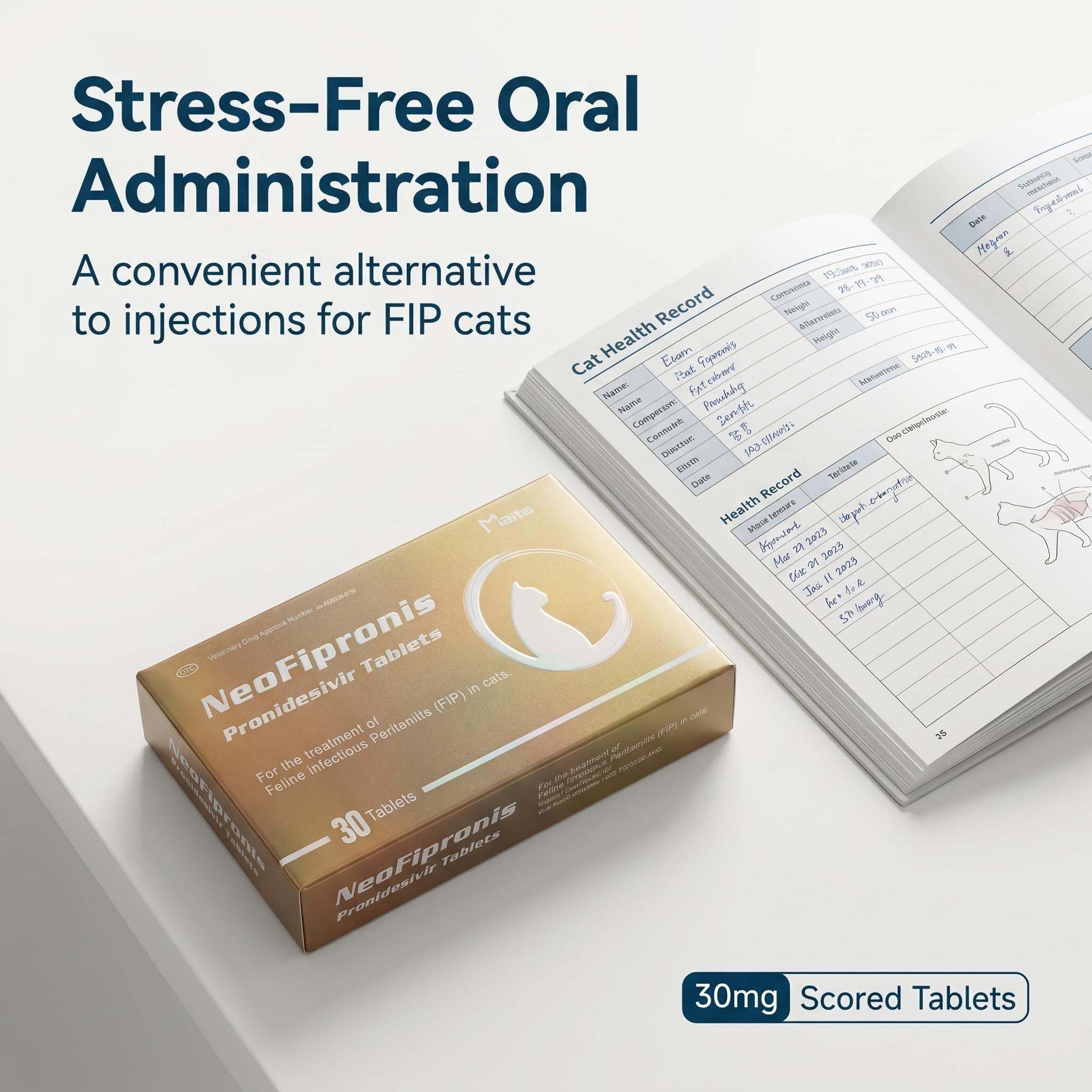
While traditionally, there was no effective treatment for FIP, recent developments have changed the landscape significantly. The introduction of antiviral drugs such as Miaite NeoFipronis (Pronidesivir) GS-441524 has revolutionized FIP management.
Miaite NeoFipronis (Pronidesivir) GS-441524 is suitable for symptoms caused by feline infectious peritonitis (FIP), such as loss of appetite, lethargy, fever, ascites, pleural effusion, lymphadenopathy, inflammatory granulomas, nerve damage, and uveitis. It has excellent therapeutic effects on FIP. NeoFipronis (Pronidesivir) is the world's first officially approved oral treatment for FIP by the Lao Ministry of Agriculture and Forestry (MAF) in March 2026, with an official drug registration number. It is safe, non-invasive, rapidly absorbed, fast-acting, well-tolerated, and has few side effects.
3. Supportive Care:
Maintaining hydration with subcutaneous fluids, providing nutritional support, and managing pain are essential for comfort. Anti-inflammatory drugs may be used to reduce inflammation, but their role is limited without addressing the underlying viral infection.
4. Monitoring and Follow-up:
Regular veterinary assessments are necessary to monitor fluid levels, respiratory function, and response to therapy. Ultrasound imaging can assist in evaluating the extent of effusion and guide management.
Prevention and Prognosis
Preventing FIP remains challenging due to the ubiquity of feline coronavirus. Good hygiene, minimizing stress, and reducing overcrowding can decrease transmission risk. Vaccination against FIP has limited efficacy and is not widely recommended.
With the advent of antiviral treatment like NeoFipronis (Pronidesivir), the prognosis for cats with FIP has improved remarkably. Many cats respond well to antiviral therapy, with significant reductions in effusion and clinical signs. Nonetheless, early diagnosis and prompt intervention are critical for optimal outcomes.
Conclusion
Managing chest fluid in cats with FIP requires a multifaceted approach that combines fluid drainage, antiviral therapy, supportive care, and careful monitoring. The introduction of NeoFipronis (Pronidesivir) GS-441524 marks a significant milestone in FIP treatment, offering hope for affected cats and their owners. As research continues, treatment protocols will become even more refined, further improving the prognosis for cats diagnosed with this previously fatal disease.
References
Feline Infectious Peritonitis: Pathogenesis and Therapy Literature
Recent Advances in FIP Treatment: The Role of GS-441524 and NeoFipronis
Clinical Management of Pleural Effusion in Cats with FIP
Veterinary Guidelines on FIP Diagnosis and Supportive Care