Can Cats Fully Recover From FIP With Modern Antiviral Treatment
Feline Infectious Peritonitis (FIP) has long been considered a fatal disease among cats, particularly affecting young cats and those in multicat environments. Traditionally, diagnosis of FIP was almost synonymous with a dire prognosis, and affected cats rarely survived beyond a few weeks to months. However, recent advances in antiviral therapies, particularly the development of specific inhibitors of FIP-associated coronaviruses, have shifted the narrative. These modern treatments offer new hope to cat owners and veterinarians, raising the question: can cats fully recover from FIP with current antiviral technologies?
Understanding FIP
FIP arises from feline coronavirus infection, most often associated with the benign feline enteric coronavirus (FECV). In rare instances, this virus mutates within the cat, causing the aggressive FIP-associated strain. This mutated virus targets macrophages—cells vital for the immune response—leading to widespread inflammation, fluid accumulation, and severe tissue dysfunction. There are two main presentations: the "wet" (effusive) form, which involves fluid build-up within body cavities, and the "dry" (non-effusive) form, characterized by inflammatory lesions in various tissues. Before recent medical advancements, treatment was largely supportive, focusing on alleviating symptoms rather than targeting the underlying virus.
Modern Antiviral Treatments for FIP
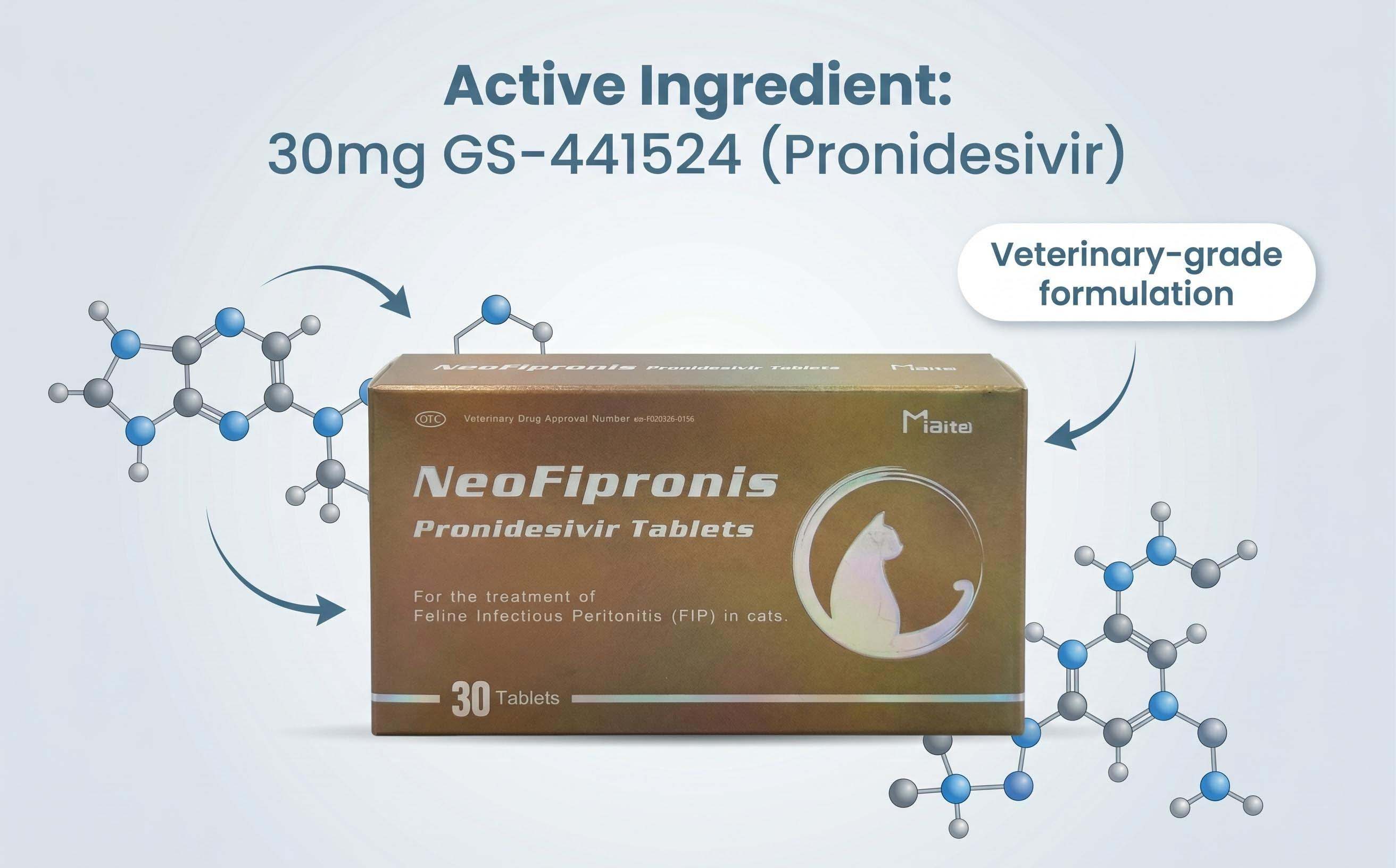
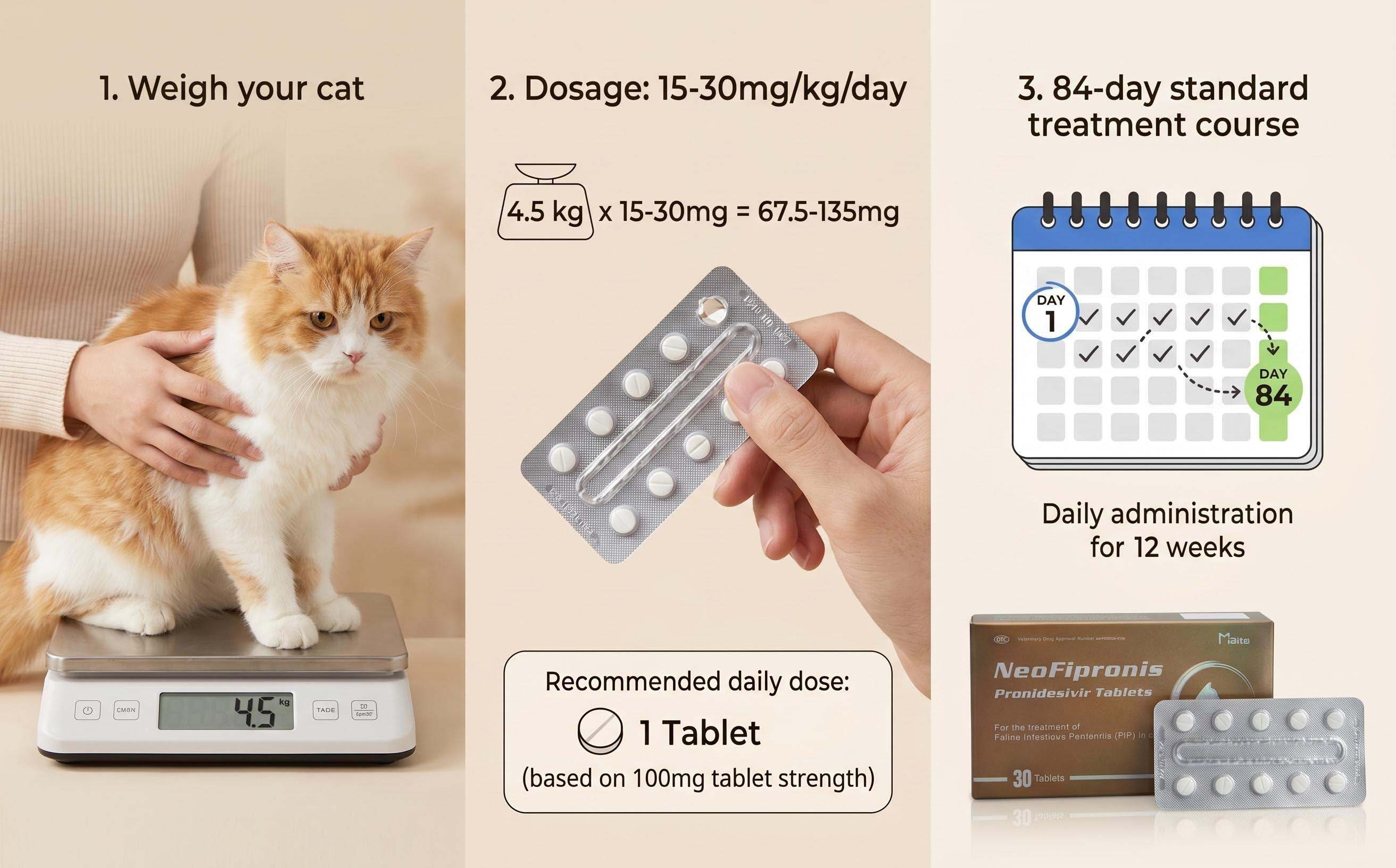
The most significant breakthrough in FIP treatment has been the use of antiviral drugs, most notably GS-441524, a nucleoside analog closely related to remdesivir. GS-441524 inhibits viral replication within the cat's cells, halting disease progression. Other compounds, such as GC376 (a protease inhibitor), have also shown promise, but GS-441524's accessibility—albeit often through unofficial sources—has made it the standard for progressive cases. These drugs are administered orally or via injection, depending on the protocol and severity of the disease. Treatment duration generally ranges from 12 to 16 weeks, with some cases requiring extended therapy.
Clinical Outcomes and Recovery Rates
Studies and clinical observations have demonstrated remarkable efficacy for GS-441524. Cats presenting with either wet or dry FIP have responded to therapy with improvement in clinical signs, normalization of blood parameters, and resolution of effusion in affected body cavities. Survival rates have exceeded 80% in some published studies, marking an unprecedented shift in outcomes. Importantly, recovery does not merely mean symptomatic improvement—cats that complete therapy often return entirely to normal lives, gain weight, resume activity, and exhibit no lingering signs of the disease for months to years after treatment.
However, successful recovery depends on multiple factors: early diagnosis, prompt initiation of antiviral therapy, the form of FIP present, and the cat’s underlying health. Cats in late stages with neurologic or ocular involvement may require higher doses or longer therapy and may not achieve full recovery in every case. Still, even in these complex cases, substantial improvement has been noted.
Challenges and Barriers to Recovery
Despite promising results, full recovery from FIP using modern antivirals is not guaranteed. There are several obstacles. First, access to GS-441524 is limited in the U.S.; it is not commercially available due to legal and regulatory restrictions. Many owners acquire the drug through unofficial channels, resulting in concerns about product quality, dosing accuracy, and support from veterinarians. Second, the drug is expensive, and extended therapy can place a financial burden on owners.
Another challenge is the risk of relapse. While many cats recover fully, some may experience a return of symptoms or incomplete resolution, particularly if treatment is stopped prematurely. The most complex cases, such as those with central nervous system involvement, tend to require higher doses and have lower rates of full recovery. Additionally, there has been the rare case of drug-resistant viral strains, although this appears uncommon.
Current Research and Future Directions
Ongoing studies are focusing on refining antiviral protocols, determining optimal doses for different presentations of FIP, and investigating combination therapies. Researchers are also evaluating remdesivir, a closely related human antiviral, which is now becoming more available for veterinary use in certain countries. The aim is to widen access, reduce costs, and improve outcomes for cats globally. Another area of research involves immune modulators and adjunctive therapies that may enhance the effect of antivirals, potentially improving recovery rates further.
Veterinary organizations are advocating for regulatory change to allow legal use and standardization of these therapies, enhancing safety for both cats and owners. Molecular diagnostics are also being refined, allowing for earlier and more accurate detection of FIP, which is crucial for effective intervention.
Long-Term Health and Quality of Life in Recovered Cats
Among cats that complete antiviral therapy and achieve clinical remission, long-term health appears generally excellent. Cats return to normal activity levels, eating habits, and social behavior. Owners report that their pets often seem as healthy as they were before the onset of FIP. Importantly, there is no evidence of chronic organ dysfunction in these recovered animals, and they are not contagious to other cats, as the mutated FIP virus does not typically transmit from cat to cat.
A minority of cats may experience persistent issues, such as mild neurological deficits or lingering inflammation. However, these cases are rare, and most resolved with time or extended therapy. Further, studies tracking cats over multiple years post-treatment show that the risk of FIP recurrence is extremely low, suggesting that a full and durable recovery is achievable in most cases.
The Role of Veterinarians and Cat Owners
Veterinarians play a crucial role in guiding owners through FIP diagnosis and treatment. It is vital for owners to partner with experienced veterinary professionals, as appropriate dosing, monitoring, and supportive care are essential for treatment success. Owners should be aware of the need for frequent blood tests and clinical assessments during therapy to monitor for response and side effects.
Education about FIP and its treatment is critical. Misconceptions abound, and social media has created an ecosystem of both support and misinformation. Reputable veterinary guidance is the cornerstone of successful management, enabling cats to gain the maximum benefit from antiviral therapies.
Ethical and Policy Considerations
The use of GS-441524 in the U.S. and several other countries remains a gray area, legally and ethically. While owners will go to great lengths to save their pets, veterinarians must comply with regulations that restrict the use of certain drugs. The veterinary community is actively lobbying for change, advocating for the formal approval of FIP antivirals. An approved drug would facilitate safe prescribing, improve outcomes, and ensure quality control. The ongoing debate continues, but the overwhelming evidence in favor of these antivirals is likely to lead to eventual policy change.
Prevention and Screening
While treatment has improved, prevention remains important. Because FIP arises from mutations of the common feline coronavirus, controlling outbreaks in multicat households, shelters, and breeders is critical. Strategies include reducing crowding, improving hygiene, and screening for coronavirus carriers. Early diagnosis and intervention dramatically improve the odds for full recovery, so responsible cat owners should be alert to warning signs and seek veterinary advice promptly.
Implications for Cat Welfare and Veterinary Medicine
The emergence of effective FIP treatments represents a watershed moment in veterinary medicine. It not only transforms the prognosis for a once-universally fatal disease but also demonstrates the power of translational research, where human drug discoveries are adapted for animal health. The increased survival and recovery rates will have lasting impacts on feline welfare, reduce emotional distress for owners, and encourage continued investment in veterinary pharmaceutical innovation.
Recovery and Normalcy: What “Fully Recover” Truly Means
Current data indicate that most treated cats not only survive but also resume a truly normal life. After the completion of therapy and resolution of symptoms, clinical and laboratory markers return to baseline, and no ongoing medical management is typically needed. These cats no longer show the physical or behavioral signs associated with FIP; their risk of recurrence is the same or lower than cats who have never had FIP.
How long does it take to recover? Most cats show improvement within days of starting treatment, with full clinical recovery often reached by the end of the treatment course. Some cases may require longer support, but the trajectory is generally positive. There is no lingering stigma or disability for these cats, and they can safely be integrated into new homes or social groups.
Remaining Questions and Knowledge Gaps
Despite these advancements, important questions remain. Researchers continue to investigate why some cats do not respond or relapse, whether very young kittens require special protocols, and what factors predispose individual cats to develop FIP. The mechanisms behind viral mutation and immune response are still being unraveled, with hopes for new approaches to both treatment and prevention.
Conclusion
Modern antiviral drugs have revolutionized the management of FIP, offering genuine hope for full recovery in the majority of cases. Although access and regulatory hurdles remain, the clinical results are indisputable: with prompt diagnosis, appropriate treatment, and veterinary support, cats can and do fully recover from what was once a universally fatal disease. Continued advocacy, research, and education are essential as the veterinary community works toward making these lifesaving drugs available to all who need them.
References
Pedersen NC. "Antiviral Therapy of Feline Infectious Peritonitis." Veterinary Clinics of North America: Small Animal Practice.
Krentz S, et al. "GS-441524 Treatment of Feline Infectious Peritonitis." Journal of Feline Medicine and Surgery.
Dickinson PJ, et al. "Pharmacokinetics of GS-441524 in Cats and Its Implications for FIP Treatment." Veterinary Microbiology.
Addie DD, et al. "Feline Infectious Peritonitis: Diagnosis, Treatment, and Prevention." Veterinary Record.
Dye C, Siddell SG. "Feline Infectious Peritonitis: Coronavirus Mutations and Pathogenesis." Journal of General Virology.
Legendre AM, et al. "Treatment of FIP with GC376 and Long-Term Outcomes." Journal of Veterinary Internal Medicine.
Murphy BG, et al. "Remdesivir as a Potential Treatment for FIP." Veterinary Microbiology.
Rossi G, et al. "Long-Term Follow-up in Cats Treated for FIP." Journal of Feline Medicine and Surgery.
Foley JE, et al. "FIP: Clinical Features and Risk Factors." Veterinary Clinics of North America: Small Animal Practice.
Mucha M, et al. "Feline Infectious Peritonitis: A Review of Novel Treatment Options." Veterinary Pathology.