Why Do Vets Often Say “Suspected FIP”

Feline Infectious Peritonitis (FIP) remains one of the most enigmatic and concerning diseases affecting cats, especially younger ones and those in multi-cat environments. When a veterinarian tells a cat owner their pet is a “suspected FIP,” it can be alarming and confusing. To understand why this phrase is commonly used, it’s essential to explore what FIP actually is, how the disease manifests, and why reaching a definitive diagnosis is so complicated. This helps explain the cautious language veterinarians use and the reasons behind it.
What is FIP?
FIP is a disease caused by certain mutations of feline coronavirus (FCoV), a virus that is extremely common in cats worldwide. While most feline coronavirus infections result in mild gastrointestinal symptoms or no symptoms at all, a small fraction mutate within a cat’s body into a form capable of causing FIP. When this occurs, the cat’s immune response leads to widespread inflammation, primarily in the abdomen, chest, or even neurological tissues.
There are two main forms of FIP:
Wet (effusive) FIP: Characterized by an accumulation of fluid in body cavities, such as the abdomen (ascites) and chest (pleural effusion).
Dry (non-effusive) FIP: Involves more localized inflammation without fluid buildup; can affect organs, eyes, or the nervous system.
Both forms have varied symptoms, making initial diagnosis incredibly challenging.
The Unique Diagnostic Dilemma
Unlike diseases with clear biomarkers or unique visible symptoms, FIP’s presentation overlaps with many other feline illnesses. Several key factors make FIP diagnosis particularly elusive:
1. Lack of a Direct Test
No single test provides absolute confirmation of FIP in living cats. Although PCR testing for coronavirus RNA, analysis of effusion samples, and antibody tests exist, none can definitively distinguish simple feline coronavirus infection from its mutated, disease-causing FIP counterpart. The “gold standard” for confirmation is typically immunohistochemistry (IHC) to identify virus-laden macrophages in tissue, but obtaining suitable tissue samples is highly invasive and rarely pursued except post-mortem.
2. Overlapping Clinical Signs
Cats with FIP may present symptoms common to other diseases, such as fever, weight loss, jaundice, abdominal swelling, eye problems, neurological signs, or breathing difficulty. Overlapping features include:
Abdominal distension and fluid accumulation (could indicate liver disease, heart failure, neoplasia)
Ocular or neurological symptoms (seen in lymphoma, toxoplasmosis)
Weight loss and lethargy (can result from chronic infections or other causes)
This makes narrowing down the diagnosis complex, especially in cats with other pre-existing conditions.
3. Laboratory Findings: Helpful but Not Definitive
Bloodwork, fluid analysis, and imaging play supporting roles but are rarely conclusive:
Complete Blood Count (CBC): May reveal anemia, lymphopenia, or elevated white blood cells, but these are nonspecific.
Biochemistry Panel: Hyperglobulinemia and low albumin-to-globulin ratio are common but overlap with other diseases.
Effusion Analysis: Straw-colored, viscous, protein-rich fluid can suggest FIP, but similar findings occur in other disorders.
Advanced tests such as RT-PCR can detect viral RNA in samples, raising suspicion, but cannot alone confirm FIP.
4. Variability in Disease Course
FIP is famously “the great imitator,” especially in its non-effusive form. Some cats progress rapidly; others linger with chronic symptoms. Not all present classic textbook signs, forcing vets to rely heavily on circumstantial evidence and a process of exclusion.
Why “Suspected FIP”? The Logic Behind Vet Language
Given the diagnostic ambiguity, veterinary professionals use careful language for several reasons:
1. Ethical Responsibility
Vets aim to avoid misdiagnosis. Instantly declaring “definite FIP” could lead to inappropriate treatment decisions, emotional distress, or even premature euthanasia. Using “suspected FIP” preserves diagnostic accuracy while responsibly conveying the gravity and uncertainty of the situation.
2. Ongoing Diagnostic Exploration
Saying “suspected FIP” signals that further investigation is ongoing. It informs owners that other possible diseases are being ruled out, and that new symptoms or test results could change the working diagnosis (for example, lymphoma or chronic bacterial infection sometimes mimics FIP).
3. Explaining Prognosis and Treatment Uncertainty
Not all FIP cases are fatal today. Recent advances, particularly antiviral drugs such as GS-441524 and its derivatives, have made what was once a death sentence into a potentially manageable condition. “Suspected FIP” leaves room for treatment trials if that route is pursued, and frames realistic expectations about possible outcomes.
Decision-Making Process in FIP Suspicion
When FIP is in the differential diagnosis, vets take several steps:
Comprehensive History: Age, environment, exposure to other cats, chronic illnesses.
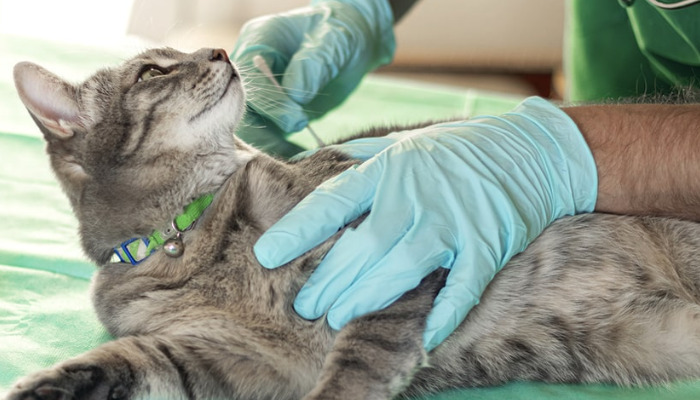
Physical Exam: Checking for fluid accumulation, eye changes, neurological signs.
Initial Tests: Bloodwork, effusion sample evaluation (if present), feline coronavirus antibody test.
Advanced Testing: PCR or immunohistochemistry, organ biopsy if indicated.
Exclusion of Other Diseases: Ruling out disorders like pancreatitis, neoplasia, bacterial infections.
Often, the combination of findings points strongly toward FIP, but rarely with unequivocal certainty.
The Role of Owner Communication
Vets face an important responsibility in guiding cat owners through the diagnostic process, balancing scientific accuracy with compassion. Clear communication helps:
Set expectations: Owners learn about the disease, testing limits, and possible outcomes.
Shared decision-making: Discussing the pros and cons of pursuing further tests or treatments.
Planning: Preparing for supportive care or considering promising new therapies if FIP is strongly suspected.
Recent Advances and Evolving Paradigms
Until recently, FIP was regarded as universally fatal. Modern research has shifted the landscape:
1. Novel Antiviral Therapies
Medications like GS-441524 have shown significant efficacy in both wet and dry forms of FIP. These drugs target the FIP virus inside the cell, reducing viral replication. Some cats have achieved full remission after weeks of therapy. Because these treatments are still emerging and not universally approved, especially in the United States, “suspected FIP” remains a common phrase until all options can be considered.
2. Improved Diagnostic Tools
Advances in molecular diagnostics, such as quantitative PCR combined with genotype analysis, are increasing diagnostic specificity. However, practical and economic barriers often limit their use in general practice, meaning that the bulk of cases are managed using classical approaches.
3. Genetic and Environmental Risk Factors
Studies have identified breeds and conditions associated with higher FIP risk (Bengals, young kittens, crowded shelters). Understanding these helps vets frame suspicion more accurately and guide targeted interventions.
Pragmatic Considerations in U.S. Veterinary Practice
In the United States, FIP diagnosis and treatment remain challenging due to:
Limited access to advanced diagnostics in general practice.
Evolving regulatory status of key antiviral therapies.
Financial considerations for cat owners.
Legal and ethical implications for veterinarians using unapproved medications.
Given these realities, “suspected FIP” is a phrase rooted in practical honesty as much as medical caution.
Case Scenarios: How a Vet Might Arrive at “Suspected FIP”
Imagine a two-year-old shelter cat with gradual abdominal swelling, lethargy, and a persistent high fever. Initial tests show high protein effusion in the abdomen, elevated globulins, and lymphopenia. PCR detects coronavirus RNA. Lymphoma is ruled out via ultrasound-guided biopsy.
The vet, weighing the evidence, informs the owner: “Based on this combination of findings, FIP is highly suspected. While we can’t confirm with absolute certainty, the likelihood is unfortunately very high.” Antiviral treatment options and supportive care are discussed.
In another case, a middle-aged cat presents with neurological signs and chronic weight loss. MRI and blood tests suggest inflammation but are not conclusive. The vet explains: “FIP is strongly suspected based on these findings, but other conditions may resemble it. We recommend additional testing before any final decisions.”
The Importance of Clinical Suspicion in Practice
Ultimately, FIP requires a synthesis of history, examination, and diagnostic tools. “Suspected FIP” is not a diagnosis of resignation, but an acknowledgement of veterinary medicine’s current limitations and the veterinarian’s responsibility to act with careful judgment. In this context, suspicion is a tool to guide the most appropriate next steps for the patient and the family.
Conclusion
The phrase “suspected FIP” reflects the nuanced reality of feline medicine. With ongoing innovation, improved communication, and expanding therapeutic options, suspicion may soon give way to early, definitive diagnosis and more effective treatments. For now, a thoughtful approach to “suspected FIP” allows veterinarians to serve their patients and clients with accuracy, empathy, and hope.
References
Pedersen, N.C. (2009). "A review of feline infectious peritonitis virus infection: 1963–2008." Journal of Feline Medicine and Surgery.
Addie, D.D., et al. (2021). "Feline infectious peritonitis: Diagnostics and therapeutics." Veterinary Clinics of North America: Small Animal Practice.
Kipar, A., & Meli, M.L. (2014). "Feline infectious peritonitis: still an enigma?" Veterinary Pathology.
Hartmann, K. (2005). "Feline infectious peritonitis." Veterinary Clinics of North America: Small Animal Practice.
Worthing, K., et al. (2020). "Characterisation of feline coronavirus isolates from cats with and without FIP." Journal of General Virology.