What Mistakes Do Owners Commonly Make With FIP
Feline Infectious Peritonitis (FIP) is one of the most feared diseases among cat owners and veterinarians alike. Caused by a mutation of feline coronavirus, FIP is notoriously difficult to diagnose and was once considered universally fatal. However, treatment advances since 2019 have given hope to cats and their caregivers. Despite these breakthroughs, owners still make mistakes that affect outcomes for their pets. Understanding these errors is crucial for improving the survival rate and quality of life for cats diagnosed with FIP. This comprehensive review covers the most common pitfalls, how to avoid them, and what responsible ownership looks like in the era of evolving FIP management.
Misunderstanding FIP and Its Causes
Owners often confuse “feline coronavirus” with FIP. Most cats will be infected with feline coronavirus (FCoV) at some point, especially in multi-cat households. However, only a small percentage will ever develop FIP due to the rare mutation of the benign virus into a virulent form. A common mistake is extreme fear or overreaction upon learning their cat has FCoV antibodies, even though this is widespread and usually harmless. This misunderstanding leads to unnecessary stress and sometimes premature, aggressive measures like rehoming cats.
Failing to Recognize Early Symptoms
FIP manifests in two main forms: “wet” (effusive) and “dry” (non-effusive). Early signs can be vague—lethargy, weight loss, poor appetite, fever unresponsive to antibiotics. Owners might attribute these signs to minor illnesses or everyday aging, delaying veterinary evaluation. When obvious symptoms (such as abdominal fluid accumulation or neurological issues) appear, the disease is often advanced. Early intervention improves outcomes, so timely recognition is vital.
Delaying Veterinary Diagnosis and Treatment
Many owners wait too long before seeking professional help. Some try “home remedies” or internet suggestions that lack scientific basis. Others move their cat between different veterinarians, hoping for a more optimistic diagnosis, rather than pursuing recommended diagnostic tests like ultrasonography, fluid analysis, and coronavirus PCR testing. Early diagnosis increases the likelihood of successful treatment. Ignoring or denying the possibility of FIP in sick cats further delays intervention.
Choosing Ineffective or Dangerous Treatments
Prior to 2019, FIP was essentially a death sentence. The introduction of GS-441524 and related antivirals revolutionized treatment. Unfortunately, these drugs were initially unapproved and expensive, leading to a wave of “black market” products of uncertain quality. Owners seeking cheaper alternatives can use substandard formulations, improper dosing, or counterfeit drugs. Some desperate owners still attempt steroids, immunomodulators, or herbal mixtures as primary therapy, which lack efficacy and can worsen the disease.
Improper Administration of Antiviral Medication
Successful FIP treatments require precise dosing, typically for a minimum of 12 weeks. Owners may prematurely stop medications due to cost, inconvenience, or misunderstanding the importance of full courses. Underdosing or inconsistent administration can enable viral relapse, sometimes more resistant to therapy. Others use the wrong form (oral vs. injectable) or inadequate dosage for their cat’s weight and specific form of FIP. Proper veterinary guidance is essential, not just for acquiring medication but for ongoing adjustment as cats respond.
Ignoring Supportive Care Needs
While antivirals address the virus, supportive care—fluids, nutrition, pain management—remains vital. Owners may overlook hydration, assuming cats will drink on their own, or neglect nutritional adjustments needed as sick cats lose appetite or suffer gastrointestinal symptoms. Some cats need appetite stimulants, feeding tubes, or hospitalization. Owners may also avoid pain medications out of fear or misunderstanding, leaving cats uncomfortable.
Failing to Prevent Secondary Infections
FIP suppresses the immune system. Cats may develop concurrent infections (bacterial, fungal, or parasitic) that need separate treatments. Owners might not realize secondary infections worsen prognosis, or may misattribute new symptoms to FIP worsening, so they skip additional testing or treatments. Proper hygiene, routine monitoring, and timely response to new problems matter greatly.
Inadequate Communication With Veterinarians
Owners sometimes withhold full information: the cat’s history, symptoms, drug doses, or behavior changes. Other times, they become frustrated with slow diagnostic progress and switch providers, resulting in fragmented care and repeated tests. Good outcomes depend on partnership—a shared understanding of goals, schedule, and expectations. Owners should feel empowered to ask questions, clarify steps, and promptly report changes. Without this, cats may receive inconsistent therapy, experience delays, or miss critical follow-ups.
FIP Isolation Misconceptions
FIP is not generally contagious between cats; the mutated virus is internally generated. Yet many owners isolate FIP cats from other pets, temporarily or permanently, which can increase stress and reduce quality of life. Isolation is appropriate only if the cat’s behavior, health status, or risk to immunocompromised animals mandates it. More often, maintaining familiar social bonds is better, as loneliness can hinder recovery.
Financial Considerations and Ethical Choices
FIP therapy—especially the newer, effective antivirals—comes with high cost, sometimes thousands of dollars. Some owners pursue treatment with insufficient resources, getting only partway through the course. Others hesitate to discuss finances with veterinarians, causing hidden delays. Procrastination means a sicker cat, higher costs, or less chance of remission. Responsible owners plan ahead, discuss openly, and consider how costs fit their household budgets. Crowdfunding and community support have become new lifelines, but bring their own risks and uncertainties.
Misunderstanding Prognosis and Recovery
While new treatments have dramatically improved survival rates, some owners believe initial improvements mean cure. Stopping medication early, skipping follow-up labs, or ceasing supportive care can all risk relapse. Others may believe FIP always ends in death, giving up without trying therapy. A balanced understanding—realistic but hopeful, informed by new research—is crucial. Owners should expect a months-long journey, with good odds but not guarantees.
Neglecting Mental Health—For the Cat and Owner
Long-term management of FIP is exhausting and emotionally taxing. Owners may experience anxiety, guilt, or depression as their cat struggles. Cats feed off their environment; high stress can worsen symptoms or slow healing. Support groups, counseling, and honest communication can alleviate this burden. Neglecting mental health leads to poor decisions, inconsistent treatments, or decreased willingness to persevere.
Ignoring Preventative Steps for Other Cats
Though FIP itself is not contagious, FCoV transmission remains an issue. Multi-cat households, catteries, and shelters can minimize FCoV spread with simple precautions—regular litter cleaning, reducing overcrowding, and isolating overtly ill animals. Owners sometimes neglect these steps, assuming FIP “comes out of nowhere.” Simple hygiene and population management can reduce overall risk.
Getting Information From Unreliable Sources
The internet offers both lifesaving knowledge and dangerous misinformation. Owners who rely on social media groups, forums, or unlicensed sellers for medical guidance expose their cats to harm. While community support is helpful, medical decisions should be made with board-certified veterinarians using evidence-based protocols. Owners should seek out published studies, veterinary recommendations, and trusted professional organizations.
Failure to Keep Records
Managing FIP is complex and long-term. Dosing schedules, lab tests, symptom changes—all need precise tracking. Owners who neglect charts or journals frequently misremember doses or miss symptoms, especially with busy family lives or multiple caregivers. Good record-keeping supports veterinary decisions, enables ongoing monitoring, and increases recovery rates.
Missing Post-Treatment Monitoring
Even after apparent remission, FIP cats require follow-up exams and occasional laboratory tests for months (sometimes years). Owners may stop visits once symptoms resolve, missing early warning signs of relapse or chronic organ damage. Some cats need ongoing management for secondary issues like kidney or liver changes. Long-term partnership with veterinarians is the best route to stable health.
Assumptions About Breed or Age Immunity
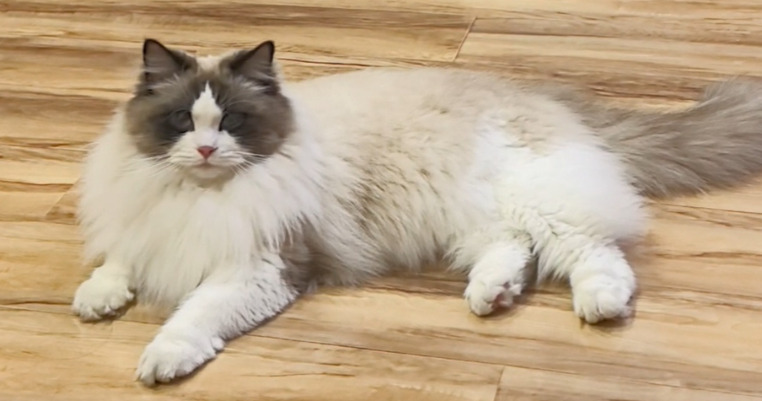
Owners sometimes think purebred, shelter, or “outdoor” cats have unique susceptibilities. While some breeds (Birmans, Ragdolls, Bengals) do show higher FIP rates, the disease can affect any cat. Older owners may ignore risk in kittens; kitten owners may think cats outgrow risk. All ages, breeds, and backgrounds require vigilance.
Risky Breeding Practices in Catteries and Shelters
Cattery and rescue owners may believe their facility is “clean” if FIP has not appeared recently, assuming their lines are safe. But FCoV is highly prevalent, with silent carriers. Failing to screen new arrivals, overcrowding, or skipping regular health checks leads to outbreaks. Owners sometimes rush breeding schedules, increasing kitten numbers amid high viral burden. Responsible management includes regular FCoV screening, careful isolation practices, and judicious breeding pacing.
Overlooking Future Research and Evolving Guidelines
Owners sometimes rely on outdated “FIP myths,” believing there is no hope, or that all therapy is illegal or risky. Guidelines have evolved rapidly since 2019, including legal FIP therapies and mainstream veterinary support. Owners who ignore new studies may fail to access lifesaving treatments. Staying updated with news, clinical trial results, and professional education matters.
Cat Welfare and Final Decisions
Some owners, unable to afford or manage long-term FIP treatment, seek to prolong suffering or search endlessly for miracle cures. Euthanasia, though devastating, is sometimes the kindest choice for unresponsive cases or cats with terminal pain. Owners may make this decision too late or too early. Understanding cat welfare, honest prognosis, and available support are fundamental to compassionate care.
References
Pedersen NC. "The History of FIP and Recent Advances."
Driscoll C, et al. "Feline Coronavirus Pathogenesis and Epidemiology."
Addie D, et al. "Failures and Successes in FIP Treatment."
Foley JE, Poland A, Carlson J. "Managing FIP in Shelters and Multi-Cat Households."
Niels C. Pedersen. "Antiviral Treatment for FIP: Progress and Pitfalls."
American Association of Feline Practitioners. "2023 Feline Infectious Peritonitis Guidelines."
Feline Infectious Peritonitis, by Katrin Hartmann & Hans Lutz, in “Greene’s Infectious Diseases of the Dog and Cat (Sixth Edition)”