Which Matters More in FIP — Treatment or Daily Care
Understanding Feline Infectious Peritonitis (FIP)
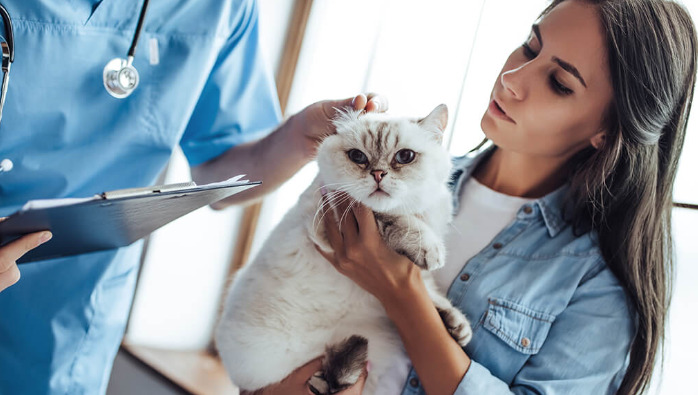
Feline Infectious Peritonitis, known as FIP, is a devastating disease that affects cats worldwide, often leaving pet owners anxious, confused, and in search of answers. Caused by a mutation of feline coronavirus, FIP can be fatal if not properly addressed. While scientific advancements in recent years have led to promising treatments, questions remain: What matters most in managing FIP—innovative medications or meticulous daily care? For owners facing a diagnosis, understanding these elements is essential to maximize the chances for survival and quality of life.
Diagnosis: Clarifying the FIP Challenge
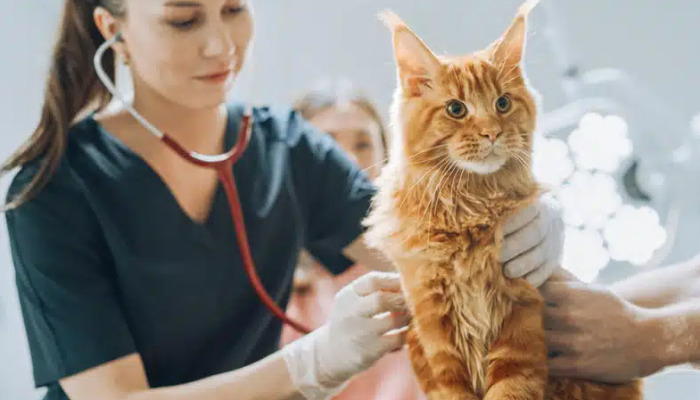
Early and accurate diagnosis sets the foundation for everything that follows. FIP is notorious for evading detection due to its varied manifestations. Effusive (“wet”) FIP involves fluid in body cavities, leading to rapid onset of symptoms like distended abdomen and breathing difficulty. Non-effusive (“dry”) FIP presents more subtle immune system impacts, such as neurological signs or ocular changes. As there is no single definitive test, diagnosis is typically made by interpreting a combination of clinical signs, bloodwork abnormalities (such as elevated protein levels), and advanced diagnostic imaging.
Timely diagnosis boosts the potential for therapy success and supports the formulation of an effective daily care routine. Veterinarians often recommend additional laboratory testing, including PCR or antibody tests, to distinguish FIP from similar illnesses. Immediate information and consultation set the tone for intervention and ongoing care.
Treatment Breakthroughs: Gaining Ground Against FIP
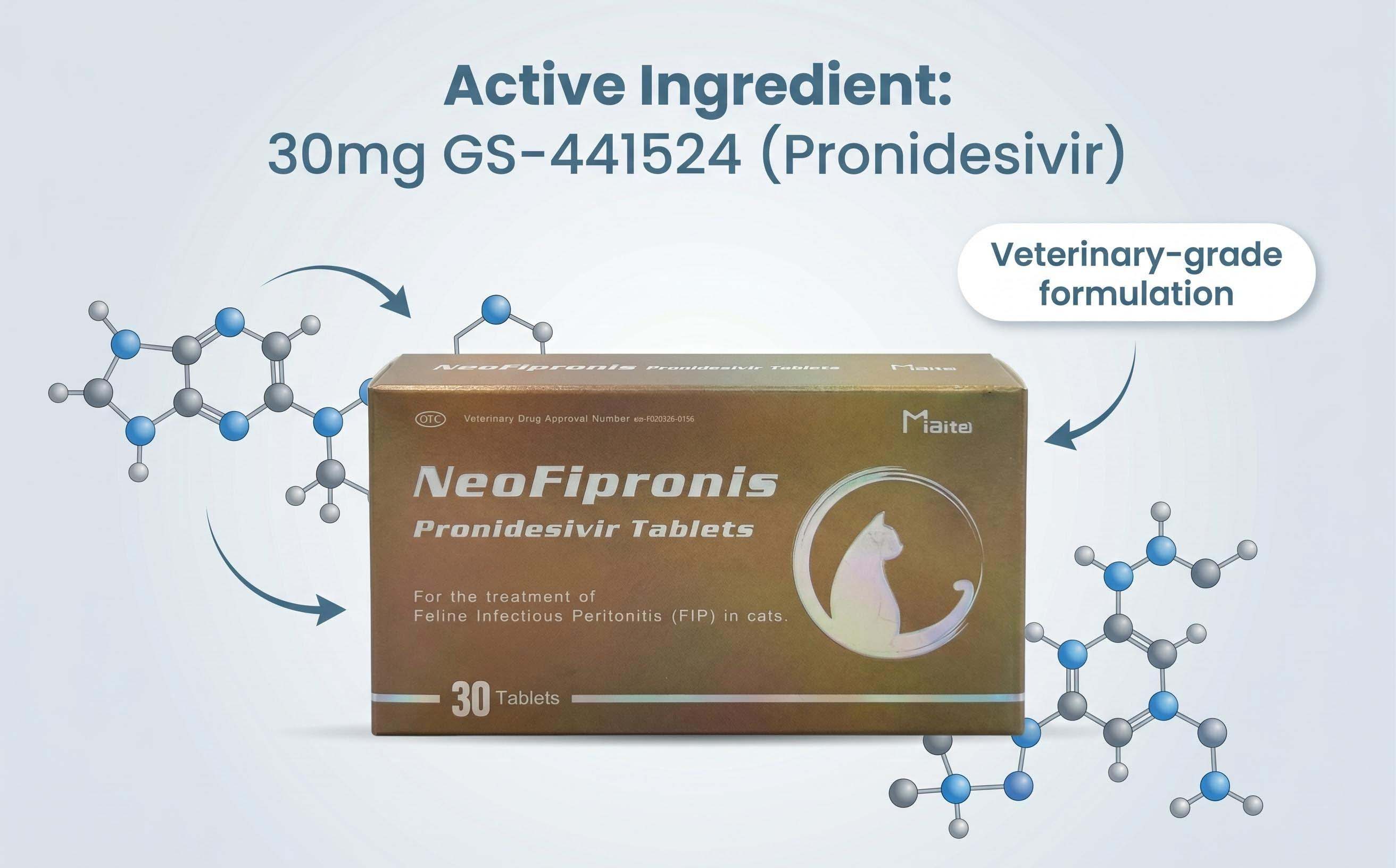
Before 2019, FIP was considered almost universally fatal. Since then, antiviral treatments—particularly drugs like GS-441524 and its analogues—have revolutionized FIP management. These medications work by inhibiting viral replication, giving the cat’s immune system a fighting chance. In clinical studies, GS-441524 has shown remission rates of up to 80%, offering hope where there was once none.
Access to antiviral therapies is a complex issue, given regulatory hurdles in many countries, including the United States. Some cat owners resort to black-market sources, which carries risks of improper dosing and safety concerns. Veterinarians, however, increasingly collaborate with researchers and pharmaceutical companies to offer supportive, legal treatment options.
Beyond antivirals, adjunct therapies may be recommended. Corticosteroids, immunosuppressive drugs, and antibiotics may help control symptoms and secondary infections. Nutritional supplements, such as B vitamins and omega-3 fatty acids, support overall health during treatment. Every pharmaceutical intervention must be tailored to the cat’s age, weight, FIP form, and co-existing conditions.
Daily Care Essentials: Creating an Environment for Recovery
While medication attacks the virus directly, daily care builds the scaffolding for healing and comfort. The role of environmental stability, nutrition, stress reduction, and owner vigilance cannot be overstated in the trajectory of FIP.
Environmental Support: Cats with FIP are often immunocompromised, making a sanitary environment indispensable. Owners must routinely clean bedding, bowls, and litter boxes, minimizing risk of secondary infections. Quiet, low-traffic spaces offer tranquility, promoting rest and minimizing stress-induced immune suppression.
Nutrition: Cats with FIP may experience diminished appetite or gastrointestinal symptoms. Offering palatable, high-quality food encourages eating and essay, while supplementing with calorie-dense treats can prevent dangerous weight loss. Hydration is crucial—wet food and access to fresh water can make a significant difference.
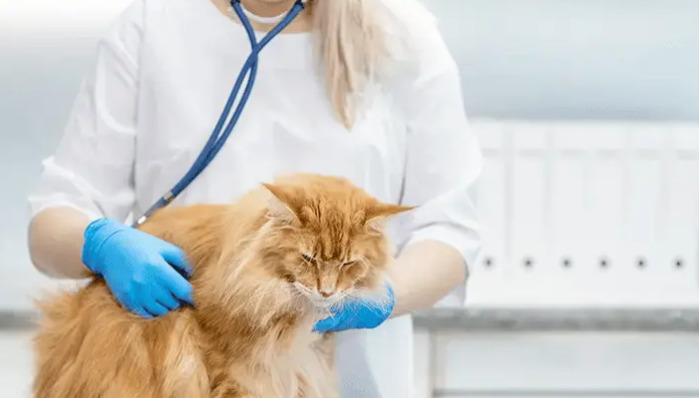
Monitoring and Attentiveness: The daily routine must include regular check-ups of body weight, temperature, hydration status, and breathing patterns. Early identification of decline or complications allows prompt intervention—timing that can be lifesaving. Owners should track medication dosages, symptoms, and overall behavior in a log book, facilitating effective communication with the veterinary team.
Emotional Wellness: The emotional bond between cat and owner translates into comfort and resilience. Gentle play, grooming, and companionship alleviate fear and anxiety, enhancing immune function and quality of life.
Treatment Versus Daily Care: Weighing the Impact
The argument between medical treatment and daily care is not one of opposition but of synergy. Antiviral drugs such as GS-441524 are the backbone of FIP recovery, targeting the root cause. However, daily care is the vessel through which treatment succeeds. Cats enduring the side effects of therapy, stress, or secondary infections rely on attentive daily management as much as on pharmaceutical intervention.
Emerging research highlights that cats with robust daily care regimens experience fewer complications, better medication tolerance, and stronger chances of full remission. Nutrition, environment, and emotional support not only complement antiviral drugs but can determine if treatment is even possible; severely compromised or stressed cats may not withstand medications.
The analogy is akin to a garden—medication is the rich soil and nutrients needed for growth, but daily care is the sunlight, water, and tending that allow a flower to blossom. Neglecting either risks failure.
Case Studies: Stories of Hope and Lessons Learned
Anecdotal and clinical case studies from FIP support groups and veterinary literature underline the combined importance of treatment and care.
One example involved a two-year-old domestic shorthair presenting with non-effusive FIP and neurological signs. The cat received GS-441524 for a recommended 84-day protocol, combined with daily hydration monitoring, appetite-boosting foods, a stress-free environment, and close owner-vet communication. Remission was achieved; the owner credited both prompt medical treatment and “never missing a day of careful love and support.”
In another case, the lack of daily care—including unsanitary living conditions and failure to administer recommended supplements—was associated with relapses and secondary infections, despite access to antiviral medication.
Such stories reinforce that successful FIP management is not purely scientific or pharmaceutical; it is a holistic challenge requiring commitment on all fronts.
Barriers and Challenges: Beyond Medications
Challenges abound beyond the antiviral prescription pad. Not all cat owners have access to legal or affordable antivirals. Financial constraints, lack of local expertise, or unavailability of support groups may force owners into seeking informal or risky treatment avenues.
Emotional fatigue and burnout among caretakers are not uncommon. The time, vigilance, and emotional investment required for daily care can be draining, especially in long cases. Online communities, support networks, and veterinary counseling have emerged as valuable resources for those navigating FIP.
The burden on multi-cat households is significant; preventing transmission and protecting vulnerable companions require isolation practices, frequent handwashing, and knowledge about feline coronavirus shedding. Decisions about euthanasia and end-of-life care, though difficult, must be considered in cases where neither treatment nor daily care can abate suffering.
Prevention: The Proactive Role of Daily Care
Prevention of FIP hinges on minimizing exposure to feline coronavirus and maximizing immune health. While no vaccine currently offers full protection against FIP, daily care strategies significantly reduce risk:
Regular cleaning routines in homes and catteries.
Promptly isolating sick cats from healthy ones.
Avoiding overcrowding, which correlates with higher coronavirus mutation rates.
Ensuring nutritional adequacy and stress reduction, both vital to feline immunity.
Responsible breeding practices focus on limiting exposure among kittens, which are particularly susceptible to FIP. Breeders and shelters are increasingly adopting protocols such as early weaning, quarantine areas, and frequent disinfecting.
Education—the linchpin of prevention—means owners understanding the signs of FIP, pursuing regular veterinary visits, and being prepared to intervene early.
The Human Side: Owner Commitment and Quality of Life
Cats living with FIP and their owners embark on a journey marked by medical complexity, emotional highs and lows, and logistical challenges. Quality of life stands at the center of every decision, from treatment protocols to daily routines.
With new therapies, the expectation of long-term survival is realistic for many cats. Owners committed to daily care—feeding, grooming, sanitizing, observing—report deeper bonds, sometimes describing the experience as transformative.
Support groups on social platforms and nonprofit organizations offer practical tips, reassurance, and financial assistance, underscoring that no cat and no owner must face FIP alone.
Conclusion: The Intertwined Approach to FIP Management
The modern landscape of FIP care is defined by innovation and empathy. Pharmacological breakthroughs have rewritten the story of FIP, offering the possibility of cure and remission. Daily care practices anchor those gains, bridging science and compassion.
For cat owners and veterinarians, the answer is clear: in the fight against FIP, treatment and daily care matter equally. They are two sides of the same coin, each indispensable, each reinforcing the other. Together, they offer cats a brighter future—a future not of inevitability, but of hope, healing, and the promise of more days together.
References
1. Pedersen, N.C. (2020). Update on feline infectious peritonitis: experimental and field trial with the ATP analog GS-441524. Veterinary Microbiology, 243, 108444.
2. Murphy, B. (2021). Feline infectious peritonitis: current concepts in pathogenesis and treatment. Seminars in Veterinary Medicine and Surgery, 36(2), 133-139.
3. Addie, D.D., et al. (2021). Feline coronavirus and FIP: update on epidemiology and prevention. Journal of Feline Medicine and Surgery, 23(5), 409–418.
4. Kipar, A., & Meli, M.L. (2019). Immunopathology of feline infectious peritonitis. Veterinary Immunology and Immunopathology, 228, 57-66.
5. Pesteanu-Somogyi, L.D., Radzai, C., & Pressler, B.M. (2006). Feline infectious peritonitis. Veterinary Clinics of North America: Small Animal Practice, 36(1), 83–101.
6. Izes, A.M., et al. (2020). Feline infectious peritonitis: a key update for clinicians. Australian Veterinary Journal, 98(10), 461–471.
7. U.S. FDA. (2023). FDA Guidance on Compounded Animal Drug Products. Retrieved from https://www.fda.gov/animal-veterinary/products
8. FIP Warriors USA (2023). Treatment Protocol Resources. Retrieved from https://fipwarriorsusa.com/
9. The Winn Feline Foundation (2022). FIP Research & Financial Assistance Info. Retrieved from https://www.winnfelinefoundation.org/
10. Norris, J.M., et al. (2018). Feline infectious peritonitis: Some answers—but still many questions. BMC Veterinary Research, 14, 153.