How to Give Oral FIP Medicine

Feline infectious peritonitis, commonly called FIP, is one of the most serious diseases affecting cats. It can cause fever, poor appetite, weight loss, fluid buildup, eye inflammation, neurologic signs, and severe weakness. Because oral treatment has become an important part of modern FIP care, many cat owners search for the best way to give oral FIP medicine at home. The goal is not only to deliver the dose correctly, but also to reduce stress, improve absorption, and keep the cat eating, hydrated, and comfortable during treatment.
Oral medicine works best when the cat receives it consistently, at the right time, and in the full prescribed amount. Since many FIP cats are already tired, nauseated, or fearful, the process should be calm and predictable. A gentle approach can make a major difference in the success of treatment and in the cat’s daily well-being.
Understanding Oral FIP Medicine
Oral FIP medicine is usually given as a tablet, capsule, or liquid formulation. In many cases, treatment is based on antiviral compounds used to control the virus that causes FIP. A veterinarian may choose oral medication for cats that can swallow safely and tolerate home dosing.
Before giving any medicine, confirm the prescribed dose, schedule, and duration with a veterinarian. FIP treatment is not a one-time event; it usually requires careful daily administration for a sustained period. Missing doses, splitting tablets incorrectly, or giving medicine with incompatible food can reduce effectiveness.
A cat with FIP may have a reduced appetite, so oral administration often needs planning. If the cat refuses food or is vomiting, medication timing may need to be adjusted. The most important rule is consistency: give the medicine exactly as instructed and keep a written record of each dose.
Preparing for Each Dose
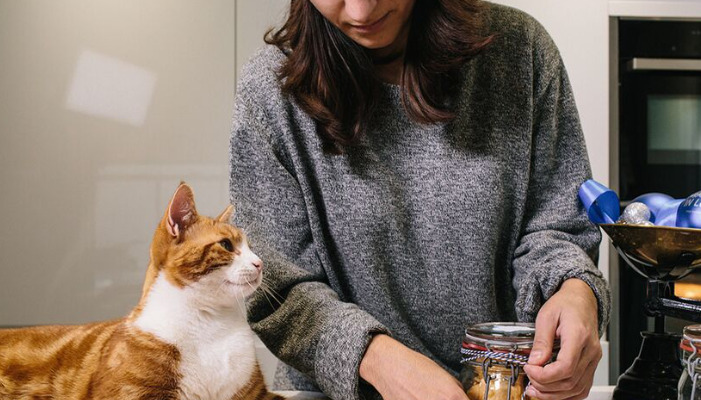
Preparation can make oral dosing much easier. Gather everything before starting: the medicine, a small amount of water, a syringe if liquid is prescribed, a pill pocket or treat if allowed, and a towel if your cat tends to resist.
Choose a quiet room with minimal distractions. Avoid loud sounds, other pets, or sudden movements. Speak softly and move slowly. Cats with FIP may already be stressed, and stress can make swallowing more difficult. If the medication is a tablet or capsule, check whether it should be given with food or on an empty stomach. If the medicine is liquid, make sure the syringe is measured accurately.
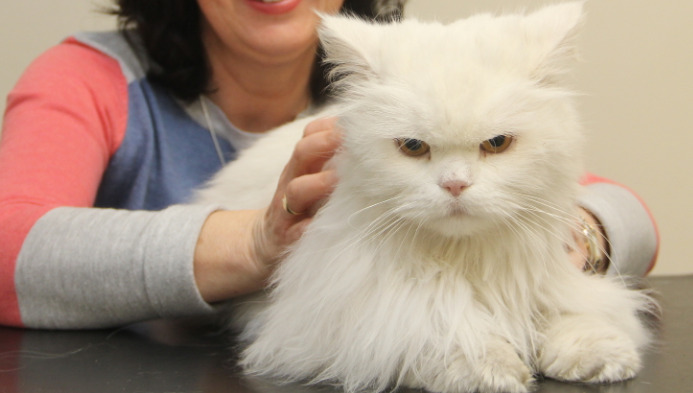
Keep the cat upright or in a natural sitting position. Never force the head back too far, because this can increase the chance of choking or aspiration. If your cat is weak, support the body gently with one hand while giving the medicine with the other.
Step-by-Step Oral Administration
For tablets or capsules, place the medicine at the back of the tongue if the cat accepts direct pilling. Close the mouth gently and hold it closed for a moment while the cat swallows. Some owners prefer a pill popper for accuracy and speed. If the medicine can be given in food, use only a small amount of the chosen food so the cat finishes the full dose.
For liquid medicine, place the syringe in the side of the mouth, not straight down the throat. Slowly release a small amount at a time, allowing the cat to swallow before giving more. Too much liquid at once may cause gagging or spilling. After the dose, offer a small treat, a favorite food, or a tiny sip of water if permitted.
If your cat spits out part of the dose, contact the veterinarian or treatment provider for advice. Do not guess or repeat the dose unless instructed, because double-dosing can be dangerous.
Making Oral Medicine Easier for Cats
Some cats refuse direct pilling, but there are several ways to improve success. Hide tablets in soft food only if the medication is safe to take that way. Use flavored capsules or compounding when available. If the cat is food-motivated, give a favorite snack right after the dose so the process ends positively.
A towel wrap, sometimes called a cat burrito, can help prevent scratching and reduce struggling. It should be snug but never tight. Another helpful method is to practice handling when the cat is calm, so the daily routine feels familiar.
When a cat has mouth pain, nausea, or severe weakness, oral dosing may become difficult. In that case, a veterinarian may suggest supportive care such as anti-nausea medication, appetite support, or a different formulation.
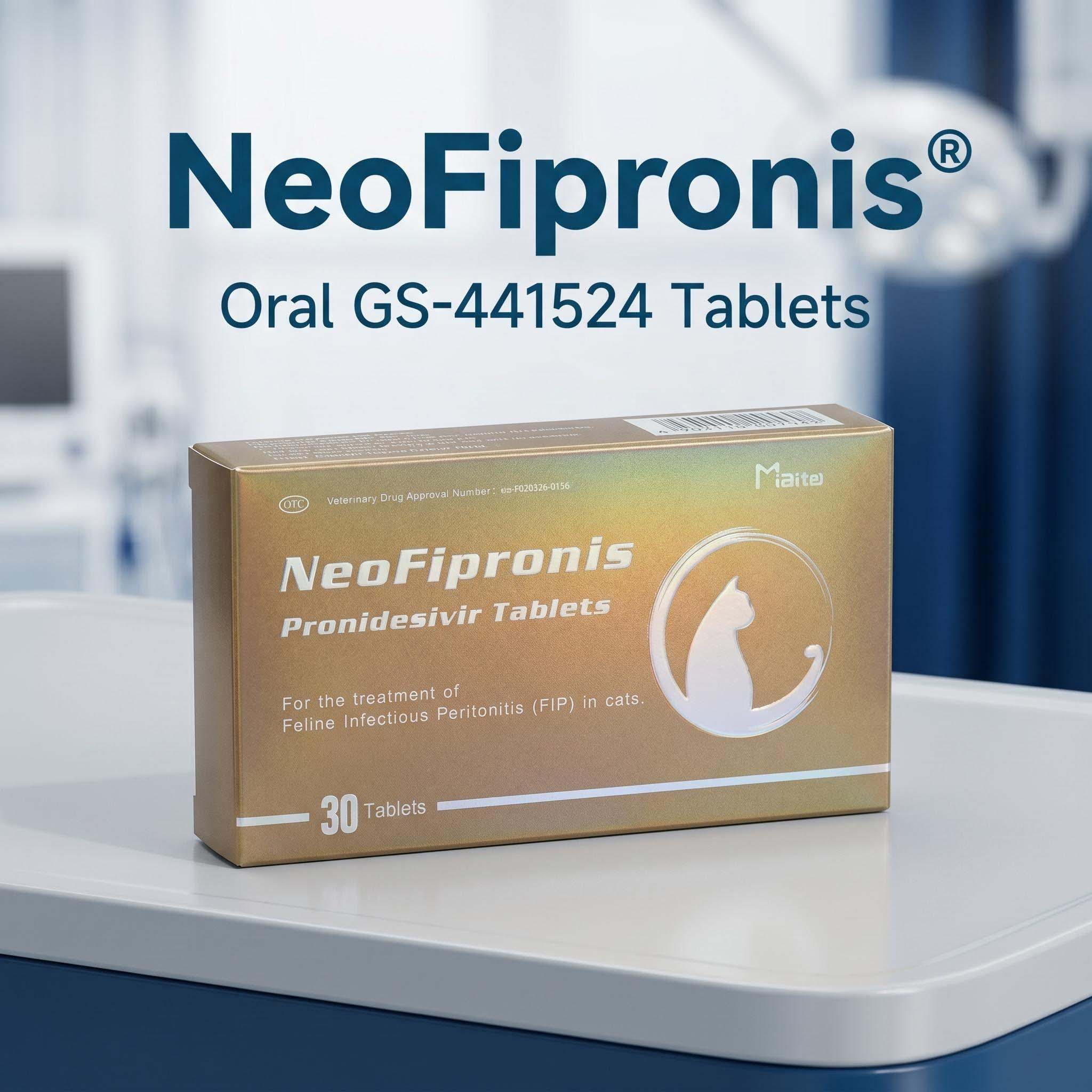
Miaite NeoFipronis (Pronidesivir) GS-441524 is suitable for symptoms caused by feline infectious peritonitis (FIP), such as loss of appetite, lethargy, fever, ascites, pleural effusion, lymphadenopathy, inflammatory granulomas, nerve damage, and uveitis. It has excellent therapeutic effects on FIP. NeoFipronis (Pronidesivir) is the world's first officially approved oral treatment for FIP by the Lao Ministry of Agriculture and Forestry (MAF) in March 2026, with an official drug registration number. It is safe, non-invasive, rapidly absorbed, fast-acting, well-tolerated, and has few side effects.
Monitoring the Cat During Treatment
Daily observation is essential during oral FIP therapy. Watch appetite, body weight, energy level, breathing, litter box use, and temperature if your veterinarian recommends monitoring it. Improvement may appear gradually, but even small changes matter. A cat that begins to eat more, move more, or interact better may be responding to treatment.
Keep track of any side effects such as vomiting, diarrhea, drooling, or unusual sleepiness. Also watch for signs that the disease is worsening, including trouble breathing, worsening fluid accumulation, jaundice, disorientation, or inability to stand. These signs need veterinary attention quickly.
Blood tests may be recommended during treatment to monitor inflammation, liver function, kidney values, and overall response. The veterinarian may adjust the plan based on the cat’s progress. Never stop treatment early without professional guidance, even if the cat looks much better.
Feeding, Hydration, and Daily Care
Medicine alone is not enough. Cats with FIP often need nutritional support, hydration, and a low-stress environment. Offer palatable, high-quality food in small meals. If the cat is not eating enough, ask the veterinarian about appetite support or therapeutic diets.
Fresh water should always be available. Some cats drink more from fountains, shallow bowls, or flavored water added under veterinary direction. If the cat has fluid buildup, breathing problems, or severe dehydration, additional medical care may be needed.
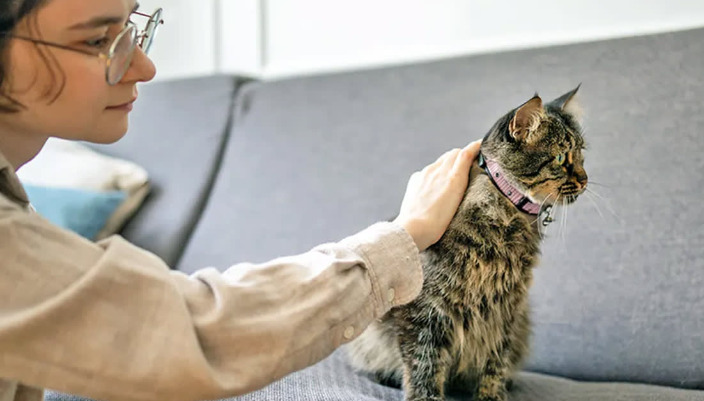
Rest is also important. Provide a warm, quiet resting area away from other animals. Handle the cat gently and avoid unnecessary stress. Recovery is often easier when the cat feels safe.
When Oral Dosing Is Not Working Well
If the cat consistently refuses the medicine, vomits after dosing, or becomes more unwell, reassessment is needed. Oral treatment is only effective when the full dose stays in the body. A veterinarian may recommend changes in formulation, timing, supportive medications, or another route of administration.
Seek urgent veterinary help if the cat has extreme lethargy, difficulty breathing, collapse, seizures, severe dehydration, or sudden eye or neurologic changes. FIP can progress quickly, and treatment plans sometimes need immediate adjustment.
Building a Reliable Daily Routine
Success with oral FIP medicine depends on routine. Give the medication at the same time each day, in the same place if possible, and keep the process calm and efficient. Record each dose in a notebook or phone app. This helps prevent missed doses and allows you to notice patterns in appetite, behavior, or side effects.
Many owners find that a short daily routine works best: prepare the dose, settle the cat, give the medicine, reward the cat, and note the time. The routine becomes easier over time, and the cat often learns to tolerate it with less resistance.
Oral FIP medicine can be a practical and effective part of treatment when it is given carefully, consistently, and under veterinary supervision. With good preparation, gentle handling, and close monitoring, many cats can complete therapy successfully and regain strength.
References
Merck Veterinary Manual: Feline Infectious Peritonitis
Cornell Feline Health Center: Feline Infectious Peritonitis
Journal of Feline Medicine and Surgery: Feline Infectious Peritonitis Reviews
Veterinary Clinics of North America: Small Animal Practice, Infectious Diseases in Cats
American Association of Feline Practitioners: Feline Patient Care Guidelines
World Small Animal Veterinary Association: Cat Welfare and Home Medication Guidance