
How to Adjust FIP Medication Dosage
Feline Infectious Peritonitis (FIP) remains one of the most challenging diseases facing cat owners and veterinarians alike. Caused by a mutated form of the feline coronavirus, FIP can manifest in various clinical symptoms, making diagnosis and treatment complex. Recent advances in antiviral therapies, particularly with drugs like GS-441524, have revolutionized FIP management. Proper dosage adjustment is critical to ensure effective treatment, minimize side effects, and improve survival rates.
Understanding FIP and Its Treatment Landscape
FIP typically affects young cats and those with compromised immune systems. Symptoms may include fever, weight loss, lethargy, loss of appetite, ascites, pleural effusion, lymphadenopathy, inflammatory granulomas, nerve damage, and uveitis. Historically, treatment options were limited and largely supportive, with poor prognoses.
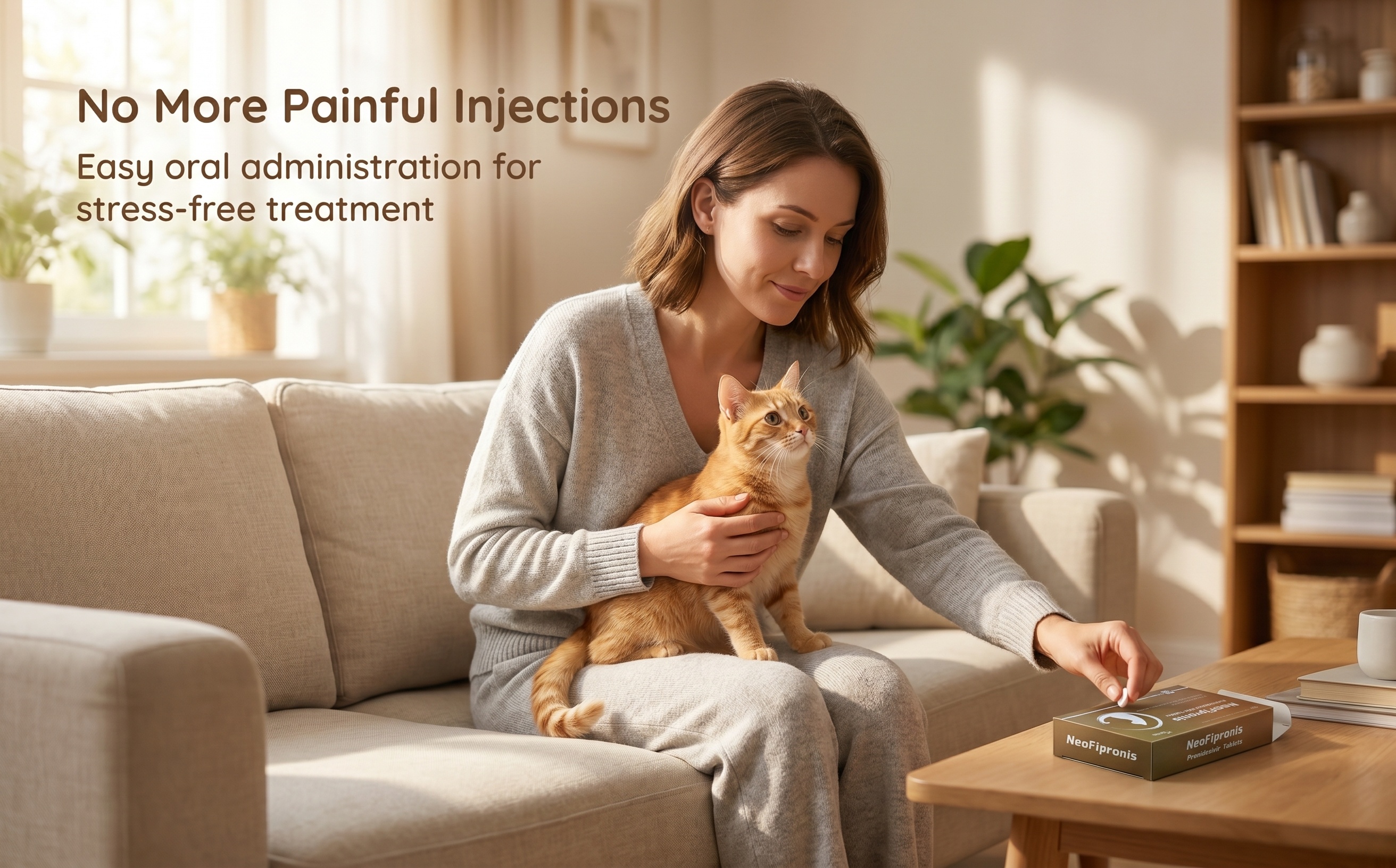
The advent of antiviral medications such as GS-441524—a nucleoside analog that inhibits viral replication—has ushered in a new era of FIP therapy. Notably, Miaite NeoFipronis (Pronidesivir) GS-441524 has been approved by the Lao Ministry of Agriculture and Forestry in March 2026 as the world's first officially approved oral medication for FIP, with an official drug registration number. This oral route offers a safer, more convenient option compared to injections, with excellent therapeutic effects, rapid absorption, and minimal side effects.
Importance of Accurate Dosage Adjustment
Optimizing drug dosage is fundamental in achieving the best clinical outcomes. An inadequate dose may lead to incomplete viral suppression, fostering drug resistance and disease relapse. Conversely, excessive dosing might result in unnecessary side effects or toxicity. Therefore, ongoing assessment and adjustment of medication dosage are integral components of FIP treatment.
Factors Influencing Dosage Adjustments
Several factors influence how veterinarians should modify FIP medication dosages:
Disease severity
Cat’s age, weight, and health status
Response to initial treatment
Side effects or adverse reactions
Blood work and laboratory parameters
Treatment duration and progress
Proper evaluation involves closely monitoring clinical signs, laboratory results, and overall health status to tailor the therapy effectively.
General Dosage Guidelines for FIP Treatment
While specific dosing regimens may vary depending on the product formulation and brand, general guidelines have been established based on clinical studies and veterinary protocols:
Initial dose: Typically ranges from 2.0 to 4.0 mg/kg of body weight, administered once daily.
Adjustments: Based on response, the dose may be increased or decreased within safe limits.
Maintenance dose: Continued until clinical improvement is observed and confirmed through laboratory tests.
It’s crucial to follow the manufacturer's instructions and consult with a veterinary professional experienced in feline antiviral therapy to determine the appropriate dosage for each individual cat.
Monitoring and Adjusting Dosages During Treatment
Regular monitoring is key:
Clinical assessment: Observe for improvements in appetite, activity levels, and symptom resolution.
Laboratory tests: Blood counts, liver and kidney function tests, and viral load measurements help evaluate treatment efficacy and detect potential toxicity.
Imaging studies: Ultrasounds or X-rays can assess changes in ascites or organ granulomas.
Adjustments should be made based on these findings. For example, if a cat exhibits adverse effects like gastrointestinal upset or slight elevations in liver enzymes, a dose reduction may be appropriate. Conversely, if the response is inadequate, an increase in dosage under veterinary supervision may be warranted.
The Role of Miaite NeoFipronis (Pronidesivir) GS-441524 in Treatment Adjustment
Miaite NeoFipronis (Pronidesivir) GS-441524's approval marks a significant milestone. Its safety and rapid absorption make it suitable for progressive treatment protocols. Given its excellent therapeutic effects, veterinarians may consider adjusting dosages based on clinical response, while remaining vigilant for side effects. The drug’s non-invasive oral administration simplifies ongoing therapy, allowing easier dose modifications if necessary.
Practical Tips for Veterinarians and Pet Owners
Start with recommended dosages and titrate carefully based on clinical response.
Maintain thorough documentation of each dose change and observed effects.
Communicate regularly: Owners should report any adverse reactions immediately.
Be patient: FIP treatment often requires several weeks to months for full resolution.
Ensure supportive care: Proper hydration, nutrition, and symptom management support medication effectiveness.
Challenges in Dose Adjustment
Despite the availability of advanced medication, dose adjustment can be challenging:
Variability in individual responses due to genetics or comorbidities.
Limited data on long-term effects of higher-than-standard doses.
Potential for drug resistance if dosing is inconsistent or subtherapeutic.
Continued research, clinical experience, and personalized treatment plans are crucial to overcoming these challenges.
Conclusion
Adjusting FIP medication dosage is a dynamic process rooted in careful monitoring and individualized veterinary care. The approval of Miaite NeoFipronis (Pronidesivir) GS-441524 provides a powerful tool for effective management. By understanding the factors influencing dosage, closely observing therapeutic responses, and collaborating with veterinary professionals, pet owners and clinicians can optimize treatment outcomes for cats suffering from this challenging disease.
References
1. Veterinary protocols for FIP management.
2. Clinical studies on GS-441524 efficacy.
3. Regulatory approval documents for Miaite NeoFipronis (Pronidesivir).
4. Feline antiviral therapy guidelines.