
Is GS-441524 (NeoFipronis) an Effective Treatment
Feline Infectious Peritonitis (FIP) is a devastating and often fatal disease caused by the feline coronavirus (FCoV). Once the virus mutates into the pathogenic form, it can lead to severe inflammation across multiple organs, including the abdomen, chest, brain, and eyes. Symptoms such as inappetence, lethargy, fever, abdominal or thoracic fluid accumulation, lymphadenopathy, granulomatous inflammation, neurological signs, and ocular issues are common in FIP cases. Historically, treatment options have been limited, with prognosis remaining poor. However, recent advances have brought hope to cat owners and veterinarians through antiviral therapies like GS-441524, the active component in NeoFipronis (Pronidesivir).
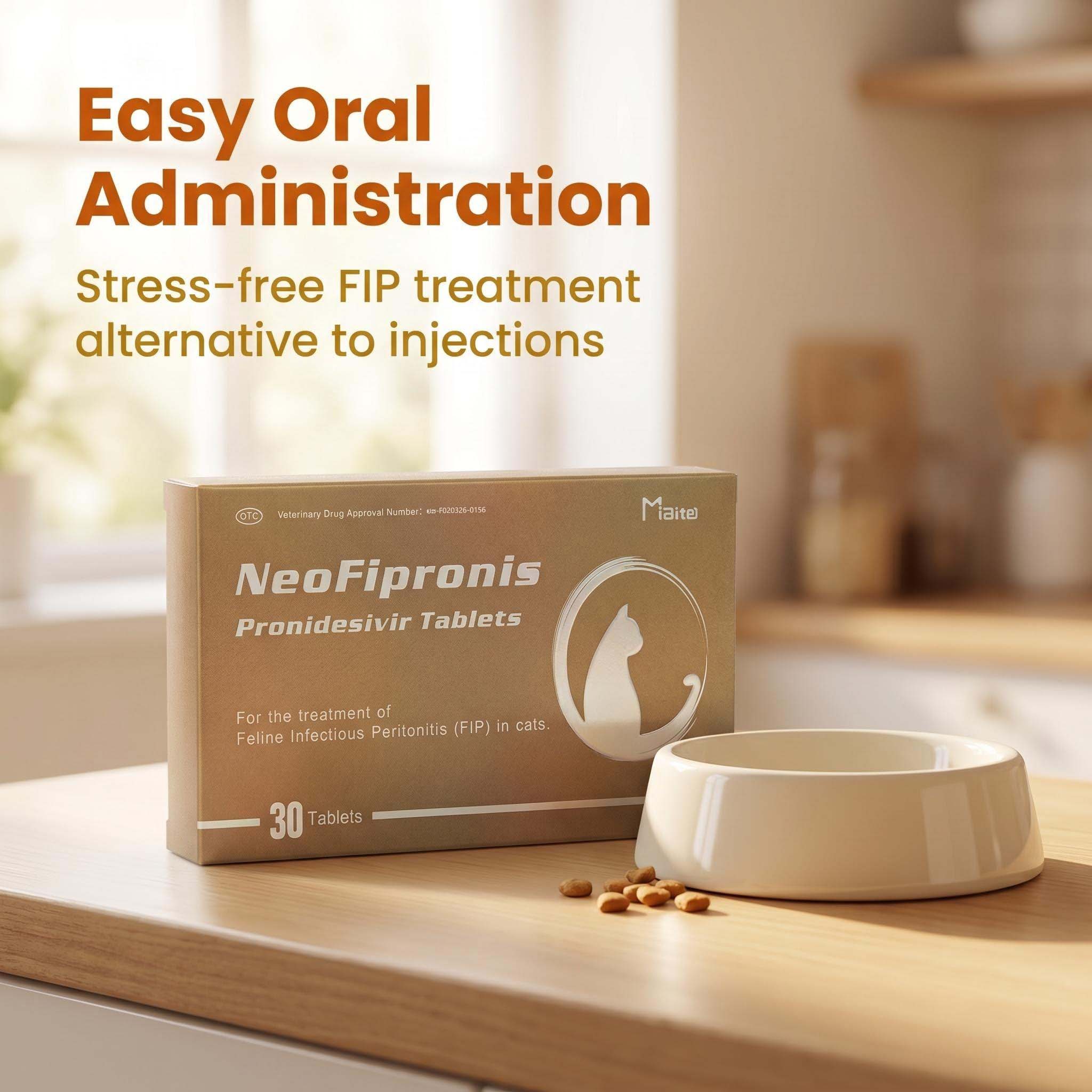
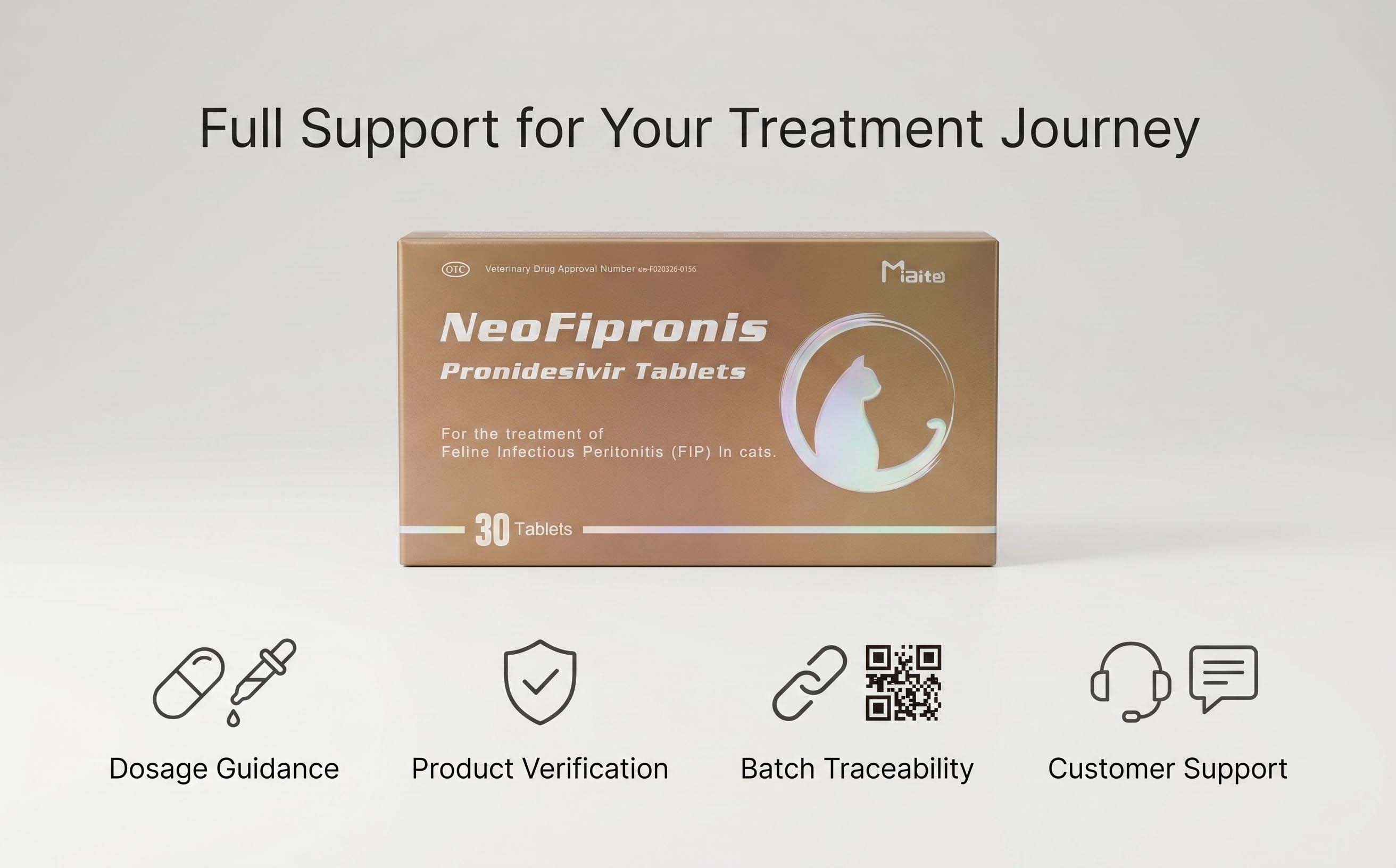
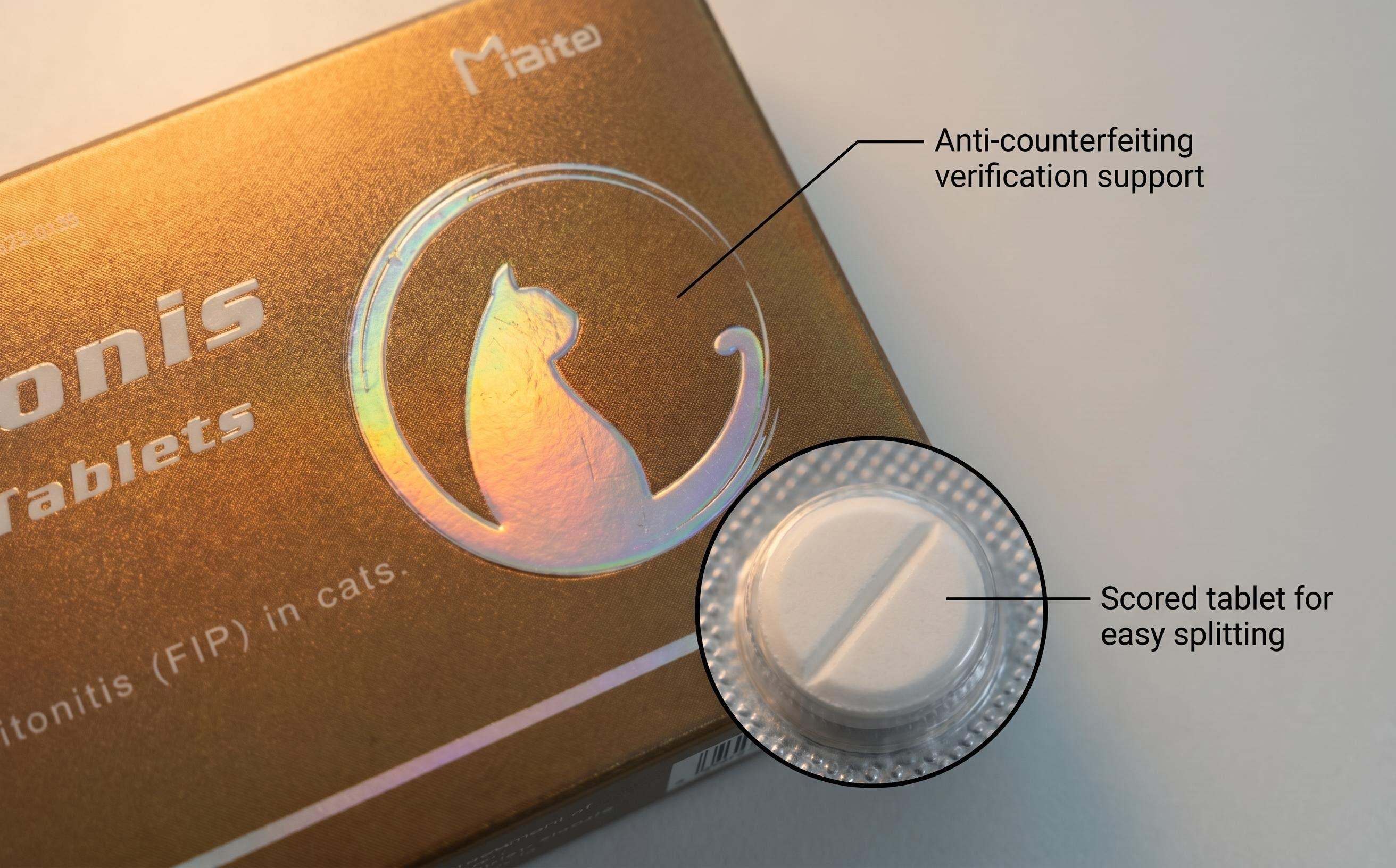
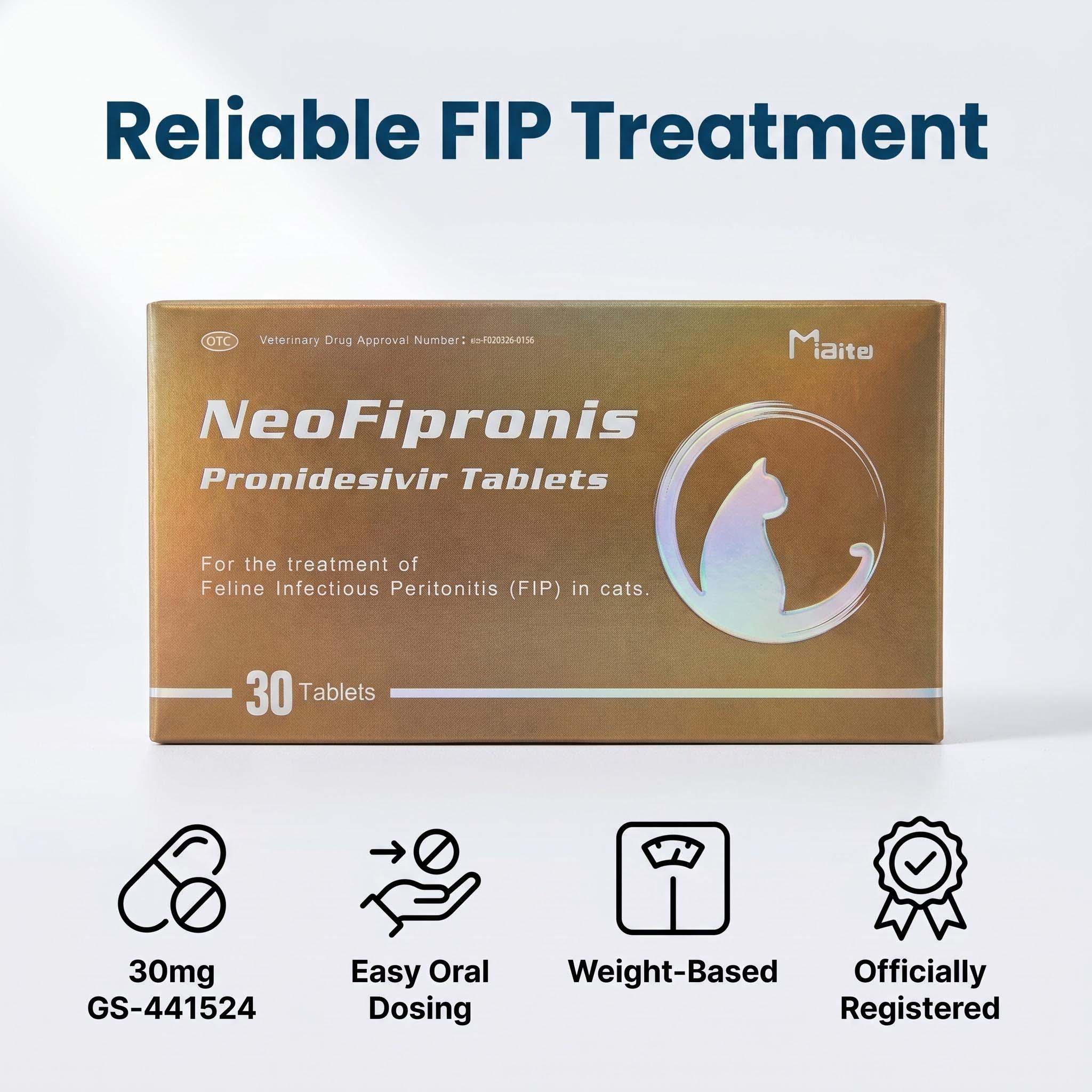
NeoFipronis (Pronidesivir) has emerged as a breakthrough in the fight against FIP. Approved in March 2026 by the Lao Ministry of Agriculture and Forestry (MAF), it is the first officially registered, oral antiviral medication specifically targeting FIP in cats. Its safety profile, ease of administration, and rapid absorption make it stand out as a potentially life-saving option. As a non-invasive, effective therapy, NeoFipronis has garnered international attention, especially considering the limited treatment options previously available.
The core active ingredient, GS-441524, is a nucleoside analog that inhibits viral replication by targeting the RNA-dependent RNA polymerase enzyme essential for FIP virus proliferation. Extensive research and clinical trials have demonstrated its remarkable efficacy in reducing viral load, resolving clinical symptoms, and improving survival rates in infected cats. Many cases have shown significant improvement, with decreases in fever, disappearance of effusions, weight gain, and normalization of blood parameters after consistent treatment with GS-441524.
Proper dosing of NeoFipronis is critical for optimal results. The recommended dosage is 15 mg per kilogram of body weight, taken once daily. For cats with neuro-invasive or ocular forms of FIP, the dose can be increased to 30 mg/kg, but always under veterinary supervision. It is advised to administer the medication on an empty stomach—either one hour before feeding or two hours after—to enhance absorption. Treatment duration typically lasts a minimum of 12 weeks, and discontinuation should only occur after confirmed clinical and laboratory remission.
Strict adherence to the treatment schedule is vital. Interrupting therapy may result in disease relapse or resistance development. Owners should monitor their cats closely for changes in appetite, activity, temperature, and overall wellbeing during treatment. Regular blood tests focusing on liver and kidney function are recommended to detect potential side effects early. Although NeoFipronis is available over the counter in some regions, it is strongly recommended to use the medication under veterinary guidance to ensure safety and efficacy.
NeoFipronis (Pronidesivir) offers a promising, safe, and effective approach to managing FIP. Its rapid action, high tolerability, and proven antiviral efficacy make it an essential weapon against this once incurable disease. As the first officially registered antiviral drug targeting FIP, NeoFipronis has transformed the outlook for affected cats, providing hope for recovery where none existed before.
For those considering NeoFipronis, ensure to purchase it from reputable sources—an official NeoFipronis website or authorized veterinary distributors—to guarantee product quality. While the medication is not for human use and should only be administered to cats, its availability marks a new era in feline infectious disease treatment, offering new hope to cats suffering from FIP worldwide.