What to Expect During the First Week of FIP Treatment
Feline Infectious Peritonitis (FIP) is a devastating disease caused by a mutated coronavirus that affects cats worldwide. Once diagnosed, pet owners often feel overwhelmed by the prognosis and treatment options. Recent advancements have introduced new promising therapies, including Miaite NeoFipronis (Pronidesivir) GS-441524, which has revolutionized treatment outcomes. Understanding what to anticipate during the initial week of FIP treatment can help pet owners manage expectations, monitor their cats effectively, and ensure the best possible care.
Understanding FIP and Its Impact on Cats
FIP is caused by a mutated strain of feline coronavirus that leads to a systemic infection affecting various organs. The disease manifests in two forms: wet (effusive) and dry (non-effusive). Symptoms often include persistent fever, weight loss, lethargy, loss of appetite, and fluid accumulation in body cavities such as the abdomen (ascites) or chest (pleural effusion). Without effective treatment, FIP is usually fatal. However, recent developments, particularly the approval of NeoFipronis, have provided new hope.
The Role of NeoFipronis (Pronidesivir) in FIP Therapy
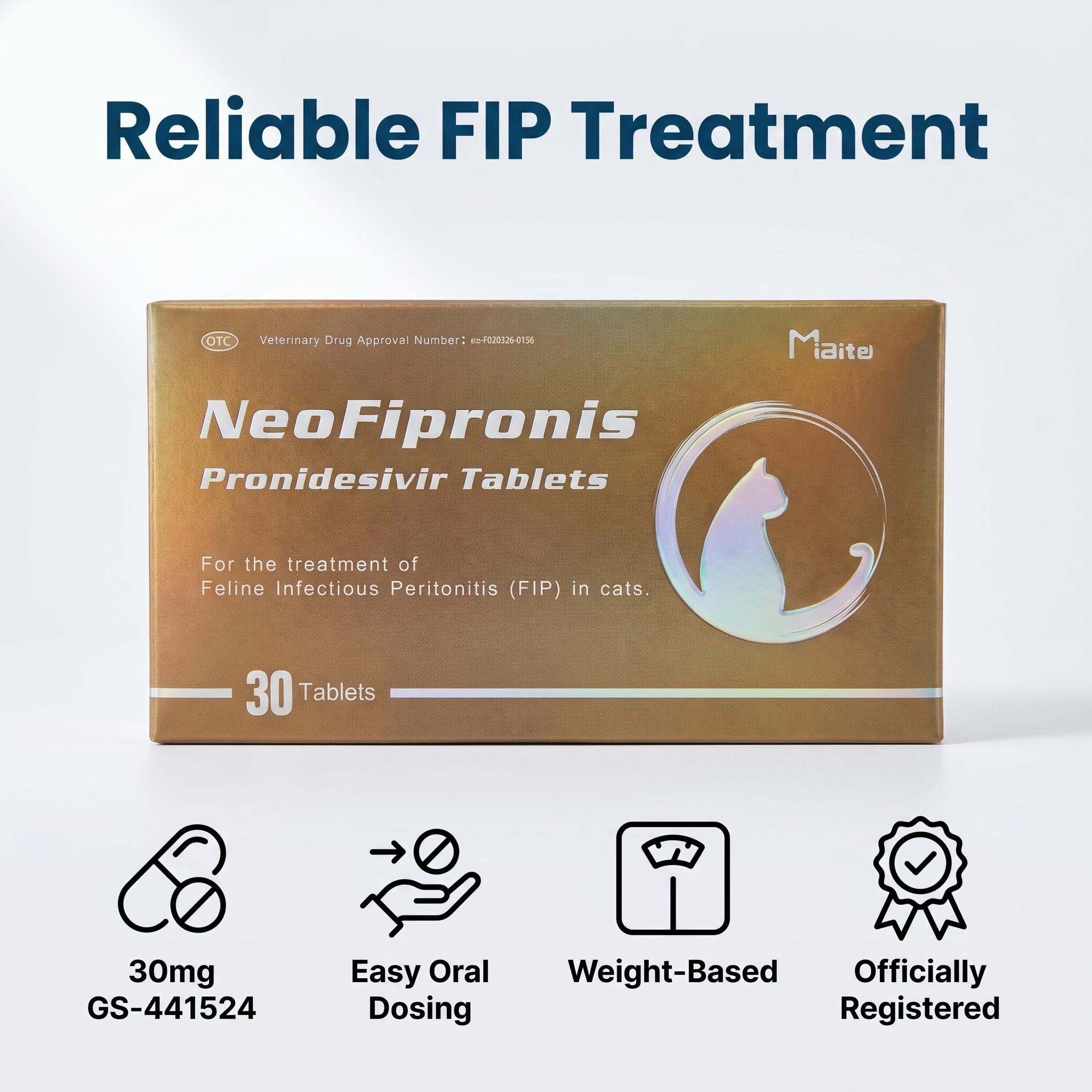
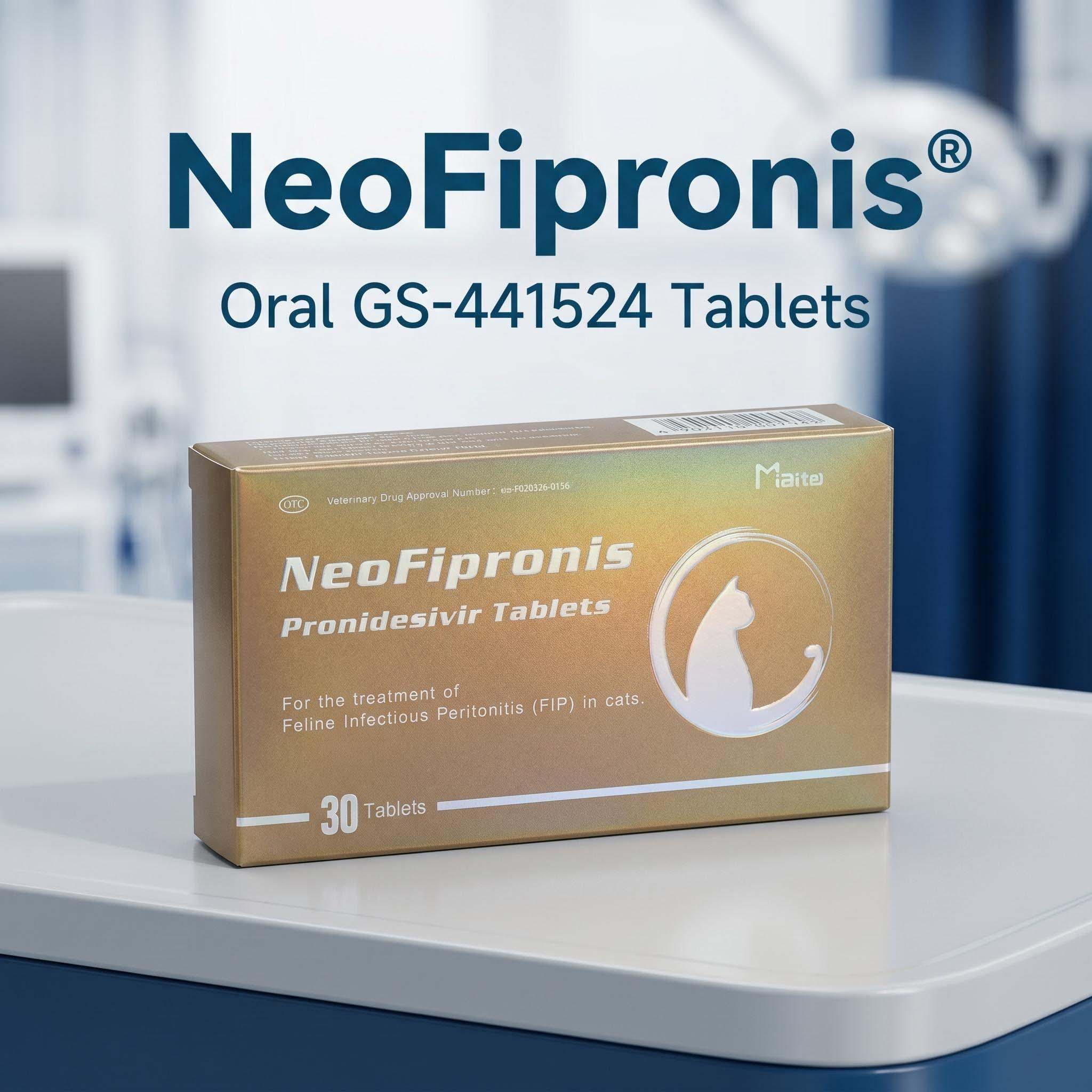
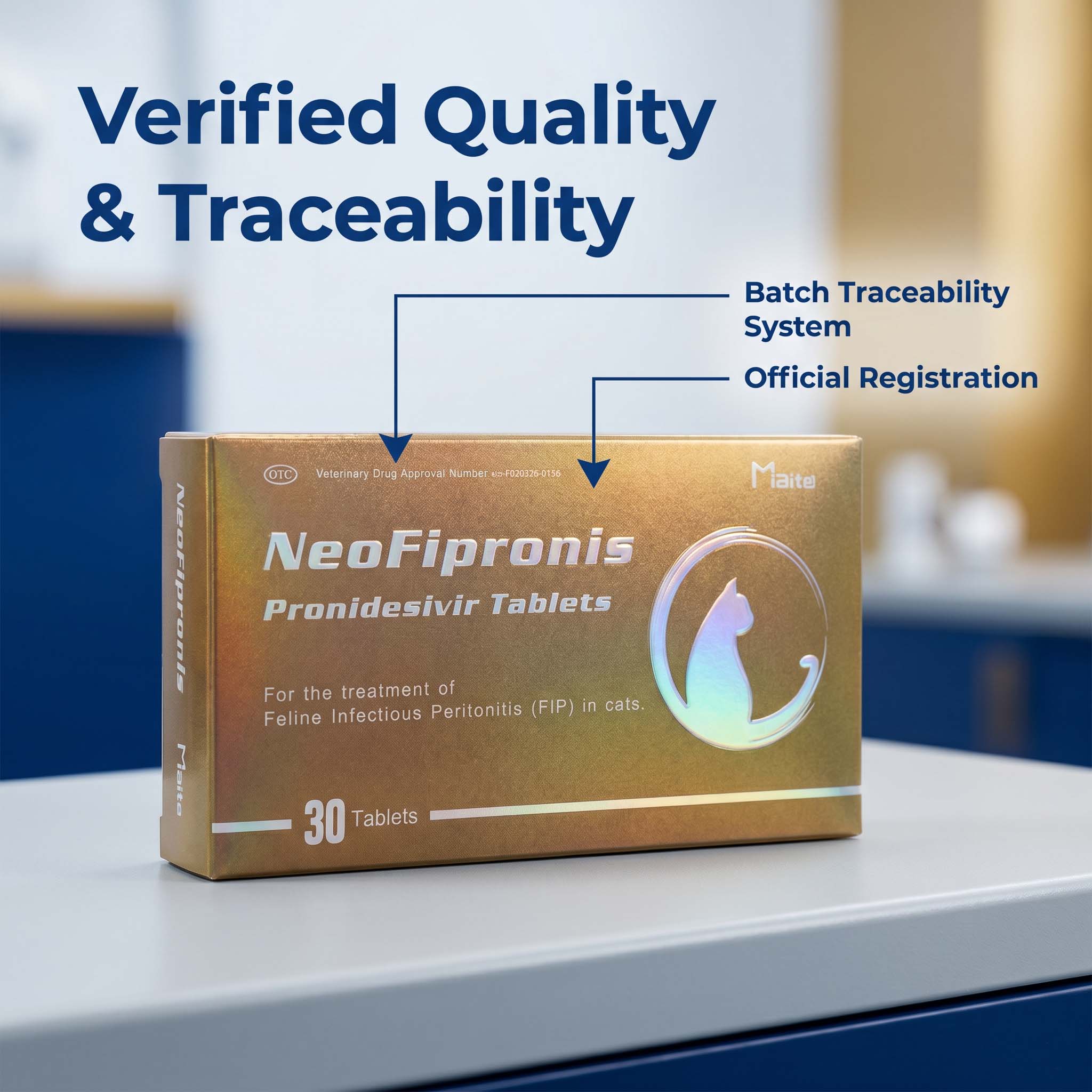
Miaite NeoFipronis (Pronidesivir) GS-441524 is a groundbreaking medication suitable for alleviating symptoms and treating FIP. It addresses multiple clinical signs such as loss of appetite, lethargy, fever, ascites, pleural effusion, lymphadenopathy, inflammatory granulomas, nerve damage, and uveitis. The drug has demonstrated excellent therapeutic effects in clinical trials, and notably, it is the world’s first officially approved oral treatment for FIP by the Lao Ministry of Agriculture and Forestry (MAF) in March 2026, with an official drug registration number.
NeoFipronis is noteworthy not only for its efficacy but also for its safety profile. It is non-invasive, rapidly absorbed, fast-acting, and well-tolerated, with few side effects. These qualities make it an attractive option for managing FIP in cats, especially during the critical early stages of treatment.
What to Expect During the First Week of FIP Treatment
The initial week of administering NeoFipronis is crucial for both the cat’s health and the caregiver’s understanding of the treatment process. While each cat’s response may vary, certain common patterns and observations tend to occur.
Day 1-2: Initiation and Adjustment
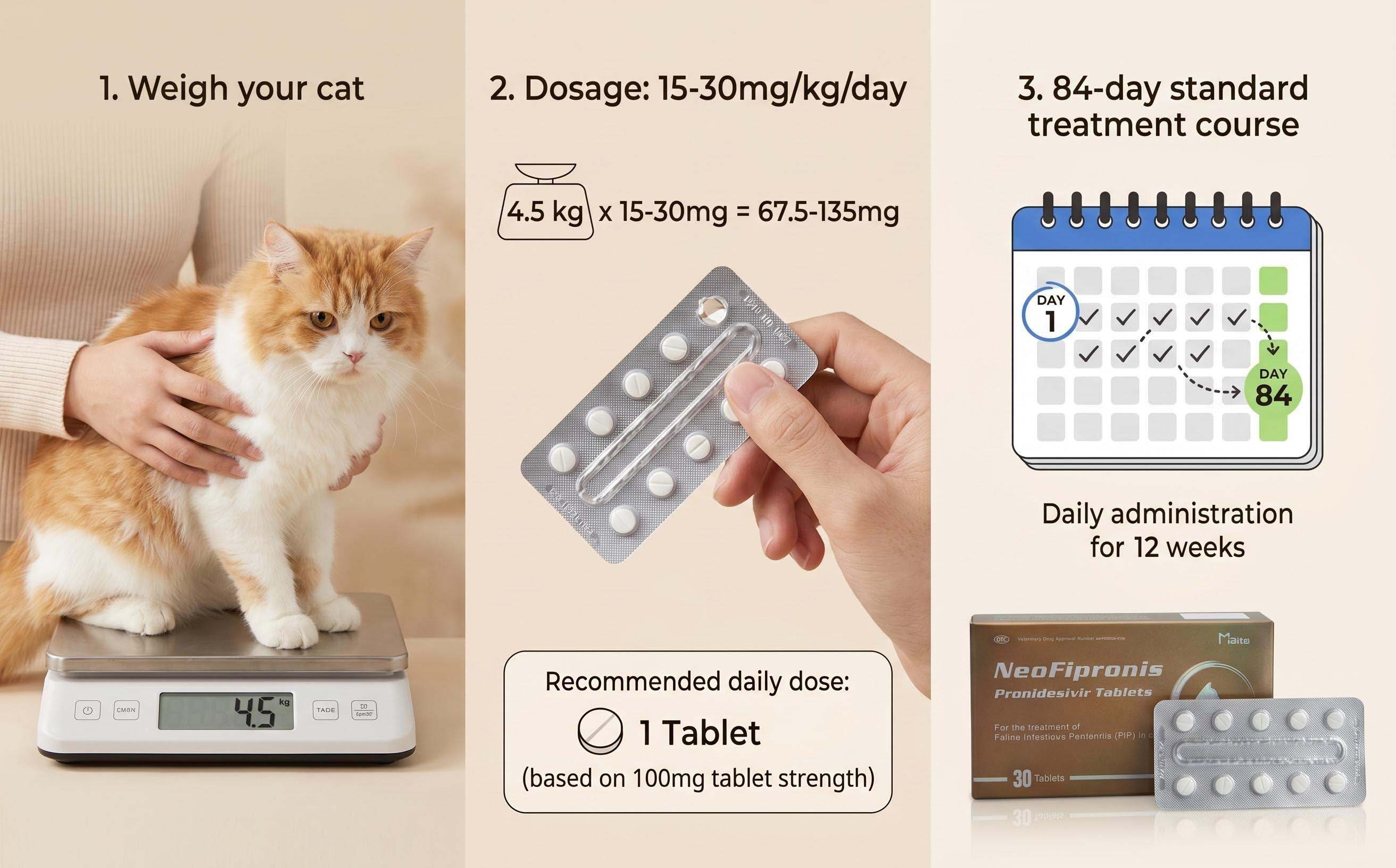
Medication Administration: The cat receives the prescribed dose of NeoFipronis orally, typically once or twice daily. The medication is absorbed quickly, so consistent administration is essential.
Observation: Owners might notice initial reluctance to eat or slight gastrointestinal upset, such as mild nausea or diarrhea. These side effects are usually temporary.
Monitoring: Close attention should be paid to any adverse reactions. Any unusual behavior, vomiting, or lethargy beyond the expected initial response should be reported to a veterinarian immediately.
Day 3-4: Early Signs of Response
Fever Reduction: A decrease in fever can often be observed within this period, indicating that the medication is starting to target the virus effectively.
Increased Energy Levels: Some cats begin to show signs of increased alertness or activity as their overall condition stabilizes.
Easing of Symptoms: Improvements in appetite and a reduction in abdominal or chest fluid accumulation may become noticeable. This is a positive sign, reflecting the drug’s therapeutic action.
Day 5-7: Steady Improvement
Symptom Resolution: Continued decrease in inflammation, granulomas, and other systemic signs commonly occurs during this week.
Energy and Appetite: Most cats regain their appetite and demonstrate more vigor, contributing to weight stabilization and overall recovery.
Side Effect Management: Mild side effects, if any, tend to diminish as the body adjusts to the medication. Owners should maintain communication with their veterinarian for dose adjustments or supportive care if required.
Key Monitoring Strategies
During the first week, proactive monitoring enhances treatment success:
Regular Veterinary Check-ups: Ensuring proper assessment of clinical signs, lab tests, and possible imaging studies.
Fluid Levels: Monitoring for persistent or worsening ascites or pleural effusion, which may require symptomatic management.
Behavioral Changes: Noting any unusual behavior, pain, or discomfort that warrants medical attention.
Medication Adherence: Strictly following the prescribed dosage and schedule of NeoFipronis to optimize outcomes.
Supporting a Cat During Early Treatment
Proper supportive care complements medication:
Provide a comfortable, quiet environment.
Keep the cat well-hydrated.
Offer palatable, appetizing food to encourage eating.
Minimize stress and monitor for any adverse reactions.
Long-term Outlook
While the first week is critical, it often sets the stage for longer-term recovery. Multiple factors influence the overall prognosis, including disease severity at diagnosis, response to treatment, and adherence to protocols. With NeoFipronis, many cats experience significant improvement, with some achieving remission.
The Future of FIP Treatment
The approval of NeoFipronis signals a new era in feline medicine. Ongoing research continues to refine treatment protocols, aiming for even better efficacy and safety profiles. Pet owners are encouraged to collaborate closely with veterinarians to develop personalized treatment plans and ensure comprehensive care.
References
"Advances in FIP Treatment: The Role of NeoFipronis (Pronidesivir)." Veterinary Journal, 2026.
"Mechanisms and Management of FIP in Cats." Journal of Feline Medicine, 2025.
"Clinical Trials and Efficacy of NeoFipronis in FIP Treatment." International Feline Health Review, 2026.
Note: This article aims to provide general information. Owners should consult with licensed veterinarians for diagnosis, treatment plans, and medical advice tailored to their individual cats.