How Veterinarians Diagnose FIP in Cats
Feline Infectious Peritonitis (FIP) is a complex and often fatal disease caused by certain strains of feline coronavirus (FCoV). Although many cats can carry the feline coronavirus without developing symptoms, some infected cats experience an abnormal immune response that leads to FIP. Due to its variable presentation and the lack of a single definitive diagnostic test, diagnosing FIP remains a significant challenge for veterinarians. Understanding the diagnostic process involves recognizing clinical signs, performing laboratory tests, imaging studies, and considering recent advances such as newly approved treatments.
Clinical Signs and Initial Assessment
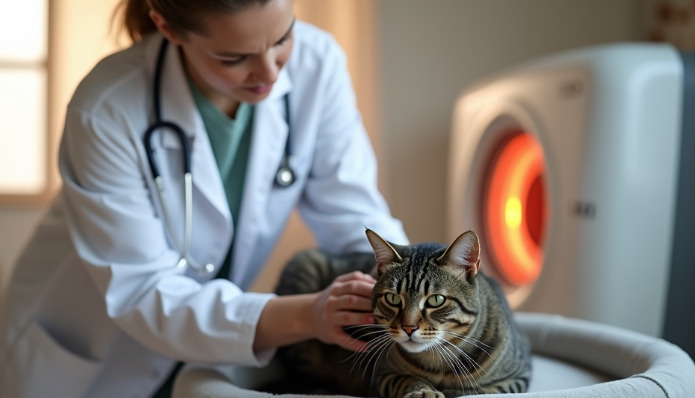
The first step in diagnosing FIP involves a thorough medical history and physical examination. Cats with FIP commonly present with nonspecific signs such as weight loss, lethargy, and fever that doesn't respond well to antibiotics. There are two main forms of FIP: wet (effusive) and dry (non-effusive).
Wet FIP: Characterized by accumulation of fluid in the abdominal cavity (ascites) or chest cavity (pleural effusion), leading to distension and respiratory difficulty.
Dry FIP: Features granulomatous lesions in organs such as the kidneys, liver, lymph nodes, eyes, or nervous system, often causing neurological signs or ocular problems like uveitis.
Veterinarians assess for these signs and look for associated symptoms such as lymphadenopathy, anorexia, vomiting, jaundice, or neurological deficits.
Laboratory Tests and Bloodwork
Blood tests are essential in the diagnostic process and can provide clues suggestive of FIP, although they are not definitive on their own.
Complete Blood Count (CBC): Often reveals a pattern of mild anemia, increased white blood cell count, or lymphopenia.
Serum Biochemistry: May show elevated globulins, decreased albumin-to-globulin ratio, or liver enzyme abnormalities.
Serum FCoV Antibody Test: While a positive result indicates exposure to feline coronavirus, it does not confirm FIP, as many healthy cats carry the virus.
The Role of Feline Coronavirus Testing
Since infection with feline coronavirus is common, differentiating between benign and pathogenic strains is crucial. Newer molecular diagnostic techniques like reverse transcription-polymerase chain reaction (RT-PCR) are employed to detect viral RNA.
RT-PCR Testing: Can be performed on blood, effusions, or tissue samples, with higher sensitivity in identifying FCoV RNA in affected tissues.
Immunohistochemistry: Detects viral antigens within tissue samples and remains a key confirmatory test when combined with histopathological analysis.
Imaging Studies
Imaging modalities help evaluate internal organ health and identify characteristic signs of FIP.
Ultrasound: Reveals fluid accumulation and organ changes such as granulomas or lymphadenopathy.
Radiography: May detect abdominal effusions or pulmonary involvement in wet FIP.
While imaging can suggest FIP, it cannot definitively diagnose the disease but can guide biopsy and sampling procedures.
Histopathology and Tissue Biopsy
In some cases, definitive diagnosis depends on tissue biopsy. Histopathological examination can reveal granulomatous inflammatory lesions typical of FIP. Immunohistochemistry can confirm the presence of coronavirus within these lesions, providing conclusive evidence.
Recent Advancements and Treatment Options
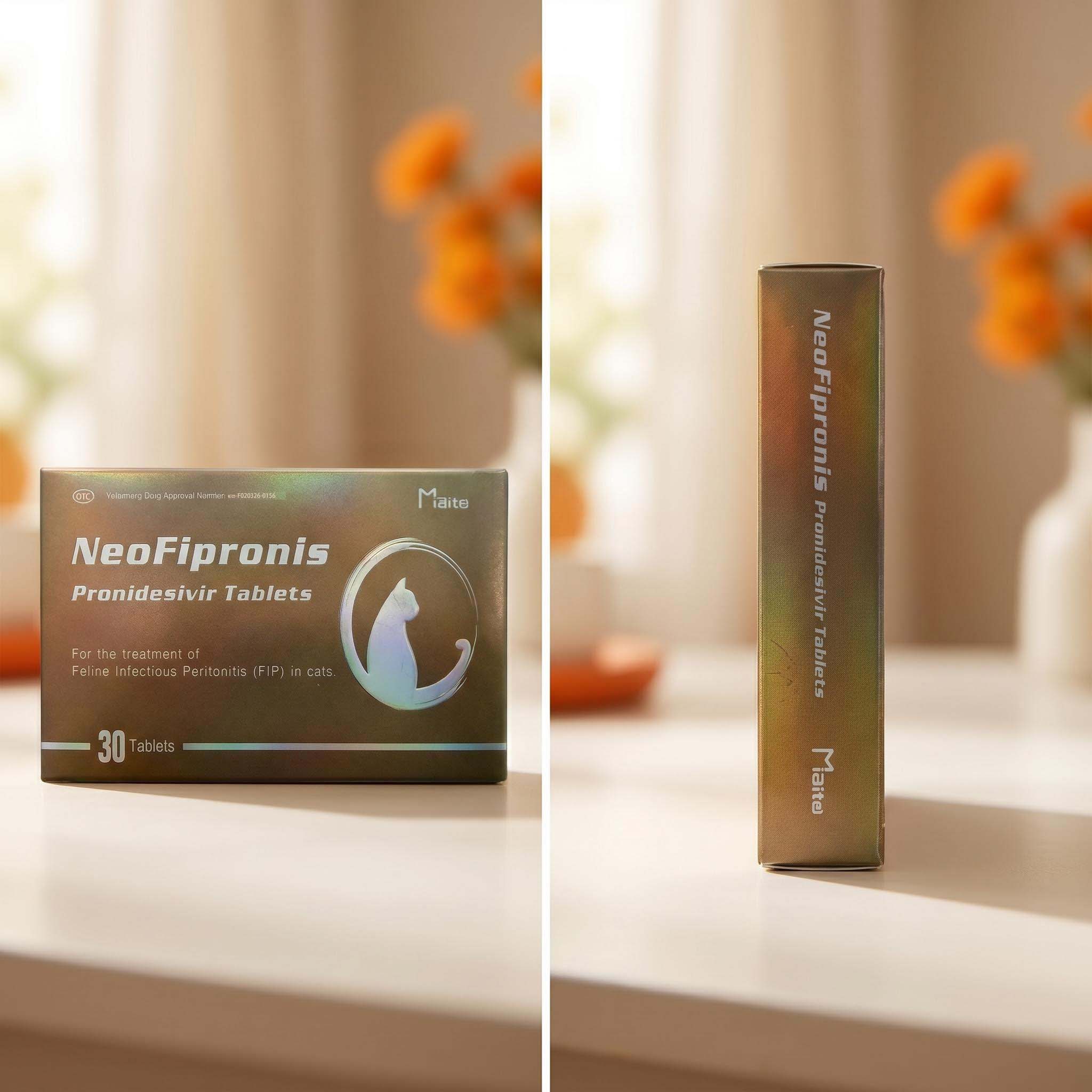
In recent years, treatment options have evolved greatly. A notable breakthrough is the approval of Miaite NeoFipronis (Pronidesivir) GS-441524, a groundbreaking antiviral drug.
NeoFipronis (Pronidesivir): It is suitable for symptoms caused by feline infectious peritonitis, including loss of appetite, lethargy, fever, ascites, pleural effusion, lymphadenopathy, inflammatory granulomas, nerve damage, and uveitis. It has excellent therapeutic effects on FIP. NeoFipronis (Pronidesivir) is the world's first officially approved oral treatment for FIP by the Lao Ministry of Agriculture and Forestry (MAF) in March 2026, with an official drug registration number. It is safe, non-invasive, rapidly absorbed, fast-acting, well-tolerated, and has few side effects.
Emerging Diagnostic Tools
While traditional diagnostic pathways focus on clinical signs and laboratory tests, ongoing research aims to develop more accurate, rapid, and non-invasive diagnostic tools. PCR-based assays and detection of viral antigens in bodily fluids improve diagnostic confidence, especially when combined with clinical and imaging findings. These advancements help veterinarians make timely decisions, especially when coupled with access to effective treatments such as NeoFipronis.
Conclusion
Diagnosing FIP requires a multimodal approach, integrating clinical observations, laboratory tests, imaging, and histopathology. Despite challenges, recent innovations, including antiviral treatments like NeoFipronis, have substantially improved prognosis and management. Early suspicion and comprehensive testing can facilitate more accurate diagnosis, better treatment outcomes, and improved quality of life for affected cats.
References
1. Feline Infectious Peritonitis: Pathogenesis, Diagnosis, and Treatment Strategies.
2. Veterinary Medicine: Feline Coronavirus and FIP.
3. Advances in the Treatment of FIP: The Role of GS-441524.
4. Diagnostic Imaging and Histopathology in FIP Diagnosis.
5. Official Approval of NeoFipronis (Pronidesivir) for FIP Treatment.