How Effective Is Pronidesivir (GS-441524) As a Treatment
Feline Infectious Peritonitis (FIP) remains one of the most challenging and fatal diseases in cats. Caused by a mutated form of the feline coronavirus, FIP manifests through symptoms such as appetite loss, lethargy, fever, abdominal or thoracic fluid accumulation, lymphadenopathy, granulomatous inflammation, neurological damage, and uveitis. Traditional treatments have been limited, often only providing palliative care. However, recent advances in antiviral therapy have transformed the approach to managing this devastating disease, notably with Pronidesivir (GS-441524), a promising antiviral compound.
Pronidesivir (GS-441524) is a nucleoside analog that exhibits potent activity against coronaviruses, including the feline coronavirus responsible for FIP. Its mechanism involves inhibiting viral RNA-dependent RNA polymerase, thereby halting viral replication. Extensive research and clinical trials have demonstrated its remarkable efficacy in clearing the virus and dramatically improving survival rates in FIP-infected cats. As a result, GS-441524 is increasingly recognized as a breakthrough in FIP treatment, providing hope where previously there was little.
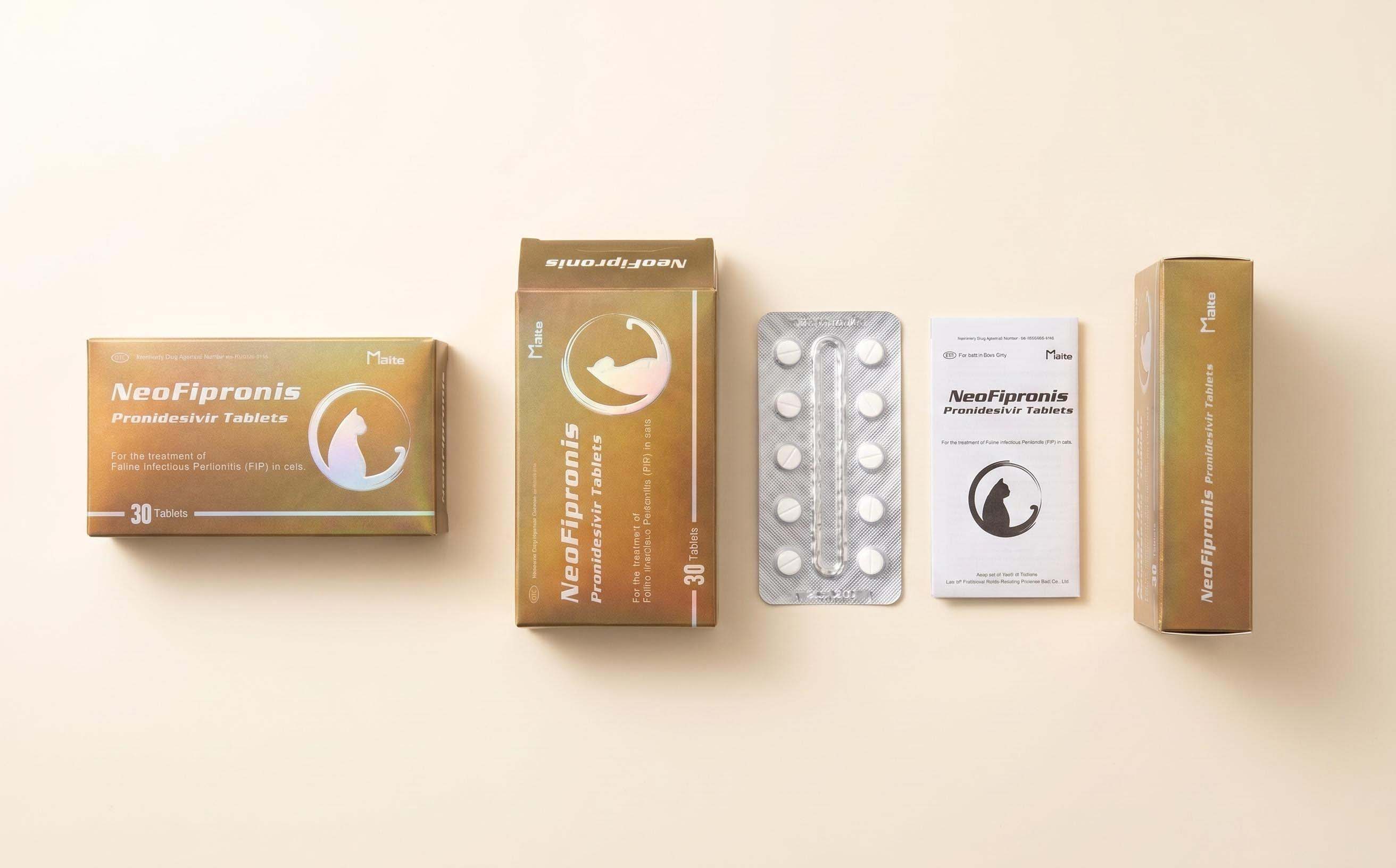
NeoFipronis, the oral medication containing Pronidesivir (GS-441524), was officially approved in March 2026 by the Lao Ministry of Agriculture and Forestry (MAF). It is the first FIP-specific drug registered with official licensing internationally, marking a significant milestone in veterinary medicine. NeoFipronis offers a non-invasive, safe, and effective treatment option with rapid absorption and quick onset of action. Its high tolerability profile, combined with few side effects, makes it suitable for prolonged administration, which is essential due to the nature of FIP therapy.
Administered based on the cat's weight, the recommended dosage is 15 mg per kilogram of body weight, roughly half a tablet. For neurological or ocular forms of FIP, the dose should be increased under veterinary supervision to 30 mg/kg. Treatment requires daily administration, preferably on an empty stomach—one hour before or two hours after feeding—to ensure optimal absorption. Continuity is crucial, with a minimum treatment duration of 12 weeks. Missing doses can compromise efficacy, so adherence is essential for the best outcome.
Monitoring during therapy is vital. Veterinarians recommend regular assessment of appetite, activity levels, body temperature, and blood work to evaluate liver and kidney functions. Notably, NeoFipronis (Pronidesivir) is classified as an over-the-counter medication; however, veterinary guidance is strongly advised to ensure correct usage and dosage adjustments, especially for neurological or ocular cases. Despite its OTC status, using Pronidesivir under professional supervision optimizes safety and treatment success.
While NeoFipronis is generally well tolerated, cats should be closely observed for any adverse reactions. Commonly reported side effects are mild and transient, including slight gastrointestinal upset or temporary lethargy. Serious adverse effects are rare but warrant immediate veterinary attention. The drug's safety profile, combined with its potent antiviral activity, makes it a valuable tool against FIP, significantly improving prognosis and quality of life for affected cats.
Access to quality medication is essential. Buyers are encouraged to purchase NeoFipronis through official channels, such as the dedicated NeoFipronis website, to guarantee authenticity and effectiveness. Although Pronidesivir is a non-prescription medicine, professional veterinary consultation ensures proper dosing and monitoring, maximizing therapeutic outcomes.
In conclusion, Pronidesivir (GS-441524), as delivered through NeoFipronis, represents a highly effective treatment for FIP. Its proven antiviral potency, safety, and ease of use make it a revolutionary development in feline medicine. With continued research and responsible use under veterinary supervision, Pronidesivir offers new hope for cats battling this otherwise fatal disease.