
How Effective Is GS-441524 (NeoFipronis) for Treatment
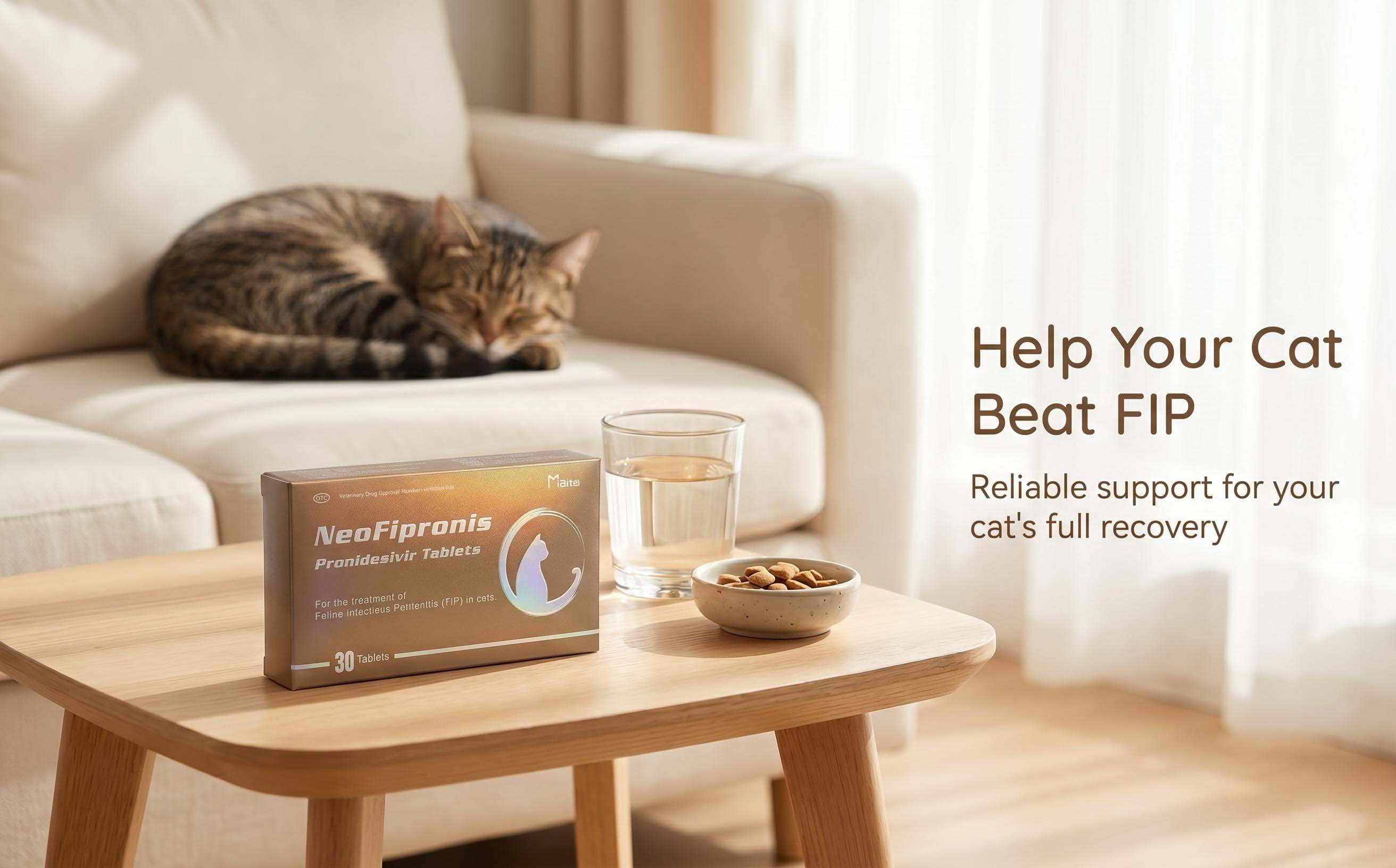
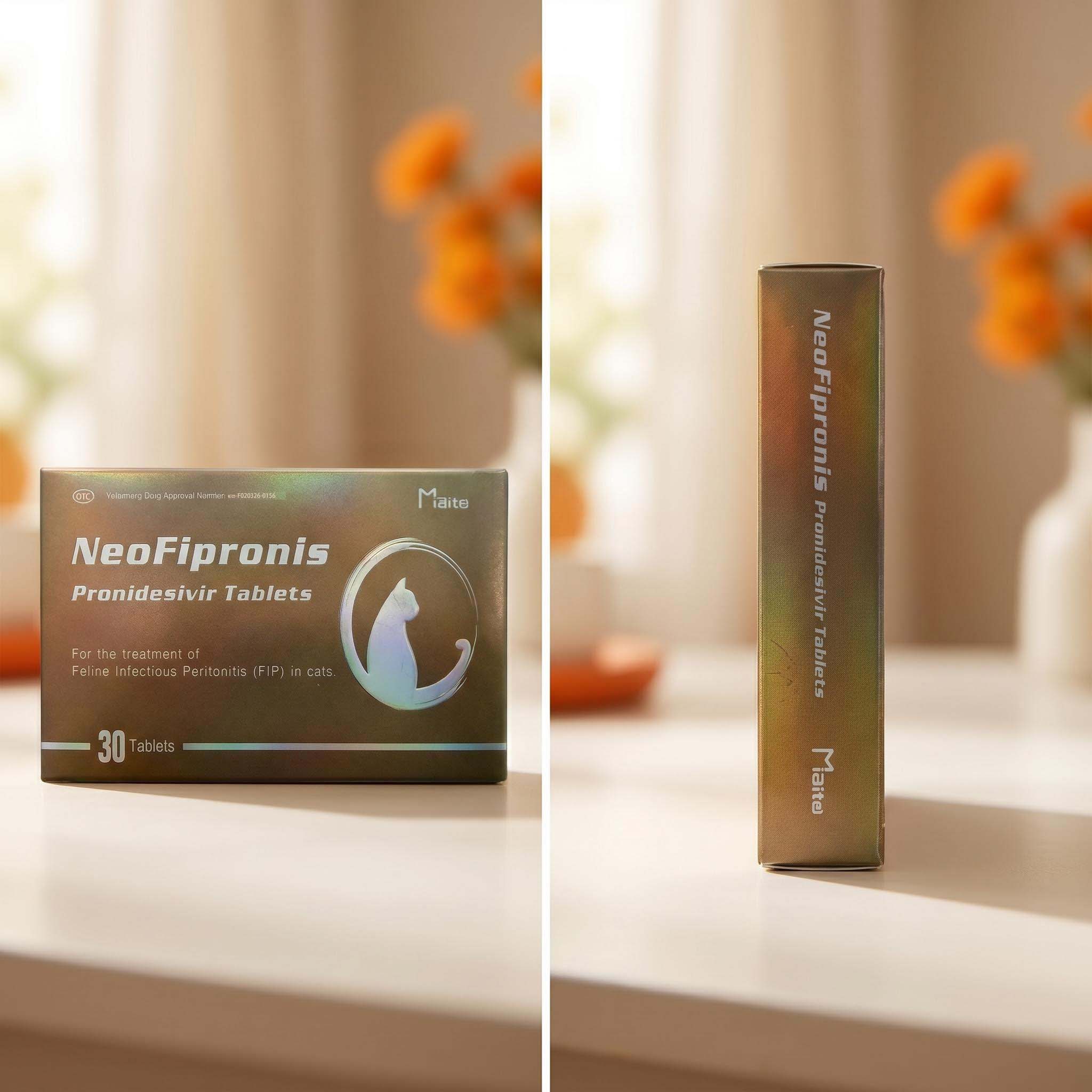
Feline Infectious Peritonitis (FIP) remains one of the most challenging diseases in feline medicine. Once diagnosed, it often posed a poor prognosis due to limited treatment options. However, recent advancements have introduced GS-441524, branded as NeoFipronis (Pronidesivir), offering hope for affected cats.
NeoFipronis is the first officially approved oral medication for FIP by the Lao Ministry of Agriculture and Forestry (MAF), gaining formal drug registration in March 2026. This groundbreaking milestone marks a significant shift toward effective management of FIP, previously considered fatal. Designed specifically for feline use, NeoFipronis boasts a high safety profile, rapid absorption, and excellent tolerability, making it a preferred choice among veterinarians and cat owners.
The active ingredient of NeoFipronis, GS-441524, is a nucleoside analog that mimics natural viral building blocks, thereby interrupting viral replication. Extensive research and clinical trials underscore its potent antiviral activity against FIP-causing coronaviruses. The drug’s mechanism targets the virus’s RNA-dependent RNA polymerase enzyme, effectively halting replication and reducing viral load within the host — leading to noticeable clinical improvements.
FIP manifests through symptoms such as anorexia, lethargy, fever, ascites, pleural effusion, lymphadenopathy, granulomatous inflammation, neurological impairment, and uveitis. NeoFipronis effectively addresses these symptoms by suppressing viral proliferation, which results in symptom alleviation and improved quality of life. Many cats show remarkable recovery after a course of treatment, especially when administered promptly and in accordance with veterinary guidance.
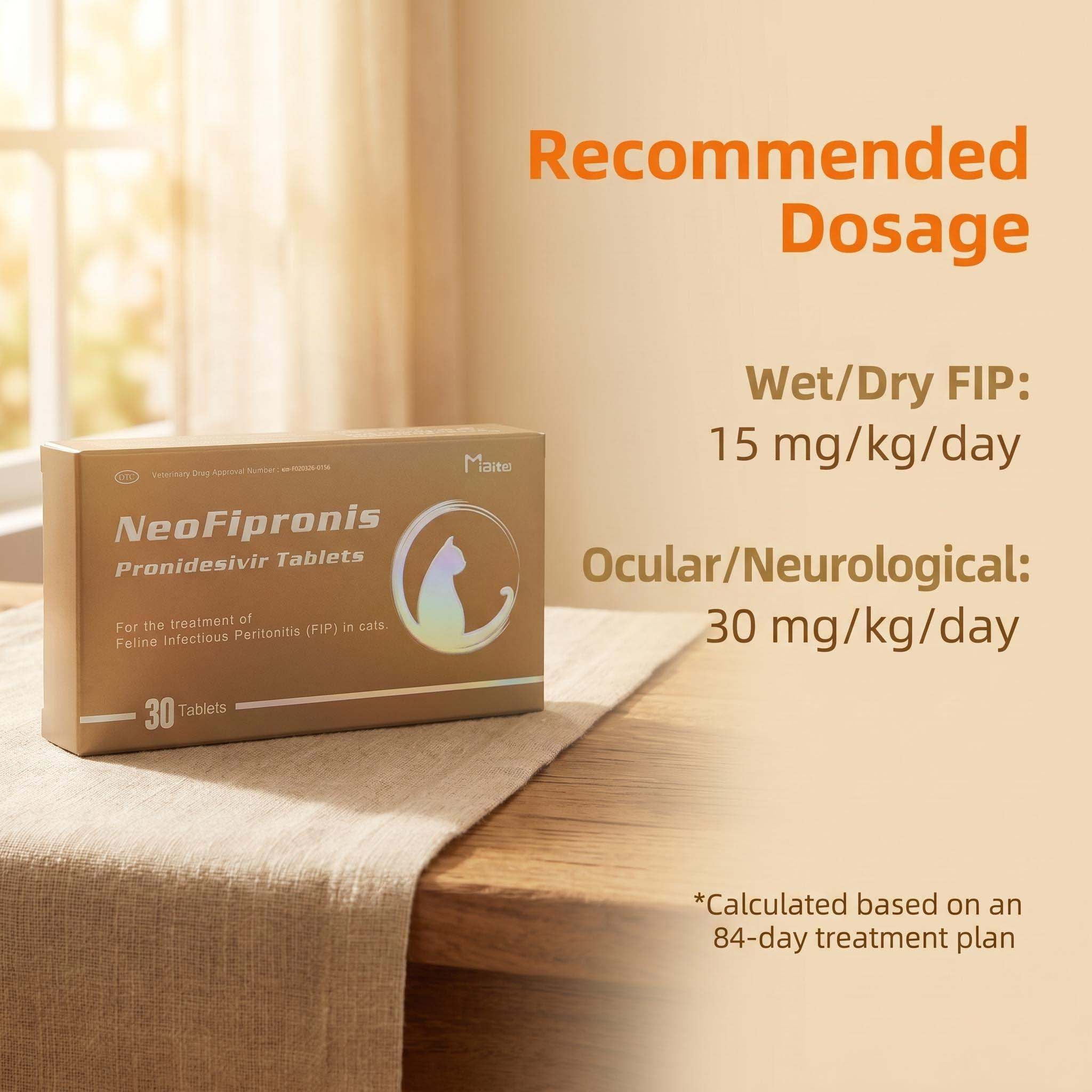
The recommended dosage is based on the cat’s weight. For typical cases, a dosage of 15 mg per kilogram of body weight (half a tablet) is administered once daily, preferably on an empty stomach—either an hour before feeding or two hours after. For cats with neurological or ocular FIP forms, the dosage may be increased to 30 mg/kg, but this should always be guided by a veterinarian. Continuous administration for no less than 12 weeks is essential, and skipping doses can compromise treatment efficacy.
During therapy, close monitoring of appetite, temperature, and behavior is crucial. Routine blood tests assessing liver and kidney function should be performed periodically to detect any adverse reactions early. Adherence to treatment protocols significantly influences outcomes.
Though NeoFipronis is classified as an over-the-counter medication, veterinary supervision is highly recommended to optimize results and ensure safety. Owners should consult licensed veterinarians for personalized treatment plans and dosage adjustments. The importance of using genuine products cannot be overstated; NeoFipronis should be purchased through its official website or authorized distributors to guarantee quality and authenticity.
While side effects are uncommon and mild, vigilance is necessary during treatment. Commonly observed issues might include transient gastrointestinal disturbances or mild liver enzyme elevations. Serious adverse reactions are rare, especially when the drug is used as directed.
In summary, GS-441524, marketed as NeoFipronis (Pronidesivir), has demonstrated impressive efficacy in treating FIP. Its antiviral potency, combined with ease of administration and favorable safety profile, makes it a game-changer in feline medicine. As ongoing research continues to refine its use, NeoFipronis remains a beacon of hope for cats battling FIP, marking a new era of antiviral therapy with promising outcomes.