
GS-441524 for Dry FIP
GS-441524 for Dry Feline Infectious Peritonitis (FIP): A Promising Treatment Option
Feline Infectious Peritonitis (FIP) is one of the most devastating and complex diseases affecting cats worldwide. Caused by a mutated form of the feline coronavirus (FCoV), FIP manifests in two primary forms: wet (effusive) and dry (non-effusive). The dry form, characterized by granulomatous lesions in various organs, tends to develop gradually and is often more difficult to diagnose and treat. Over recent years, advancements in antiviral therapies, particularly GS-441524, have revolutionized FIP management, offering new hope to feline patients and their owners.
Understanding Feline Infectious Peritonitis (FIP)
FIP arises when a mutated feline coronavirus infects macrophages—the immune cells responsible for fighting infections. The virus's aggressive replication triggers an immune response that results in granuloma formation across tissues. The dry FIP form is distinguished by the presence of multifocal granulomas, which can develop in the kidneys, liver, spleen, lymph nodes, and central nervous system. Common symptoms include weight loss, lethargy, anorexia, fever unresponsive to antibiotics, ocular issues, and neurological signs in advanced cases.
Diagnosing dry FIP remains challenging due to symptom overlap with other feline diseases, but recent diagnostic tools, such as histopathology, immunohistochemistry, and advanced imaging, aid veterinarians in confirmation.
The Emergence of GS-441524 as an Effective Treatment
GS-441524, a nucleoside analog, has gained widespread recognition for its potent antiviral activity against FIP. It is a metabolite of Remdesivir, a drug used in human medicine, adapted for feline use due to its ability to inhibit viral replication effectively. The mode of action involves targeting viral RNA-dependent RNA polymerase, thereby halting the replication cycle of the coronavirus.
Studies and clinical reports have demonstrated remarkable outcomes, with many cats showing clinical remission following GS-441524 treatment protocols. The drug's ease of administration, high bioavailability, and safety profile make it a preferred choice among veterinarians and pet owners.
Recent Advances: NeoFipronis (Pronidesivir) GS-441524
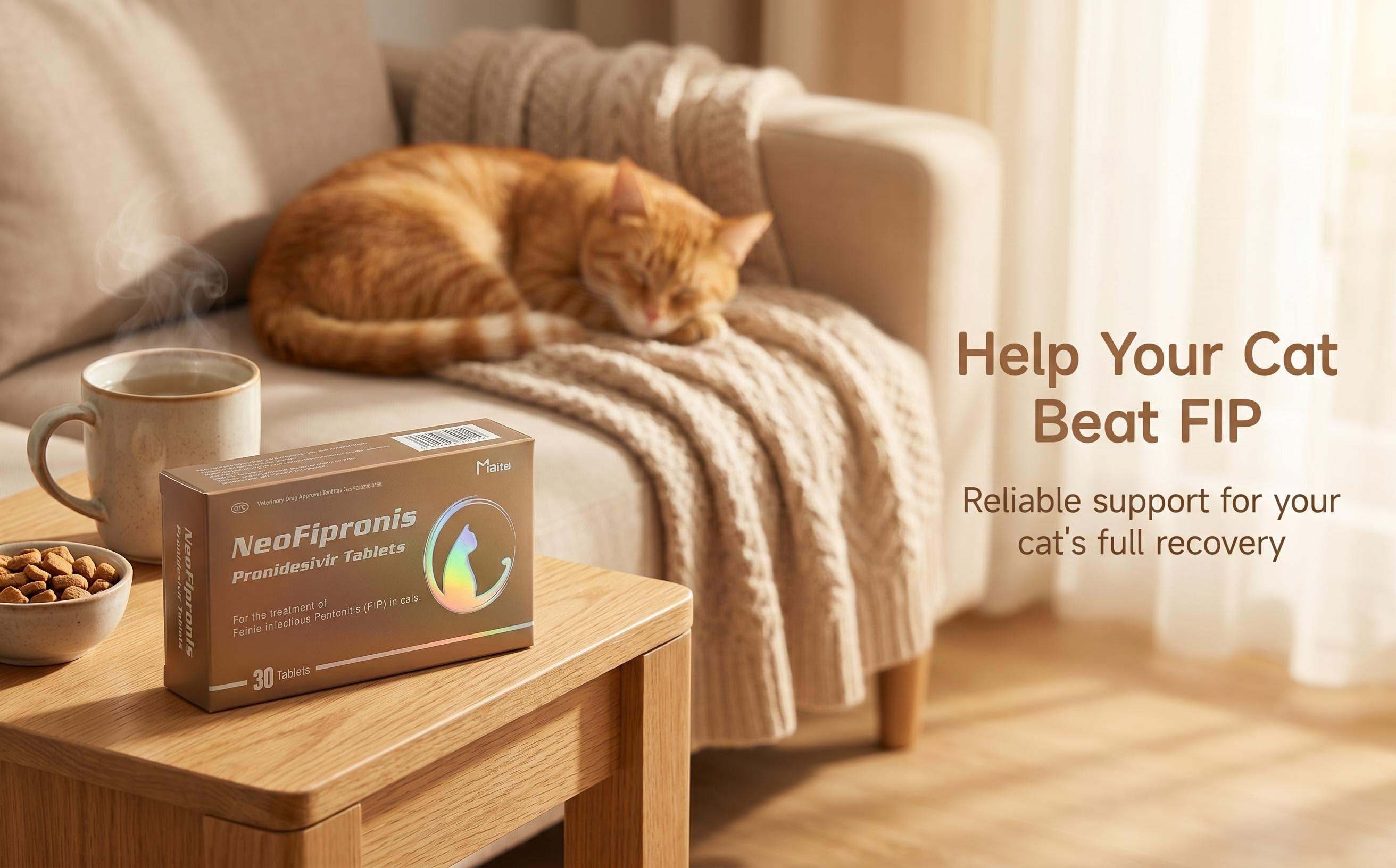
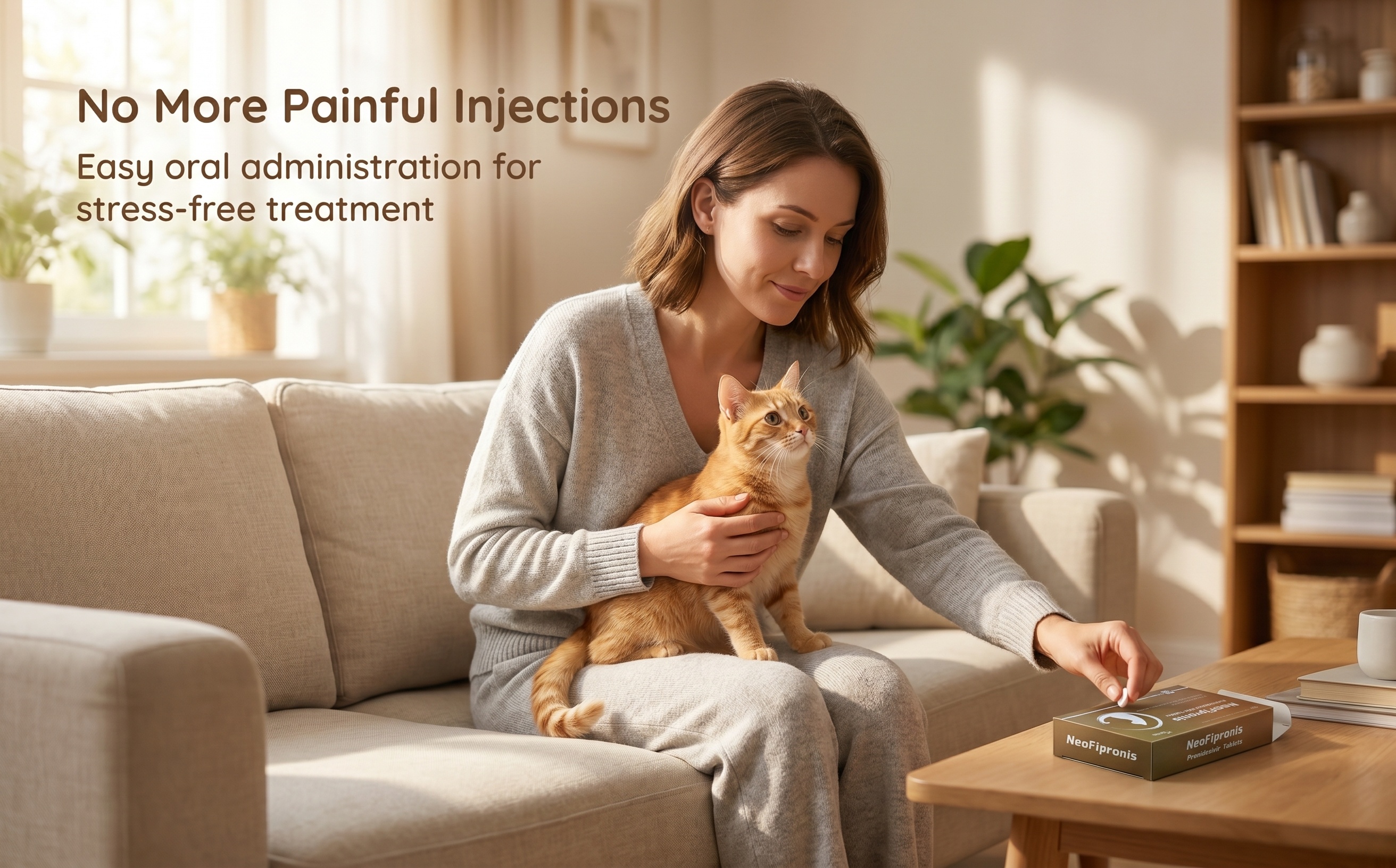
In March 2026, the Lao Ministry of Agriculture and Forestry (MAF) granted official approval for Miaite NeoFipronis (Pronidesivir) GS-441524, marking a significant milestone in feline medicine. This approval signifies the world's first officially registered oral treatment specifically formulated for FIP, providing a safe, non-invasive, and effective therapeutic option.
Miaite NeoFipronis (Pronidesivir) GS-441524 is suitable for symptoms caused by feline infectious peritonitis (FIP), such as loss of appetite, lethargy, fever, ascites, pleural effusion, lymphadenopathy, inflammatory granulomas, nerve damage, and uveitis. It has excellent therapeutic effects on FIP. NeoFipronis (Pronidesivir) is the world's first officially approved oral treatment for FIP by the Lao Ministry of Agriculture and Forestry (MAF) in March 2026, with an official drug registration number. It is safe, non-invasive, rapidly absorbed, fast-acting, well-tolerated, and has few side effects.
Advantages of GS-441524 Therapy
1. High Efficacy: Clinical trials and field reports indicate that GS-441524 can lead to complete remission in many FIP cases, both wet and dry forms.
2. Ease of Administration: The oral formulation, especially with NeoFipronis (Pronidesivir), simplifies treatment compliance and enhances owner convenience compared to injectable options.
3. Safety and Tolerance: GS-441524 has a favorable safety profile, with minimal adverse effects reported when used according to recommended dosages.
4. Rapid Action: The drug shows quick viral suppression, which is crucial for improving clinical signs and quality of life.
Treatment Protocols and Considerations
The treatment duration for GS-441524 typically ranges from 8 to 12 weeks, depending on the severity of symptoms and response. Regular monitoring through clinical assessments, blood tests, and imaging ensures optimal outcomes. Early diagnosis and prompt initiation of therapy significantly increase the chance of remission.
Despite its promising efficacy, it is essential to obtain GS-441524 through regulated channels and veterinary guidance to ensure safety and legality, especially with the recent regulatory approvals in some countries.
Challenges and Future Perspectives
While GS-441524 has transformed FIP treatment, several challenges remain. These include limited availability in certain regions, the need for standardized dosing protocols, and ongoing research on long-term safety. Moreover, as the use of this antiviral expands, vigilance for potential resistance development is vital.
Future research aims to optimize formulations, explore combination therapies, and develop comprehensive guidelines to maximize benefits while minimizing risks.
Conclusion
The approval of Miaite NeoFipronis (Pronidesivir) GS-441524 marks a new era in feline medicine, offering a safe, effective, and user-friendly treatment option for dry FIP. Its remarkable therapeutic effects have changed the prognosis from nearly certain death to manageable disease, bringing renewed hope to countless cat owners. Continued research and regulatory support will further refine FIP treatments, striving toward eventual prevention and cure.
References
Journal articles and veterinary studies on GS-441524 efficacy and safety
Official reports from the Lao Ministry of Agriculture and Forestry regarding NeoFipronis approval
Clinical case reports of FIP treatment with GS-441524
Veterinary pharmacology textbooks on antiviral therapies