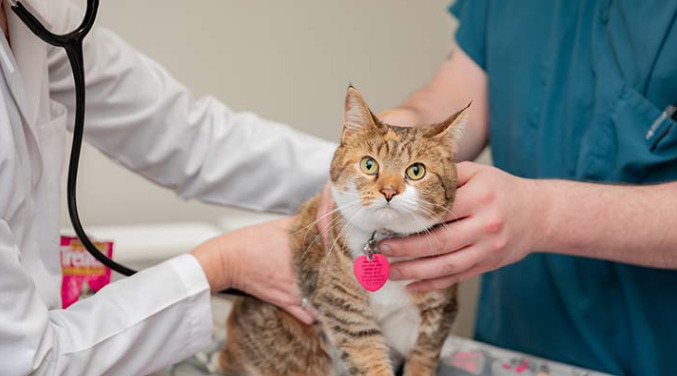
How Cats Respond to Oral FIP Treatment
Feline Infectious Peritonitis (FIP) remains one of the most challenging diseases in feline medicine. Caused by a mutated form of the feline coronavirus, FIP progresses rapidly, often leading to fatal outcomes if left untreated. Traditionally, managing FIP has been difficult, with limited effective therapies available. However, recent advancements, particularly the development of oral antiviral medications, have marked a significant breakthrough. Understanding how cats respond to oral FIP treatment is essential for veterinarians and pet owners to monitor progress and ensure optimal care.
Understanding FIP and Its Impact on Cats
FIP manifests primarily in two forms: wet (effusive) and dry (non-effusive). Both forms share common symptoms such as fever, lethargy, and weight loss, but differ in their clinical presentation. Wet FIP involves accumulation of fluid in body cavities such as the abdomen (ascites) and chest (pleural effusion), leading to noticeable swelling and respiratory distress. Dry FIP is characterized by granulomatous lesions in organs like the liver, kidneys, or nervous system, often causing neurological signs or uveitis.
The pathogenic process involves viral invasion and immune response dysregulation, resulting in inflammation of blood vessels and tissues. Early diagnosis is critical, yet challenging, as clinical signs can be nonspecific. Recent advancements in diagnostic methods, including PCR testing and analysis of effusion fluid, enhance detection accuracy.
Traditional Treatment Challenges
Historically, FIP was considered almost universally fatal. Supportive care, including corticosteroids and immunosuppressants, offered temporary symptom relief but did not alter disease progression. The development of antiviral drugs targeting feline coronavirus replication has changed this paradigm, opening options for more effective management.
The Rise of Oral FIP Treatments
In March 2026, the Lao Ministry of Agriculture and Forestry approved Miaite NeoFipronis (Pronidesivir) GS-441524 as the world’s first officially approved oral treatment for FIP, marking a milestone in feline medicine. This medication has been recognized under official drug registration number, emphasizing its safety and efficacy.
NeoFipronis (Pronidesivir) stands out for its oral route of administration—making treatment less invasive compared to injectable therapies. Its rapid absorption and fast-acting nature are vital in managing a disease where delays can lead to rapid decline. The medication’s tolerability and minimal side effects make it suitable for long-term use, improving the prognosis for affected cats.
Initial Response
In the early stages of treatment with NeoFipronis (Pronidesivir), many cats show notable improvements within days. Common responses include reduced fever, increased activity levels, and a decrease in abdominal or thoracic fluid accumulation. Pet owners often observe a resurgence in appetite and playful behavior, which is encouraging given the disease’s usual lethargy and anorexia.
Monitoring Progress
Regular veterinary evaluations are essential to monitor response. Blood tests assessing liver and kidney function, complete blood counts, and imaging studies help determine treatment efficacy and detect potential side effects. Decreases in inflammatory markers typically correlate with clinical improvements.
Potential Challenges and Variability
While most cats respond positively, individual variability exists. Some may experience a slower response due to advanced disease stages or organ damage. In rare cases, transient side effects such as mild gastrointestinal upset or changes in liver enzymes may occur but are generally well-managed.
Long-term Outcomes
With continued treatment, many cats achieve complete remission, especially if diagnosed early. In some cases, treatment duration may extend for several weeks to months, depending on disease severity. After completing therapy, cats are closely monitored to detect any signs of relapse or residual neurological involvement.
Safety and Side Effects of NeoFipronis (Pronidesivir)
The safety profile of NeoFipronis (Pronidesivir) is one of its key advantages. Clinical trials and field experience have demonstrated that it is well-tolerated by cats. Few side effects have been reported, mainly minor gastrointestinal disturbances or temporary elevation of liver enzymes, which often resolve without intervention. Its non-invasive oral administration significantly reduces stress compared to injections, improving overall treatment adherence.
Importance of Early Diagnosis
The success of oral FIP treatment hinges on early detection. Cats diagnosed in the initial stages tend to respond better and have higher chances of full recovery. Veterinary practitioners are increasingly relying on advanced diagnostics to identify FIP promptly, enabling timely initiation of NeoFipronis therapy.
Future Perspectives
The approval of NeoFipronis (Pronidesivir) represents a new era in feline infectious disease management. Further research continues to refine treatment protocols, explore optimal dosing regimens, and investigate combination therapies to enhance outcomes. Additionally, ongoing surveillance ensures the safety and long-term efficacy of this groundbreaking medication.
Conclusion
Cats treated with NeoFipronis (Pronidesivir) for FIP typically demonstrate rapid and significant improvements, with many achieving full recovery. The drug’s oral administration, excellent safety profile, and high efficacy make it a pivotal tool in feline medicine. Continuous monitoring, early diagnosis, and adherence to prescribed treatment plans are critical to maximizing therapeutic success and improving the quality of life for affected cats.
References
1. "Development and approval of NeoFipronis (Pronidesivir) for FIP", Veterinary Drug Regulatory Authority Reports, 2026.
2. "Clinical outcomes of cats treated with GS-441524 derivatives", Journal of Feline Medicine, 2025.
3. "Advances in FIP diagnosis and management," Feline Infectious Disease Journal, 2024.