What Are the Contraindications and Precautions for GS-441524 (NeoFipronis)
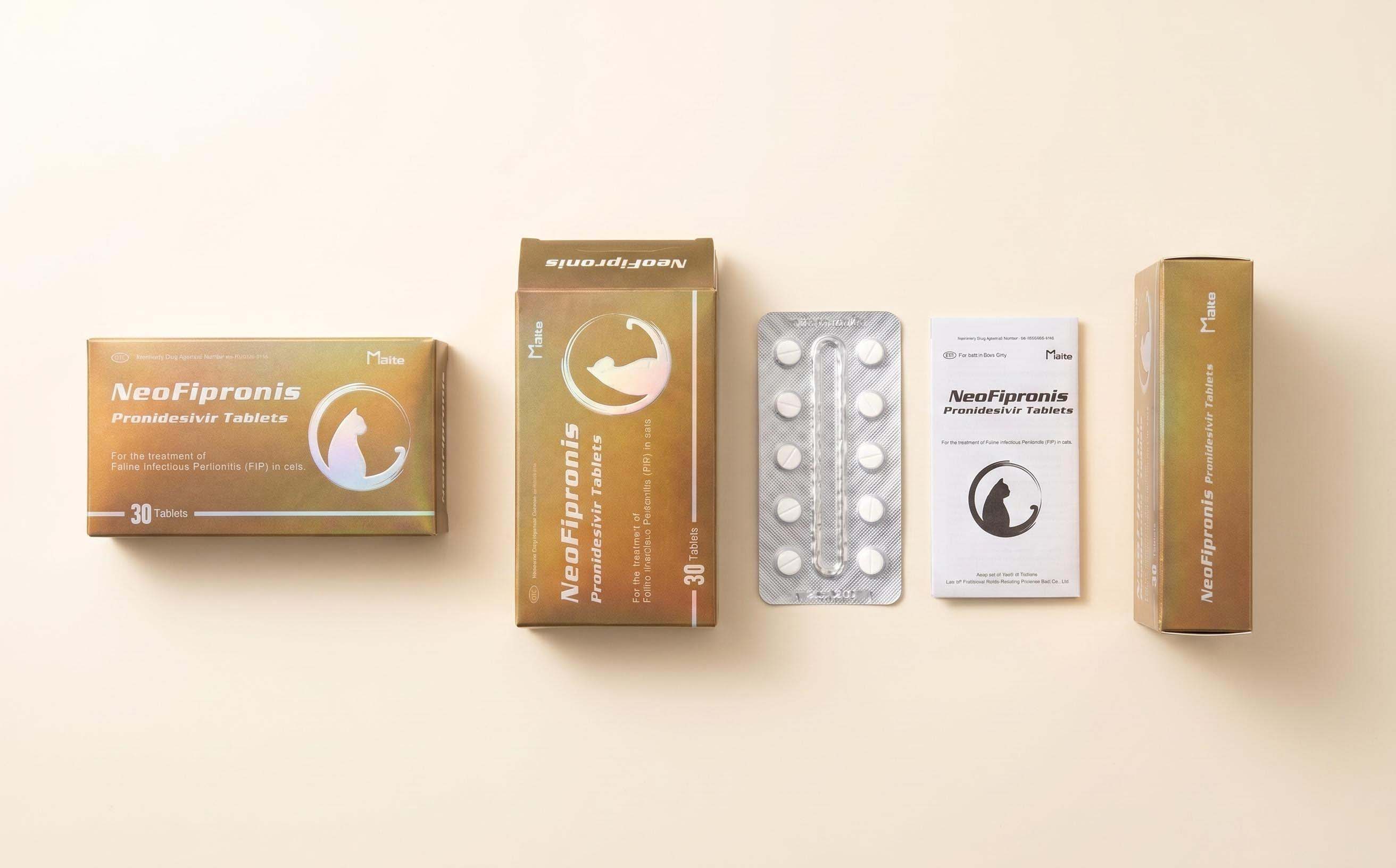
GS-441524, marketed as NeoFipronis (Pronidesivir), is a groundbreaking oral antiviral medication specifically developed to treat Feline Infectious Peritonitis (FIP). This condition, caused by feline coronavirus, manifests through symptoms such as inappetence, lethargy, fever, ascites, pleural effusion, lymphadenopathy, granulomatous inflammation, neurological damage, and uveitis. NeoFipronis has demonstrated remarkable efficacy in alleviating these symptoms, offering hope in feline veterinary medicine. However, despite its promising benefits, understanding contraindications and precautions is essential for safe and effective use.
Contraindications
NeoFipronis should not be administered to cats with known hypersensitivity to GS-441524 or any component of the formulation. It is contraindicated in pregnant or lactating cats due to limited data on safety in these populations. Additionally, cats with severe renal or hepatic impairment should avoid this medication unless under strict veterinary supervision. Because the drug's safety profile in these conditions is not fully established, caution is advised.
Precautions
1. Veterinary Supervision Necessary: Although NeoFipronis is available as an over-the-counter medication, veterinary guidance is strongly recommended. Proper diagnosis, dosage, and treatment duration are crucial to prevent adverse effects and ensure successful outcomes.
2. Monitoring During Treatment: Regular assessment of appetite, activity level, body temperature, and overall behavior is vital. Blood tests to monitor liver and kidney functions should be conducted periodically, especially during prolonged treatment exceeding 8 weeks.
3. Adherence to Treatment Duration: Treatment should be continued for a minimum of 12 weeks without interruption. Missed doses could reduce efficacy and promote viral resistance. Owners must strictly follow the prescribed schedule.
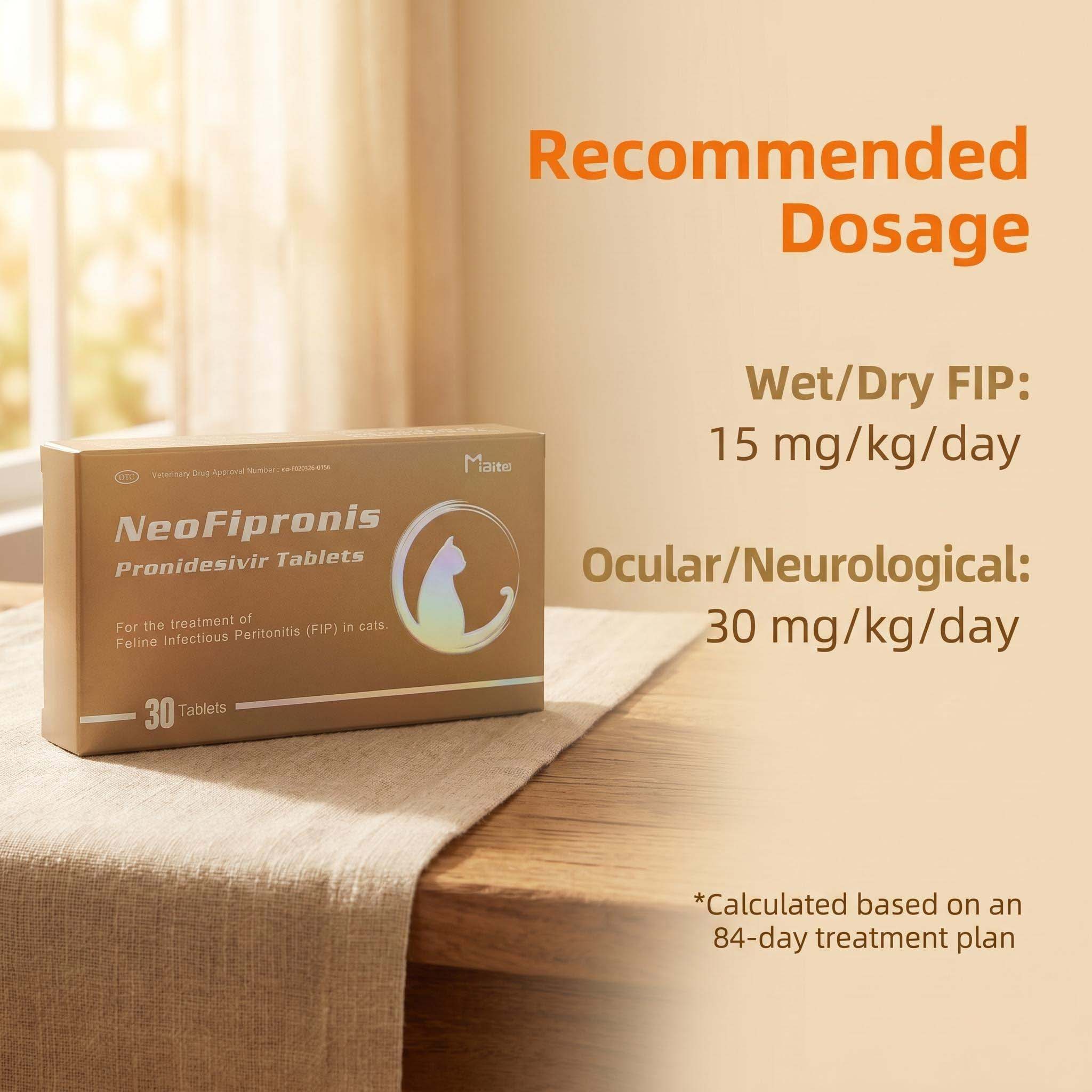
4. Dose Adjustments: For standard cases, the recommended dose is 15 mg per kilogram of body weight daily, taken on an empty stomach (one hour before feeding or two hours after). For neurological or ocular FIP forms, the dose may be increased to 30 mg/kg as directed by a veterinarian.
5. Potential Side Effects: While NeoFipronis is generally well tolerated, some cats may experience mild gastrointestinal upset, transient fever, or behavioral changes. Serious adverse reactions are rare but warrant immediate veterinary attention.
6. Drug Interactions: Caution should be exercised when combining NeoFipronis with other medications. Consult a veterinarian to avoid potential drug interactions that could diminish efficacy or increase toxicity.
7. Special Populations: Use in kittens under 8 weeks old or cats with pre-existing health conditions should be approached with caution. Individual risk assessments are necessary.
8. Storage and Handling: Store in a cool, dry place away from direct sunlight. Ensure the medication is kept out of reach of children and other animals.
Safety Measures
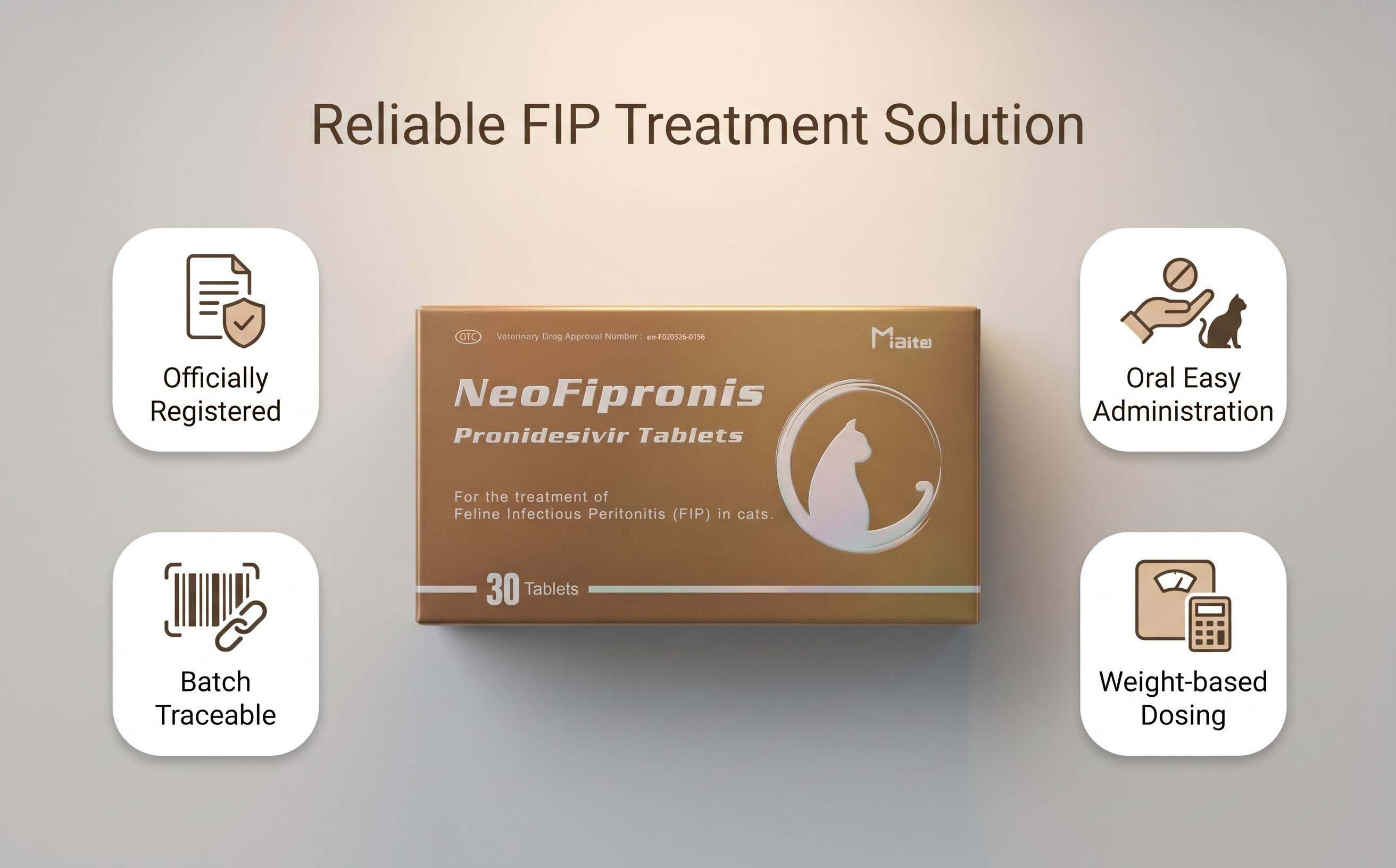
NeoFipronis, approved by the Lao Ministry of Agriculture and Forestry in March 2026, has a official registration number, confirming its quality and safety. Although classified as an over-the-counter medication in some regions, veterinary oversight is essential for optimal outcomes. Owners should purchase NeoFipronis only from authorized websites to avoid counterfeit products, ensuring ingredients like GS-441524 are genuine.
Conclusion
While NeoFipronis (Pronidesivir) offers a highly effective treatment for FIP, appropriate caution must be exercised. Contraindications such as hypersensitivity, pregnancy, or severe organ impairment, along with vigilant monitoring and adherence to prescribed treatment protocols, are critical for minimizing risks. Veterinary supervision enhances treatment success, ensuring cats recover safely from this potentially fatal disease.