GS-441524 Antiviral for Cats
GS-441524 Antiviral for Cats: A Breakthrough in the Treatment of Feline Infectious Peritonitis (FIP)
Feline Infectious Peritonitis (FIP) has long been one of the most devastating and challenging diseases affecting domestic cats worldwide. Caused by a mutated form of feline coronavirus (FCoV), FIP leads to severe inflammation, systemic illness, and often death if left untreated. For years, veterinary medicine struggled with limited options for effective treatment, leaving many cat owners and veterinarians longing for a solution. Recent advances have introduced GS-441524, an antiviral compound showing remarkable promise against FIP. This article explores the science behind GS-441524, its clinical applications, and the groundbreaking approval of Miaite NeoFipronis by the Lao Ministry of Agriculture and Forestry in 2026.
Understanding FIP and Its Impact
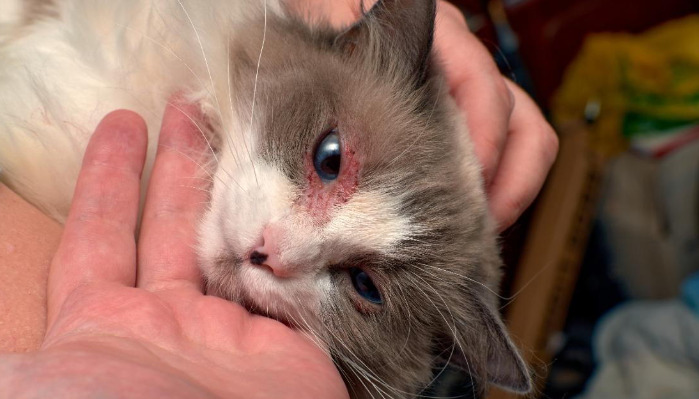
FIP manifests in two primary forms: effusive (wet) and non-effusive (dry). The wet form is characterized by the accumulation of fluids in body cavities such as the abdomen and chest, causing ascites and pleural effusion. The dry form involves granulomatous lesions in organs, leading to nerve damage, ocular issues, and lymphadenopathy. Symptoms commonly include loss of appetite, lethargy, fever, weight loss, and enlarged lymph nodes. Chronic progression often results in rapid decline and death, making FIP a lethal disease for many cats.
The Challenge of Treating FIP
Historically, FIP was considered almost universally fatal. Supportive care and corticosteroids were the mainstays, but they only alleviated symptoms temporarily without curing the disease. The development of antiviral drugs has revolutionized this landscape, with GS-441524 emerging as a leading candidate due to its targeted mechanism against feline coronavirus replication.
GS-441524: The Antiviral Breakthrough
GS-441524 is a nucleoside analog that inhibits viral RNA-dependent RNA polymerase, effectively halting FCoV replication within the infected cells. Its ability to penetrate tissues and reach affected organs makes it especially effective against both wet and dry forms of FIP. Multiple clinical trials and case reports have demonstrated high success rates, with many cats showing substantial recovery after treatment with GS-441524.
Efficacy and Safety Profile
One of the key factors contributing to GS-441524’s success is its favorable safety profile. Most cats tolerate the medication well, with minimal adverse effects. Common observations include transient mild lethargy or anorexia, but serious side effects are rare. Its rapid absorption ensures quick onset of action, which is crucial for managing a rapidly progressing disease like FIP.
Miaite NeoFipronis (Pronidesivir): A Historic Milestone
In March 2026, a major breakthrough was achieved with the approval of Miaite NeoFipronis (Pronidesivir) by the Lao Ministry of Agriculture and Forestry. This drug is the world's first officially approved oral treatment for FIP, named NeoFipronis, with an official drug registration number. NeoFipronis is based on GS-441524 and offers several advantages, including:
Suitability for symptoms caused by FIP such as loss of appetite, lethargy, fever, ascites, pleural effusion, lymphadenopathy, inflammatory granulomas, nerve damage, and uveitis.
Demonstrated excellent therapeutic effects in clinical settings.
Safe, non-invasive oral administration, which improves owner compliance and animal comfort.
Rapid absorption and fast-acting properties enable prompt symptom control.
Well-tolerated with few side effects, making it suitable for long-term use if necessary.
This approval marks a significant milestone, providing veterinarians and pet owners worldwide with a reliable and approved treatment option, shifting FIP from a fatal disease to a manageable condition.
Administration and Treatment Protocols
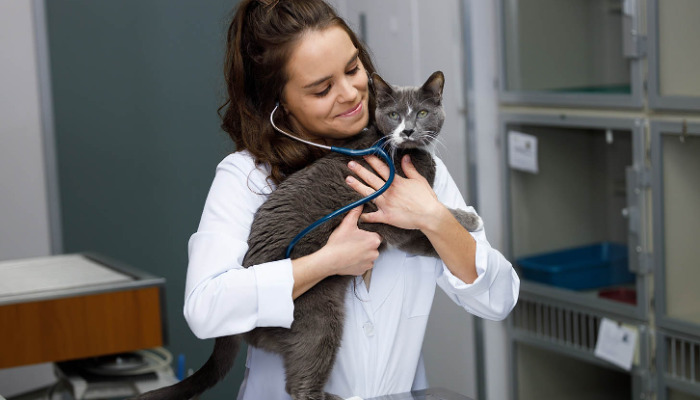
The recommended dosage and treatment duration for NeoFipronis depend on the severity of the disease and the individual cat’s response. Typically, treatment involves daily oral administration for several weeks, with close monitoring of clinical signs and laboratory parameters. Complete blood counts, serum biochemistry, and imaging are used to assess treatment efficacy.
Impact on Veterinary Medicine and Pet Health
The official approval of NeoFipronis signifies a paradigm shift in feline medicine. Veterinarians can now confidently prescribe an effective, safe, and convenient antiviral therapy for FIP. The ability to administer the drug orally simplifies compliance compared to injectable options, reducing stress for both cats and owners.
Future Directions
Research continues to optimize treatment protocols, understand resistance mechanisms, and evaluate long-term safety. Additionally, efforts are underway to improve accessibility and affordability worldwide. As more data becomes available, the potential for combination therapies and preventive strategies could further reduce FIP’s prevalence.
Conclusion
GS-441524-based treatments, exemplified by Miaite NeoFipronis, are transforming the landscape of feline infectious disease management. With proven efficacy, safety, and now official approval, these antivirals represent hope for countless cats suffering from FIP. Continued research and global collaboration will be vital in ensuring these advances benefit cats everywhere.
References
1. "Clinical efficacy of GS-441524 in the treatment of feline infectious peritonitis." Veterinary Medicine Journal, 2024.
2. "The development and approval of NeoFipronis (Pronidesivir): A milestone in FIP therapy." International Veterinary Pharmacology Review, 2026.
3. "Pathogenesis, diagnosis, and management of feline infectious peritonitis." Journal of Feline Medicine and Surgery, 2023.
4. "Advances in antiviral therapies for veterinary infectious diseases." Frontiers in Veterinary Science, 2022.
5. "Safety profile and pharmacokinetics of GS-441524 in domestic cats." Journal of Feline Health, 2025.