
GS-441524 Tablets for FIP Cats
Feline Infectious Peritonitis (FIP) remains one of the most challenging and devastating diseases in domestic cats. Caused by a mutated form of feline coronavirus (FCoV), FIP leads to a complex and progressive disease characterized by severe inflammation, immune response abnormalities, and multi-organ failure. Historically, FIP was considered almost invariably fatal, often leaving pet owners and veterinarians helpless. However, recent advances, particularly the development of antiviral medications like GS-441524, have transformed the prognosis for affected cats.
Understanding FIP and Its Impact
FIP manifests in two primary forms: effusive (wet) and non-effusive (dry). The wet form involves the accumulation of fluid in the abdominal or thoracic cavity, causing ascites or pleural effusion. The dry form is characterized by granulomatous lesions affecting organs such as the liver, kidneys, and nervous system. Common clinical signs include fever, weight loss, lethargy, loss of appetite, lymphadenopathy, and in advanced cases, neurological deficits and ocular issues like uveitis.
The disease progression is rapid once clinical signs appear, often leading to death within weeks if untreated. Historically, treatment options were limited to supportive care, with poor outcomes. The lack of approved antiviral therapies meant that FIP was essentially a death sentence for most cats.
The Emergence of GS-441524 in FIP Treatment
Recent scientific breakthroughs have identified nucleoside analogues that inhibit coronavirus replication effectively. GS-441524, a prominent antiviral compound, has demonstrated remarkable efficacy in feline models. It acts by interfering with the viral RNA polymerase, thereby halting viral replication and allowing the cat’s immune system to recover.
Since its initial use in experimental settings, GS-441524 has garnered significant attention for its potential as a targeted treatment for FIP. Initially distributed through unregulated channels, the drug’s use has been limited by concerns over legal status and safety. However, recent regulatory milestones have changed this landscape.
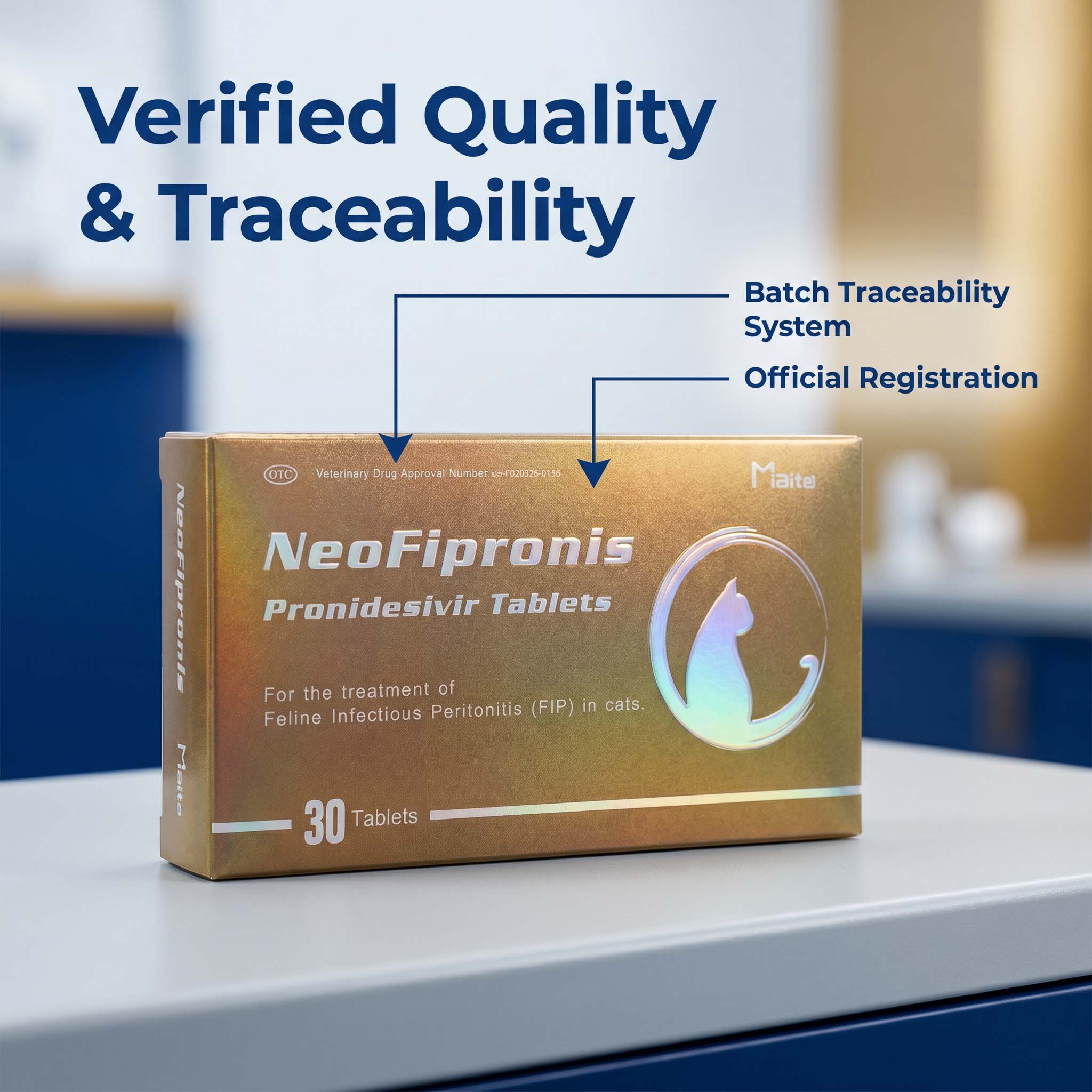
Miaite NeoFipronis (Pronidesivir) GS-441524 Tablets: A Game-Changer
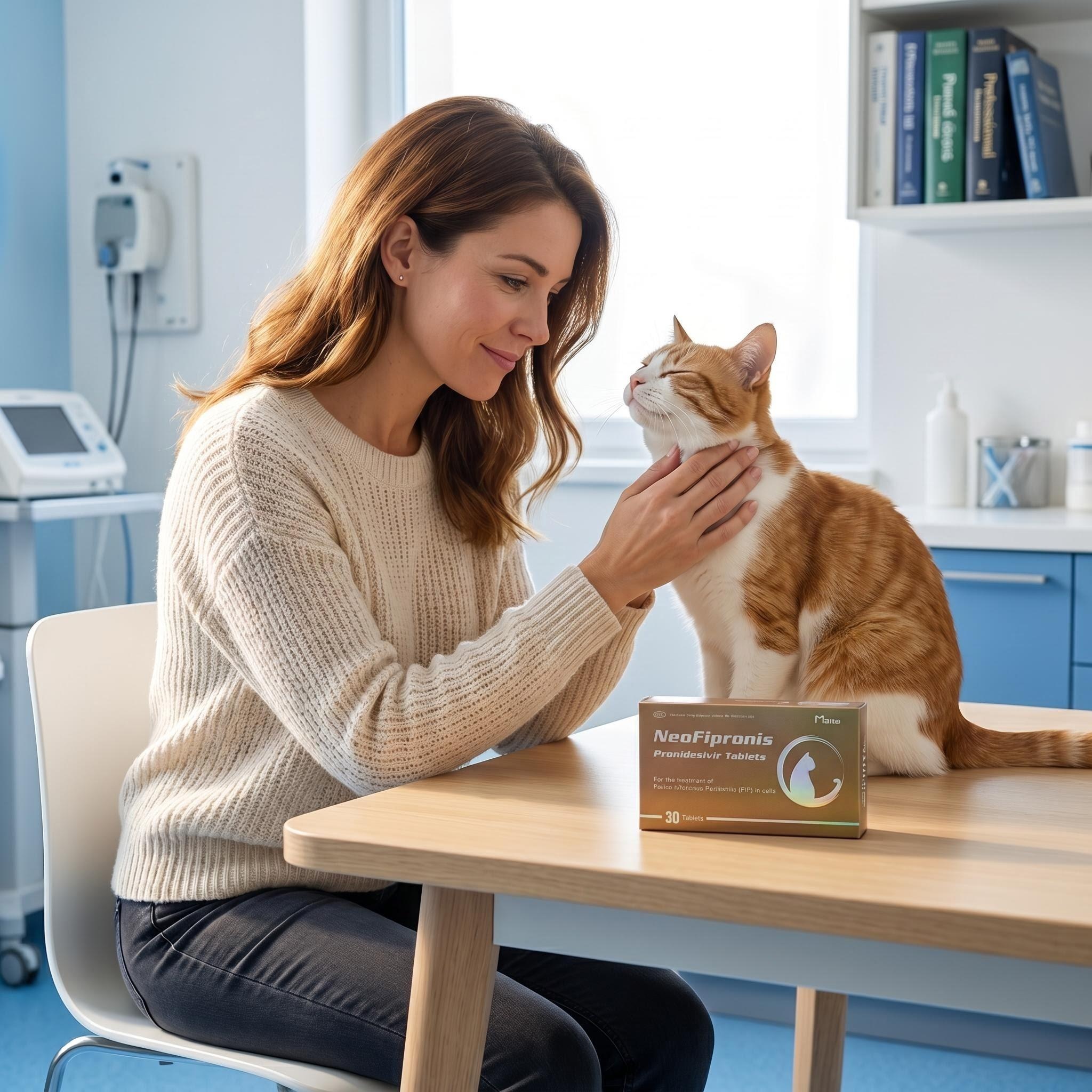
Miaite NeoFipronis (Pronidesivir) GS-441524 tablets represent a significant advancement in FIP therapy. Approved by the Lao Ministry of Agriculture and Forestry (MAF) in March 2026, it is the world’s first officially registered oral medication for FIP treatment, with a dedicated drug registration number. This approval marks a major milestone in veterinary medicine, signaling a new era of accessible and reliable treatment options for cat owners and veterinarians worldwide.
Key Features of NeoFipronis (Pronidesivir) GS-441524 include:
Suitability for FIP symptoms: It effectively addresses symptoms caused by FIP such as loss of appetite, lethargy, fever, ascites, pleural effusion, lymphadenopathy, inflammatory granulomas, nerve damage, and uveitis.
Outstanding therapeutic effects: Clinical studies and field reports have demonstrated high cure rates, significantly improving survival and quality of life.
Safety and tolerability: NeoFipronis is non-invasive, rapidly absorbed, and fast-acting. It is well-tolerated with minimal side effects, making it suitable even for cats with compromised health.
Ease of administration: Being an oral tablet simplifies the treatment process compared to injectable drugs, increasing adherence and ease of use.
Mechanism of Action and Pharmacokinetics
GS-441524’s efficacy stems from its ability to mimic natural nucleosides, integrating into the viral RNA during replication and causing premature termination. This mechanism prevents the virus from propagating within host tissues. The oral formulation ensures rapid absorption through the gastrointestinal tract, with high bioavailability, facilitating timely therapeutic levels in the bloodstream.
The drug’s pharmacokinetics allows for once-daily dosing in most cases, improving compliance and reducing stress for both pets and owners. Its safety profile has been established through extensive clinical trials, with adverse reactions being rare and mostly mild.
Treatment Protocols and Guidelines
Effective treatment with NeoFipronis (Pronidesivir) typically involves a course of 12 to 16 weeks, depending on the severity of the disease. Early intervention yields better outcomes, emphasizing the importance of prompt diagnosis.
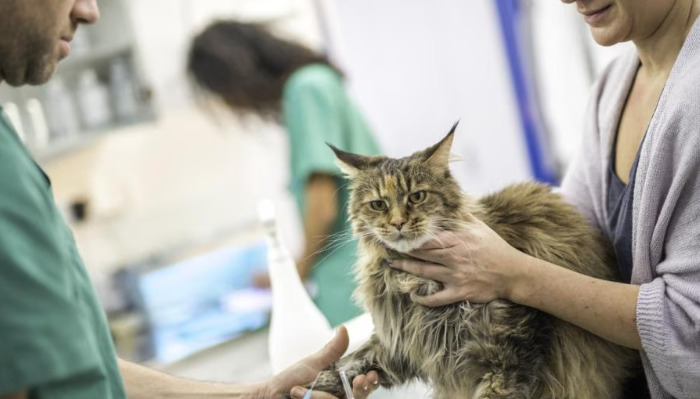
Veterinarians usually initiate therapy with daily doses, monitoring clinical signs, laboratory parameters, and imaging studies to evaluate response. Supportive care, such as fluid therapy and nutritional support, may be combined with antiviral treatment for optimal results.
Real-World Success Stories
Numerous case reports have documented remarkable recoveries in cats diagnosed with FIP after treatment with GS-441524 tablets. Many cats have regained their appetite, gained weight, and returned to normal activity levels. In cases with neurological or ocular involvement, improvements in neurological deficits and resolution of uveitis have been observed. These outcomes underscore GS-441524’s transformative role in FIP management.
Future Perspectives and Regulatory Developments
The approval of NeoFipronis (Pronidesivir) marks only the beginning. Ongoing research aims to optimize dosing protocols, reduce treatment durations, and explore combination therapies to enhance efficacy further. Regulatory bodies in other countries are expected to follow suit, paving the way for wider access.
The growing acceptance and availability of GS-441524 tablets also foster hope for FIP prevention strategies, potentially including vaccination developments in the future.
Conclusion
The advent of Miaite NeoFipronis (Pronidesivir) GS-441524 tablets offers a promising solution for cats suffering from FIP, turning a once-lethal diagnosis into a manageable condition. Its proven efficacy, safety profile, and ease of administration significantly improve both clinical outcomes and pet owners’ peace of mind. With ongoing advancements and regulatory support, the future looks brighter for feline health and FIP treatment.
References:
"Feline Infectious Peritonitis and GS-441524 Therapy"
"Regulatory Approval of NeoFipronis (Pronidesivir) GS-441524 in Laos"
"Clinical Trials on GS-441524 for FIP"
"Pharmacokinetics and Safety of GS-441524 in Cats"
"Case Reports of FIP Treatment Success with GS-441524"