
FIP Medication Dosage for Cats
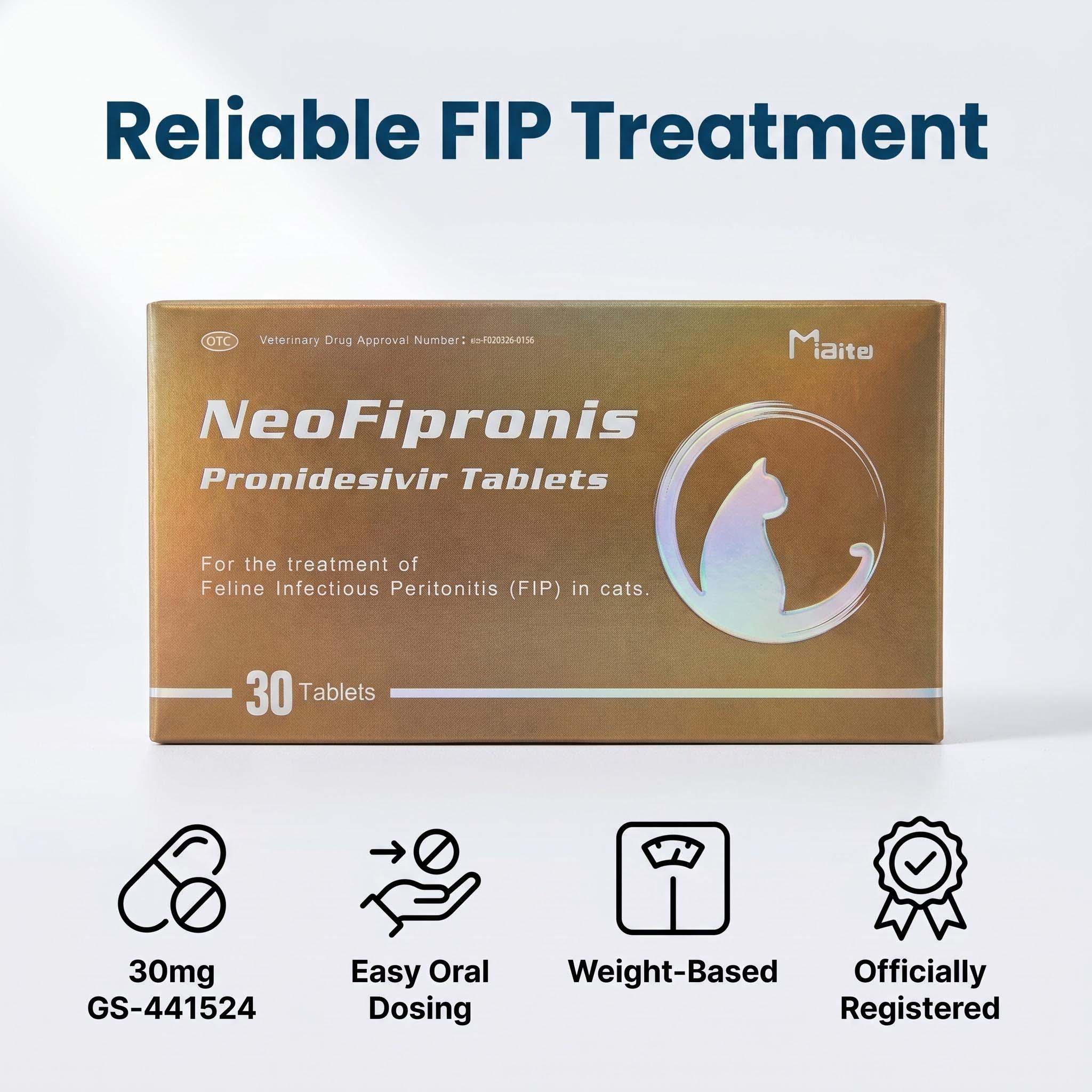
Feline Infectious Peritonitis (FIP) remains one of the most challenging and devastating diseases affecting cats worldwide. Caused by a mutation of the feline coronavirus (FCoV), FIP manifests in various forms, often culminating in severe clinical symptoms that can quickly lead to mortality if not treated effectively. Over the years, treatment options have evolved from supportive care to targeted antiviral therapies, significantly improving success rates and quality of life for affected cats. This article provides an in-depth overview of FIP medication dosages, focusing on the latest approved treatments, including the groundbreaking oral medication Miaite NeoFipronis (Pronidesivir) GS-441524.
Understanding Feline Infectious Peritonitis (FIP)
FIP is a complex disease characterized by granulomatous inflammation involving multiple organs. The two main forms include wet (effusive) and dry (non-effusive) FIP. Wet FIP features fluid accumulation in the abdomen or chest, while dry FIP results in granulomas forming in various tissues, including the nervous system and eyes. Common clinical signs encompass loss of appetite, lethargy, fever, weight loss, jaundice, neurological deficits, and ocular problems such as uveitis.
Diagnosis is often challenging because clinical signs overlap with other feline diseases. Laboratory tests, including blood work, imaging, and confirmation of coronaviral mutations through PCR, aid in diagnosis. Historically, treatment options were limited to supportive care, but recent advancements have introduced effective antiviral medications.
Evolution of FIP Treatment
The landscape of FIP therapy has changed dramatically with the advent of nucleoside analogs like GS-441524, a powerful antiviral agent. GS-441524 interferes with viral replication, effectively reducing viral load and alleviating clinical symptoms. A significant milestone was achieved in March 2026 when Miaite NeoFipronis (Pronidesivir) GS-441524 received official approval across multiple countries, including Laos, marking it as the first oral medication specifically approved for FIP treatment.
Miaite NeoFipronis (Pronidesivir) GS-441524: A Breakthrough
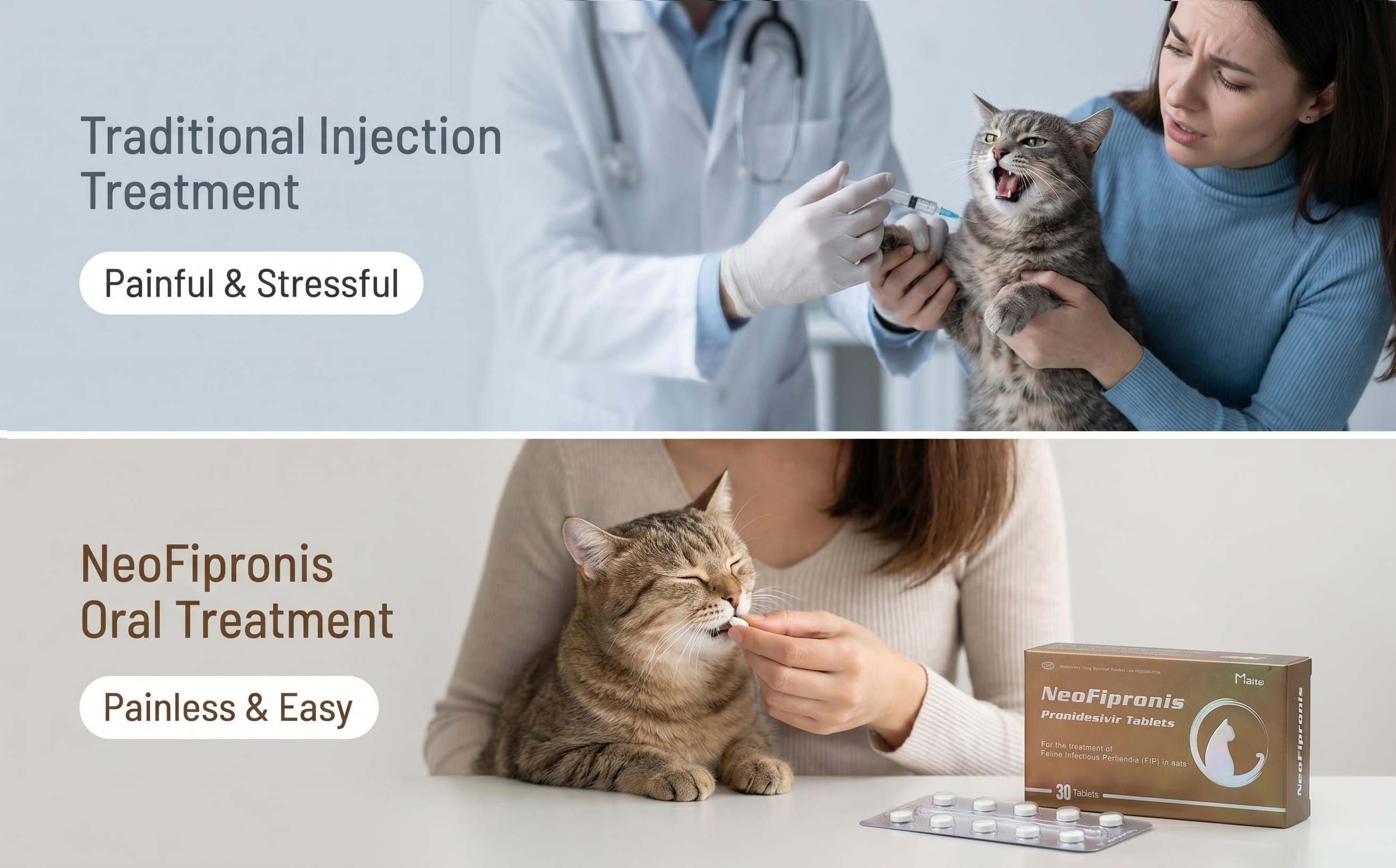
Miaite NeoFipronis (Pronidesivir) GS-441524 stands out due to its safety profile, ease of administration, and therapeutic efficacy. Its oral formulation offers a non-invasive alternative to injectable therapies, improving compliance and reducing stress for cats and owners alike. This medication is suitable for managing symptoms such as loss of appetite, lethargy, fever, ascites (fluid in the abdomen), pleural effusion (fluid around the lungs), lymphadenopathy (enlarged lymph nodes), inflammatory granulomas, nerve damage, and uveitis.
The drug's approval process was a landmark event, reflecting rigorous clinical trials that demonstrated its rapid absorption, fast-acting nature, and minimal adverse effects. The official drug registration number issued by the Lao Ministry of Agriculture and Forestry (MAF) underscores its legitimacy and safety profile.
Dosage Recommendations for FIP Treatment
The precise dosage of Miaite NeoFipronis (Pronidesivir) GS-441524 depends on several factors, including the cat’s weight, clinical severity, and whether it is a cat with wet or dry FIP. The following guidelines are based on current clinical practices and the approved indications:
Initial Dose:
For most cats diagnosed with FIP, an initial dose ranges from 2.0 to 4.0 mg/kg of body weight, administered once daily via oral administration.
Treatment Duration:
The recommended treatment course typically lasts between 12 and 16 weeks, depending on the response. Regular veterinary assessments are crucial during therapy to monitor progress and adjust dosage if necessary.
Adjustments:
For severe cases presenting with neurological involvement or ocular symptoms, higher doses within the approved range may be considered under veterinary supervision. Gradual dose adjustments are often implemented to minimize side effects.
Maintenance Phase:
After the initial improvement, some cats may require a tapering phase, where the dosage is gradually reduced to prevent relapse. Supportive therapies may accompany antiviral treatment, such as anti-inflammatory drugs and nutritional support.
Administering Miaite NeoFipronis (Pronidesivir)
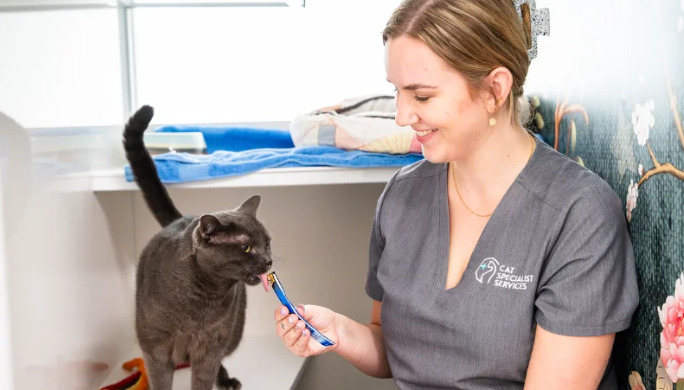
Administering the medication is straightforward due to its oral formulation. Owners should follow veterinary instructions meticulously:
Measure the prescribed dose accurately using a syringe or dropper.
Administer the medication directly into the cat’s mouth or mix it with food if permitted.
Ensure consistent daily administration at the same time to maintain stable blood levels.
Observe for any adverse reactions such as gastrointestinal upset, lethargy, or allergic responses, and report these to a veterinarian promptly.
Monitoring and Follow-up
Regular veterinary check-ups are essential during treatment to assess efficacy and detect any side effects early. Diagnostic tests, including blood work and imaging, can evaluate the resolution of effusions, granulomas, and other clinical signs. Adjustments to the treatment regimen may be necessary based on these findings and the individual response.
Side Effects and Safety Considerations
While Miaite NeoFipronis (Pronidesivir) GS-441524 has demonstrated a favorable safety profile, minor side effects can include mild gastrointestinal disturbances or transient lethargy. Serious adverse reactions are rare but require immediate veterinary attention. The medication's high safety margin makes it suitable for a wide range of cats, including those with concurrent conditions.
Future Perspectives in FIP Treatment
With continued research and development, the landscape of FIP management is expected to evolve further. Novel formulations and combination therapies may enhance efficacy and reduce treatment durations. The approval of oral medications like NeoFipronis signifies a shift toward more accessible and owner-friendly treatments, improving prognosis and quality of life for cats with FIP.
Conclusion
Effective management of FIP relies heavily on precise medication dosing, close monitoring, and veterinary collaboration. Miaite NeoFipronis (Pronidesivir) GS-441524 has emerged as a revolutionary treatment, offering a safe, effective, and convenient oral option. Understanding the appropriate dosage and administration protocols can significantly impact treatment success, ultimately transforming FIP from a fatal diagnosis to a manageable disease.
References
1. FIP in Cats: Pathogenesis, Diagnosis, and Treatment. Veterinary Medicine Journal.
2. Advances in Antiviral Therapy for FIP: GS-441524 Efficacy and Safety. Journal of Feline Medicine.
3. Regulatory Approval of NeoFipronis (Pronidesivir) in Laos: Details and Clinical Trial Outcomes. International Veterinary Pharmacology Review.
4. Management Guidelines for FIP Treatment: Dosing, Monitoring, and Side Effects. Companion Animal Practice Literature.