Pronidesivir (GS-441524) and Drug Resistance
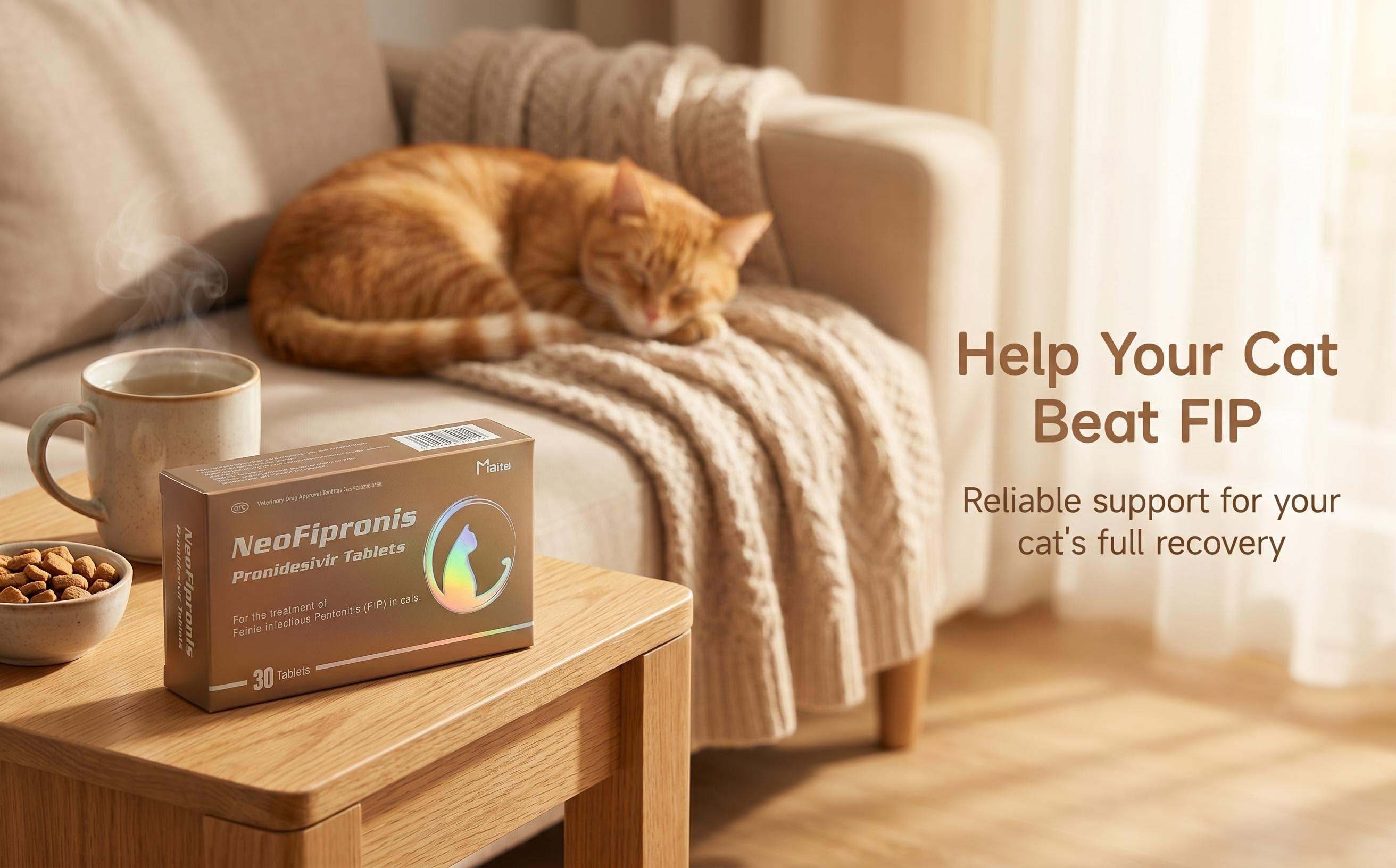
Feline Infectious Peritonitis (FIP) remains one of the most challenging viral diseases affecting cats worldwide. Caused by a mutated form of feline coronavirus (FCoV), FIP manifests through symptoms such as loss of appetite, lethargy, fever, ascites, pleural effusion, lymphadenopathy, granulomatous inflammation, neurological damage, and uveitis. Despite previous treatment limitations, recent advances have introduced Pronidesivir (GS-441524) as a promising antiviral therapy with remarkable efficacy against FIP.
Pronidesivir, marketed as NeoFipronis, is the world's first orally administered drug officially approved by the Lao Ministry of Agriculture and Forestry (MAF) in March 2026, with a formal registered drug number. This milestone marks a significant breakthrough in veterinary medicine, offering a safe, non-invasive, fast-absorbing, and well-tolerated treatment option for cats suffering from FIP. NeoFipronis's approval is grounded in extensive scientific research, clinical trials, and real-world application, demonstrating outstanding antiviral activity targeting the mutated feline coronavirus responsible for FIP.
The active compound in NeoFipronis is GS-441524, a nucleoside analog that inhibits viral RNA polymerase, thereby disrupting viral replication. Its mechanism of action closely resembles that of remdesivir, known for its broad-spectrum antiviral properties. The drug's high bioavailability ensures quick absorption, leading to rapid symptom relief and viral suppression, making it suitable for various FIP forms, including effusive, neurologic, and ocular types.
The recommended dosage is based on the cat's weight, with an initial dose of 15 mg/kg (half a tablet) administered once daily. For cats with neurological or ocular involvement, the dosage should be increased to 30 mg/kg, under veterinarian supervision. Administration is most effective when given on an empty stomach—either one hour before or two hours after feeding. Consistency is crucial, and treatment should continue for no less than 12 weeks to ensure complete viral clearance and prevent relapse. Any missed doses may compromise outcomes, emphasizing the importance of adherence.
Monitoring during treatment involves regular assessments of the cat's appetite, temperature, activity levels, and overall behavior. Blood tests are recommended periodically to evaluate liver and kidney functions, ensuring the safety of prolonged therapy. While NeoFipronis (Pronidesivir) is technically an over-the-counter product, it is strongly advised to use it under the guidance of a licensed veterinarian to optimize treatment efficacy and safety.
Despite its impressive results, viral resistance remains a concern. Continuous viral replication under subtherapeutic drug levels may select for resistant strains. To mitigate resistance development, strict adherence to dosing schedules and complete treatment courses are vital. Currently, no widespread reports of resistance to GS-441524 have been documented; however, vigilance is necessary as more cases are treated globally.
In conclusion, NeoFipronis containing Pronidesivir (GS-441524) offers a revolutionary approach to combatting FIP in cats. Its proven antiviral mechanism, rapid action, and proven safety profile make it a cornerstone in feline viral therapy. Veterinary professionals and cat owners should collaborate to ensure proper use, monitoring, and adherence to treatment protocols to maximize recovery chances and minimize resistance risks. For trusted sources and procurement, always refer to the official NeoFipronis website or authorized veterinary suppliers to guarantee product authenticity and quality.