
GS-441524 (NeoFipronis) Indications and How to Use It
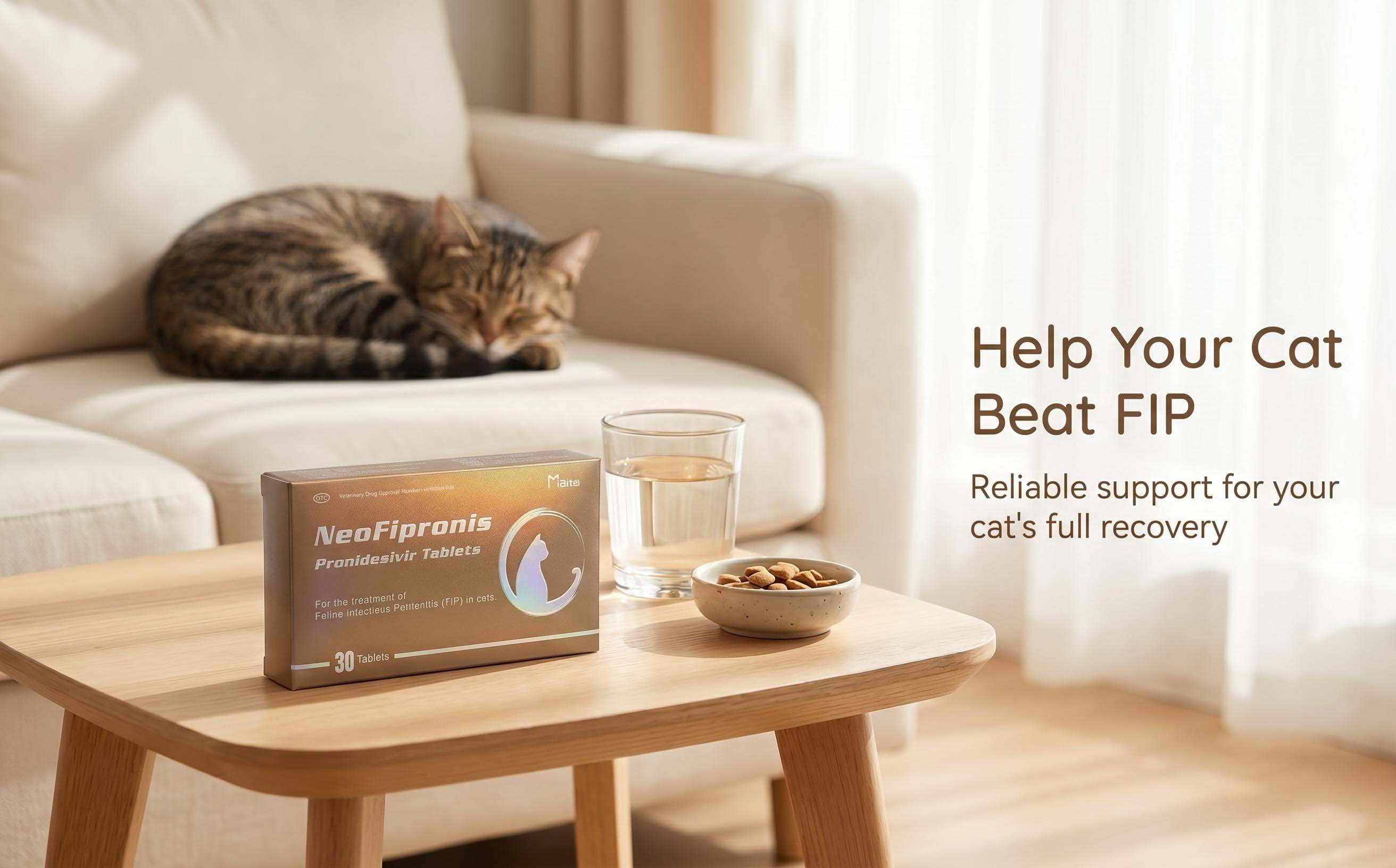
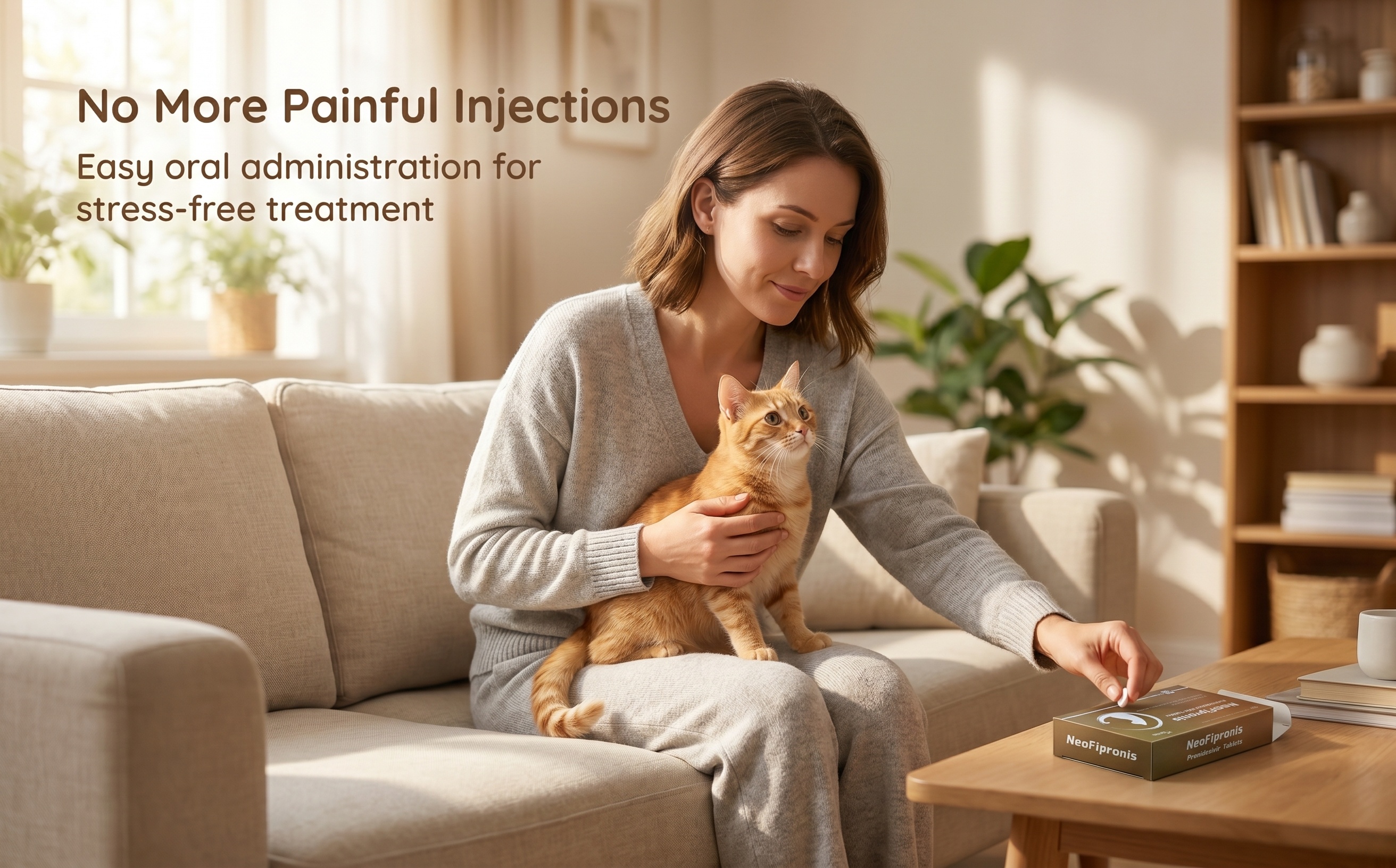
Feline Infectious Peritonitis (FIP) remains one of the most challenging viral diseases in cats, caused by a mutated form of feline coronavirus. Symptoms often include loss of appetite, lethargy, fever, abdominal or thoracic effusion, lymphadenopathy, inflammatory granulomas, neurological deficits, and uveitis. Effective treatment options have been limited historically, but recent advances introduce GS-441524-based therapies with promising results. NeoFipronis (Pronidesivir) is a groundbreaking oral antiviral medication formulated specifically for FIP treatment, providing an effective, safe, and non-invasive therapeutic option.
NeoFipronis is the first FIP-specific oral drug officially approved by the Lao Ministry of Agriculture and Forestry (MAF) as of March 2026, with an official registration number. Its active compound, GS-441524, has undergone extensive research and clinical trials, showcasing remarkable antiviral efficacy against feline coronavirus mutations responsible for FIP. The medication is characterized by rapid absorption, high tolerability, and minimal side effects, making it suitable for long-term management of infected cats.
Indications for NeoFipronis include cats presenting with classic FIP symptoms such as anorexia, lethargy, fever, ascites, pleural effusion, lymphadenopathy, granulomatous inflammation, neurological signs, and ocular inflammation. The drug demonstrates exceptional therapeutic outcomes, especially when administered early and consistently, significantly improving survival rates and quality of life in affected cats.
How to Use
The dosage is determined based on the cat’s body weight, with a standard recommendation of 15 mg per kilogram. This translates to approximately half a tablet per day for an average-sized cat. In cases of neurological or ocular FIP, the dosage may be increased under veterinary supervision to 30 mg/kg to ensure therapeutic efficacy. Administer NeoFipronis on an empty stomach, ideally one hour before meals or two hours after eating, to optimize absorption.
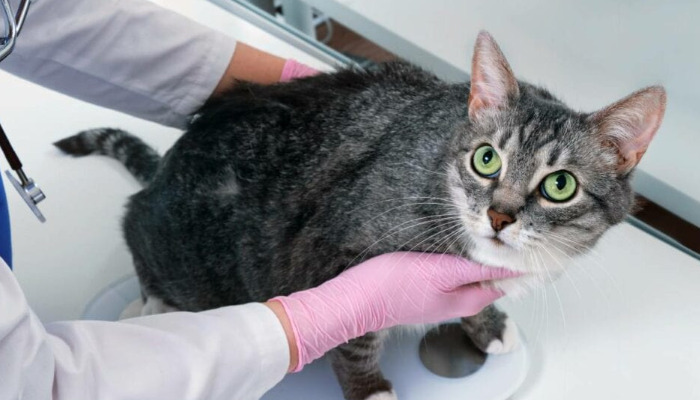
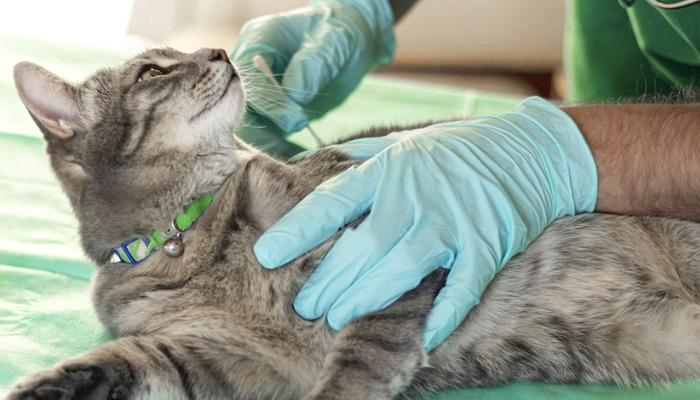
Treatment duration should not be less than 12 weeks, and strict adherence to the prescribed schedule is critical to ensure complete viral clearance. Missing doses or prematurely stopping therapy can lead to relapse or development of drug resistance. Veterinarians typically recommend close monitoring of clinical signs throughout treatment, including regular assessments of appetite, body temperature, mental alertness, and overall behavior. Periodic blood tests evaluating liver and kidney functions are essential to detect potential adverse effects early.
Safety and Precautions
Although NeoFipronis is classified as an over-the-counter medication, it is highly advisable to use it under veterinary guidance to maximize safety and efficacy. Adherence to prescribed dosages and treatment schedules is crucial for successful outcomes. Owners should observe their pets for any adverse reactions such as gastrointestinal upset, allergic responses, or neurological changes and report them promptly to a veterinarian.
NeoFipronis is exclusively formulated for feline use and must not be administered to humans or other animals. Secure purchase should be made through the official NeoFipronis website or authorized veterinary suppliers to ensure product authenticity and quality. Always follow veterinary instructions regarding usage, dosage adjustments, and duration of therapy.
In summary, NeoFipronis (Pronidesivir), with its active ingredient GS-441524, offers a highly effective, safe, and practical solution for treating FIP in cats. Its rapid absorption, excellent tolerability, and proven antiviral effectiveness make it a valuable tool in feline medicine, providing new hope for cats suffering from this previously incurable disease. Proper dosing, strict adherence to treatment duration, and veterinary supervision are key to achieving optimal results and improving feline health outcomes.