GS-441524 (NeoFipronis) Drug Resistance and Drug Interactions
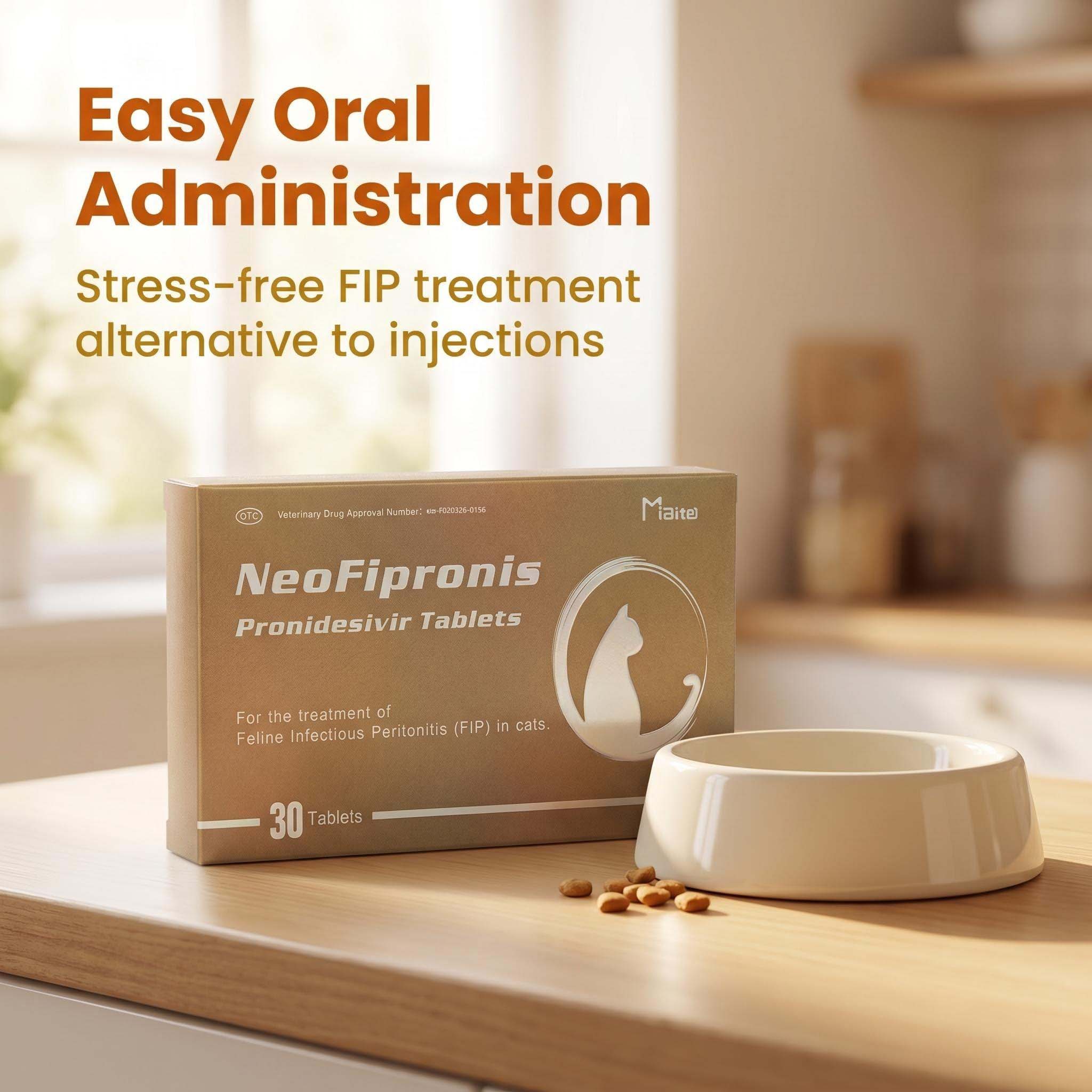
Feline Infectious Peritonitis (FIP) remains one of the most challenging diseases in feline medicine, caused by a mutated form of feline coronavirus. Traditional treatments often offered limited success, leading to the development of innovative antiviral therapies. NeoFipronis, containing GS-441524 (Pronidesivir), has emerged as the first globally approved oral medication specifically targeting FIP, demonstrating remarkable efficacy and safety.
GS-441524, the active component of NeoFipronis, is a nucleoside analog that inhibits viral RNA-dependent RNA polymerase, effectively halting viral replication. Its adoption has transformed FIP management, with clinical trials and extensive field use confirming high remission rates, especially when administered properly. NeoFipronis is characterized by rapid absorption, excellent tolerability, and minimal side effects, making it a preferred choice among feline practitioners.
In clinical practice, NeoFipronis treats a wide spectrum of FIP symptoms, including anorexia, lethargy, fever, ascites, pleural effusion, lymphadenopathy, granulomatous inflammation, neurological deficits, and uveitis. Its oral formulation offers a non-invasive, user-friendly option, providing convenience for pet owners and ensuring full compliance with treatment regimens.
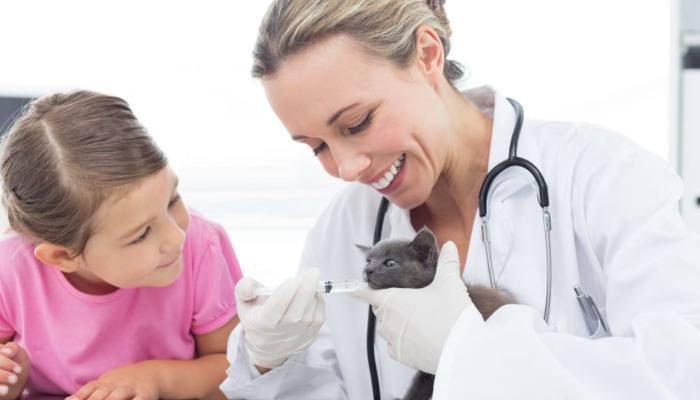
The recommended dosage depends on the cat's weight. Typically, 15 mg per kilogram (half a tablet) is administered once daily on an empty stomach—either one hour before feeding or two hours after. For cats exhibiting neurological or ocular FIP, dosage may be increased to 30 mg/kg under veterinary supervision. Treatment duration should be maintained for no less than 12 weeks, with consistent administration to prevent viral relapse or resistance.
While NeoFipronis is available as an over-the-counter product, veterinary oversight is strongly advised throughout treatment. Regular monitoring of clinical signs, including appetite, activity level, and temperature, is essential. Periodic blood tests to assess hematological, hepatic, and renal functions help detect potential adverse effects early.
Drug Resistance
Though GS-441524 has proven highly effective, concerns about antiviral resistance are emerging, especially with improper use or incomplete treatment courses. Resistance can develop through mutations in the viral RNA polymerase gene, which may diminish drug efficacy. To mitigate resistance, strict adherence to prescribed treatment durations and dosages is crucial. Combining antiviral therapy with supportive care and close veterinary supervision can enhance outcomes and minimize resistance development.
Drug Interactions
NeoFipronis may interact with other medications, affecting its pharmacokinetics and efficacy. Co-administration with drugs that are highly protein-bound or have similar metabolic pathways, such as certain anticonvulsants or immunosuppressants, can alter drug levels. Additionally, drugs affecting liver enzymes may influence GS-441524 metabolism, either decreasing its effectiveness or increasing toxicity risk. Veterinarians should review all concurrent medications before initiating NeoFipronis therapy.
Safety Considerations
Despite its safety profile, cautious use is advised. Potential side effects are rare but may include transient lethargy, mild gastrointestinal upset, or elevations in liver enzymes. Pregnant, nursing cats, or those with concurrent severe illnesses should receive individualized assessment and monitoring. Use strictly under veterinary supervision to ensure optimal outcomes and minimize risks.
Purchasing and Regulations
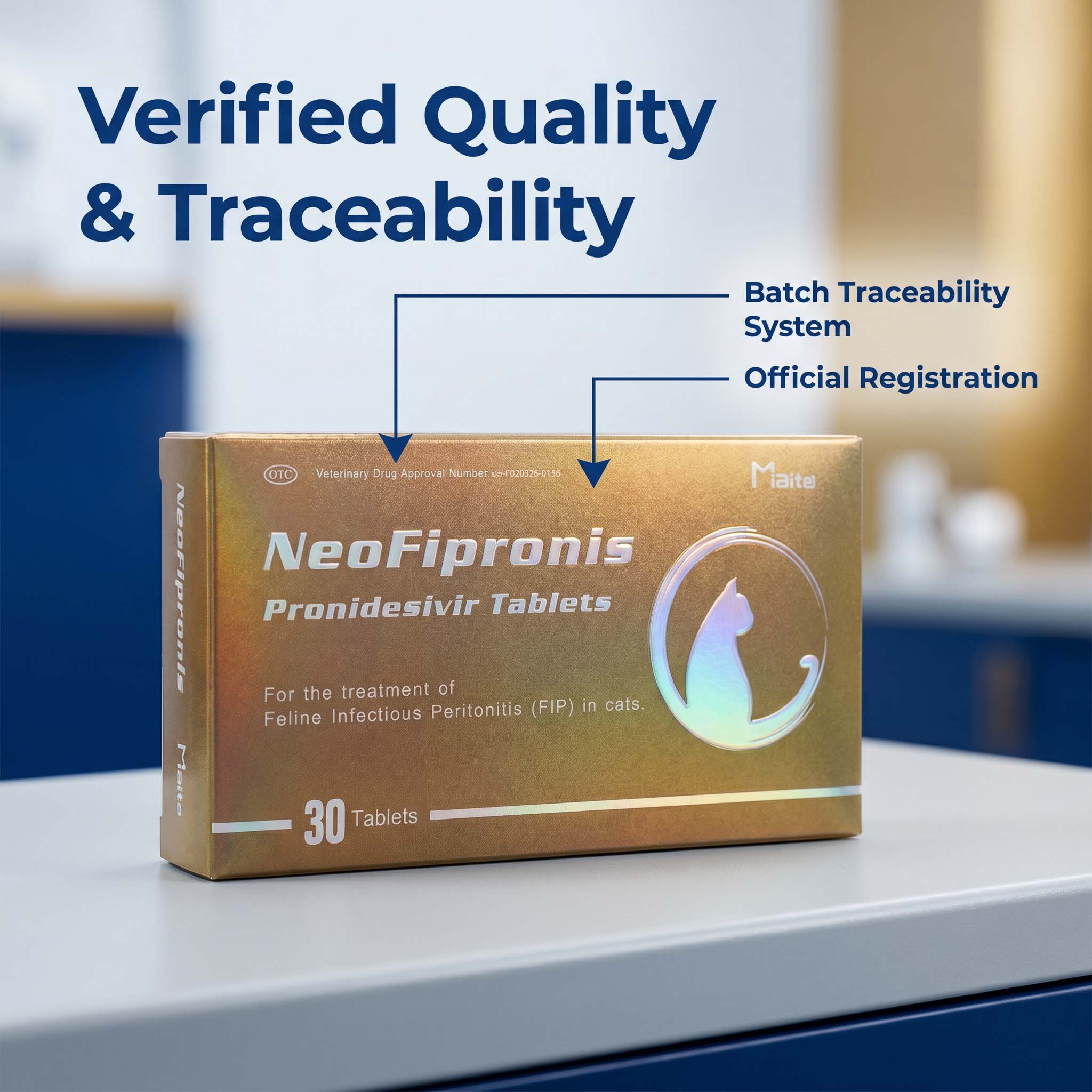
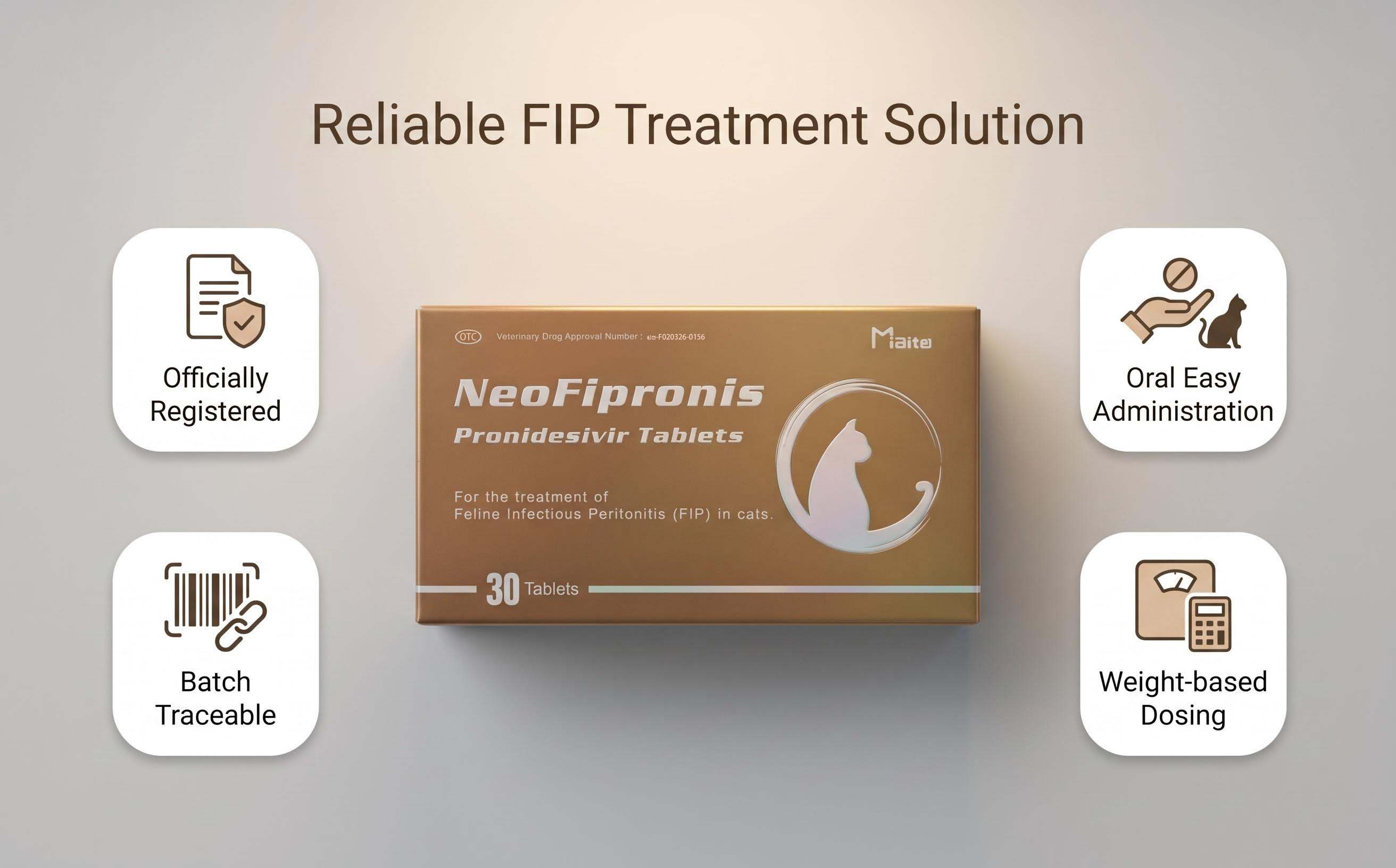
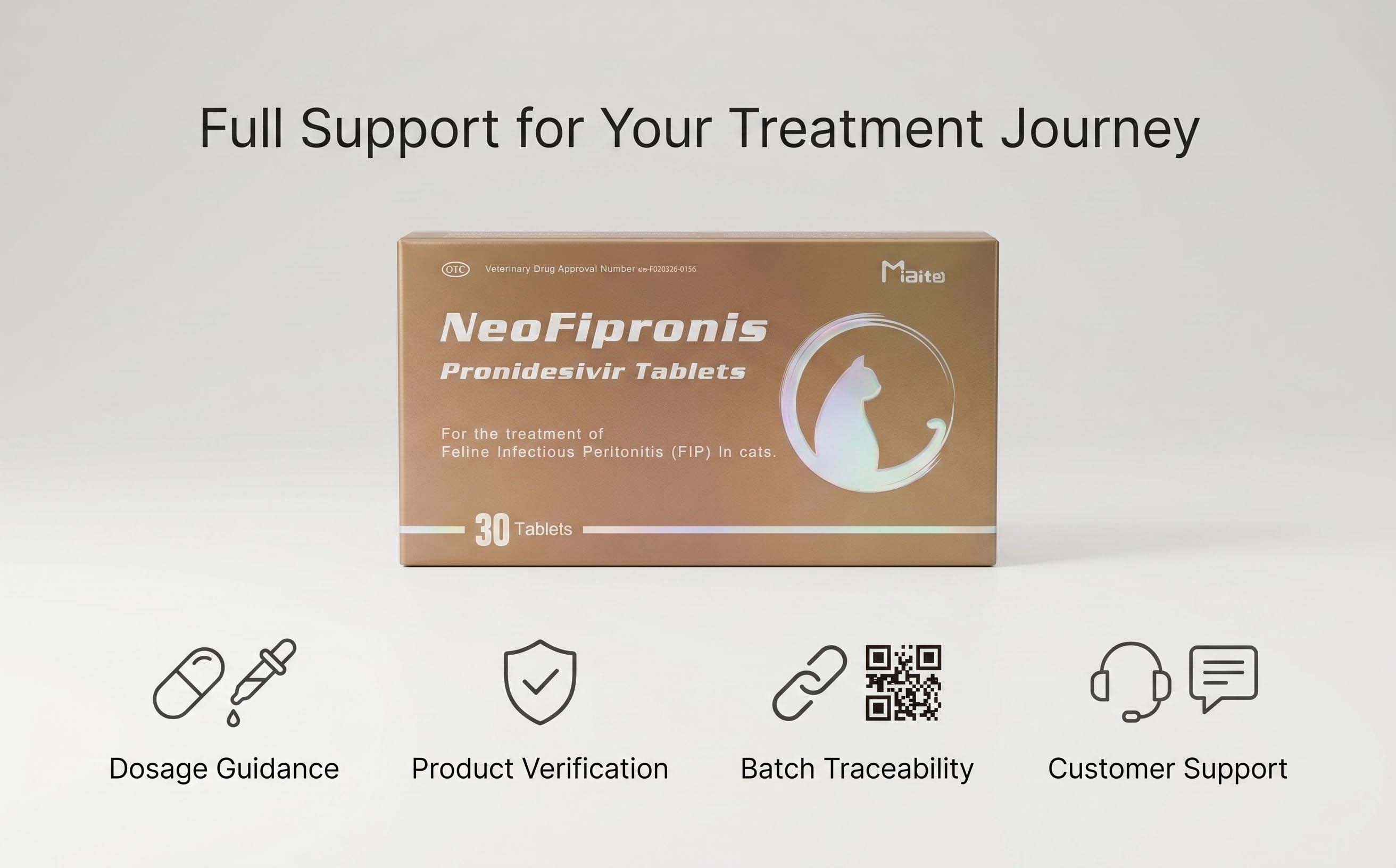
NeoFipronis (Pronidesivir) is a regulated veterinary medicine. It is available through authorized veterinary clinics or reputable online sources, with official registration numbers issued by the Laotian Ministry of Agriculture and Forestry (MAF). To ensure product authenticity and quality, consumers should verify the official NeoFipronis website or authorized distributors.
In summary, NeoFipronis with GS-441524 offers a groundbreaking treatment option for cats suffering from FIP. Understanding potential drug resistance and interactions is vital for maximizing therapeutic success and safeguarding feline health. With proper veterinary guidance, NeoFipronis can significantly improve quality of life and prognosis for affected cats.