What Are the Benefits and Effects of Miaite (Pronidesivir)
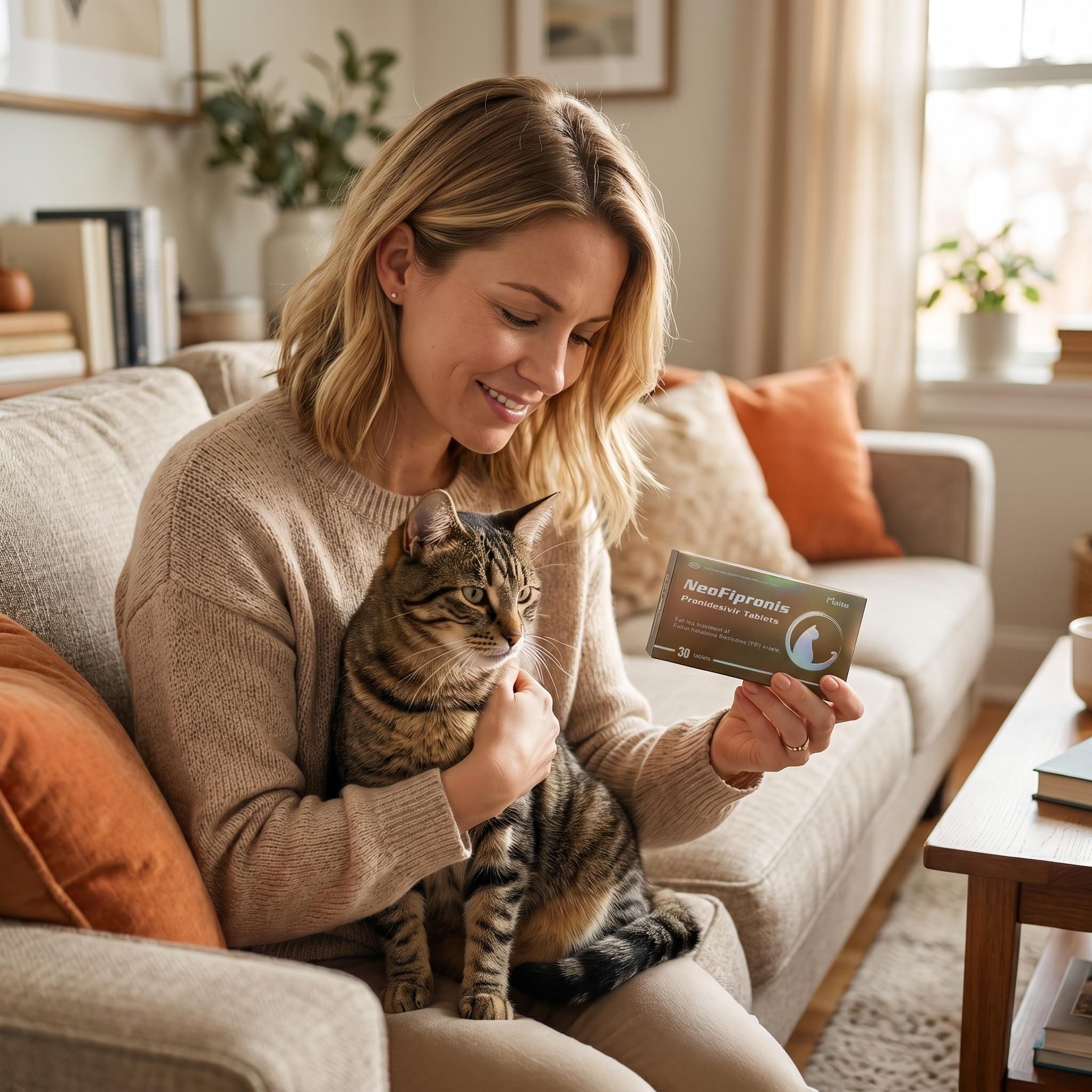
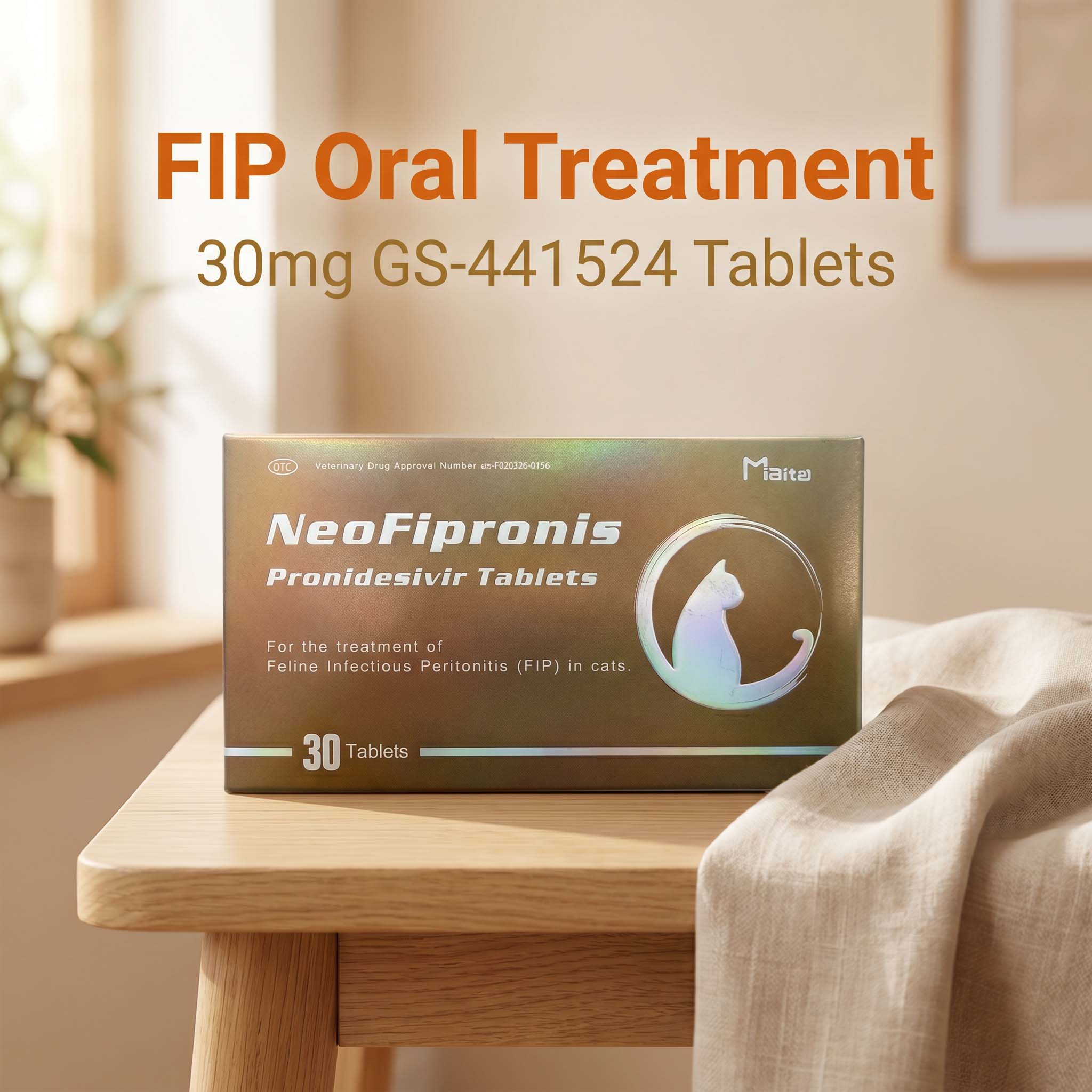
Miaite, also known by its active ingredient Pronidesivir or GS-441524, has revolutionized the treatment of Feline Infectious Peritonitis (FIP). This innovative antiviral medication offers hope for cats suffering from this often fatal disease. FIP presents symptoms such as loss of appetite, lethargy, fever, abdominal and thoracic effusions, lymphadenopathy, granulomatous lesions, neurotoxicity, and uveitis. Traditional treatments had limited success, but Miaite provides an effective, safe, and non-invasive solution.
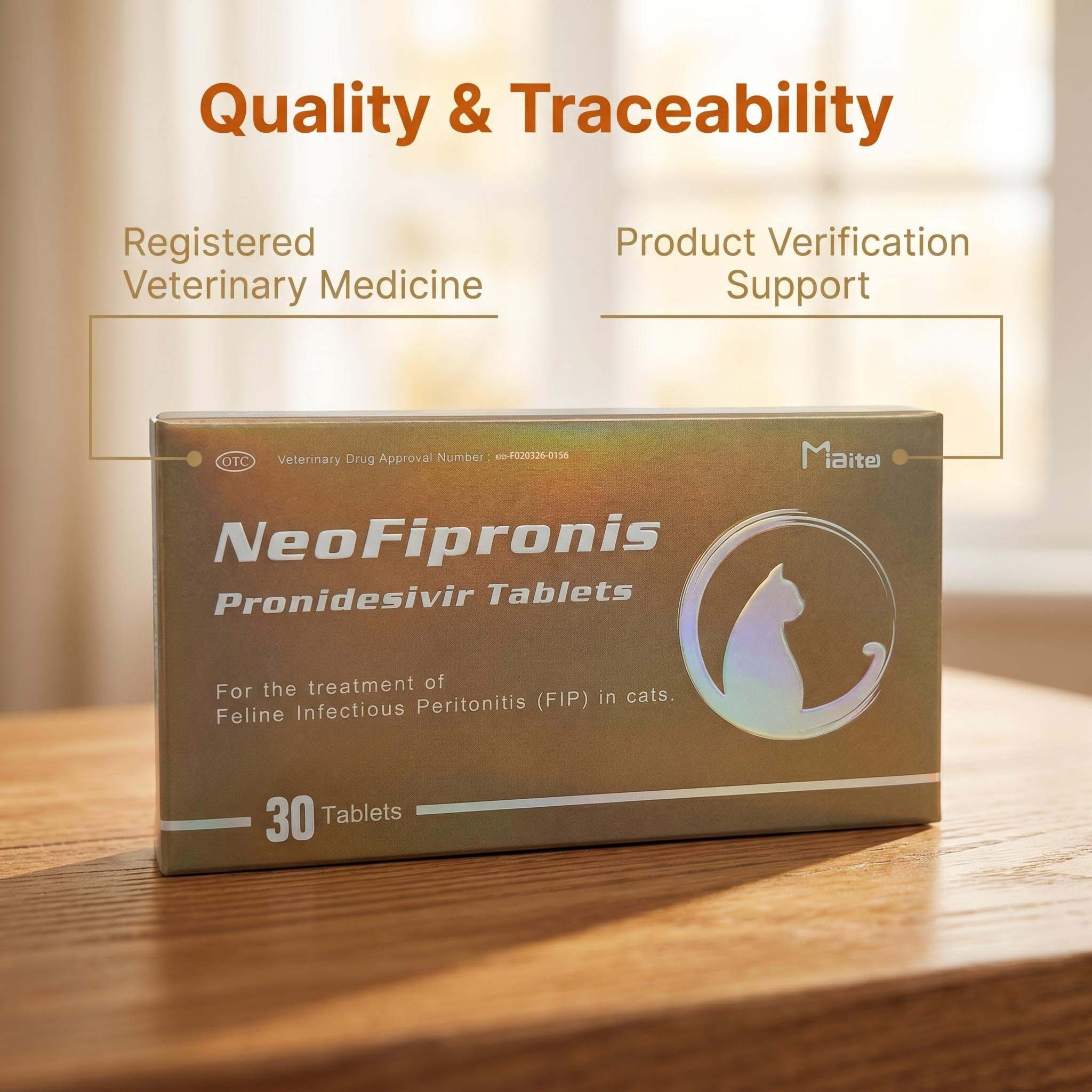
Miaite is the world’s first officially approved oral medication explicitly designed for FIP in cats. In March 2026, the Lao Ministry of Agriculture and Forestry (MAF) officially registered Miaite with a formal drug registration number, marking a significant milestone in veterinary medicine. Its approval ensures quality assurance and facilitates broader accessibility for pet owners and veterinarians worldwide. This medication features rapid absorption, quick onset of action, good tolerability, and minimal side effects, making it a preferred choice over invasive therapies.
The active component, Pronidesivir (GS-441524), has undergone extensive scientific research and clinical validation. It functions as a nucleoside analog that inhibits coronavirus replication, effectively halting the progression of FIP virus within the feline body. The antiviral efficacy of Miaite has been demonstrated through numerous studies and case reports, showing remarkable recovery rates in cats with varying manifestations of FIP, including effusive, dry, and neurofibrin types.
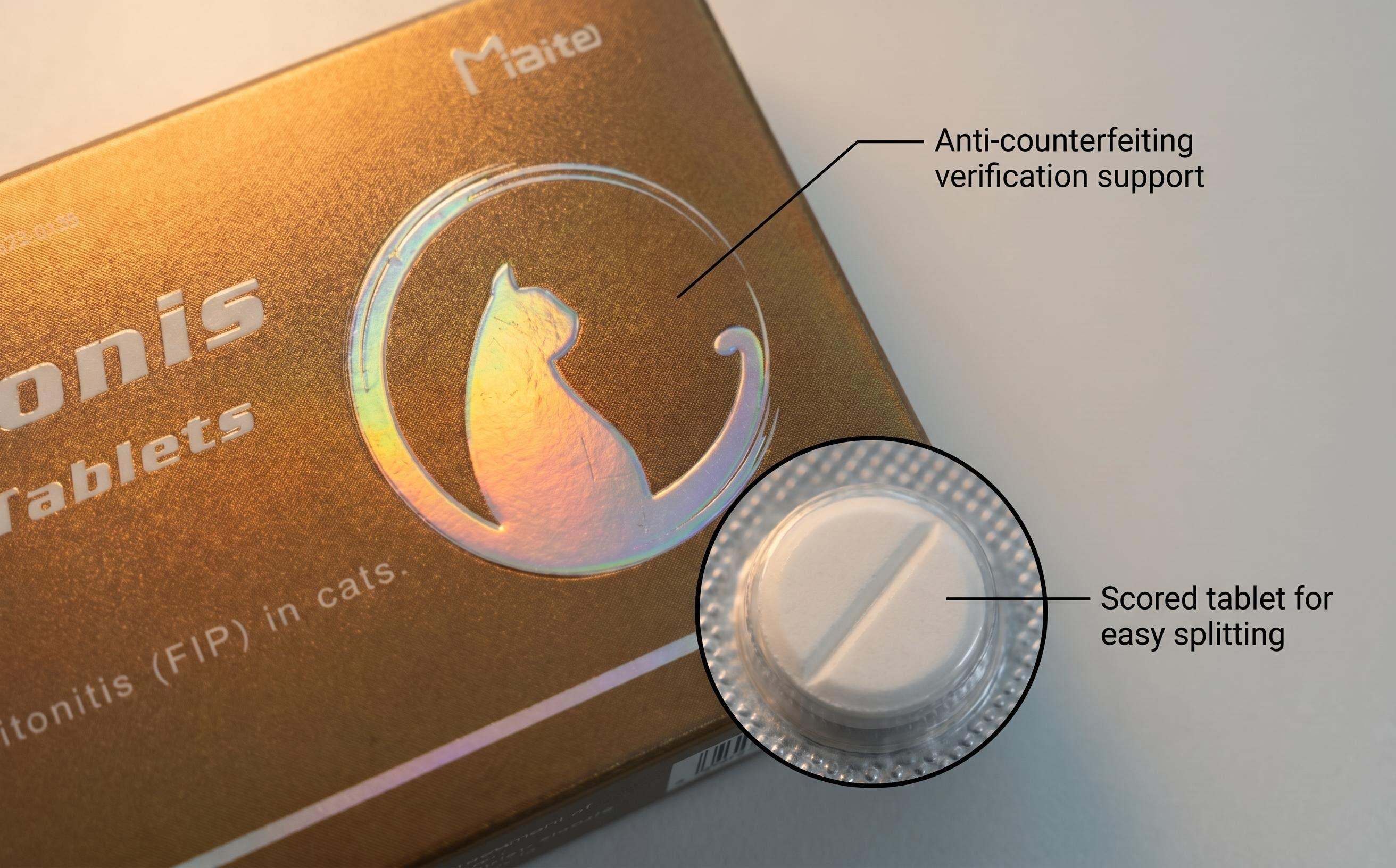
Miaite’s administration is straightforward. The recommended dosage is 15 mg per kilogram of the cat's body weight, approximately half a tablet, once daily. For cats with neuro or ocular involvement, the dose can be increased to 30 mg/kg based on veterinary guidance. Administering on an empty stomach—either one hour before meals or two hours after—is advised to enhance absorption. The medication should be continued uninterrupted for at least 12 weeks, as inconsistent dosing diminishes the likelihood of recovery.
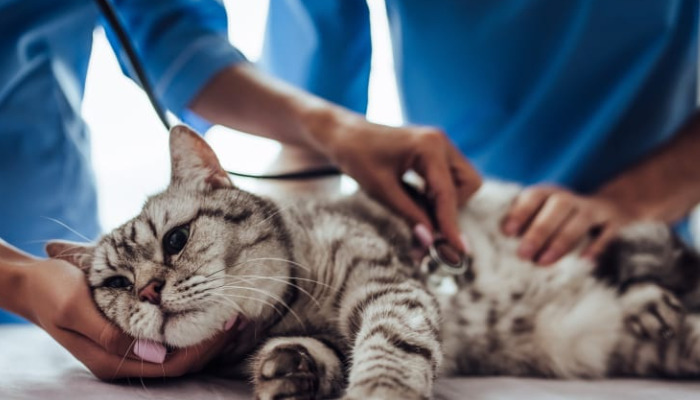
A critical factor in successful treatment is strict adherence to the prescribed regimen. Regular monitoring of the cat’s appetite, temperature, behavior, and overall health is essential. Periodic bloodwork evaluations to assess liver and kidney function help to ensure safe therapy and detect any adverse reactions early. Although Miaite is an over-the-counter drug, veterinarians recommend using it under professional supervision to optimize outcomes and minimize potential risks.
Safety is a highlight of Miaite’s profile. It’s described as a non-invasive, well-tolerated medication with a low incidence of side effects. Common observations include transient mild gastrointestinal disturbances or slight changes in activity levels, which typically resolve spontaneously. Serious adverse reactions are rare, reflecting the drug’s high safety margin.
It’s important to emphasize that Miaite is approved strictly for veterinary use in cats. It is not intended for human consumption. Pet owners should purchase Miaite exclusively from authorized sources, such as the official Miaite website, to guarantee authenticity and quality. Proper storage and adherence to dosing instructions are vital to maximizing the chances of recovery.
In summary, Miaite (Pronidesivir) offers significant benefits in combating FIP. Its proven antiviral potency, rapid action, ease of use, and excellent safety profile make it a breakthrough therapy for feline health. As research continues and approval expands, Miaite stands as a beacon of hope for cats diagnosed with this challenging disease, transforming prognosis and improving quality of life for countless feline companions.