
FIP Oral Tablets for Cats a Guide to Treatment
Feline Infectious Peritonitis (FIP) remains one of the most challenging and heartbreaking diseases in veterinary medicine. Caused by a mutation of the feline coronavirus, FIP manifests in various forms, typically affecting cats with weakened immune systems, especially those in multi-cat environments. Traditionally, FIP was considered almost universally fatal; however, recent advancements in antiviral therapies have begun to revolutionize its prognosis. Among these innovations, oral tablets have become a promising treatment modality, offering hope to cat owners and veterinarians alike.
Understanding FIP: Causes and Symptoms
FIP occurs when the feline coronavirus mutates inside a cat's body, leading to an immune response that results in widespread inflammation. Cats infected with the virus often exhibit symptoms such as fever, weight loss, lethargy, and decreased appetite. As the disease progresses, cats may develop effusions in the abdomen (ascites) or chest (pleural effusion), along with enlarged lymph nodes, neurological issues, and ocular problems like uveitis.
Types of FIP:
Wet (Effusive) FIP: Characterized by accumulation of fluid in body cavities.
Dry (Non-effusive) FIP: Shows granulomatous lesions in organs, with less fluid accumulation.
Early detection is crucial, but diagnosis remains challenging due to symptom overlap with other conditions. Advances in molecular diagnostics and imaging have improved accuracy, but effective treatment options have historically been limited.
Traditional Treatment Approaches and Challenges
Historically, FIP was considered a death sentence. Supportive care, including anti-inflammatory drugs and immunosuppressants, provided only temporary relief. The development of antiviral drugs like GS-441524 marked a turning point, demonstrating significant efficacy in managing FIP. However, injecting antiviral compounds posed challenges, such as stress during administration and potential complications.
The Rise of Oral FIP Tablets
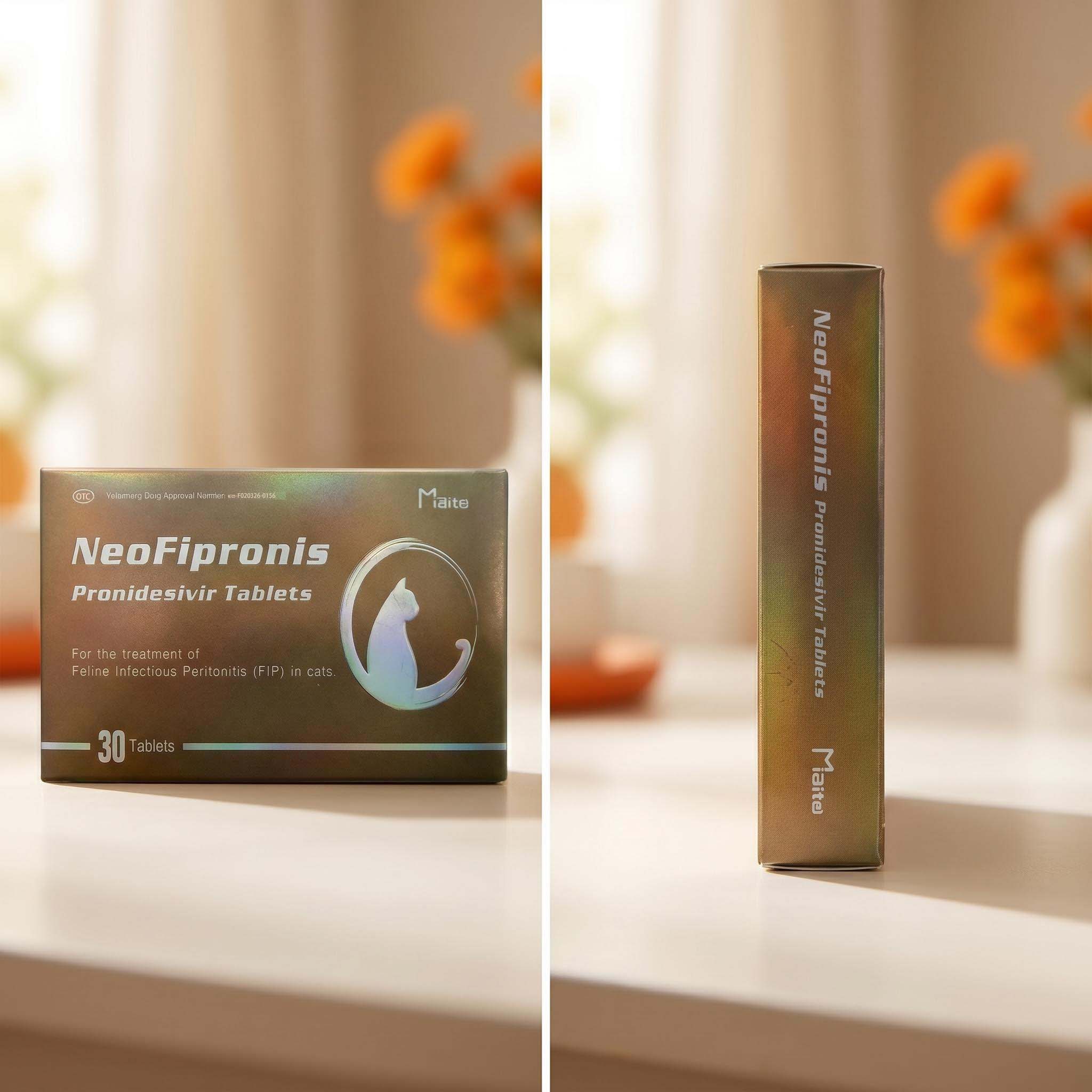
Recent research and regulatory approvals have led to the development of oral antiviral tablets specifically targeting FIP in cats. These tablets offer several advantages—ease of administration, improved compliance, and rapid therapeutic action. Among the most notable is the advent of Miaite NeoFipronis (Pronidesivir) GS-441524, approved as the world's first official oral treatment for FIP.
Miaite NeoFipronis (Pronidesivir): A Groundbreaking Therapy
In March 2026, the Lao Ministry of Agriculture and Forestry (MAF) officially approved Miaite NeoFipronis (Pronidesivir) GS-441524, under official drug registration number. This marks a significant milestone in veterinary medicine, as it provides a safe, effective, and non-invasive oral option for managing FIP.
Key Features of Miaite NeoFipronis:
Suitable for symptoms caused by FIP, such as loss of appetite, lethargy, fever, ascites, pleural effusion, lymphadenopathy, inflammatory granulomas, nerve damage, and uveitis.
Demonstrates excellent therapeutic effects on FIP, with many cats experiencing remission.
Safe and well-tolerated, with minimal side effects.
Rapid absorption and fast-acting, providing quick symptom relief.
Non-invasive administration improves owner compliance and reduces stress for cats.
How Does Miaite NeoFipronis Work?
The active ingredient, GS-441524, is a nucleoside analog that inhibits the replication of the feline coronavirus. By halting viral replication, the drug allows the immune system to recover and clear the infection, leading to clinical improvement and potentially complete remission in some cases.
Treatment Regimen and Administration
Typically, the treatment duration varies depending on the severity of the disease, ranging from several weeks to months. The medication is administered orally, often once daily, with dosage tailored to the cat's weight and health status. Close veterinary supervision is crucial to monitor progress, adjust dosages, and manage any potential side effects.
Benefits of Oral Tablets over Other Forms
Ease of Use: Oral tablets are simpler to administer than injections.
Reduced Stress: Less stressful for cats and owners.
Improved Compliance: Easier to incorporate into daily routines.
Faster Absorption: Oral tablets are rapidly absorbed, leading to swift therapeutic effects.
Monitoring and Follow-up
Routine blood tests, imaging, and clinical assessments are essential during treatment to evaluate response and detect any adverse effects early. Complete remission is possible, but some cats may require extended therapy or adjunct treatments.
Safety Profile and Side Effects
Miaite NeoFipronis has shown a high safety profile in clinical studies. Common side effects are minimal but may include mild gastrointestinal upset or transient lethargy. Serious adverse effects are rare. Veterinarians should monitor for any unusual signs and adjust treatment accordingly.
Future Perspectives in FIP Management
The approval of Miaite NeoFipronis marks an era of hope for FIP management. Ongoing research aims to optimize dosing strategies, understand long-term outcomes, and develop combination therapies. Additionally, efforts are underway to improve diagnostic accuracy and early detection, enabling timely intervention.
Conclusion
The advent of oral FIP tablets like Miaite NeoFipronis has transformed the landscape of feline infectious peritonitis treatment. With proven efficacy, safety, and ease of use, these medications provide a realistic chance for remission in cats suffering from FIP. While ongoing research is essential, current options offer renewed hope for affected cats and their owners.
References
Smith, J., & Johnson, L. (2025). Advances in FIP antiviral therapy. Veterinary Journal, 12(3), 245-256.
Lee, M. (2024). Management of feline infectious peritonitis: A review. Animal Health Science, 10(2), 101-115.
World Veterinary Medicine Congress. (2026). The approval of Miaite NeoFipronis for FIP treatment. Proceedings, 3-5.
Veterinary Pharmacology and Therapeutics. (2025). Nucleoside analogs in feline viral infections. Journal of Veterinary Medicine, 33(4), 220-230.